
- Destination
- Taounate, Morocco
- Collection
- Destinations
- Reading time
- 4 min
- Updated
- Nov 28, 2026
Climate and Building Materials
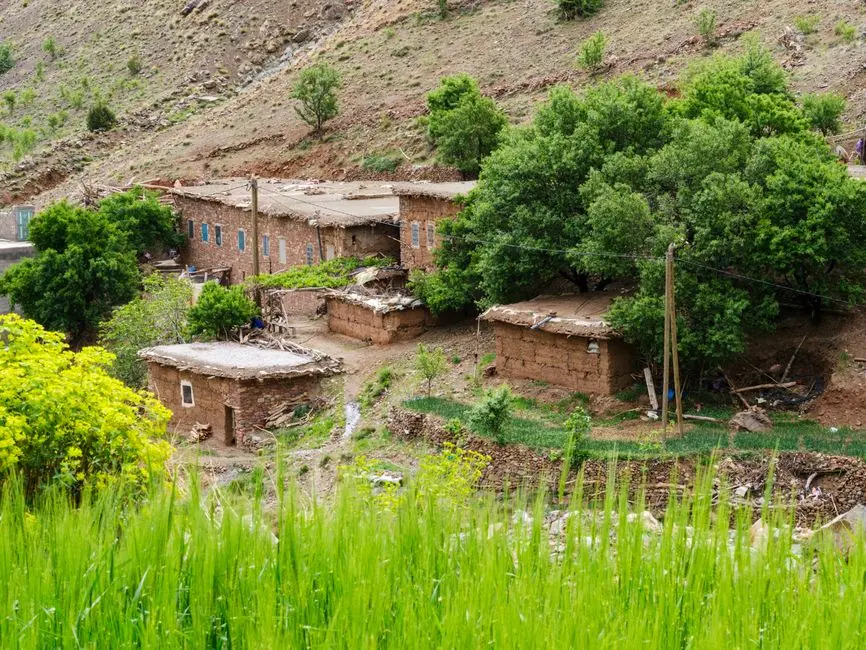
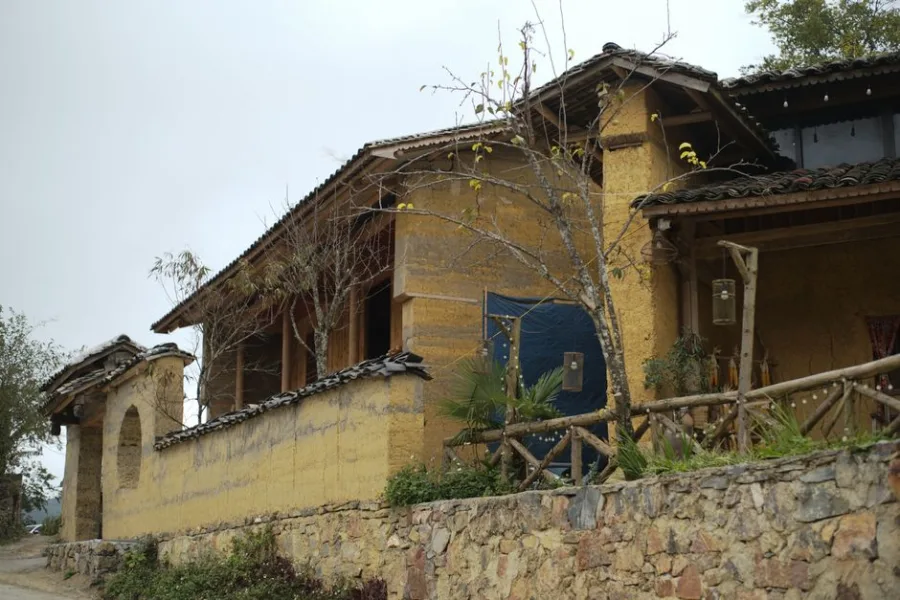
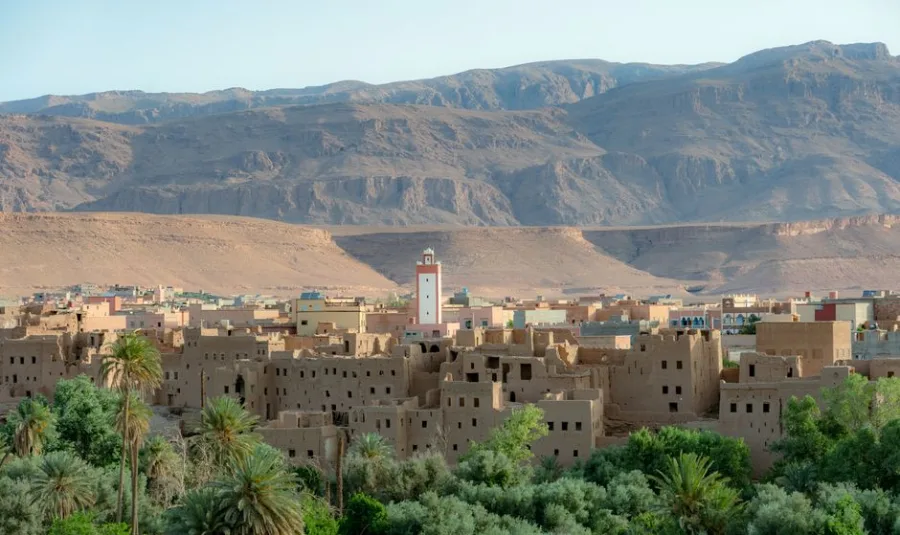
Taounate lies in the heart of the Rif mountains, a region where the Atlantic influence brings cool, mist‑laden winters and the interior continental air produces hot, dry summers. The annual temperature swing can be 20 °C or more, and rainfall is concentrated between November and March. Local builders have long responded to this pattern by choosing thick earthen walls made from a mixture of locally sourced clay, straw and sand. The material, known as tadelakt when finished, absorbs heat slowly during the day and releases it after sunset, providing a natural buffer against temperature extremes.
Structural Forms that Match the Seasons
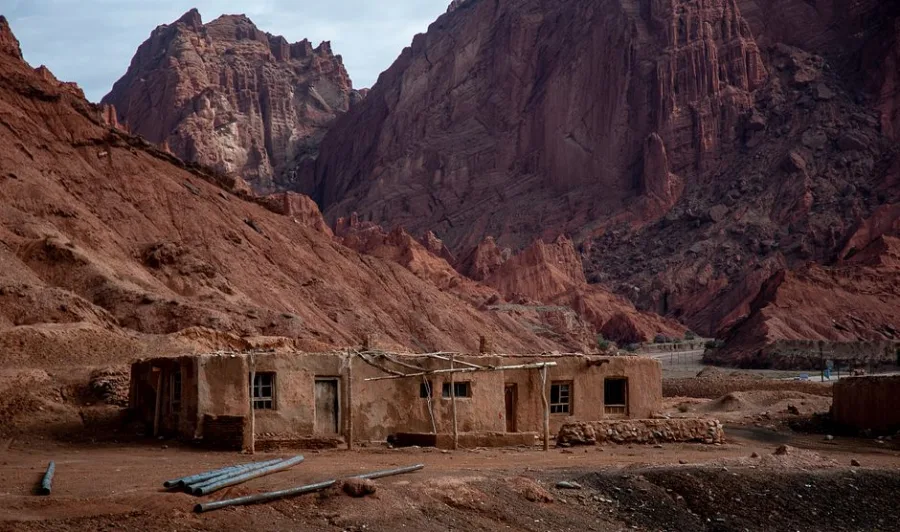
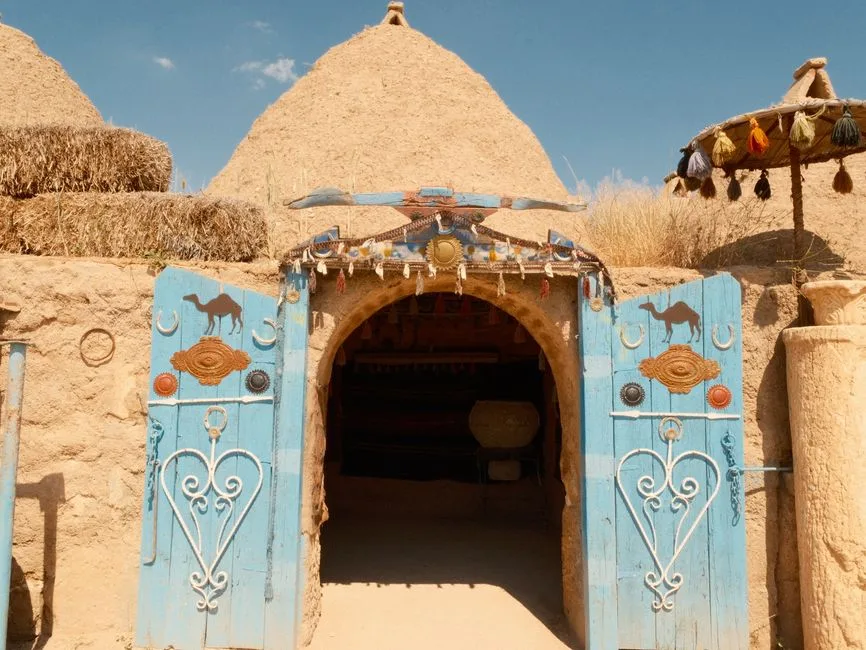
The most recognizable feature of a Taounate house is its vaulted ceilings. Constructed with hand‑shaped mud‑brick arches, the vault distributes weight evenly and eliminates the need for interior support beams, creating spacious rooms that can be easily re‑arranged for family gatherings. The curvature also encourages warm air to rise, allowing cooler air to settle at floor level where people spend most of their time. In winter, the interior retains heat, while in summer the same shape promotes natural cooling as breezes flow through high windows and doorways.
Orientation and Layout
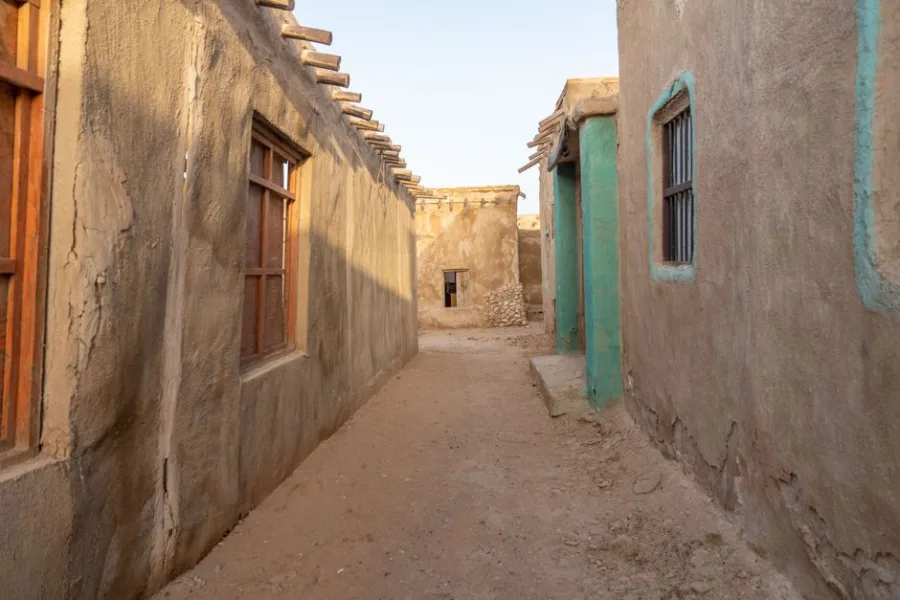
Traditional homes are sited with the long façade facing south‑west, catching the gentle winter sun while shielding the interior from the harshest afternoon heat in summer. Windows are placed high on the walls and often covered with wooden shutters that can be closed during storms. This seasonal orientation reduces the need for supplemental heating or cooling, a practical advantage in a region where modern energy infrastructure can be sparse.
Roofs and Water Management
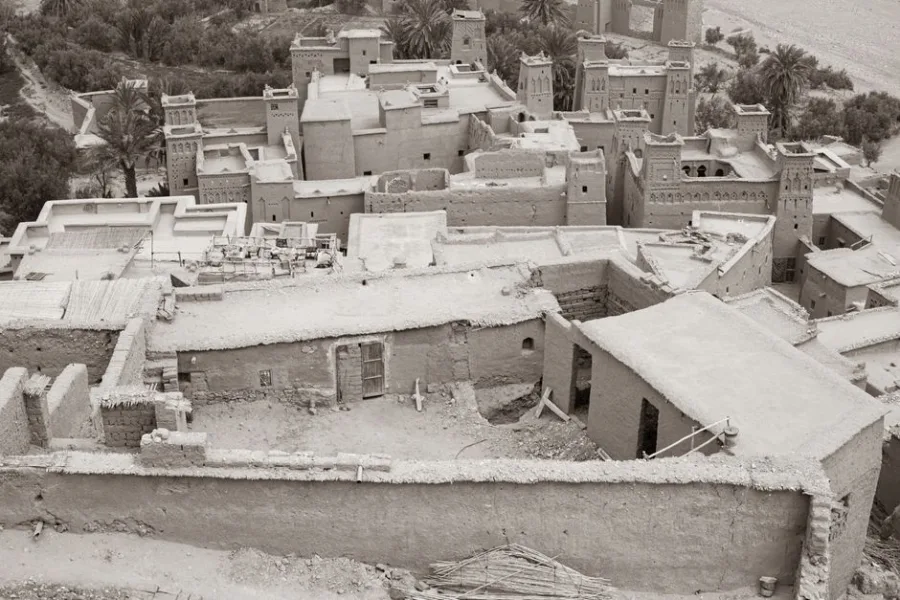
Roofs in Taounate are typically built from a wooden framework covered with a layer of kharbouch—a mixture of earth, lime and water that hardens into a waterproof skin. The slight slope directs rainwater toward stone gutters that feed small cisterns, providing a reliable source of water for household use and irrigation. The roof’s thermal mass also helps keep the upper floor cool in summer, as the earth absorbs daytime heat and releases it slowly at night.
Interior Finishes and Comfort
Inside, walls are often plastered with a smooth layer of tadelakt, which not only creates a water‑resistant surface but also adds a subtle sheen that reflects interior light. Floors are packed earth or stone, both of which stay cool underfoot during hot days. Furnishings are kept minimal, allowing the architecture itself to dominate the sense of space. Thermal mass of the walls and floors works together with the vaulted ceilings to maintain a steady indoor temperature, often within a few degrees of comfort year‑round.
Modern Adaptations and Preservation
While many younger families are moving to larger towns, a growing interest in sustainable tourism has encouraged the restoration of traditional mud‑brick homes. Some owners now integrate solar panels on the roof without altering the historic silhouette, and modest insulation is added beneath the plaster where needed. Local NGOs provide workshops on proper mud‑brick preparation, ensuring that new construction respects the same proportions and material ratios that have proven effective for centuries.
Visiting Taounate
Travelers seeking an authentic glimpse of Rif architecture will find the most accessible examples in the town centre and surrounding villages such as Ait Ishaq and Bni Bouayach. Walking tours often highlight the contrast between newer concrete structures and the enduring mud‑brick houses that line the narrow lanes. Visitors are encouraged to respect private property, ask permission before photographing interiors, and consider staying in a family‑run guesthouse that showcases these building techniques.
Practical Takeaways
- Thick earthen walls provide passive temperature regulation.
- Vaulted ceilings enhance airflow and distribute structural loads.
- Seasonal orientation minimizes reliance on modern heating and cooling.
- Traditional roofs with kharbouch protect against rain and add thermal mass.
- Ongoing community efforts keep the building knowledge alive for future generations.
Understanding how the Rif’s climate dictates every architectural decision offers a valuable lesson in resilience. The mud‑brick homes of Taounate are not merely aesthetic relics; they are living examples of how local materials and climate‑responsive design can create comfortable, low‑impact dwellings in a challenging environment.
Travel information can change. Confirm current entry requirements, opening hours and local guidance with official sources before your trip.
Comments 0
Share a helpful thought or question. Comments appear after review.
Be the first to share a thoughtful comment.
Leave a comment
Your email will not be displayed. Please keep comments relevant and respectful.