
- Destination
- Guinea-Bissau
- Collection
- Destinations
- Reading time
- 3 min
- Updated
- Nov 27, 2026
Getting There and Setting the Scene
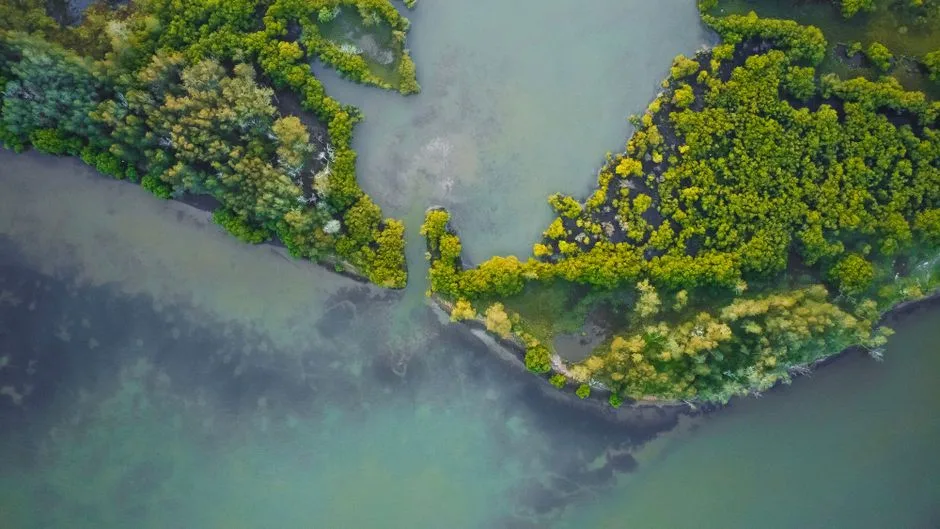
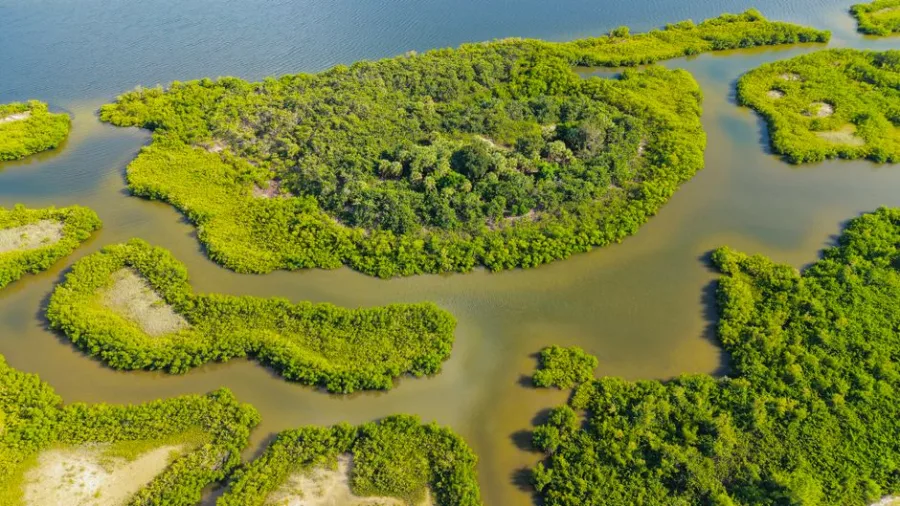
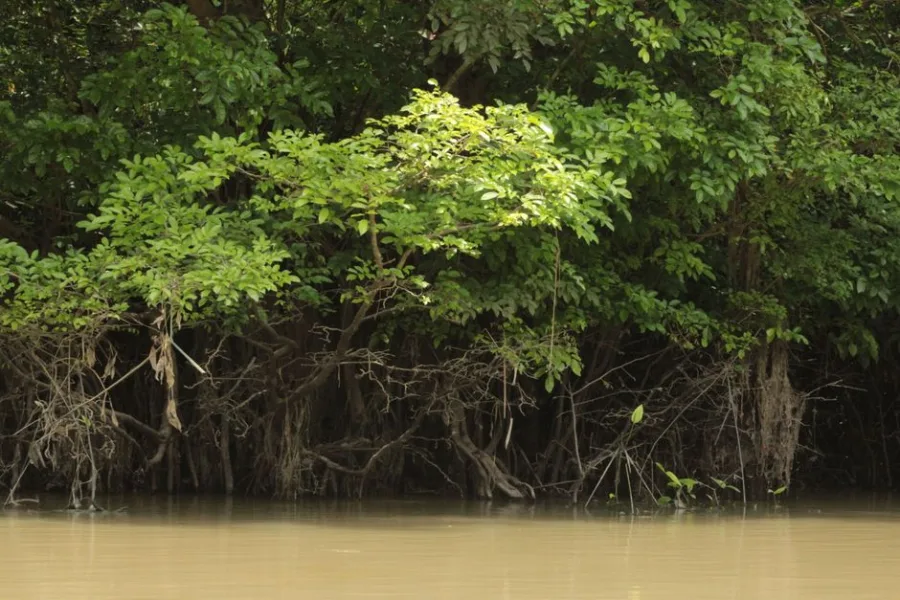
Cacine sits in the Mocímboa da Praia district of Cabo Delgado Province, northern Mozambique. The town is a modest fishing hub where the Indian Ocean meets a network of tidal mangroves. Reaching Cacine is most practical via a short road trip from the provincial capital, Pemba, or by a regional bus that stops near the waterfront. Once you arrive, the first impression is the scent of brine mixed with the earthy aroma of mangrove roots, and the gentle hum of small wooden panga boats slipping in and out of the shallow channels.
Observing Sustainable Fishing Practices
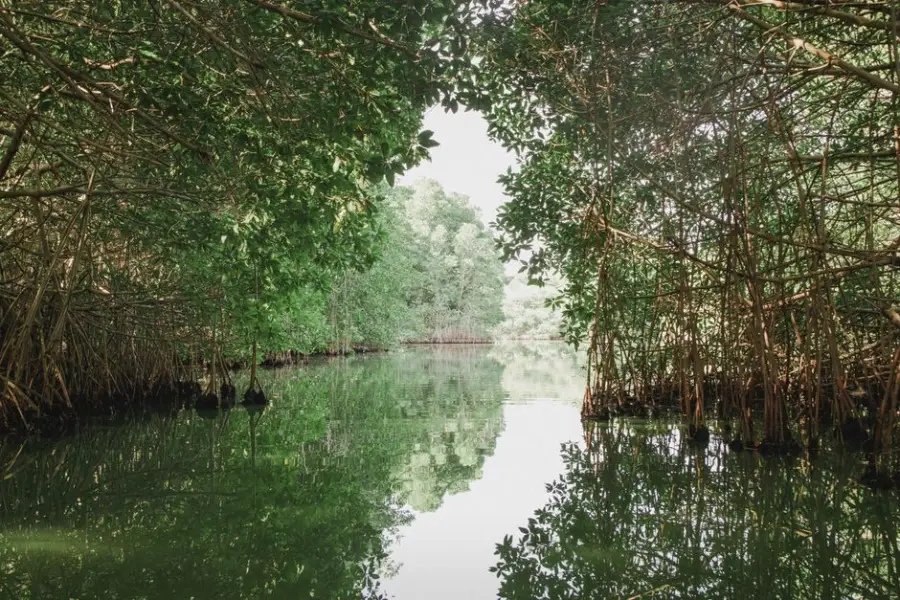
Early mornings are the best time to see local fishers at work. Most families launch before sunrise, casting simple nets or using hand‑lines for camarão and small reef fish. If you wish to observe, position yourself on the bank or on a low‑rise dock, keeping a respectful distance. Ask a fisherman if you may accompany them for a short stretch; many are happy to share their routine when approached politely. Remember the principle of low‑impact tourism: carry only a reusable water bottle, avoid plastic waste, and never touch the gear without permission. While on board, you’ll notice the careful way nets are checked and repaired, a practice that helps sustain the catch and protect the mangrove habitat. If you’re invited to help haul a net, do so gently and follow the crew’s rhythm – it’s an unspoken lesson in community cooperation.
Shell‑Gathering with Respect
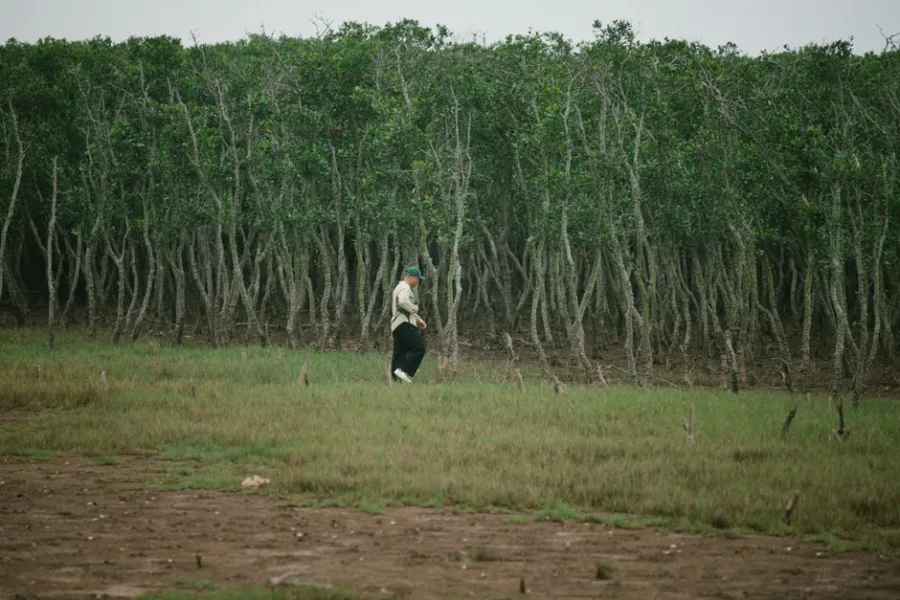
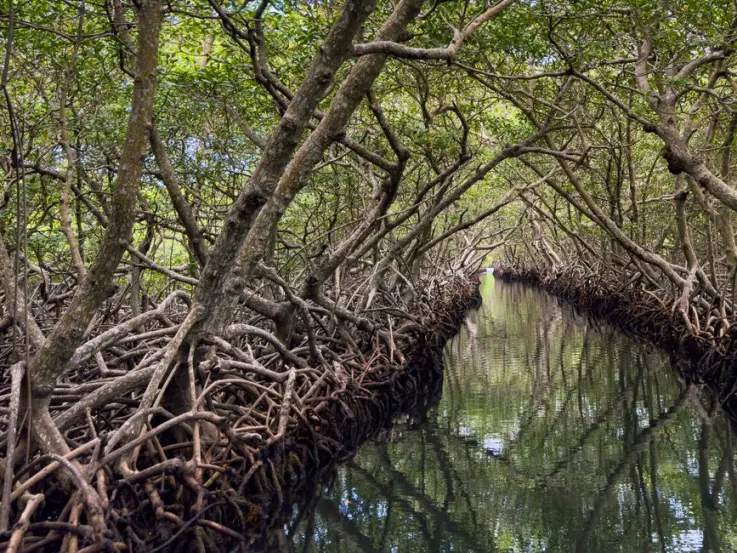
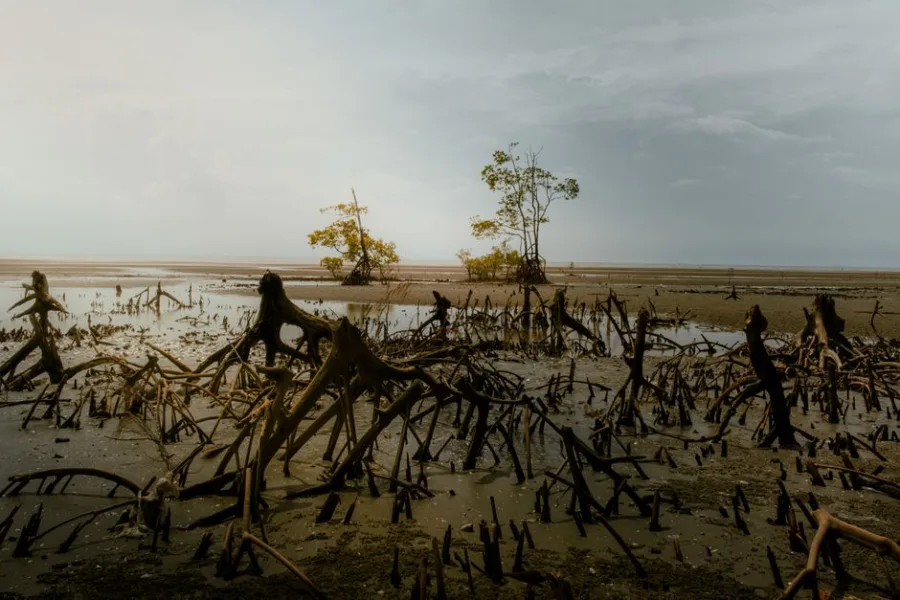
The mangrove mudflats reveal an abundance of marisco at low tide. Walking along the exposed roots, you can spot tiny clams, crabs, and the occasional sea snail. The key to responsible shell‑gathering is to respect local customs and the environment. Only take what you need, leave the larger specimens for the ecosystem, and avoid disturbing nesting birds that often perch among the branches. Use a small bucket or cloth bag you bring yourself, and clean shells with seawater rather than soap. Many locals collect shells for personal use or small-scale sale; by asking before you pick, you acknowledge their stewardship of the resource. A useful tip is to watch the tide – the best shells appear just after the water recedes, and the next high tide will quickly cover the area again.
Staying Mindful and Giving Back
Your visit can have a positive ripple effect if you adopt a few mindful habits. First, leave no trace: pack out any litter, and if you notice debris on the beach, collect it for disposal in the town’s waste bin. Second, consider supporting community initiatives such as the local cooperative that sells sustainably caught fish; buying directly helps families earn a fair income and reinforces responsible practices. Finally, share what you learn with fellow travelers – spreading awareness about the delicate balance of mangrove ecosystems encourages more visitors to act responsibly.
By approaching Cacine’s mangrove coast with curiosity, humility, and a commitment to support community initiatives, you can experience the rhythm of daily life while contributing to the preservation of one of Mozambique’s most vital coastal habitats.
Travel information can change. Confirm current entry requirements, opening hours and local guidance with official sources before your trip.


Comments 0
Share a helpful thought or question. Comments appear after review.
Be the first to share a thoughtful comment.
Leave a comment
Your email will not be displayed. Please keep comments relevant and respectful.