
- Destination
- Mauritania
- Collection
- Destinations
- Reading time
- 3 min
- Updated
- Nov 27, 2026
Getting There
Ouad Naga is a department in the Trarza region of southern Mauritania, bordering the Senegal River and the town of Rosso. The nearest international gateway is Nouakchott International Airport; from there, most travelers continue by road. The most reliable route is the N1 highway south to Rosso, then a turn east onto the brousse road that follows the river plain into Ouad Naga. Public buses are infrequent, so arranging a private 4x4 with a local driver is advisable. Travel in a 4x4 not only handles the occasional sand‑filled tracks but also reduces the risk of getting stranded in remote stretches.
Staying Sustainable
The Sahelian environment is fragile, and low‑impact travel starts before you step off the vehicle. Bring a sturdy, reusable water container and carry enough water for at least two days; potable sources are scarce outside the main settlements. A portable water‑filter can make river water safe, but always check local advisories. Pack all waste in sealed bags and plan to return it to larger towns for proper disposal—there are no formal recycling facilities in Ouad Naga. Use reusable containers for food and toiletries to minimise plastic litter.
Solar chargers are a practical choice because the region enjoys over 3000 hours of sunshine annually. Mobile coverage drops outside the main towns, so download offline maps and a basic first‑aid guide beforehand. Plan for limited mobile coverage and let someone know your itinerary.
Navigating the Sahel
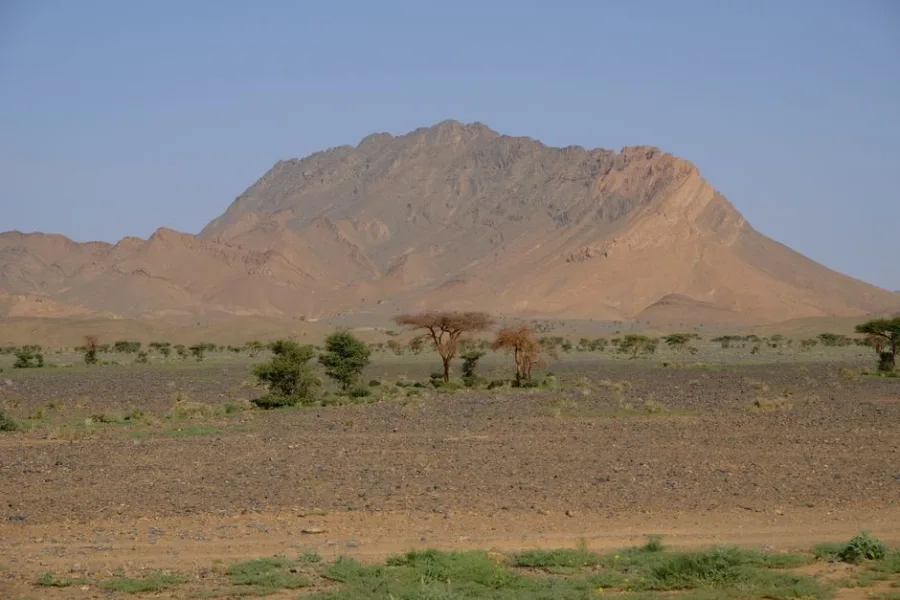
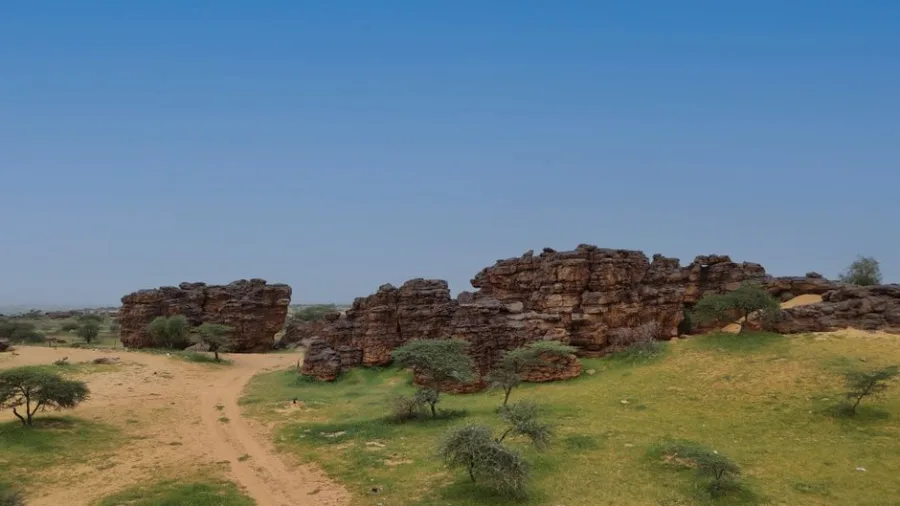
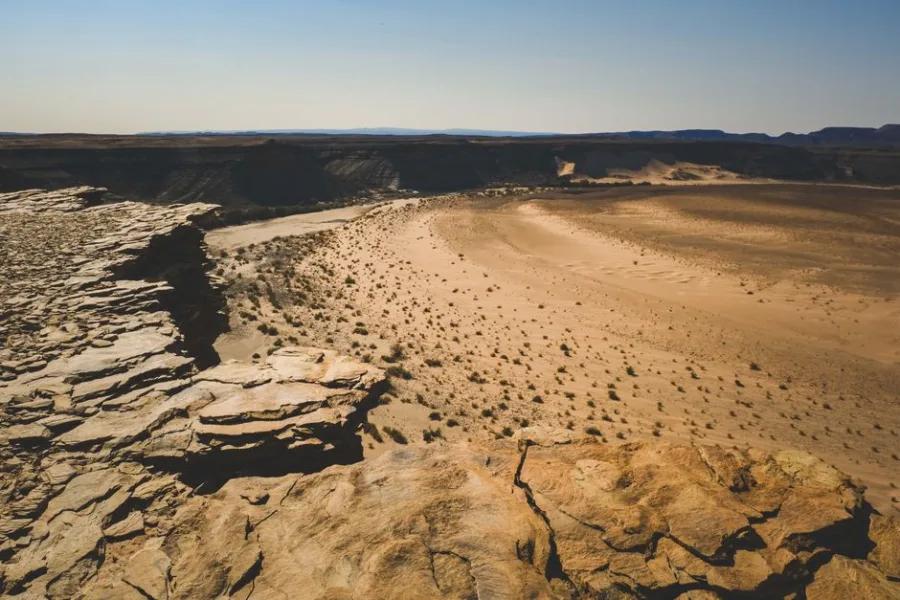
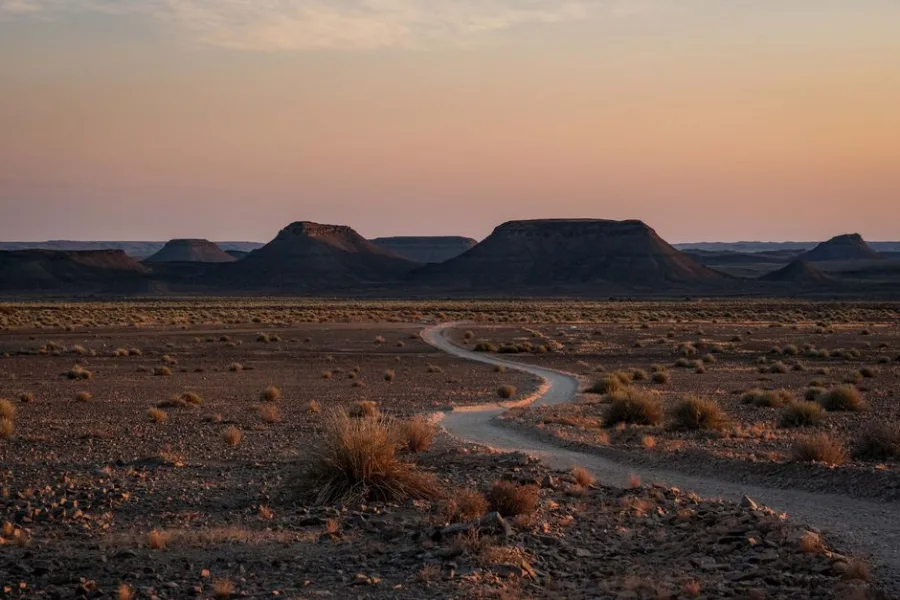
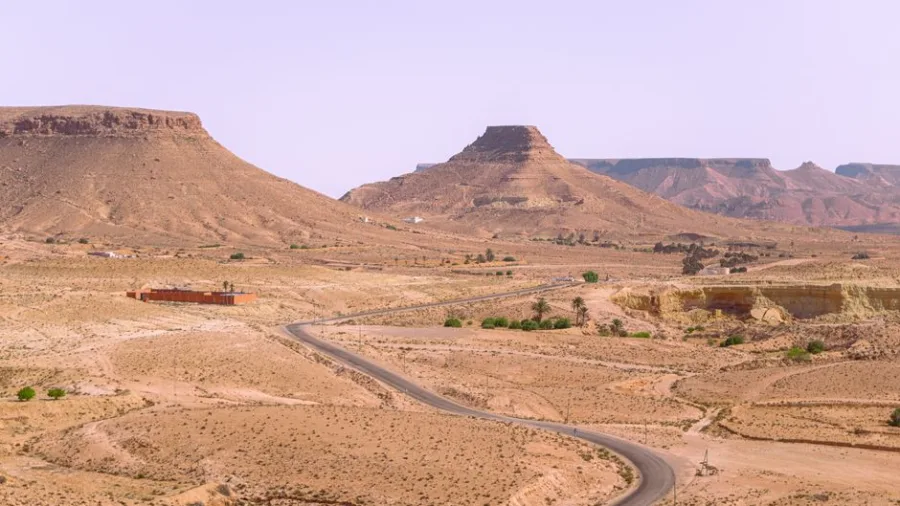
The landscape is a flat, semi‑arid plain punctuated by occasional oued channels that swell during the short rainy season (July–September). Sandstorms can appear suddenly; keep a scarf or mask handy and avoid driving during peak wind hours (early morning and late afternoon). The best travel window is November through February, when daytime temperatures hover between 25 °C and 30 °C and night‑time drops are manageable.
When driving, stay on established tracks to protect the delicate crust of the soil. Off‑road excursions can create lasting ruts that trap rainwater and accelerate erosion. If you must leave a track, fill the wheel‑ruts with sand before moving on. Always carry a spare tire, a basic tool kit, and a high‑visibility flag to signal your vehicle in case of breakdown.
Cultural Respect
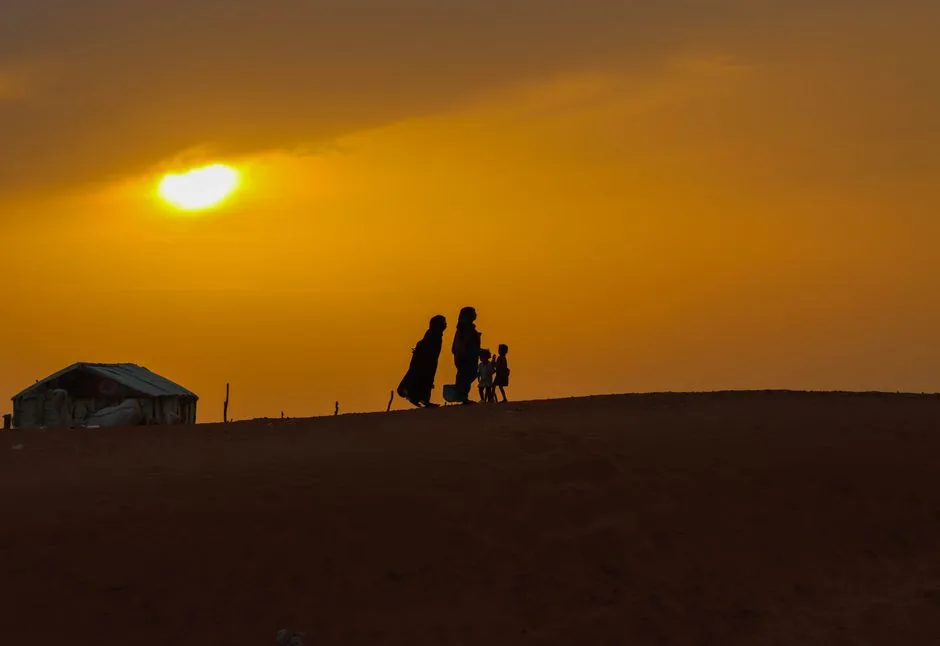
The population of Ouad Naga is a mix of Moorish and Fulani communities, many of whom maintain nomadic traditions. Greeting elders with a respectful “Salam aleikoum” is appreciated. Dress modestly—long sleeves and trousers protect against the sun and align with local customs. Photography of people should only be done after obtaining explicit permission; some may consider it intrusive.
If you are invited to share a meal, accept the offering; refusing can be seen as disrespectful. Meals often feature thieboudienne (fish and rice) or méchoui (roasted lamb). Accepting a small portion shows goodwill, even if you are not hungry. Respect local customs to foster positive interactions and avoid misunderstandings.
Practical Checklist
- Reusable water bottle (minimum 2 L) and portable filter
- 4x4 vehicle with spare tire and basic tools
- Sun protection: hat, sunscreen, scarf or mask
- Offline maps (e.g., OpenStreetMap) and a printed route sketch
- First‑aid kit with rehydration salts
- Light, breathable clothing that covers shoulders and knees
- Small, sealable bags for waste collection
- Solar charger or spare batteries for essential electronics
By following these guidelines, visitors can experience the quiet beauty of Ouad Naga while leaving a minimal footprint. The region’s open skies, distant horizons, and gentle riverine patches reward those who travel responsibly and attentively.
Travel information can change. Confirm current entry requirements, opening hours and local guidance with official sources before your trip.
Comments 0
Share a helpful thought or question. Comments appear after review.
Be the first to share a thoughtful comment.
Leave a comment
Your email will not be displayed. Please keep comments relevant and respectful.