
- Destination
- Norway
- Collection
- Destinations
- Reading time
- 3 min
- Updated
- Nov 25, 2026
Getting There and Setting the Tone
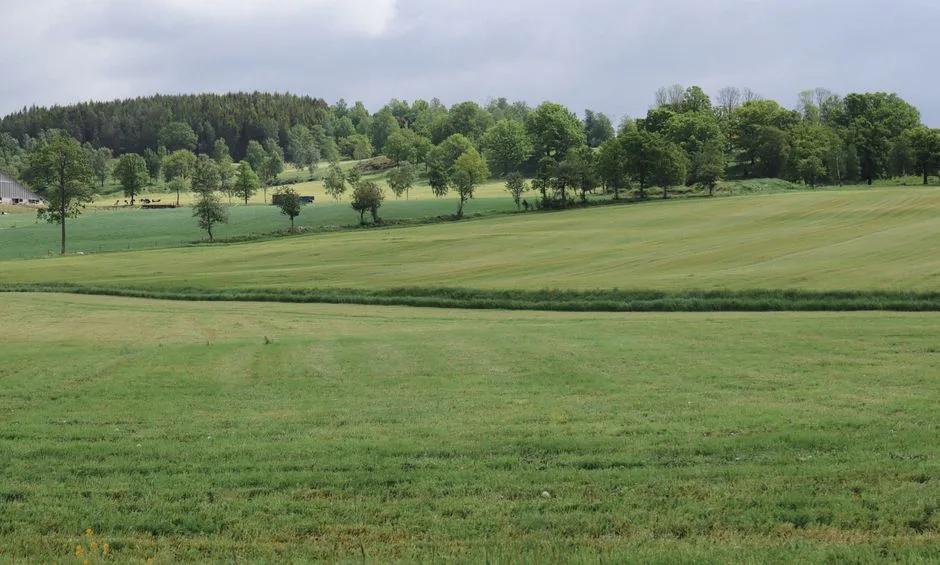
Krødsherad lies in the traditional Hallingdal valley of Buskerud, now part of Viken county. The municipality is accessed by the E16 highway, which runs between Oslo and Bergen, and by the historic Krøderbanen railway line that terminates at the lakeside village of Krøderen. Public transport is limited, so most visitors arrive by car or by renting a bike in the nearby town of Gol. Once in the area, the first impression is the gentle rise of forested hills meeting the clear waters of Krøderen lake. The landscape encourages a slower pace; many local hosts recommend leaving the car at the edge of the village and exploring on foot or by bicycle. This approach aligns with the community’s emphasis on low‑impact walking and helps preserve the quiet character of the valley.
Marked Walks Around Krøderen Lake
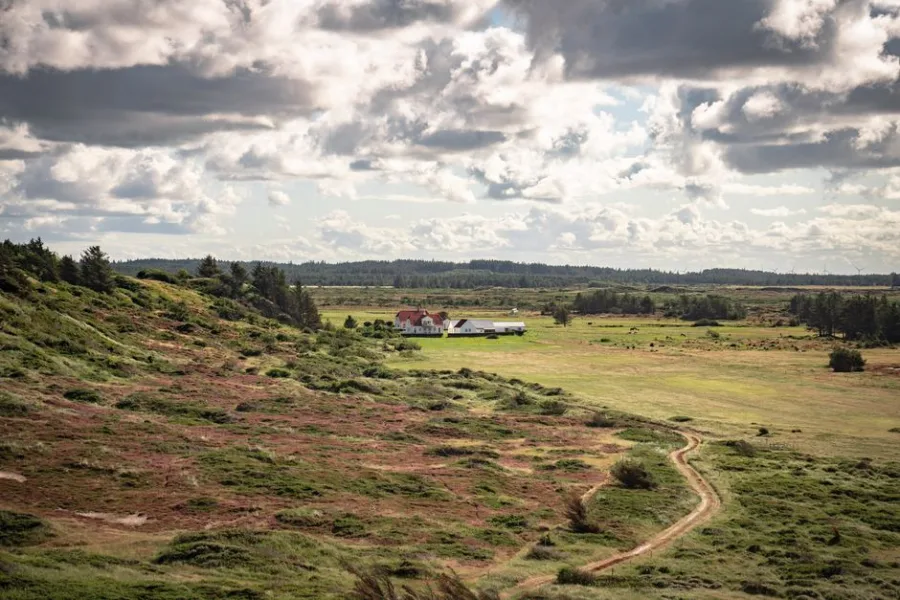
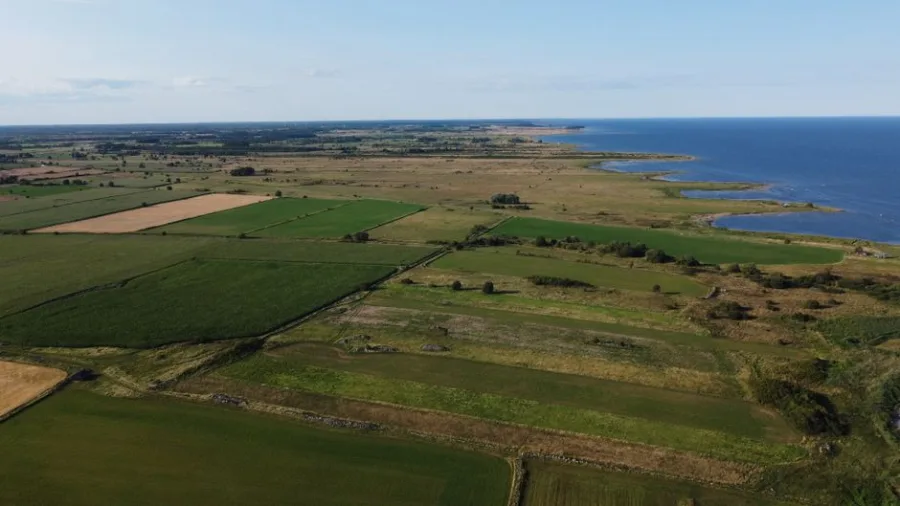
The shoreline of Krøderen is dotted with well‑maintained paths that are sign‑posted by the Norwegian Trekking Association (DNT). One popular loop follows the lake’s western side, passing through pine‑dominated woods, small bays, and open meadows where wildflowers appear in summer. The trail is generally flat, making it suitable for families and for those using lightweight trekking poles. Further inland, a network of forest tracks connects to higher ground that offers views of the surrounding mountains, including the modest peak of Hallingskarvet. Hikers should carry a map or a GPS‑enabled device, as some junctions are only marked with simple wooden posts. The routes are designed to be marked trail network friendly, and local volunteers regularly clear litter and maintain signage, reflecting a strong sense of local stewardship.
Farmstead Stays and Sustainable Practices
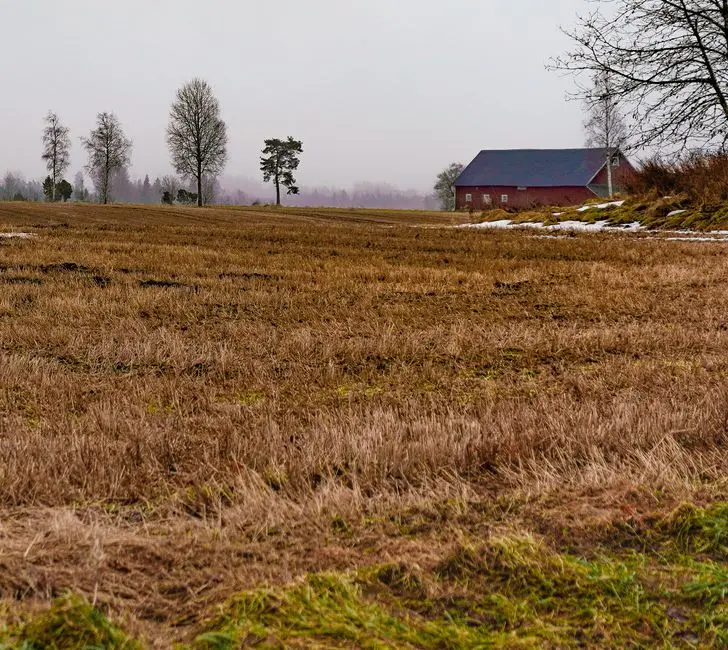
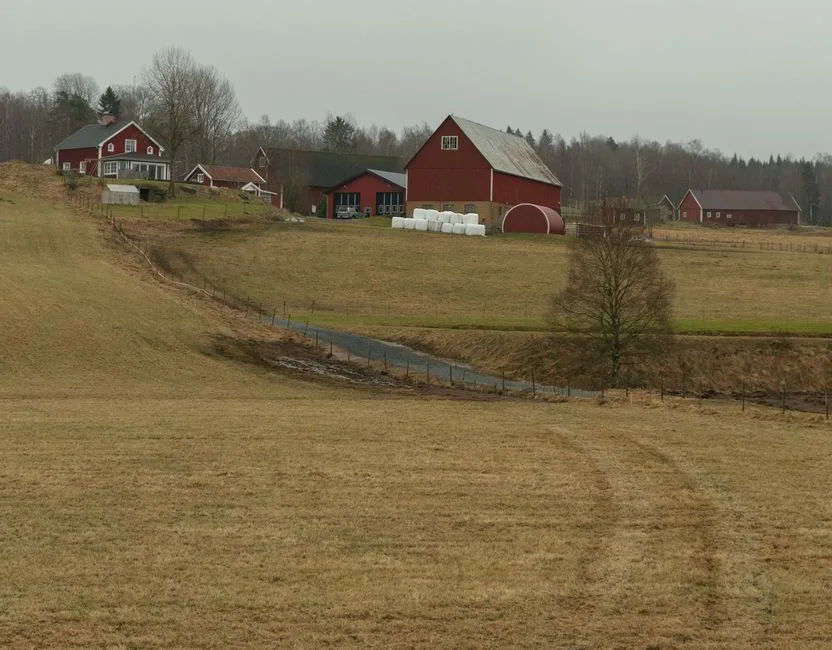
Krødsherad’s agricultural heritage is still visible in the scattered farms that line the valleys and hills. Several families operate gård‑based guesthouses that welcome visitors for short stays. These farmsteds often provide simple rooms in a traditional hytte or a renovated barn, and they serve meals prepared from organic farm produce grown on‑site. Guests can join in seasonal activities such as milking cows, collecting eggs, or helping with berry picking, all under the guidance of the hosts. The farms practice rotational grazing and limit the use of synthetic fertilizers, which contributes to healthier soils and clearer waterways. By staying on a farm, travelers support a sustainable rural economy and gain insight into the rhythms of Norwegian countryside life.
Practical Tips for Low‑Impact Travel
To minimise environmental footprints, bring reusable water bottles, sturdy walking shoes, and a compact rain jacket—weather can change quickly in the mountains. Stick to established paths; off‑trail walking can damage fragile alpine vegetation. When visiting farms, ask permission before photographing livestock or private areas, and respect quiet hours, especially during milking or feeding times. Waste disposal facilities are limited, so pack out any non‑biodegradable items. Finally, consider purchasing locally made souvenirs such as knitted wool products or smoked fish, which helps keep money within the community and encourages seasonal wildlife protection initiatives funded by tourism fees.
Travel information can change. Confirm current entry requirements, opening hours and local guidance with official sources before your trip.

Comments 0
Share a helpful thought or question. Comments appear after review.
Be the first to share a thoughtful comment.
Leave a comment
Your email will not be displayed. Please keep comments relevant and respectful.