
- Destination
- Uzbekistan
- Collection
- Travel Tips
- Reading time
- 3 min
- Updated
- Nov 28, 2026
Understanding the Steppe Climate
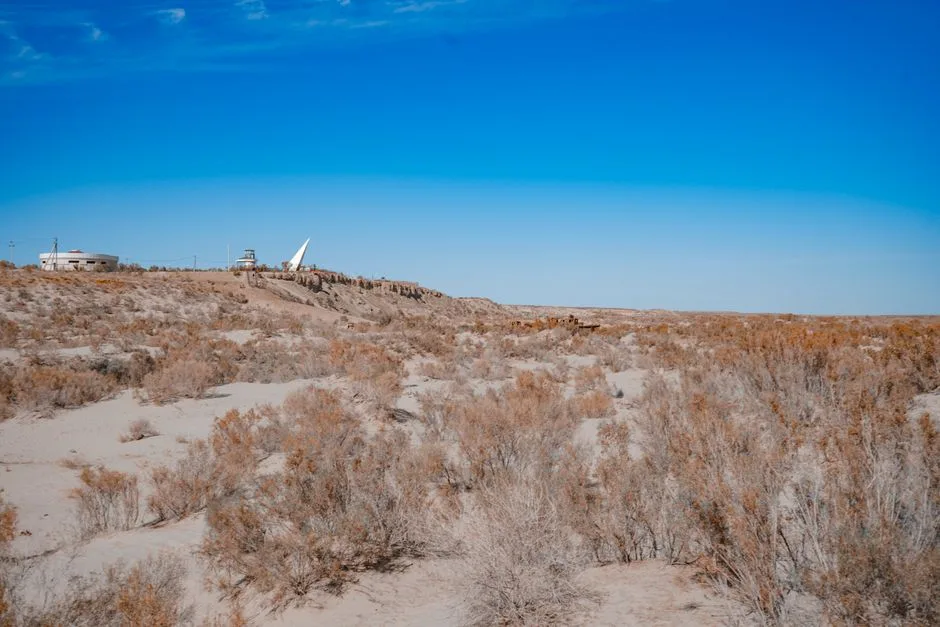
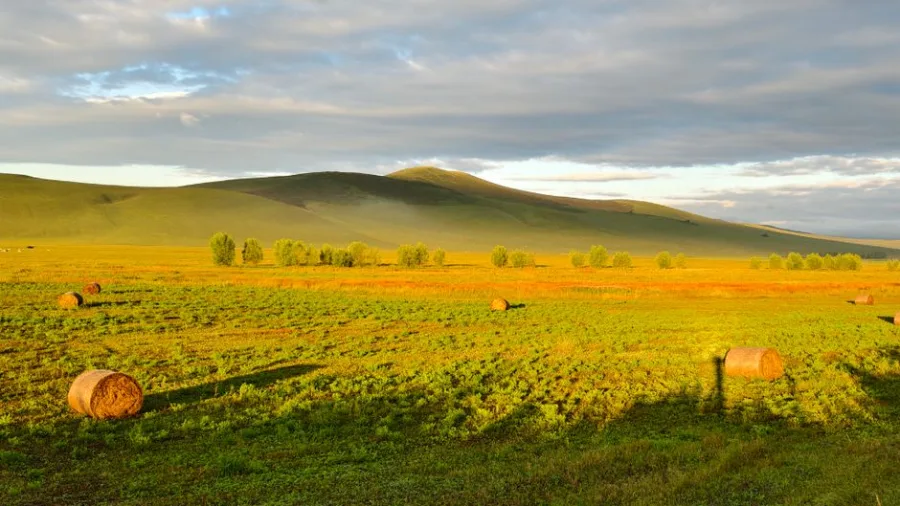
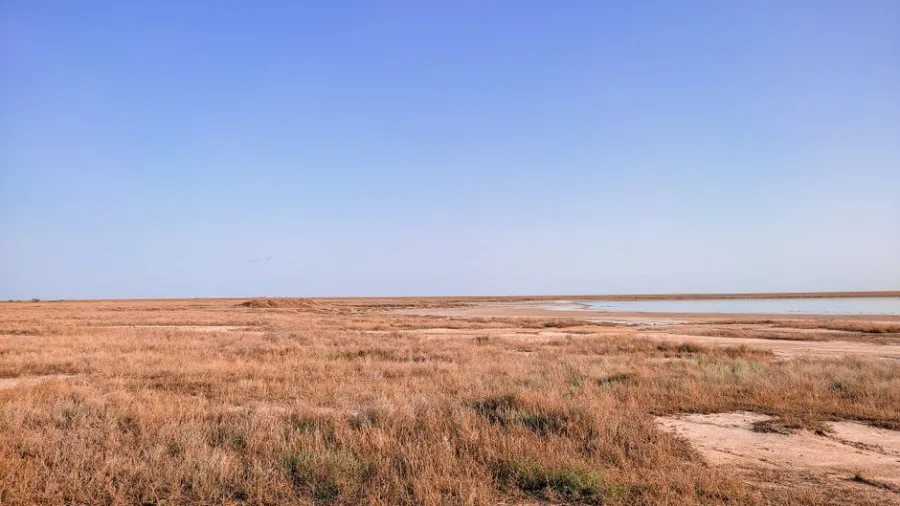
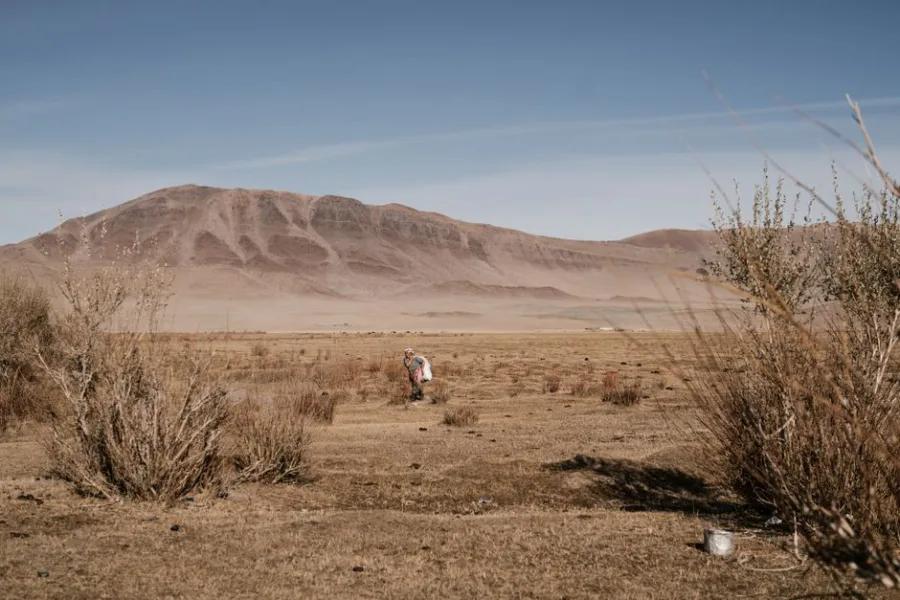
The open steppe of Beruniy Tumani in Karakalpakstan is characterized by a continental climate: hot, dry summers with clear skies and strong UV radiation, and chilly nights. Daytime temperatures often exceed 30 °C (86 °F) while humidity remains low, which accelerates sweat evaporation and can mask dehydration. The sun is strongest between 10 a.m. and 4 p.m., so planning activities outside these hours reduces exposure. Knowing the climate helps you schedule rest, shade, and fluid intake strategically.
Sun Protection Essentials
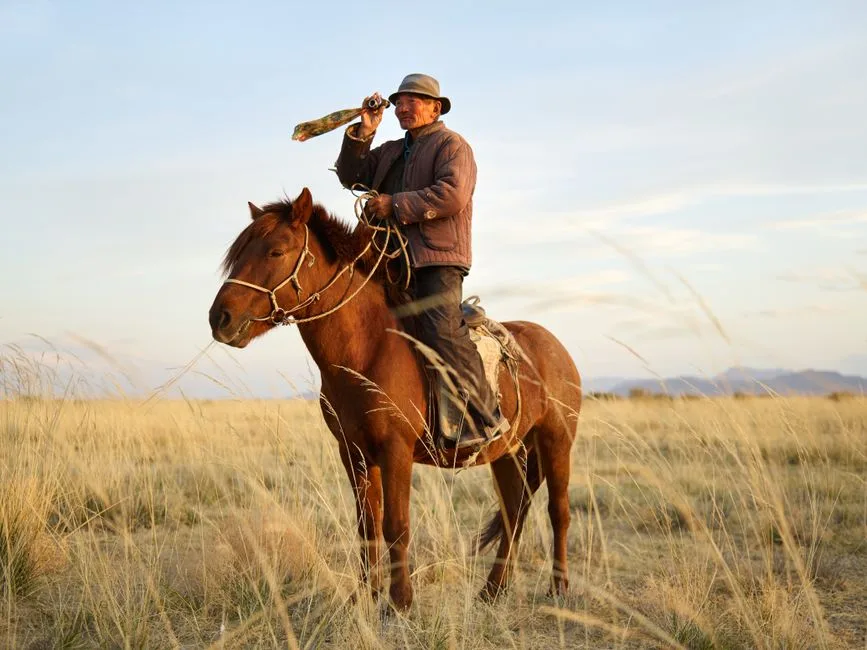
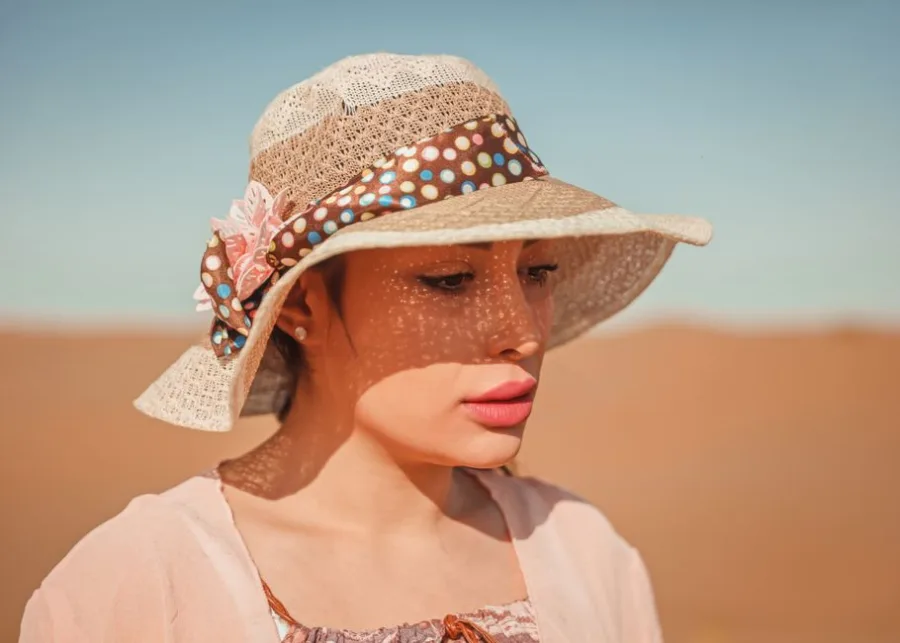
First, choose a broad‑spectrum sunscreen with at least SPF 30 and a high UVA rating. Apply sunscreen generously 15 minutes before stepping outdoors and reapply every two hours, or sooner after sweating or wiping your face. Protect exposed skin with lightweight, long‑sleeved shirts made of tightly woven fabrics; many travelers favor UPF‑rated clothing for added defense. A wide‑brimmed hat and UV‑blocking sunglasses are non‑negotiable accessories—wear a wide‑brimmed hat to shield the face, neck, and ears. If possible, seek natural shade from dunes or sparse vegetation during peak sun hours.
Hydration Practices on the Move
Dehydration can set in quickly in arid steppe conditions. Aim to drink at least 2 liters of water daily, adjusting upward if you are active or the temperature spikes. Carry a reusable water bottle and refill it whenever you find a reliable source. Tap water in rural parts of Karakalpakstan is not always safe for direct consumption; opt for bottled water, a portable filter, or boil water before drinking. Adding electrolyte tablets or a pinch of salt to your water helps replace minerals lost through sweat, especially on long hikes.
Safe Water Management
When purchasing bottled water, check that seals are intact and the label is legible. In remote areas where bottled water is scarce, a compact filtration system (e.g., a hollow‑fiber filter) can be a lifesaver. Avoid drinking from stagnant pools or unmarked streams. If you must rely on untreated water, bring a small pot to boil it for at least three minutes. Carry a small supply of oral rehydration salts; they are lightweight and can be mixed with water to quickly restore electrolyte balance.
Practical Packing Tips
Pack a small, insulated pouch for your sunscreen and water bottles to keep them from overheating—heat can degrade sunscreen effectiveness. Include a lightweight, packable rain poncho; sudden thunderstorms can appear even in dry seasons, and the rain can wash away sunscreen and increase the risk of sunburn once it clears. A compact, foldable sunshade or a reflective emergency blanket can provide instant shade if natural cover is unavailable.
On‑the‑Road Sun‑Smart Habits
While traveling between villages or exploring archaeological sites, keep a sun‑safe routine: check your sunscreen before each stop, sip water regularly (even if you don’t feel thirsty), and pause in shaded spots whenever possible. Use a watch or phone alarm to remind yourself to hydrate every 20‑30 minutes during intense activity. If you notice signs of heat exhaustion—dizziness, rapid heartbeat, or excessive sweating—stop, find shade, and sip water with electrolytes immediately.
Managing Heat at Night
Even after a scorching day, the steppe can cool rapidly after sunset. While the UV risk drops, staying hydrated remains crucial because the body continues to lose moisture through respiration. Warm drinks like herbal tea can be soothing, but keep the overall fluid intake balanced. Dress in breathable, layered clothing to adjust to temperature swings without overheating.
Final Checklist for a Safe Journey
- Sunscreen SPF 30+, applied and reapplied
- Wide‑brimmed hat, UV sunglasses, UPF clothing
- At least 2 L of water per day, plus electrolytes
- Reliable water purification method (filter or boil)
- Portable shade (sunshade or reflective blanket)
- Emergency contact info and basic first‑aid kit
Following these guidelines will help you enjoy the stark beauty of the Beruniy Tumani steppe while staying healthy and comfortable. Safe travels!
Travel information can change. Confirm current entry requirements, opening hours and local guidance with official sources before your trip.
Comments 0
Share a helpful thought or question. Comments appear after review.
Be the first to share a thoughtful comment.
Leave a comment
Your email will not be displayed. Please keep comments relevant and respectful.