
- Destination
- Senegal
- Collection
- Culture
- Reading time
- 3 min
- Updated
- Nov 28, 2026
River as Lifeline
The Casamance River is the most visible feature of Sédhiou, winding through the town and its surrounding villages. For residents, the river is more than a scenic backdrop; it is the primary artery for river transport, linking farms, markets, and health centers that are otherwise separated by dense mangrove patches. Small wooden boats, often powered by outboard motors, carry everything from fresh produce to schoolchildren. Because road infrastructure can be uneven, especially during the rainy season, many families plan their daily schedules around the river’s timetable, checking water levels before setting out.
Seasonal Floods and Agriculture
Each year, the region experiences a rise in water levels that can last several weeks. These seasonal flood cycles replenish the alluvial soils along the banks, making them fertile for rice paddies and vegetable plots. Farmers in Sédhiou time planting to coincide with the receding waters, using the nutrient‑rich silt left behind. When floods are higher than usual, some fields are temporarily lost, prompting households to rely on stored grains or to shift labor to fishing. This adaptability is a hallmark of local resilience; families often maintain a small garden of bounouk (a traditional leafy vegetable) that can be harvested quickly if the main fields are inundated.
Market and Mobility
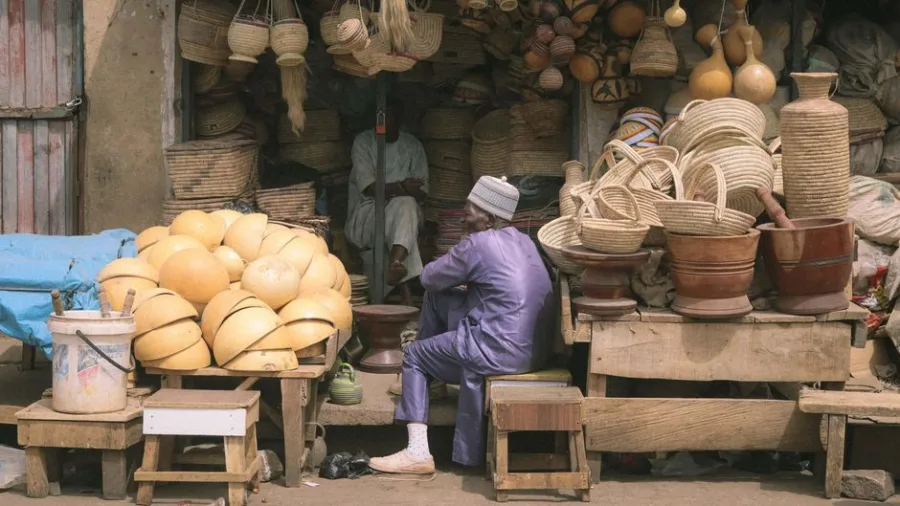
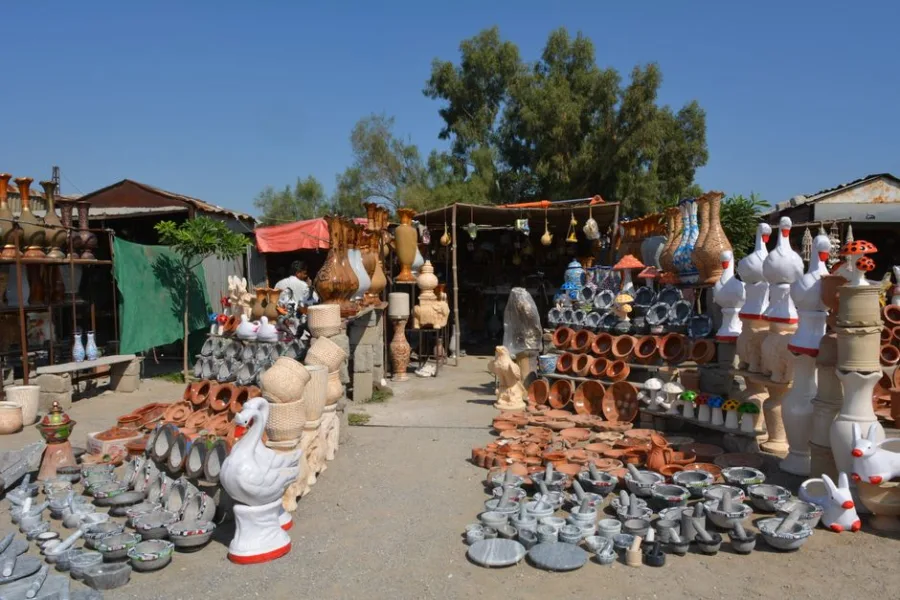
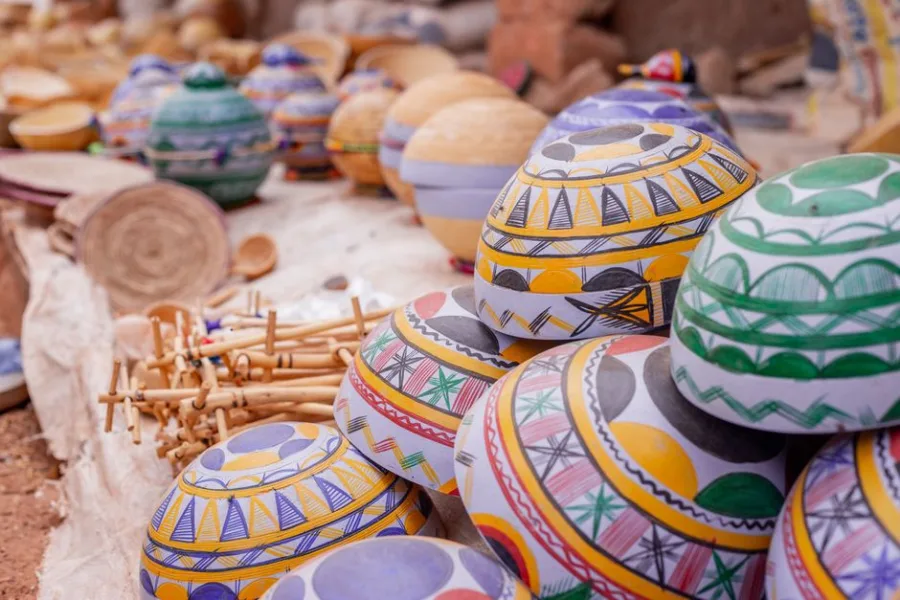
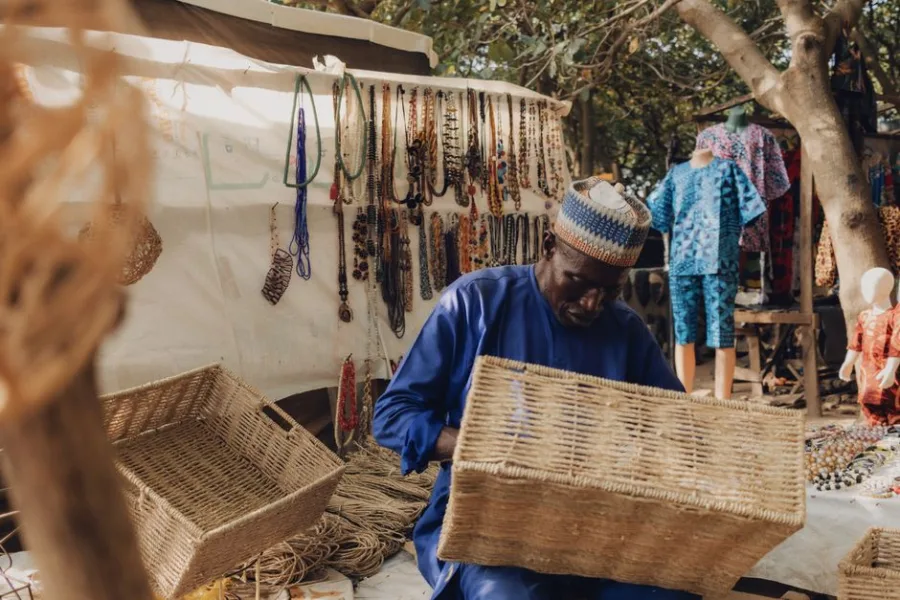
The central market in Sédhiou operates on a rhythm that mirrors the river’s flow. Vendors arrive early, setting up stalls along the main thoroughfare that runs parallel to the water. The daily market rhythm is punctuated by the arrival of boatmen delivering fresh fish, which is a staple of the local diet. Buyers—both urban shoppers and rural producers—negotiate prices in a lively exchange that reflects the region’s multilingual character, with Wolof, French, and local dialects heard side by side. Mobility patterns are also shaped by the river; during low water, motorbikes become the preferred mode of transport, while high water sees a surge in boat traffic.
Social Spaces and Cultural Rhythm
Beyond commerce, the riverbank serves as a communal gathering place. In the evenings, families sit on low stools, sharing meals of thieboudienne (fish and rice) while the water reflects the setting sun. These moments reinforce social bonds and provide informal venues for sharing news, arranging marriages, or discussing communal projects such as well maintenance. The community resilience evident in these gatherings is reinforced by shared experiences of navigating the river’s moods. Local festivals often incorporate water symbolism, with processions that start at the river’s edge, underscoring how geography is woven into cultural identity.
Everyday Adaptations
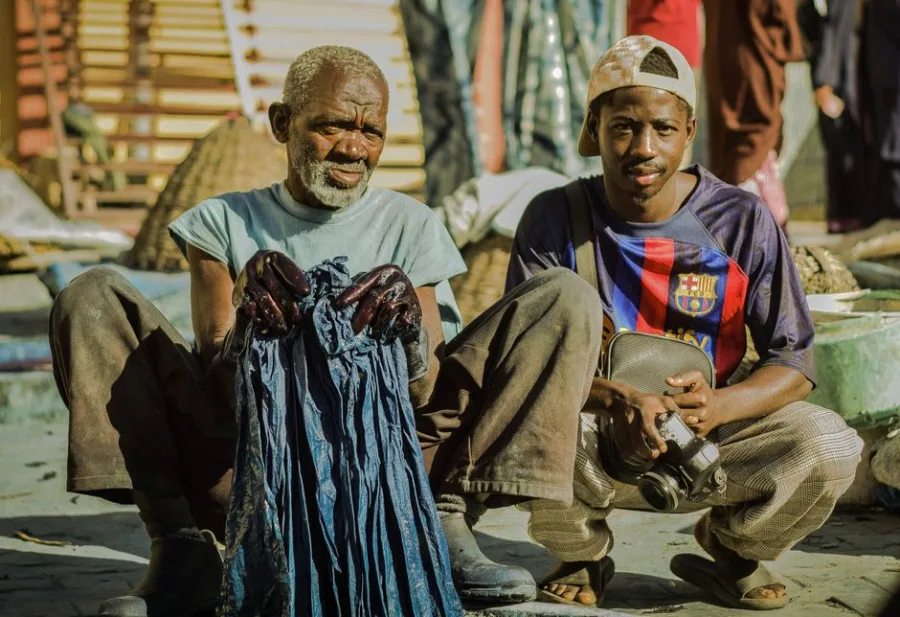
Living in Sédhiou demands a flexible approach to daily chores. Children may walk to school on a footbridge that spans a narrow channel, while elders prefer the shade of riverbank trees while waiting for transport. Health clinics schedule appointments around flood forecasts to ensure patients can reach them safely. Even the local cuisine reflects the environment: dishes frequently feature fish, river herbs, and rice grown in flood‑plain fields. Residents have learned to read the river’s signs—changes in water color, flow speed, and surrounding wildlife—to anticipate shifts that could affect travel or harvests.
Overall, Sédhiou illustrates how a place’s physical characteristics shape the cadence of everyday life. The river is not merely a backdrop but a dynamic partner that influences work, mobility, social interaction, and cultural expression. By aligning their routines with the river’s patterns, the people of Sédhiou demonstrate a deep, practical understanding of their environment, turning potential challenges into a rhythm that sustains the community.
Travel information can change. Confirm current entry requirements, opening hours and local guidance with official sources before your trip.

Comments 0
Share a helpful thought or question. Comments appear after review.
Be the first to share a thoughtful comment.
Leave a comment
Your email will not be displayed. Please keep comments relevant and respectful.