
- Destination
- Arriaga, Mexico
- Collection
- Culture
- Reading time
- 3 min
- Updated
- Nov 28, 2026
Wooden Facades and Local Commerce
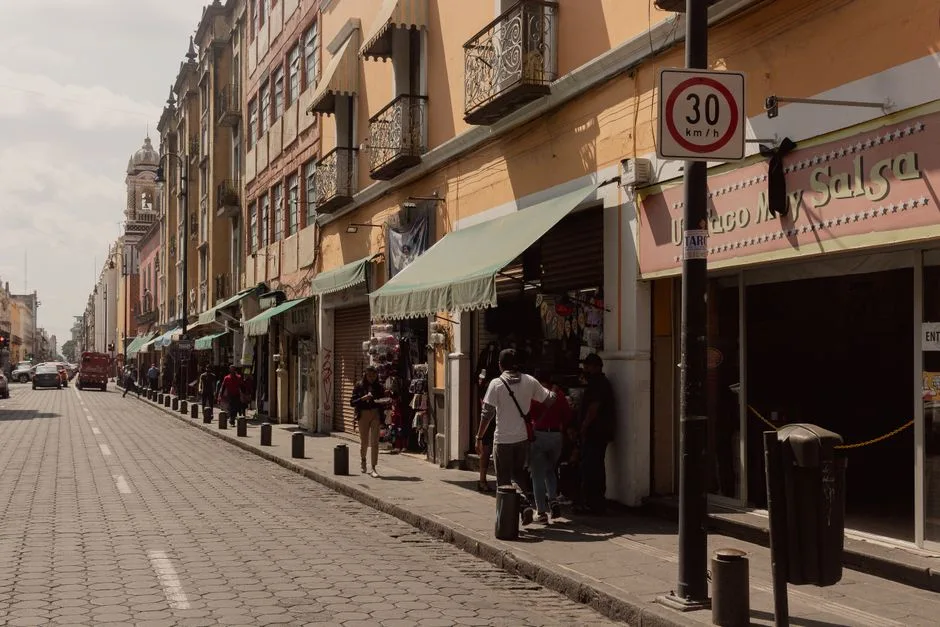
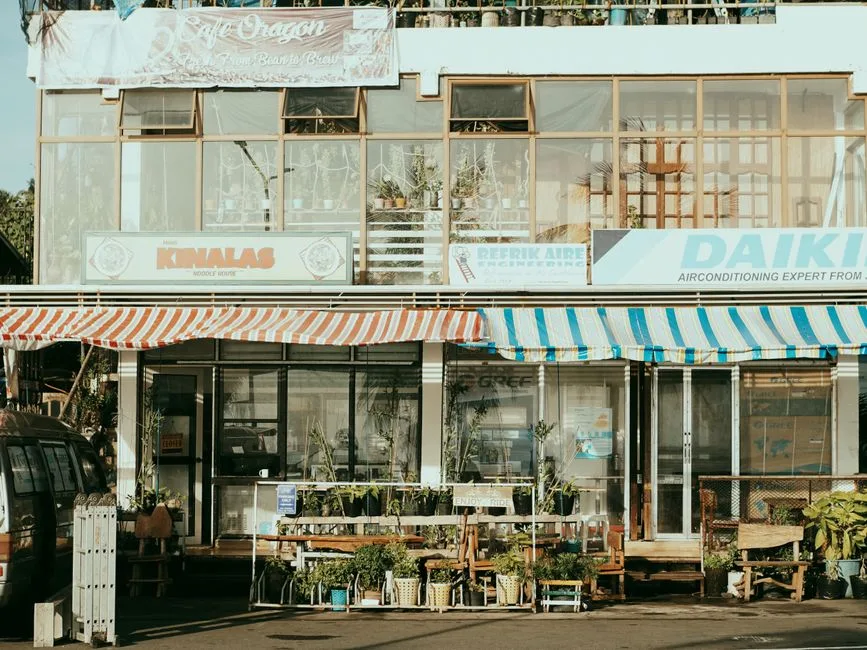
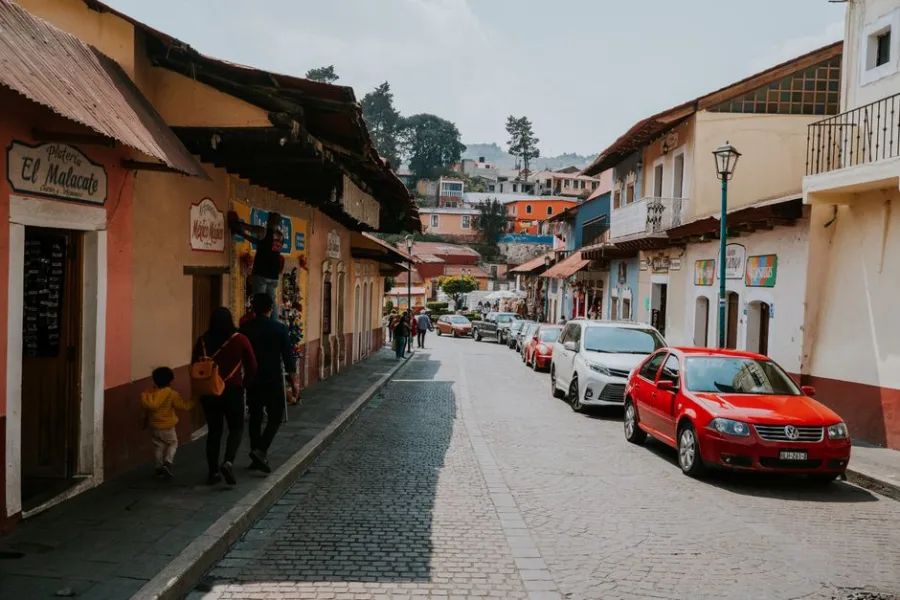
Walking down the main avenue of Arriaga, the first thing that catches the eye is the line of wooden storefronts that line the street. Built from locally sourced pine and cedar, these modest structures are painted in faded pastel tones that have weathered the tropical heat. Inside, you will find family‑run bodegas, tiny tailor shops, and modest cafés that have served the same neighborhood for generations. The simplicity of the façades reflects a pragmatic approach to construction in a region where resources are often limited, yet the craftsmanship remains evident in the hand‑carved lintels and sturdy shutters.
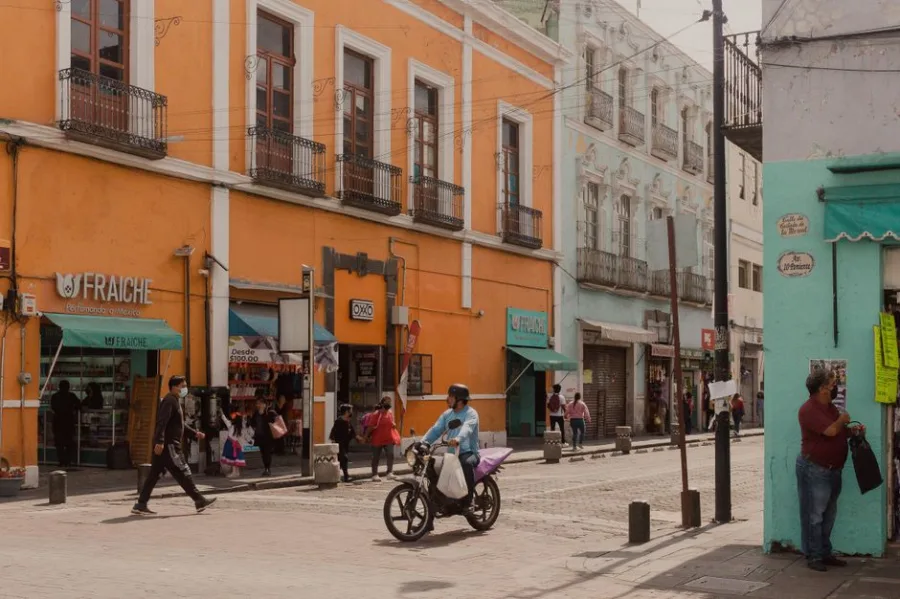
These shops are more than retail points; they act as community gathering spots where neighbors pause to exchange news. A typical morning may begin with a patron ordering a steaming café de olla at the corner stall, while the shopkeeper arranges fresh produce from the nearby farms. The rhythm of opening doors at sunrise and closing after the late afternoon heat mirrors the agricultural calendar that still dominates much of the surrounding Chiapas highlands.
Murals as Community Narrative
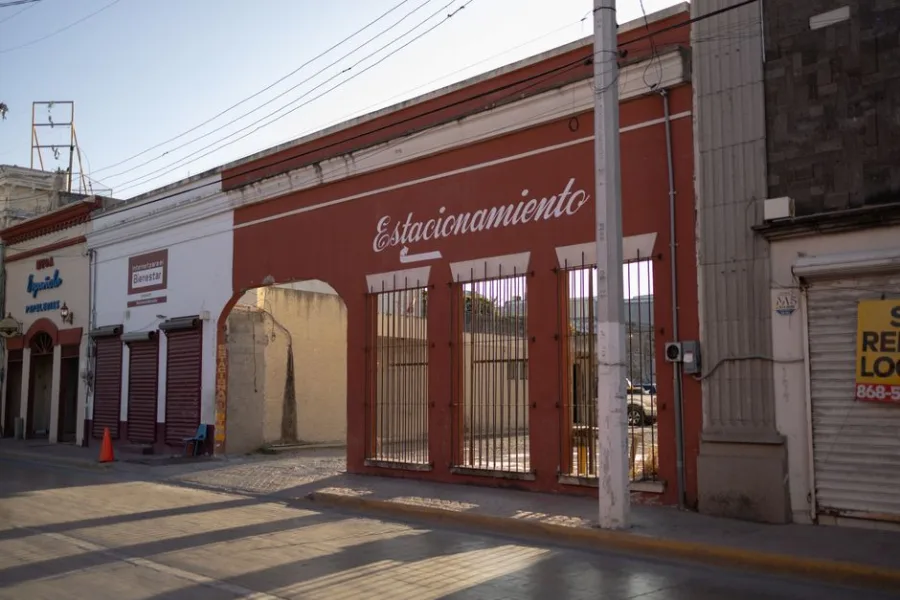
Just a few blocks from the market, the town’s walls burst into color. Large vibrant murals depict scenes of daily labor, indigenous symbolism, and historic moments that tie Arriaga to the broader story of the Chiapas border region. Local artists, often self‑taught, use these public canvases to comment on issues ranging from migration to environmental stewardship. One mural shows a group of women carrying woven baskets, a nod to the tianguis tradition that still thrives on market days.
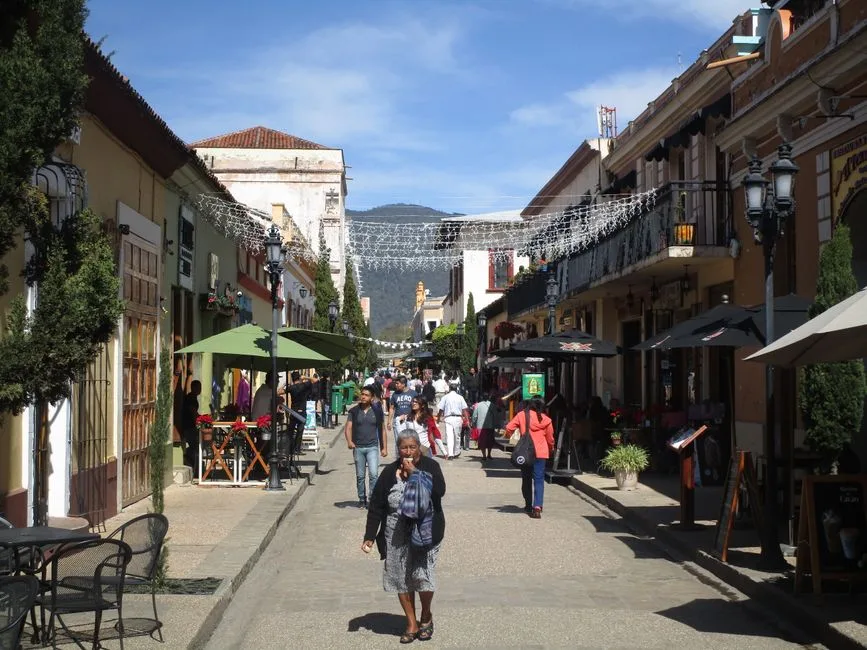
The artwork is not merely decorative; it serves as a visual dialogue. Residents point to specific panels when discussing community projects, and visitors quickly learn that the murals are a living archive of collective memory. The colors—deep ochres, turquoise blues, and bright magentas—contrast sharply with the muted wood of the storefronts, creating a dynamic visual tension that underscores the town’s blend of tradition and contemporary expression.
The Border Market Pulse
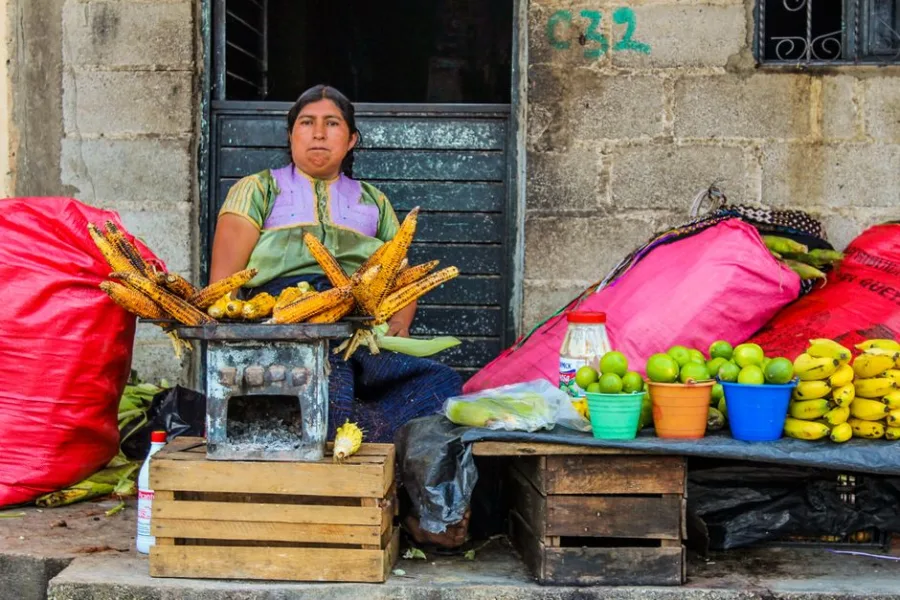
Arriaga sits in the municipality of the same name, directly on the border with Guatemala. This position gives the town a distinct border market dynamics that influence everyday life. Trucks and small vans cross the frontier daily, bringing in agricultural goods, textiles, and handcrafted items that populate the local market. While the official market operates on set days, informal stalls appear along the streets whenever a shipment arrives, turning the whole town into a temporary bazaar.
For travelers, observing the market flow offers insight into regional trade patterns without needing a guided tour. Vendors arrange their wares on wooden tables, and the scent of roasted corn mingles with that of fresh fruit. The market’s pulse slows in the afternoon, allowing residents to retreat to the shade of the wooden awnings, where conversations linger over shared stories of family, work, and the occasional news from across the border.
Observing Everyday Life
To experience Arriaga authentically, move at the pace of its residents. Start early, when the daily rhythms of shopkeepers and street artists are most visible. Take note of the subtle gestures: a nod from a vendor acknowledging a regular customer, the way a child darts between stalls, or the quiet pause of an elder watching a new mural being painted.
Respect is paramount. Ask permission before photographing a mural up close, and be mindful that many storefronts are family‑run businesses where privacy is valued. Simple gestures—such as greeting shop owners with a friendly "Buenos días"—go a long way in fostering goodwill.
While Arriaga does not boast large tourist infrastructures, its modest wooden storefronts and expressive street art together provide a vivid snapshot of life on the Chiapas‑Guatemala frontier. The town’s visual language, from the weathered wood to the bold murals, tells a story of resilience, cultural exchange, and the everyday creativity that sustains its community.
Travel information can change. Confirm current entry requirements, opening hours and local guidance with official sources before your trip.

Comments 0
Share a helpful thought or question. Comments appear after review.
Be the first to share a thoughtful comment.
Leave a comment
Your email will not be displayed. Please keep comments relevant and respectful.