
- Destination
- Tunisia
- Collection
- Destinations
- Reading time
- 4 min
- Updated
- Nov 26, 2026
Olive Groves and the Landscape
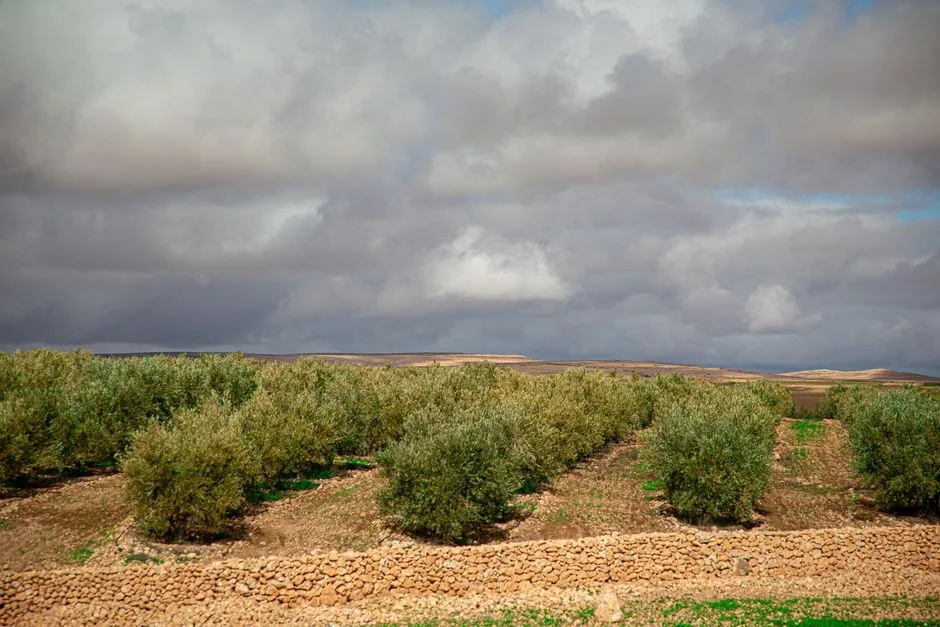
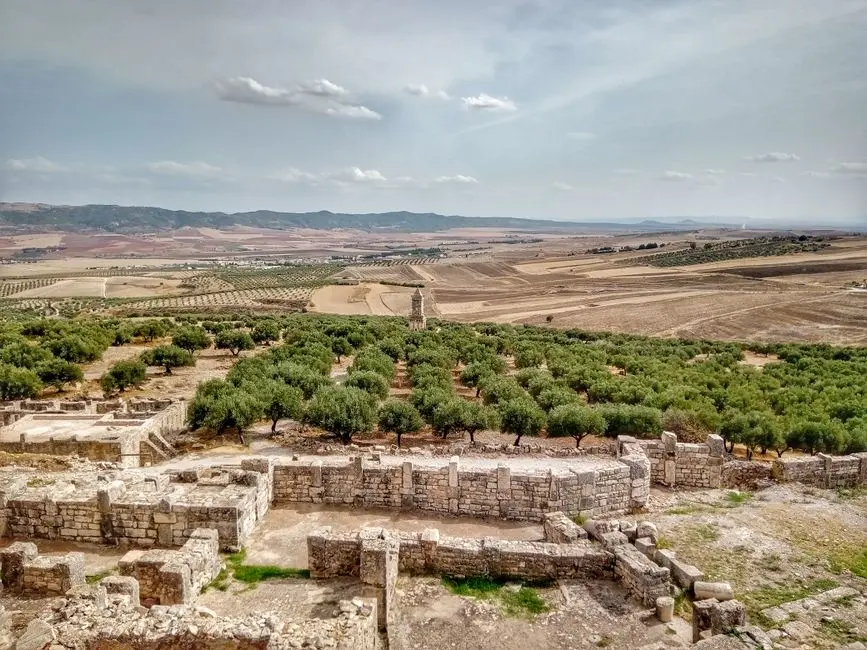
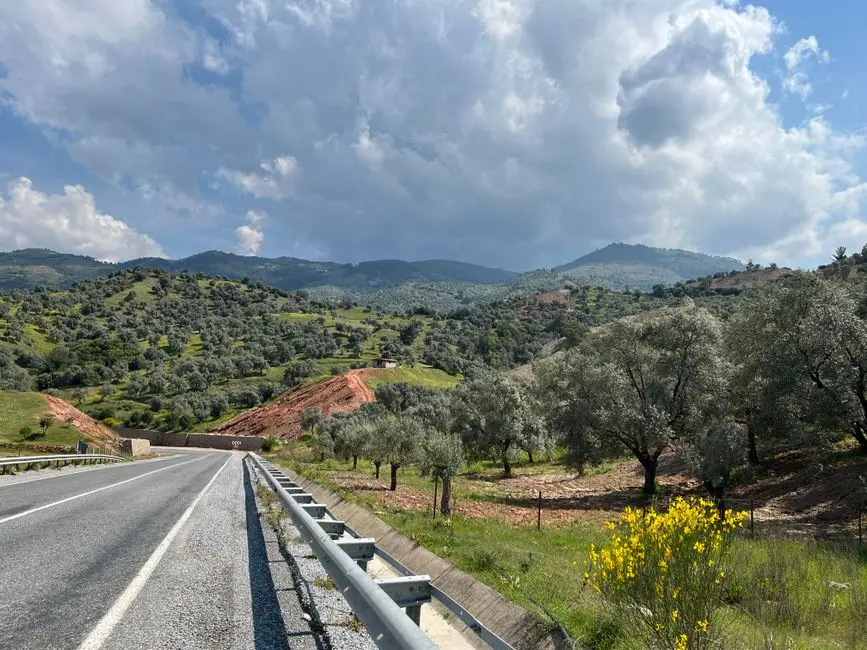
Meknassy sits in the heart of Tunisia’s central plateau, a part of the Kairouan Governorate known for its rolling hills dotted with ancient olive trees. The groves stretch for kilometres, creating a silvery‑green mosaic that defines both the visual character of the region and the daily life of its residents. Because the soil is calcareous and the climate semi‑arid, the zitoune (olive) thrives with minimal irrigation, producing a harvest that is both reliable and deeply embedded in the local economy.
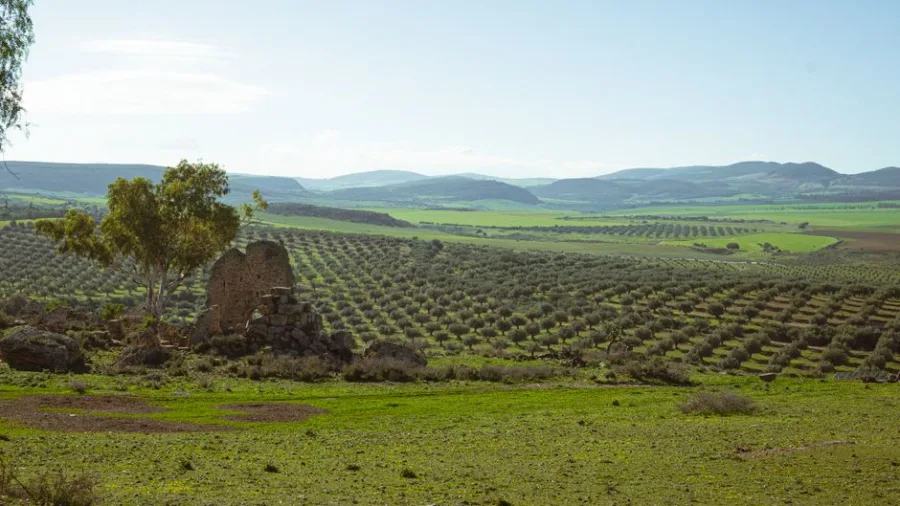
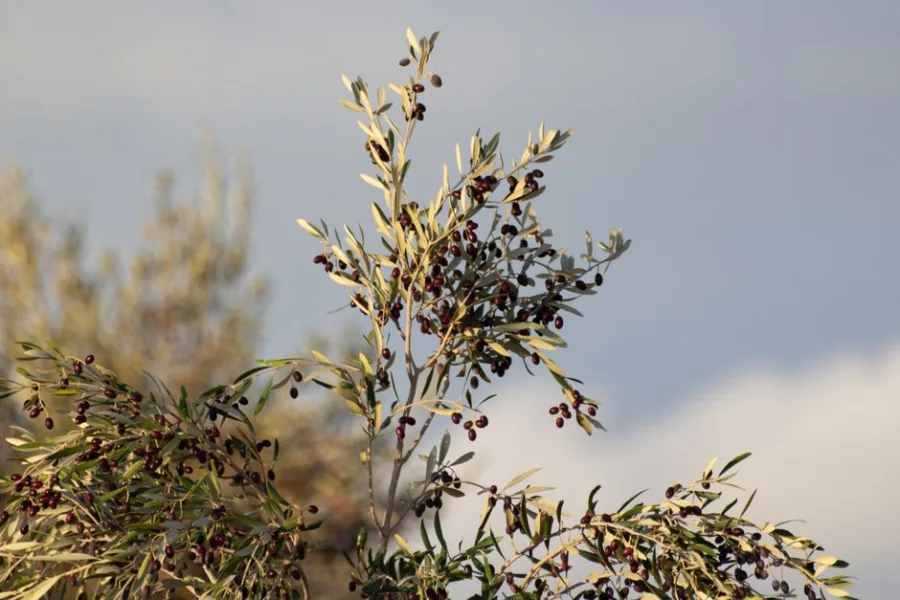
The presence of these trees influences more than scenery; it dictates the rhythm of work, the timing of meals, and the flavors that appear on family tables. In the early autumn, when the olives turn from bright green to a deep violet, the whole town shifts into a collective harvest mode. Even those who do not own an orchard join the effort, either by helping neighbours or by working in the family‑run cooperatives that process the fruit.
From Harvest to Kitchen
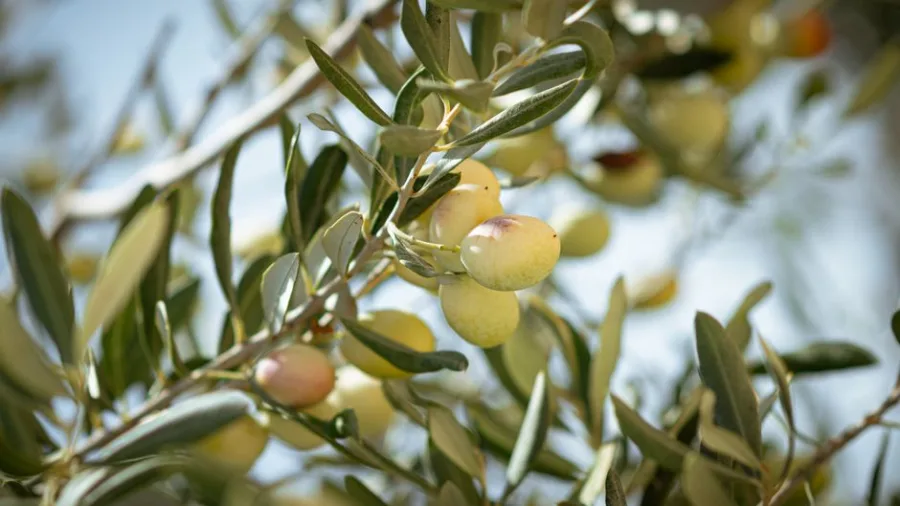
When the olives are finally gathered—often by hand, using traditional wooden rakes—the next step is pressing. Small, stone‑ground mills located on the outskirts of Meknassy crush the fruit, separating the oil from the pulp. The resulting olive oil pressed locally is a staple in every kitchen, prized for its peppery finish and high polyphenol content. Residents store it in dark glass bottles, and a single batch can last an entire year, providing a consistent base for cooking.
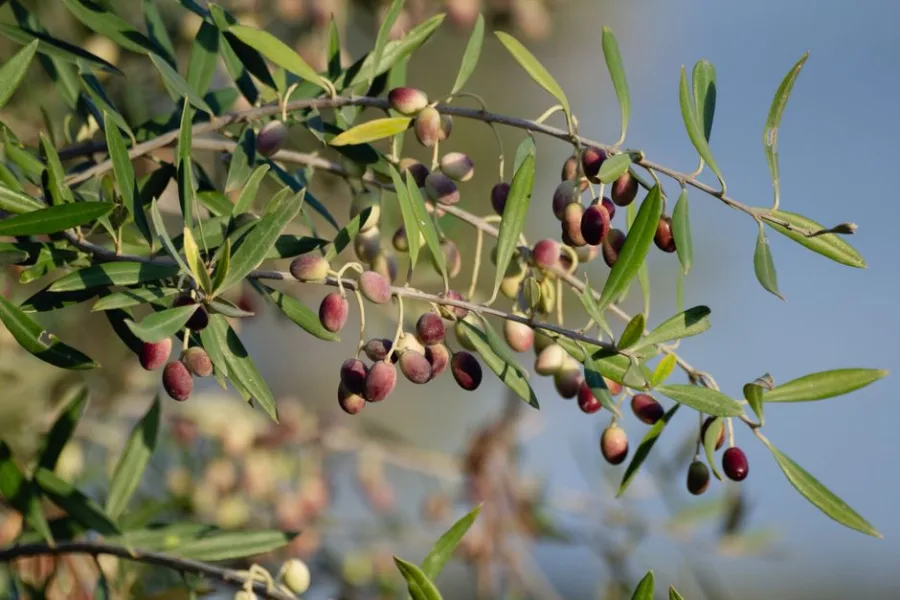
The oil is not only a cooking medium; it also appears in salads, drizzled over fresh bread, and used to preserve vegetables. One common practice is to submerge whole olives in their own oil, creating preserved olives that become a snack for children and a garnish for stews alike. The taste of these home‑preserved olives is unmistakable—briny, slightly bitter, and infused with the scent of the surrounding hills.
Seasonal Rhythms in Daily Life
Because the olive harvest is tied to a specific window—typically September through November—the town’s market schedule mirrors this cycle. Seasonal market stalls appear in the central square, offering not only fresh oil but also other products that have benefited from the olive season, such as herb‑infused cheeses and breads baked with olive‑oil dough. The market becomes a social hub where families exchange recipes, compare the quality of their oil, and plan meals for the colder months.
Winter in Meknassy is mild but dry, prompting households to rely on dishes that preserve the warmth of the harvest. Stews simmer for hours, allowing the oil to meld with slow‑cooked meats like kebda (lamb) and seasonal vegetables. The herb‑infused stews often include rosemary, thyme, and wild fennel that grow among the olive roots, creating a flavor profile that can only be described as “the hill itself on a plate.”
Spring brings a brief resurgence of fresh greens—wild arugula, purslane, and the occasional tender leaf from the olive trees themselves. These are quickly tossed with a splash of oil and a squeeze of lemon, a dish that celebrates the return of light after the harvest lull. By late spring, the community begins preparing for the next cycle, pruning trees and planting new saplings, ensuring that the grove will continue to feed both the land and the kitchen.
Cooking Traditions Rooted in the Soil
The everyday meals of a meknassi household are a study in simplicity and sustainability. A typical dinner might start with a bowl of lentil soup, enriched with a drizzle of olive oil pressed locally, followed by a main course of grilled fish or roasted chicken brushed with the same oil and seasoned with locally foraged herbs. Side dishes often feature olives—either whole, sliced, or turned into tapenade—providing a constant reminder of the grove’s bounty.
Bread, baked in communal ovens that still operate on wood from the olive groves, carries the faint aroma of smoke and resin. When broken, it is used to scoop up sauces, ensuring that no drop of flavor is wasted. Even desserts reflect the olive influence; honey‑drizzled figs and almond pastries are sometimes brushed with a thin layer of oil to add moisture and a subtle earthiness.
Overall, the olive‑grove landscape of Meknassy does more than supply a product; it shapes a cultural rhythm that aligns work, market activity, and the very composition of meals. By respecting the seasonal cadence of the trees, residents maintain a culinary heritage that is both resilient and deeply connected to the land. The result is a cuisine that feels timeless, rooted in the hills, and ever‑present on the family table.
Travel information can change. Confirm current entry requirements, opening hours and local guidance with official sources before your trip.
Comments 0
Share a helpful thought or question. Comments appear after review.
Be the first to share a thoughtful comment.
Leave a comment
Your email will not be displayed. Please keep comments relevant and respectful.