
- Destination
- Wallis and Futuna
- Collection
- Food
- Reading time
- 3 min
- Updated
- Nov 27, 2026
Volcanic Soil and Root Crops
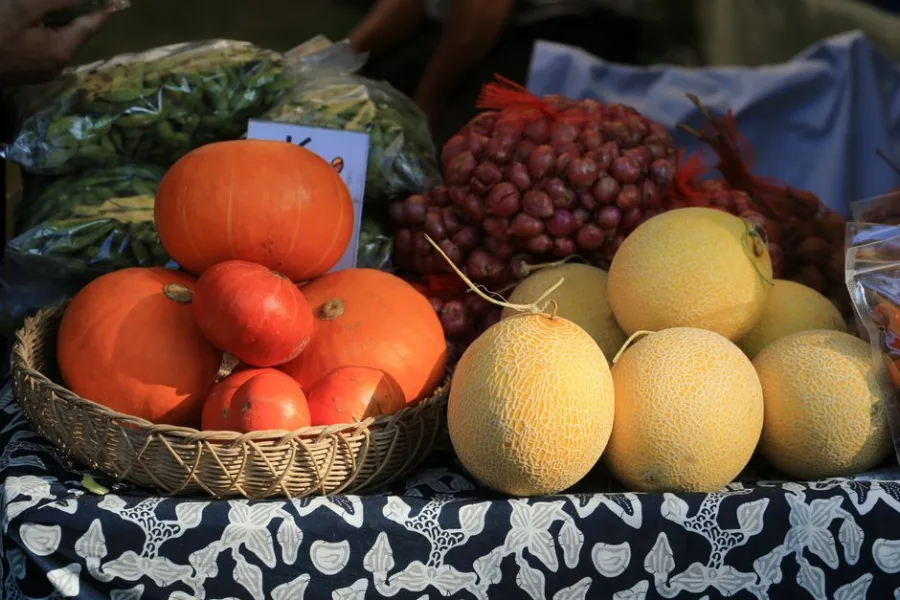
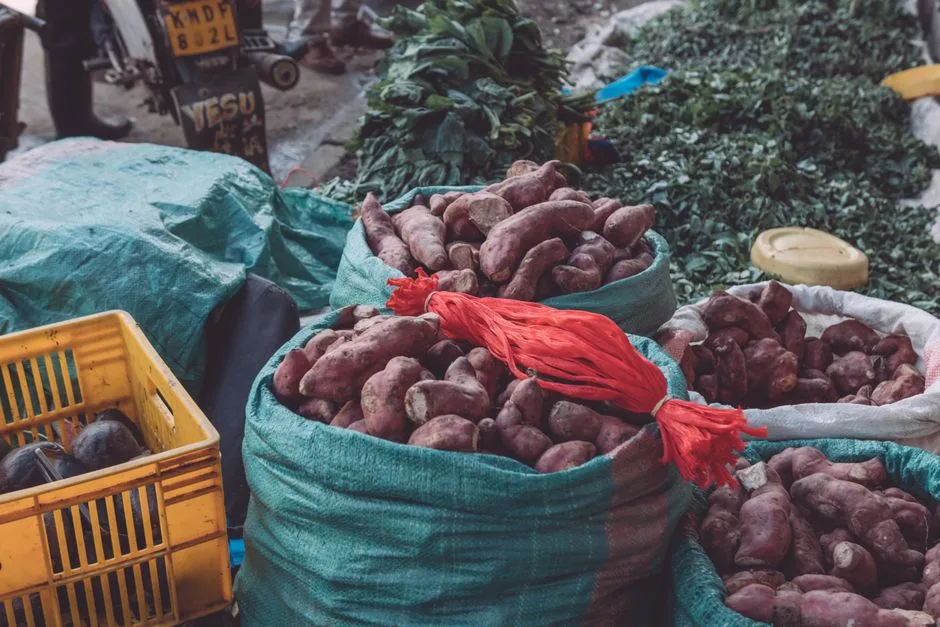
Alo sits on the western side of Futuna, a volcanic island whose basaltic foundations create volcanic fertility that supports a limited but resilient range of crops. The most common staples are taro, yams, and breadfruit, all of which thrive in the well‑drained, mineral‑rich soils near the coast. Farmers often plant these crops on small family plots that slope gently toward the sea, allowing rainwater to flow through the volcanic layers and retain moisture for the root vegetables. Because the island’s terrain limits large‑scale agriculture, households rely on seasonal reliance and inter‑generational knowledge of planting cycles.
Coastal Bounty and Daily Fish
The coastline of Alo is rugged, with cliffs interspersed by sheltered bays where reef fish gather. Daily meals frequently feature fresh reef fish such as trevally, parrotfish, and small tuna that are caught by local fishers using hand‑lines or simple nets. The proximity of the sea means that fish is often the protein of choice, especially for lunch and dinner. When the tide is low, families may also collect shellfish, sea urchins, and edible seaweed, adding texture and nutrients to their plates. The reliance on the ocean is balanced by the modest production of root crops, creating a diet that is both protein‑rich and carbohydrate‑sustaining.
Traditional Cooking Techniques
Alo’s culinary practices are shaped by the island’s natural resources. The most iconic method is the earth oven umu, a communal pit where heated stones cook food slowly under layers of banana leaves. While the term umu is widely understood across Polynesia, in Futuna it often incorporates locally sourced volcanic stones that retain heat for hours. For quicker meals, fish may be grilled over open fire or wrapped in fai (large leaves) and steamed, preserving the delicate flavor of the sea. Coconut milk, extracted from the abundant coconuts that fringe the coast, is used to enrich sauces and soups, adding a subtle sweetness that complements the earthy vegetables.
Everyday Meals in Alo
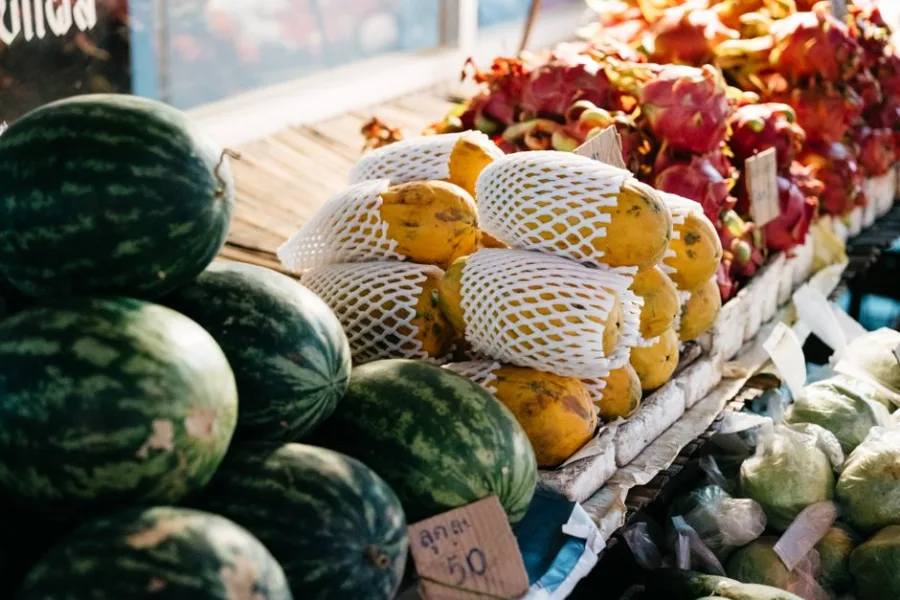
A typical breakfast in Alo might consist of boiled taro slices with a drizzle of coconut cream, providing steady energy for the morning’s chores. Lunch often features a simple plate of grilled fish, a side of boiled yams, and a fresh salad of lettuce and cucumber, all seasoned with a splash of lime juice. Dinner may bring the community together around an umu, where taro, breadfruit, and fish are layered together, allowing the flavors to meld. Throughout these meals, the emphasis is on simple, balanced plates that reflect the island’s reliance on what the land and sea readily provide. The modest scale of production encourages sharing, and meals are frequently enjoyed with family members gathered around a low table, reinforcing social bonds as much as nutritional needs.
Adapting to Modern Influences
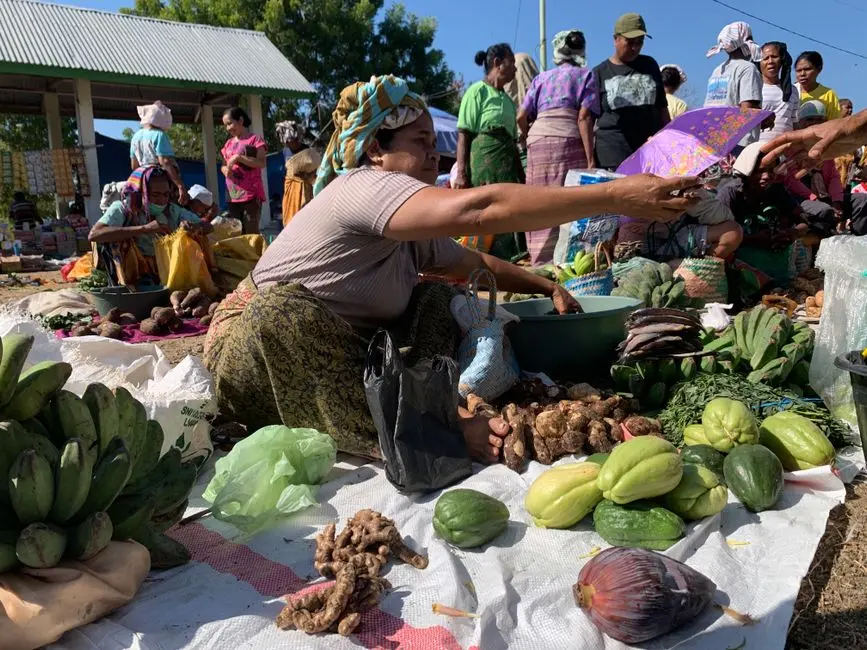
While imported goods have become more available in recent years, many households in Alo continue to prioritize locally sourced ingredients. The volcanic landscape limits large‑scale imports of fresh produce, so the community’s food system remains largely self‑sufficient. When external foods are used, they are typically incorporated in ways that respect traditional flavors—such as adding a few canned beans to a vegetable stew or using rice as a complement to fish. This careful integration ensures that the coastal and volcanic character of Alo’s cuisine endures, even as the island gradually connects with broader markets.
Travel information can change. Confirm current entry requirements, opening hours and local guidance with official sources before your trip.
Comments 0
Share a helpful thought or question. Comments appear after review.
Be the first to share a thoughtful comment.
Leave a comment
Your email will not be displayed. Please keep comments relevant and respectful.