
- Destination
- Faroe Islands
- Collection
- Culture
- Reading time
- 4 min
- Updated
- Nov 26, 2026
A living landscape of turf
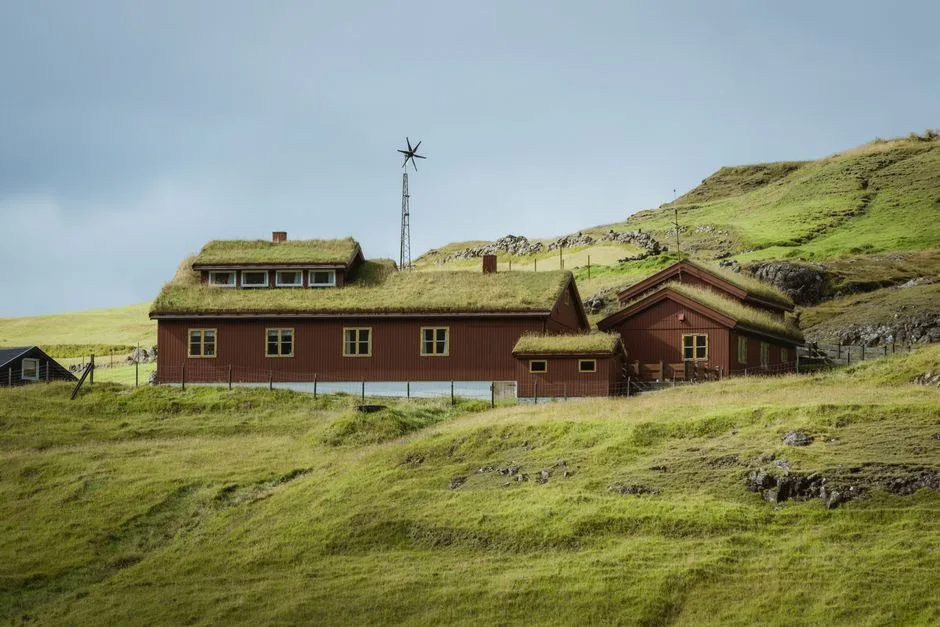
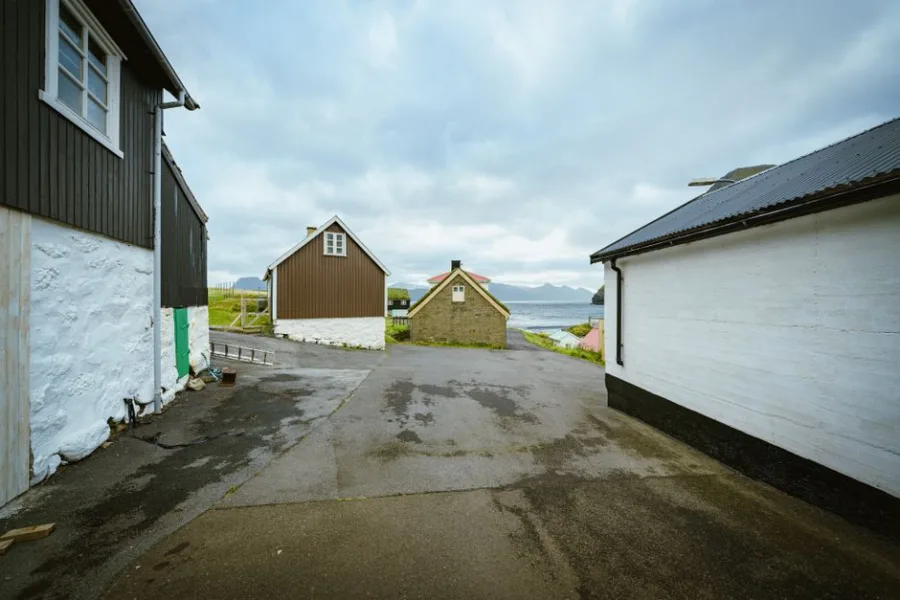
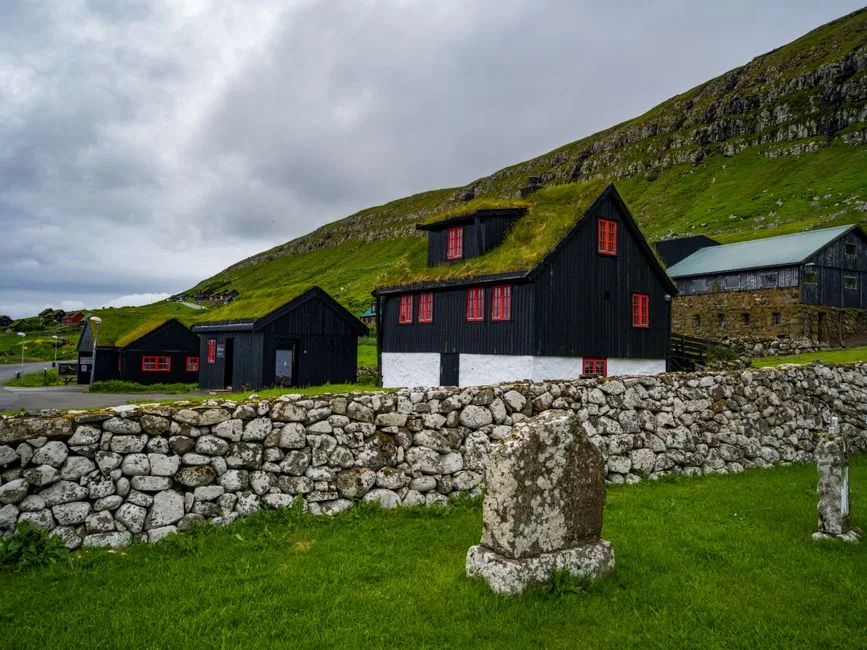
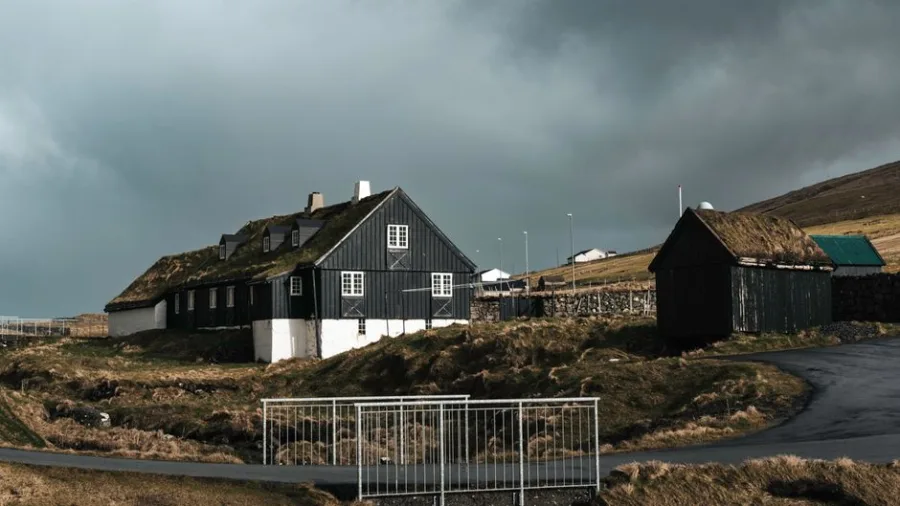
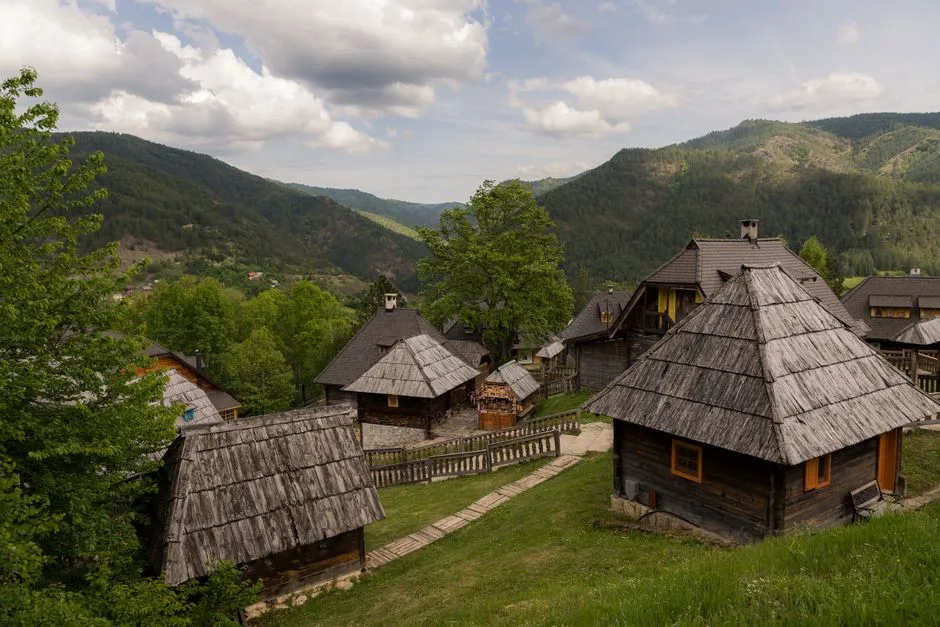
Vágur sits on the southern coast of Suðuroy, one of the Faroe Islands’ most rugged islands. While the harbor and fishing fleet dominate the modern skyline, the village’s older streets are lined with hús whose roofs are covered in thick layers of torv. These turf‑roofed houses are not museum pieces; they are functional homes that have been maintained and adapted over generations. The turf acts as a natural blanket, providing energy‑efficient insulation that keeps interiors warm in winter and cool in summer, a benefit that modern construction still strives to match.
How turf roofs shape daily routines
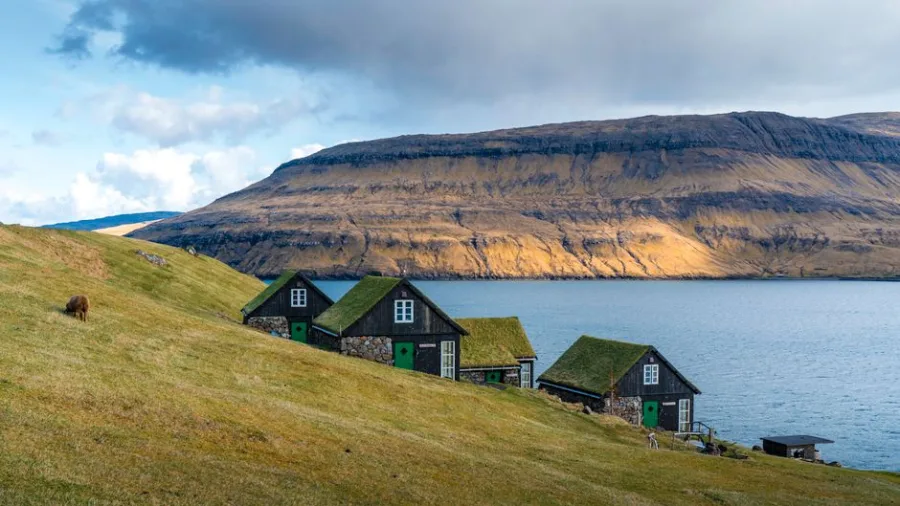
Living under a turf roof influences everyday life in subtle but tangible ways. Heating a home often relies on a small wood‑burning stove, and the thick roof slows heat loss, meaning families can keep the fire modest and still stay comfortable. This efficiency reduces the need for frequent fuel deliveries, a practical advantage on an island where supplies arrive by boat. The roof’s weight also demands regular maintenance; community members traditionally gather in the spring to repair the turf, a task that reinforces community identity and creates a rhythm of collective stewardship.
Preserving the heritage
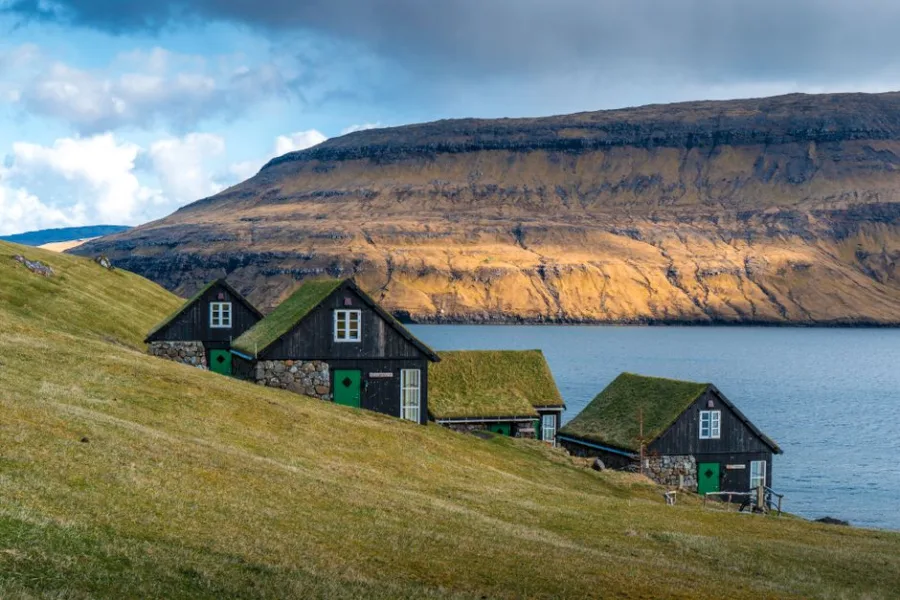
The Faroese government recognises turf‑roofed houses as part of the cultural landscape, and local building regulations encourage preservation rather than demolition. Homeowners who wish to modernise must balance new windows or insulation with the roof’s structural integrity, often consulting craftsmen who understand the sustainable building tradition passed down through apprenticeships. In Vágur, a modest number of these houses have been converted into guest rooms or small cafés, allowing visitors to experience the ambience without compromising authenticity. The village’s layout, with narrow lanes and stone walls, forms a walkable heritage trail that invites both residents and tourists to pause and observe the craftsmanship.
Visiting Vágur responsibly
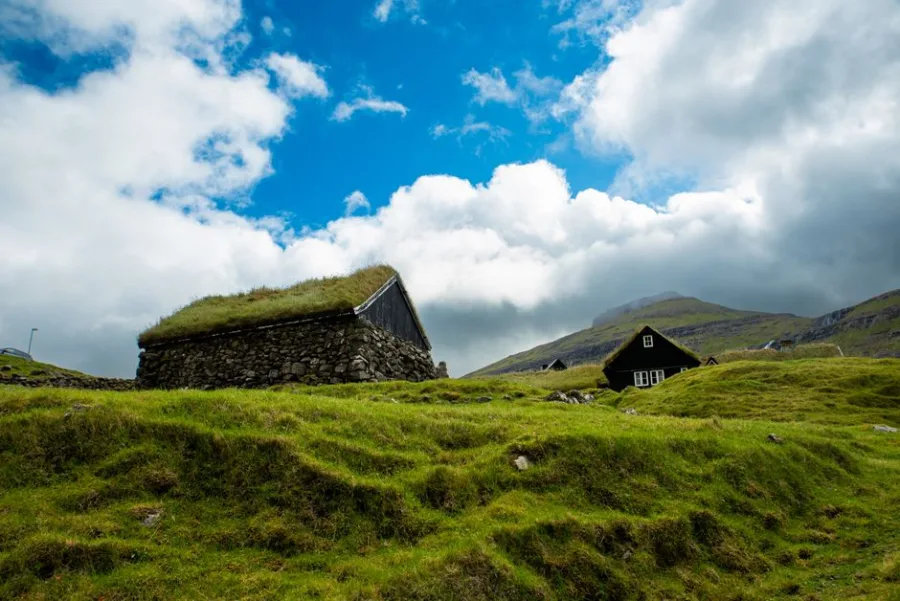
For travelers interested in seeing turf‑roofed houses, the most straightforward approach is to stroll along the main road that runs parallel to the harbour. Many of the older homes are visible from the street, and a short detour onto the pedestrian paths behind the houses reveals the full profile of the turf layers. When photographing, be mindful to respect local customs: avoid intruding on private courtyards and ask permission before entering a property. Local shops and the harbour café provide a natural place to rest and reflect on how the architecture integrates with the surrounding landscape, offering a tangible sense of how Vágur’s residents live in harmony with their environment.
The broader context of Faroese architecture
Vágur’s turf roofs are a micro‑cosm of a wider Faroese practice that dates back centuries. Across the islands, similar structures can be found in villages such as Tvøroyri and Hov. The common thread is a reliance on locally sourced materials—wood for the frame, peat and grass for the roof—reflecting an adaptation to a climate where imported building supplies were historically scarce. While contemporary Faroese architecture increasingly incorporates glass and steel, the enduring presence of turf‑roofed houses in Vágur underscores a cultural resilience: a willingness to retain energy‑efficient insulation methods that have proven their worth over generations.
Everyday life under the turf
Beyond the practicalities, the aesthetic of a turf roof contributes to the village’s sense of place. The green‑brown mounds blend with the surrounding hills, creating a visual continuity that reinforces a feeling of belonging among residents. Children grow up seeing these roofs as the backdrop to daily activities—playing on stone steps, helping with roof repairs, or simply watching the weather change from the comfort of a warm living room. This continuity of experience is a reminder that architecture is not merely about structures, but about the lived narratives that unfold beneath them.
In sum, Vágur’s turf‑roofed houses offer more than a picturesque glimpse of the past; they are active participants in the community’s present. By understanding how these homes shape heating, foster community identity, and embody sustainable traditions, visitors gain a deeper appreciation for the everyday architecture that defines life on Suðuroy.
Travel information can change. Confirm current entry requirements, opening hours and local guidance with official sources before your trip.
Comments 0
Share a helpful thought or question. Comments appear after review.
Be the first to share a thoughtful comment.
Leave a comment
Your email will not be displayed. Please keep comments relevant and respectful.