

- Destination
- Cifuentes, Cuba
- Collection
- Culture
- Reading time
- 4 min
- Updated
- Nov 27, 2026
Morning routines in the courtyard
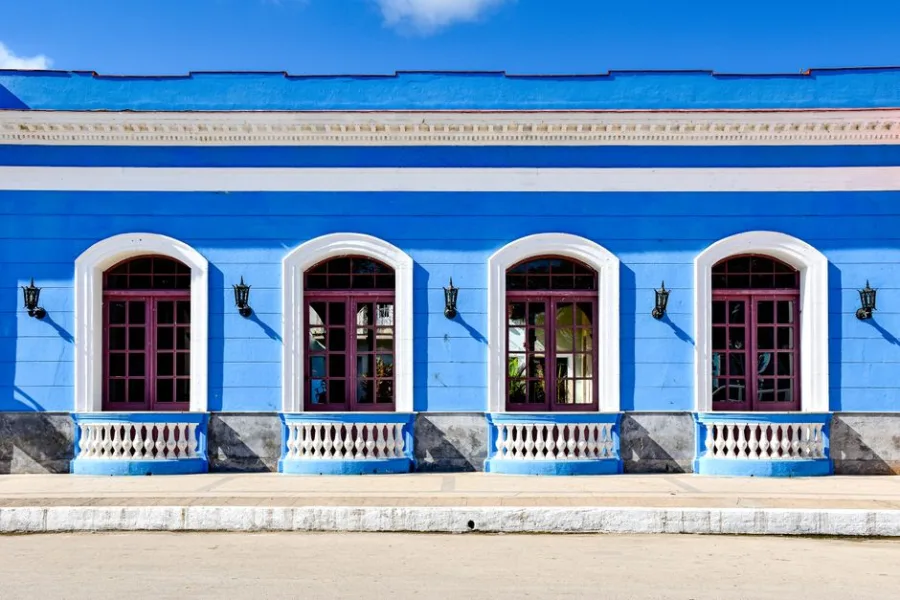
At dawn the modest colonial houses of Cifuentes open to the soft glow that filters through high‑ceilinged windows. Wooden shutters are pulled back, letting the humid air of the valley sweep across the patio. Residents begin the day with a cup of strong Cuban coffee, often brewed in a simple stovetop cafetera. The aroma mixes with the scent of tropical plants that line the courtyard, a reminder that the home is both a shelter and a small garden.
Children gather around the kitchen doorway, waiting for the first bite of toast or a slice of ripe banana. The rhythm of the morning is punctuated by the clatter of metal pots and the occasional call of a roosters from nearby farms. In many homes the living room doubles as a workspace, where a laptop or a radio sits beside a wooden table that has witnessed generations of family life.
Kitchen and family meals
The kitchen is the heart of the house. Most colonial homes retain a cocina built around a wood‑burning stove, though many have been upgraded with electric or gas burners. Meals are prepared with locally sourced staples: rice, beans, plantains, and fresh fish from the nearby rivers. The shared family table is where the day’s stories are exchanged, and where the older generation passes recipes to younger hands.
Evenings often feature a simple stew known locally as congri, a mixture of black beans and rice cooked slowly to allow flavors to meld. The preparation is a communal act; several family members may be chopping vegetables while others set the table. The modest size of the dining area encourages close conversation, and the low ceiling helps keep the room warm during cooler nights.

Social spaces and neighbor ties
Front porches, or verandas, serve as informal meeting points. Neighbors stop by for a brief chat, sharing news about the market, school, or the latest baseball game. These informal neighbor gatherings are a cornerstone of daily life, reinforcing a sense of belonging that extends beyond the family unit. Children play together in the narrow lanes, while elders sit on wooden chairs, watching the street rhythm.
The municipality’s central plaza is a short walk away, and many residents walk there daily to buy fresh produce, attend a church service, or simply enjoy the shade of the old ceiba tree. The walk itself is a social ritual; greetings are exchanged, and the pace is unhurried, reflecting the slower tempo that characterises life in this part of Villa Clara.

Preserving heritage while adapting
Maintaining a colonial house in Cifuentes requires regular upkeep. Wooden beams are treated against termites, plaster walls are repainted, and tiled roofs are repaired after the rainy season. At the same time, families incorporate modern comforts: a small refrigerator, a television, or a mobile phone charger. The challenge is to integrate these items without compromising the historic character of the home. Residents often describe this as a balancing act between tradition and comfort.
Local craftsmen are still called upon to repair original features such as wrought‑iron railings or decorative cornices. Their work helps keep the architectural identity of the town intact, even as younger generations consider moving to larger cities. Community initiatives occasionally organize workshops on preservation, emphasizing that the modest colonial houses are not just shelters but tangible links to the town’s past.
In practical terms, the daily rhythm of Cifuentes’ homes is shaped by the agricultural calendar and the modest pace of municipal services. Water is supplied from a communal reservoir, and electricity may be subject to scheduled outages. Residents plan chores—laundry, cooking, repairs—around these rhythms, demonstrating a resilient adaptability that has defined the town for decades.
Living in a modest colonial house in Cifuentes offers a blend of historic ambience and everyday practicality. The early sunrise coffee, the shared family table, and the informal neighbor gatherings together create a lived experience that is both rooted in heritage and responsive to modern needs. For visitors, observing this daily life provides a genuine glimpse into Cuban culture beyond the tourist‑focused streets of larger cities.
Travel information can change. Confirm current entry requirements, opening hours and local guidance with official sources before your trip.




Comments 0
Share a helpful thought or question. Comments appear after review.
Be the first to share a thoughtful comment.
Leave a comment
Your email will not be displayed. Please keep comments relevant and respectful.