
- Destination
- Prokuplje, Serbia
- Collection
- Culture
- Reading time
- 3 min
- Updated
- Nov 23, 2026
Morning Arrival
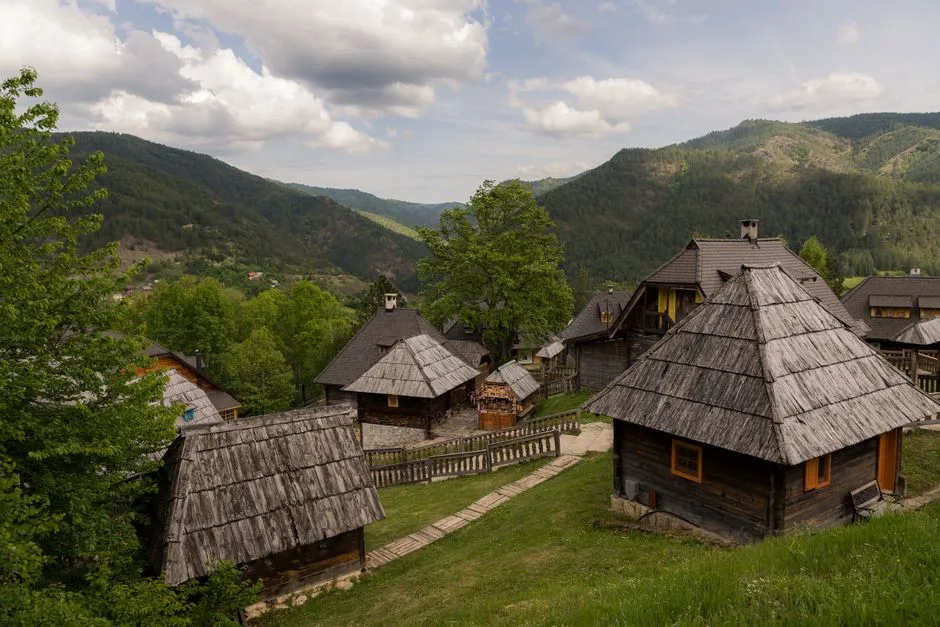
The journey to a Toplica village begins on a winding road that follows the gentle flow of the Toplica River. The district, administratively centred in Prokuplje, is characterised by rolling hills, orchards of plum and apple, and a climate that shifts from crisp spring mornings to warm summer afternoons. Buses from Prokuplje or Kuršumlija stop at the village square, where a modest wooden sign points to the kafana – the local tavern that doubles as a community hub.
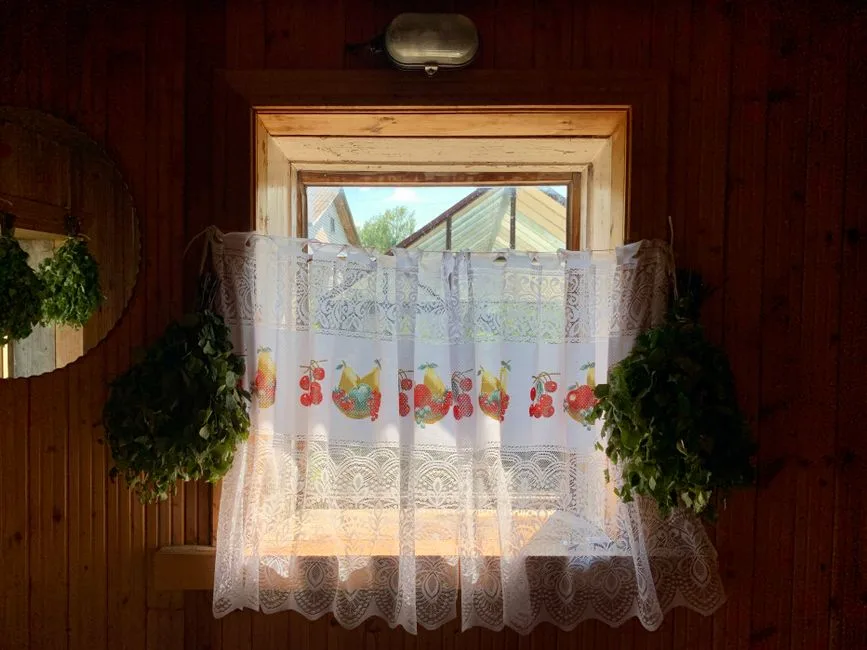
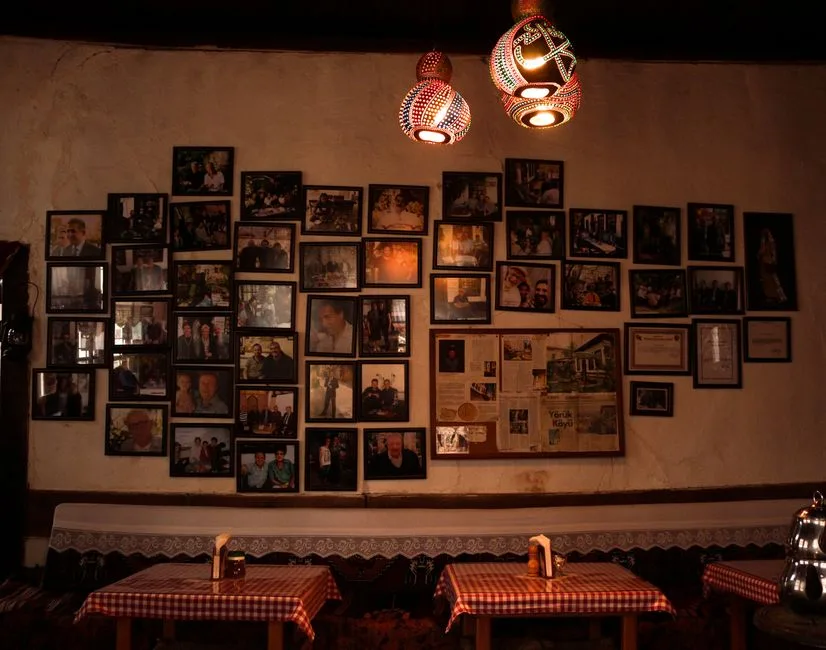
As you step inside, the scent of fresh bread and brewing coffee greets you. The interior is simple: low wooden tables, a stone hearth, and walls adorned with photographs of past harvest festivals. The owner, often a lifelong resident, offers a warm welcome that feels like an invitation to a family home rather than a commercial establishment.
The Kafana Setting
In the Toplica District, the kafana is more than a place to eat; it is a living archive of daily life. Its layout encourages lingering. Small groups gather around the central table, while solitary travelers find a seat at the bar, where the owner serves a steaming cup of Turkish‑style coffee. The rhythm of conversation is punctuated by the clink of glasses and the occasional burst of laughter.
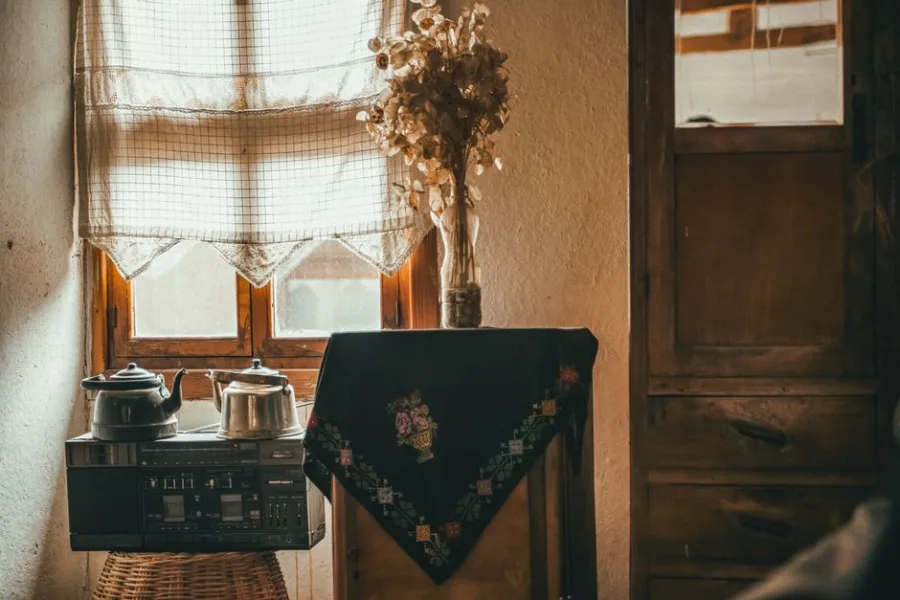
The décor reflects the region’s agricultural roots. Hand‑woven tablecloths display traditional patterns, and a shelf holds jars of homemade pickles, ajvar (red pepper relish), and dried figs. A modest radio plays folk tunes, and on special evenings, locals may bring a portable accordion for an impromptu kolo – a circle dance that reinforces communal bonds.
Meals and Rituals
Lunch arrives shortly after noon, typically a multi‑course affair that showcases the district’s culinary heritage. The first course is often a clear broth called čorba, seasoned with locally foraged herbs. This light starter is followed by a main dish of roasted pork or lamb, slow‑cooked with potatoes and seasonal vegetables. The meat is usually sourced from nearby farms, ensuring a home‑cooked fare that is both hearty and authentic.
Accompanying the food is a glass of rakija, the fruit brandy that is a staple of Serbian hospitality. The owner will often lead a brief rakija toast, raising the glass and inviting everyone to say a short blessing for health and prosperity. The ritual is informal but carries a deep sense of respect for tradition.
During the meal, conversation flows freely. Topics range from the weather and upcoming market days to stories of ancestors who once worked the same fields. This community chatter is a vital part of the experience; it reinforces social ties and provides a sense of continuity across generations.
Dessert is simple yet satisfying – a slice of baklava or a bowl of fresh fruit, usually plums harvested from the surrounding orchards. The meal concludes with a final cup of coffee, often served with a piece of local cheese and a drizzle of honey.
Evening Departure
As the sun begins to set, the kafana gradually quiets. Some patrons linger for a nightcap, sharing a final round of rakija while the owner recounts anecdotes about the village’s history. The atmosphere adopts a slow‑paced rhythm, allowing visitors to absorb the subtle nuances of rural life.
When it is time to leave, the owner typically sees you out, offering a parting phrase that translates to “Safe travels and return soon.” This parting wish encapsulates the underlying hospitality that defines the Toplica District: an openness that welcomes strangers as temporary members of the community.
A day spent in a Toplica village kafana offers more than nourishment; it provides insight into a social fabric woven from shared meals, ritualized toasts, and the steady cadence of everyday conversation. For travelers seeking authentic cultural immersion, the experience is a reminder that hospitality in this region is not a performance but a lived, everyday practice that sustains the community’s spirit.
Travel information can change. Confirm current entry requirements, opening hours and local guidance with official sources before your trip.

Comments 0
Share a helpful thought or question. Comments appear after review.
Be the first to share a thoughtful comment.
Leave a comment
Your email will not be displayed. Please keep comments relevant and respectful.