
- Destination
- Cluain Meala, Ireland
- Collection
- Culture
- Reading time
- 4 min
- Updated
- Nov 26, 2026
The limestone belt of Tipperary
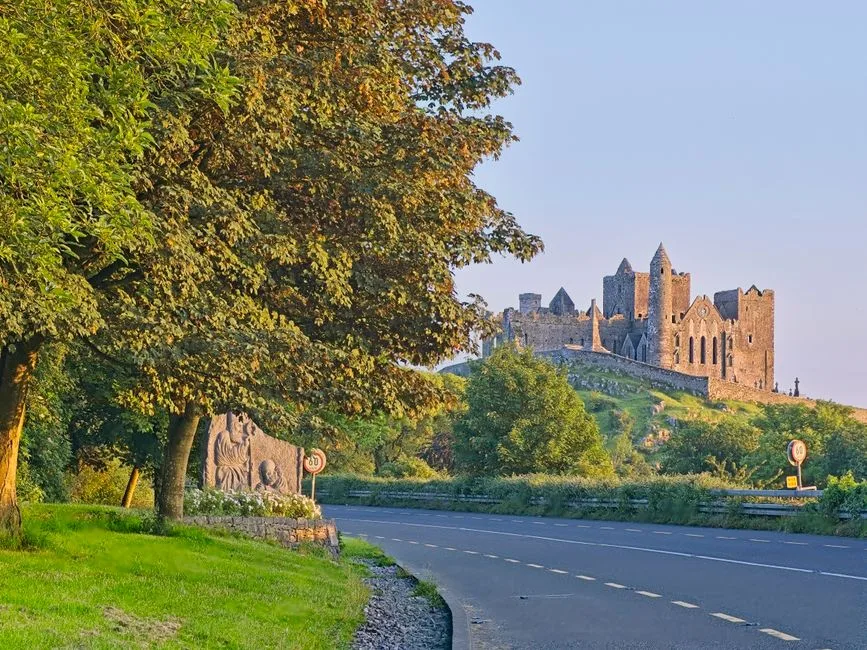
County Tipperary sits on a broad band of Carboniferous limestone that stretches from the River Shannon in the west to the foothills of the Galtee Mountains in the east. The rock is light‑gray to creamy‑white, often peppered with fossilised shells, and it weathers into a fine, workable material. Because the stone is so readily available, limestone is the default building material for everything from boundary walls to parish churches. The colour of the stone mirrors the sky on a clear day, giving the rural landscape a cohesive visual tone that is instantly recognisable.
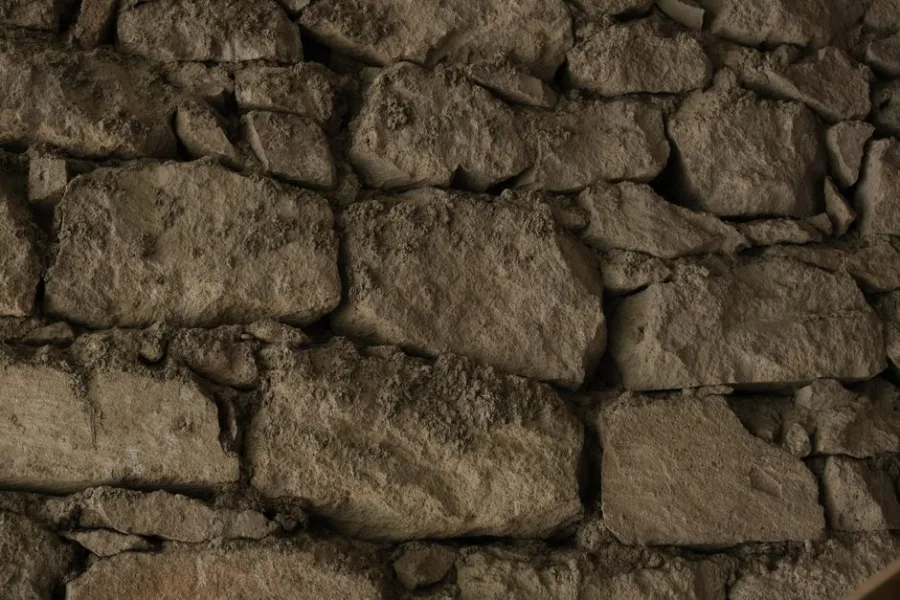
Dry‑stone walling as a community craft
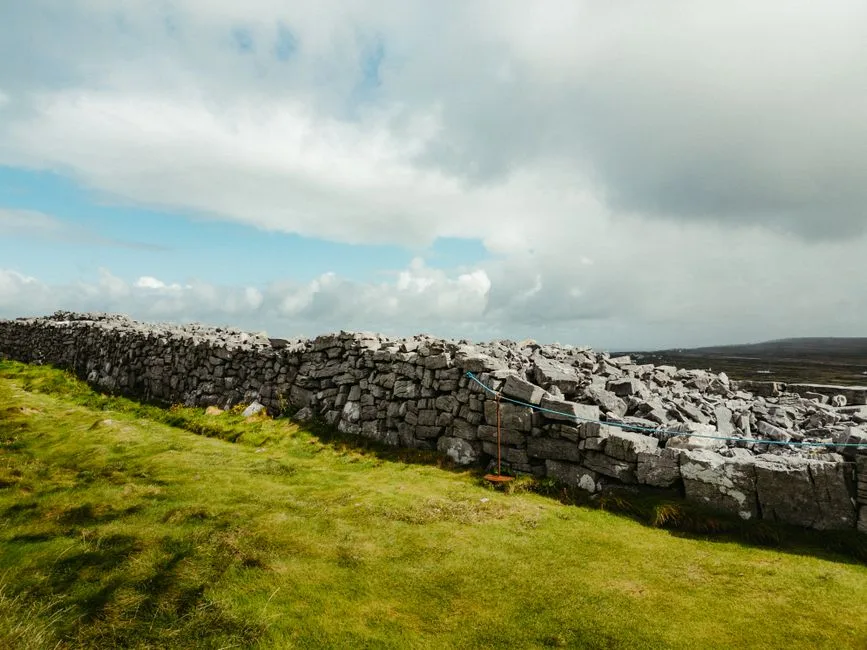
One of the most striking features of the Tipperary countryside is the network of dry‑stone walls that criss‑cross fields, hedgerows, and roadside verges. These walls are built without mortar; instead, masons select stones that fit together like a puzzle, relying on weight and friction for stability. The technique has been passed down through generations, and many local workshops still teach the skill to young people. Dry‑stone walling is a living skill that not only marks property boundaries but also provides habitats for insects, small mammals, and nesting birds. The walls are often topped with a low carrick—a deliberately placed stone that locks the structure in place and adds a subtle decorative touch.
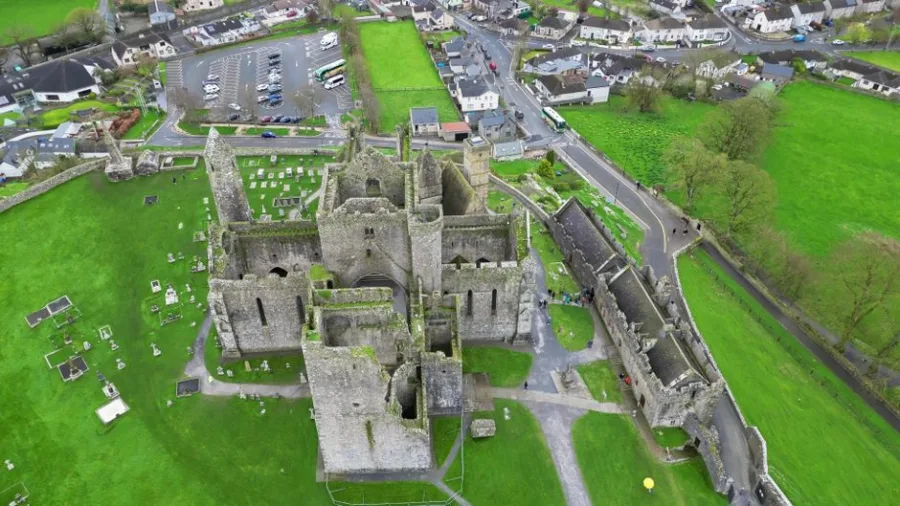
Farmhouses and outbuildings built from local stone
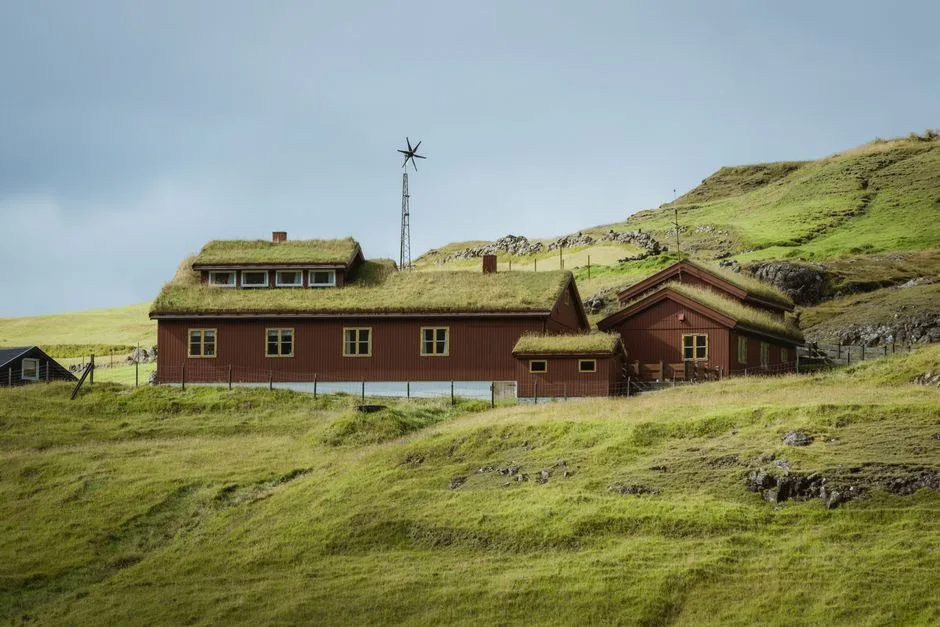
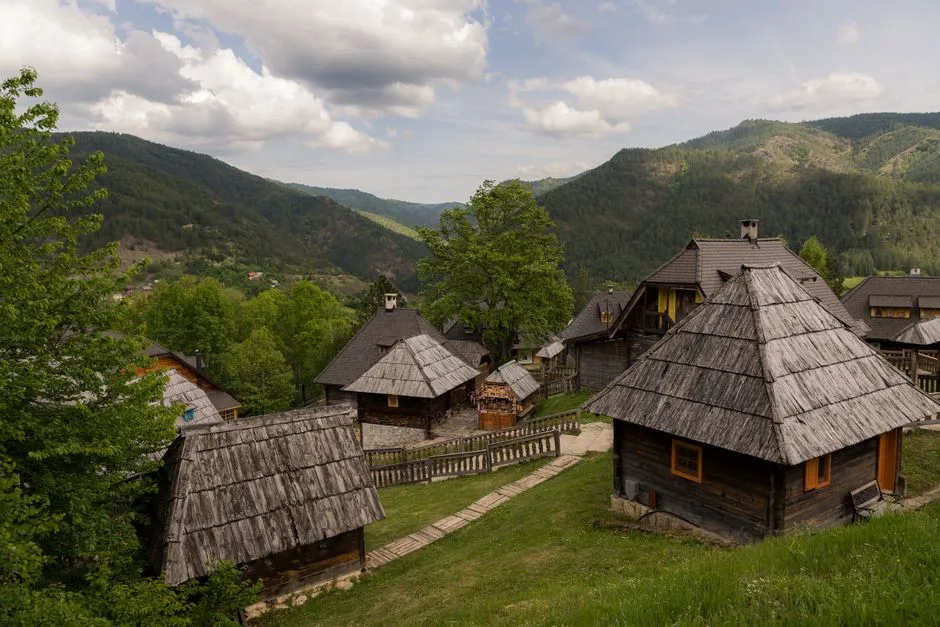
Typical farmhouses in North and South Tipperary are modest, two‑storey structures with thick limestone walls that regulate indoor temperature—cool in summer, warm in winter. Windows are set deep within the masonry, and rooflines are usually capped with slate or thatch, depending on local availability. Outbuildings such as barns, granaries, and cattle sheds follow the same construction logic: sturdy walls, simple rectangular plans, and minimal ornamentation. Local stone matches the landscape, so a farmhouse can appear almost as an extension of the surrounding hills. Inside, exposed stone walls are often left bare, offering a tactile reminder of the material’s durability.
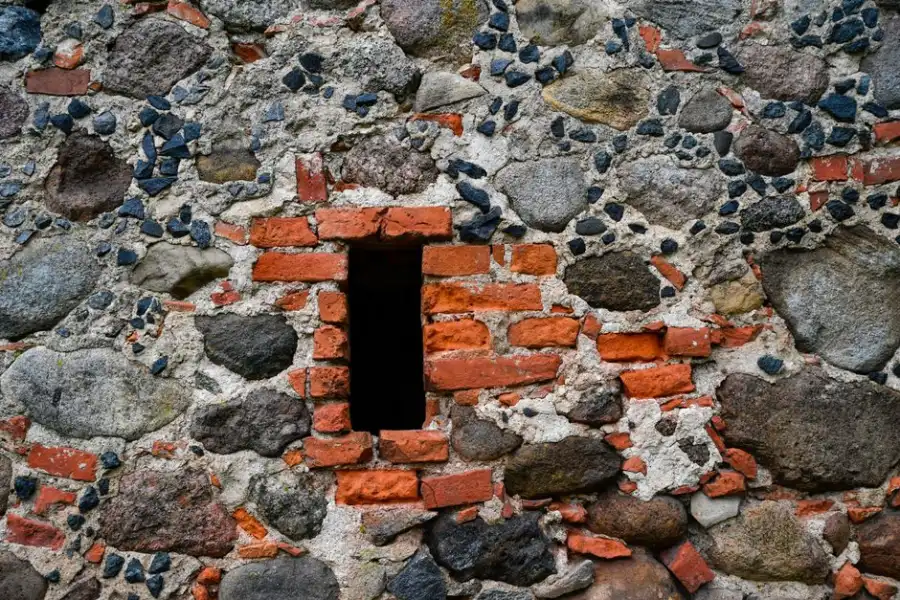
Architectural details that reflect the stone’s texture
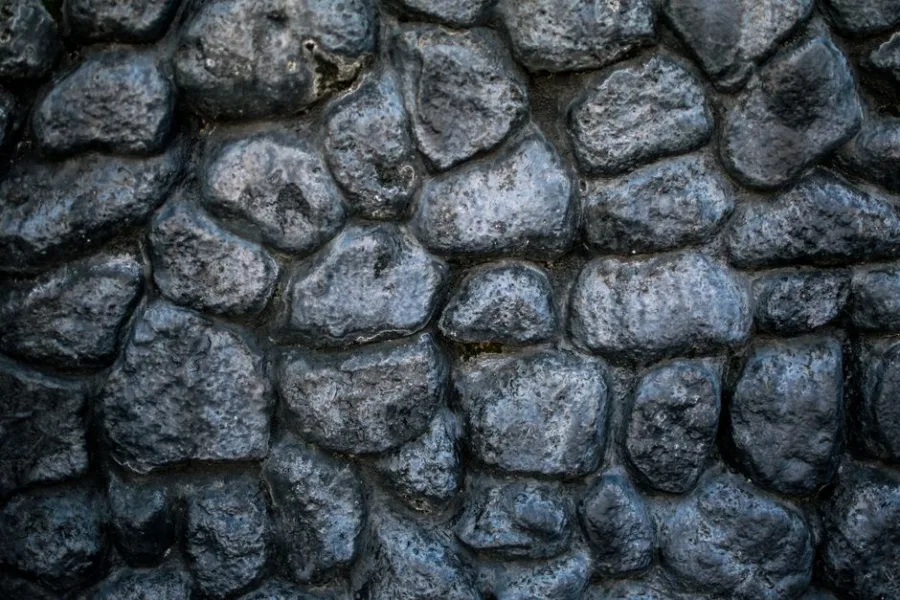
While the overall aesthetic is restrained, certain details reveal a nuanced relationship with the limestone. Door lintels and window sills are often carved from larger blocks, showcasing the stone’s natural grain. In some villages, you will notice clachan‑style stone cottages where the roof eaves overhang the walls by a few centimetres, protecting the masonry from rain splash. Chimneys are built from the same limestone, sometimes capped with a decorative stone slab that echoes the shape of the surrounding fields. These subtle touches demonstrate how builders adapt the stone’s texture to functional needs without compromising visual harmony.
Preserving the stone‑built landscape
Modern building regulations and the availability of cheaper concrete have reduced new stone construction, but many owners choose to repair rather than replace existing walls. Conservation groups in Tipperary promote the use of traditional lime mortar for any necessary repointing, ensuring that repairs remain breathable and compatible with the original limestone. Preserving stone heritage supports tourism, as walkers and cyclists often follow routes that highlight historic walls, stone bridges, and vernacular farmsteads. Local festivals sometimes feature stone‑carving demonstrations, reinforcing the cultural value of the craft.
Practical considerations for visitors and homeowners
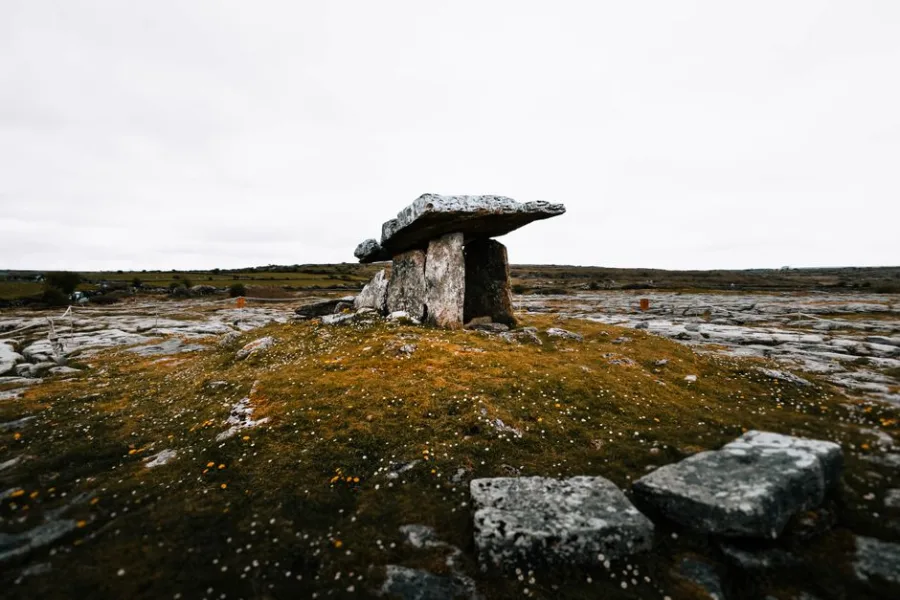
If you are planning a stay in County Tipperary, a walk along the R445 or a drive through the Golden Vale will reveal countless examples of limestone construction. For homeowners interested in maintaining a wall, the key steps are: (1) inspect for loose stones, (2) replace only those that are irreparably damaged, and (3) use a lime‑based mortar that matches the original colour. Professional dry‑stone masons are still active in towns such as Clonmel, Nenagh, and Cashel, and they can advise on both restoration and new builds that respect the local stone tradition.
Looking ahead
The limestone landscape continues to shape everyday life in County Tipperary. As climate change prompts a re‑evaluation of building materials, the low‑embodied‑energy nature of locally quarried stone may become an asset. Farm structures are designed for durability, and their thick walls provide a level of thermal mass that modern constructions often lack. By valuing the existing stone‑built environment and encouraging skill transmission, the county can keep its distinctive architectural character alive for future generations.
Travel information can change. Confirm current entry requirements, opening hours and local guidance with official sources before your trip.

Comments 0
Share a helpful thought or question. Comments appear after review.
Be the first to share a thoughtful comment.
Leave a comment
Your email will not be displayed. Please keep comments relevant and respectful.