
- Destination
- Colombia
- Collection
- Food
- Reading time
- 3 min
- Updated
- Nov 27, 2026
The Humble Huerto at Home
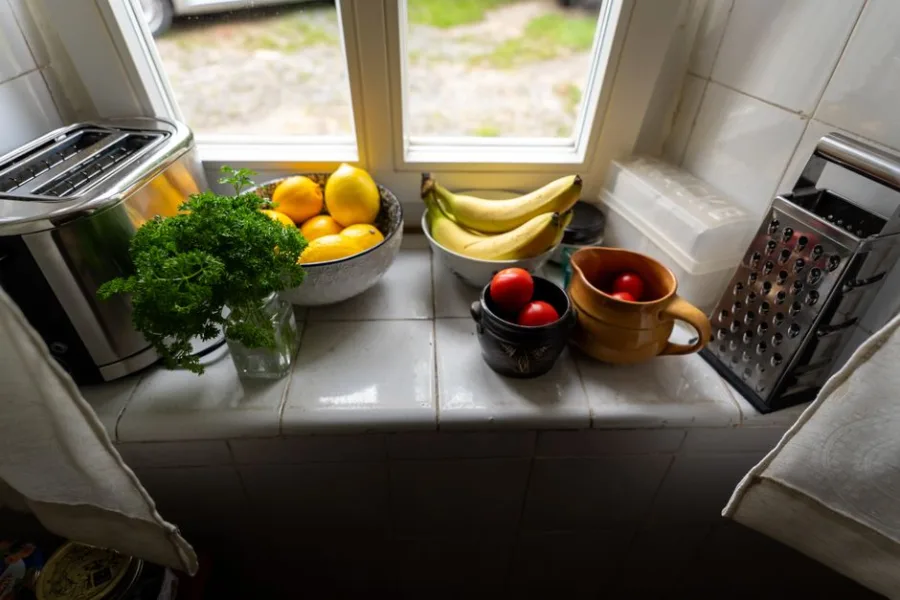
In the municipality of Güepsa, tucked among the rolling hills of the Santander Department, most households keep a modest kitchen garden. These plots, often no larger than a few square meters, sit beside the main house or under the shade of a mango tree. Families plant a mix of staples—tomatoes, peppers, onions, cilantro, and sometimes exotic fruit trees like guava or papaya. The garden is more than a source of food; it is a daily ritual that anchors the rhythm of life, especially when the market is a short bus ride away.
Fresh Produce Drives Daily Menus
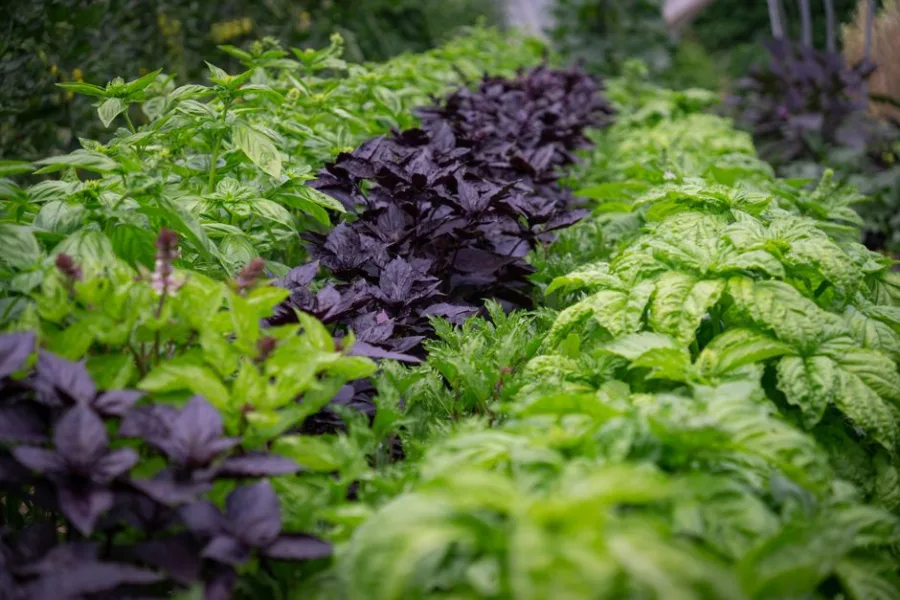
The bounty from the huerto appears on the table almost immediately after harvest. Fresh produce such as green tomatoes or tender cilantro is added to the simplest meals, turning a plain bean stew into a fragrant, layered dish. Breakfast often features arepa dough enriched with grated carrots or zucchini from the garden, while lunch may include a light salad of lettuce, radish, and a squeeze of lime. Evening meals, traditionally the main family gathering, frequently showcase a stew or cocina casera that relies on garden‑grown vegetables to provide depth without needing expensive spices.
Seasonal Cooking as a Community Practice
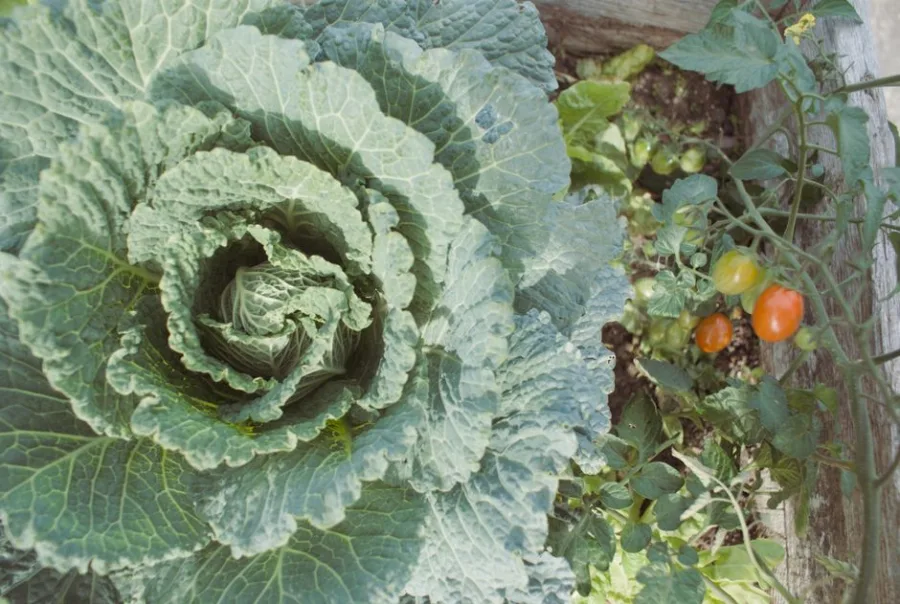
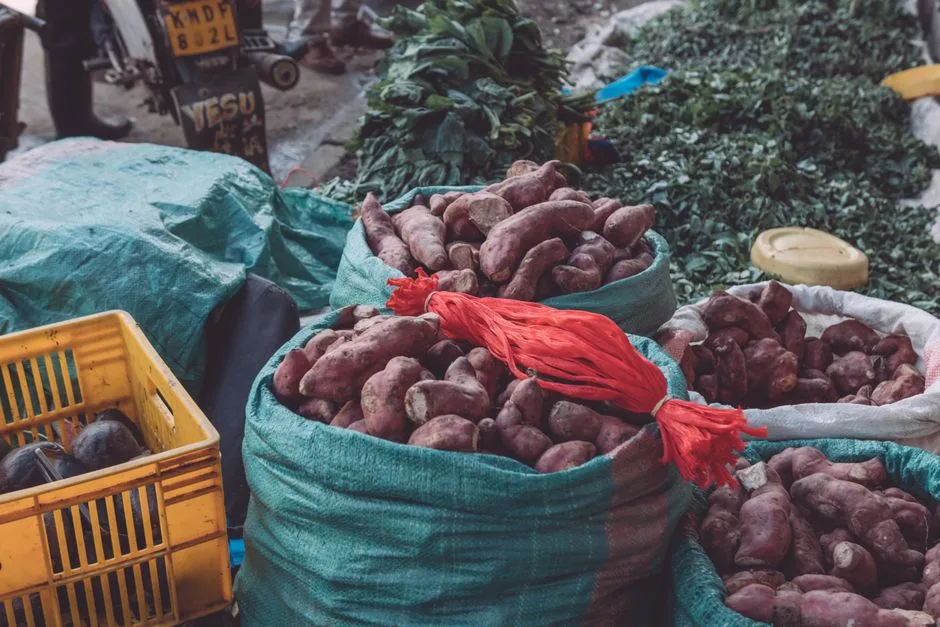
Güepsa’s climate, marked by a rainy season from April to November, dictates what can be grown and when. During the peak of the rains, leafy greens and beans flourish, prompting families to prepare hearty soups and sancocho that warm the body. In the drier months, root crops like yucca and sweet potatoes dominate, leading to baked or fried preparations. This seasonal cooking not only respects the land but also encourages community sharing; neighbors often exchange excess harvests, ensuring that no family goes without essential ingredients.
The Role of Kitchen Gardens in Cultural Identity
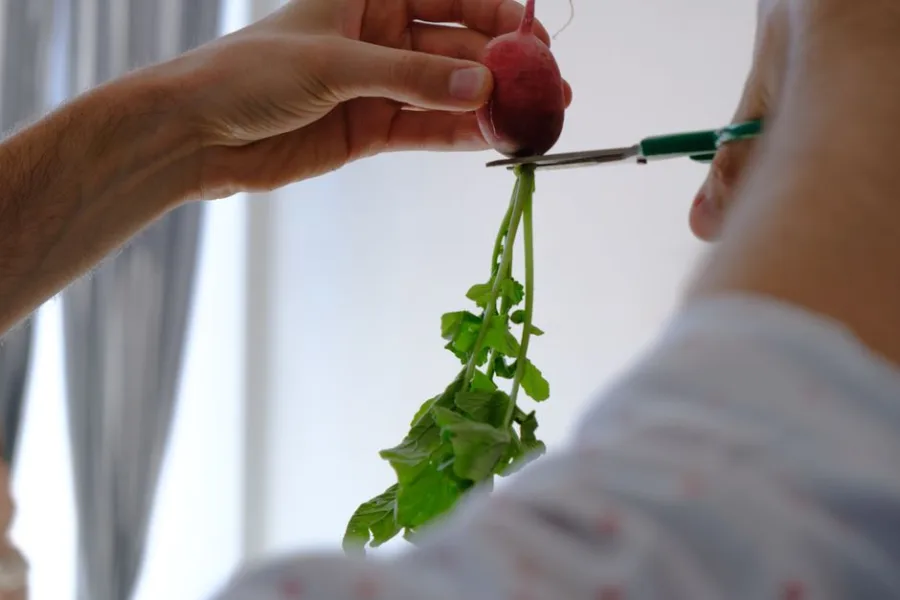
Beyond nutrition, the garden is a repository of cultural memory. Older generations pass down planting techniques—such as companion planting of basil with tomatoes—to younger members, preserving a body of knowledge that is both practical and symbolic. The act of tending the garden reinforces a sense of stewardship over the land, a value deeply embedded in the identity of Güepsa’s residents. When festivals arrive, dishes featuring garden produce—like a herb‑infused sopa de verduras—are served, highlighting local flavors that tourists rarely encounter elsewhere.
Practical Tips for Visitors
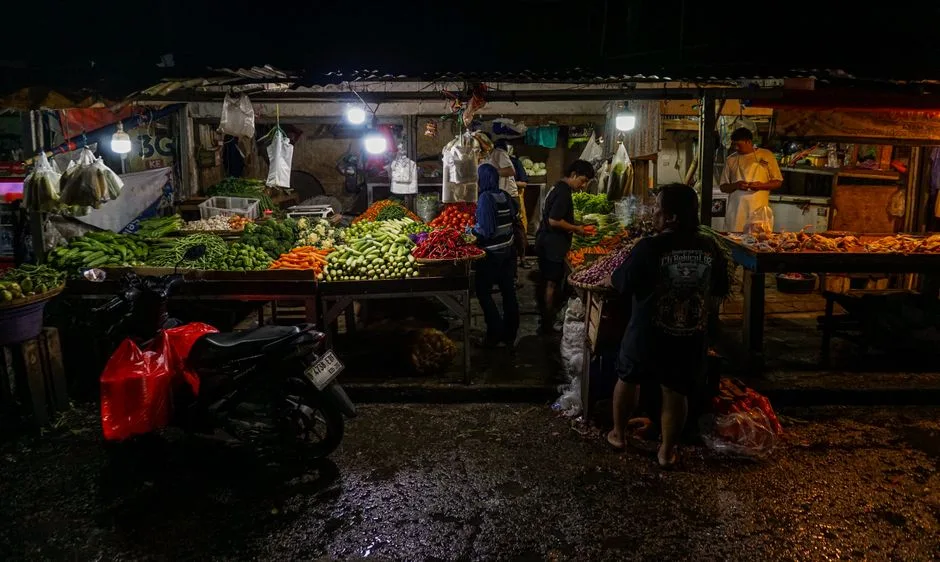
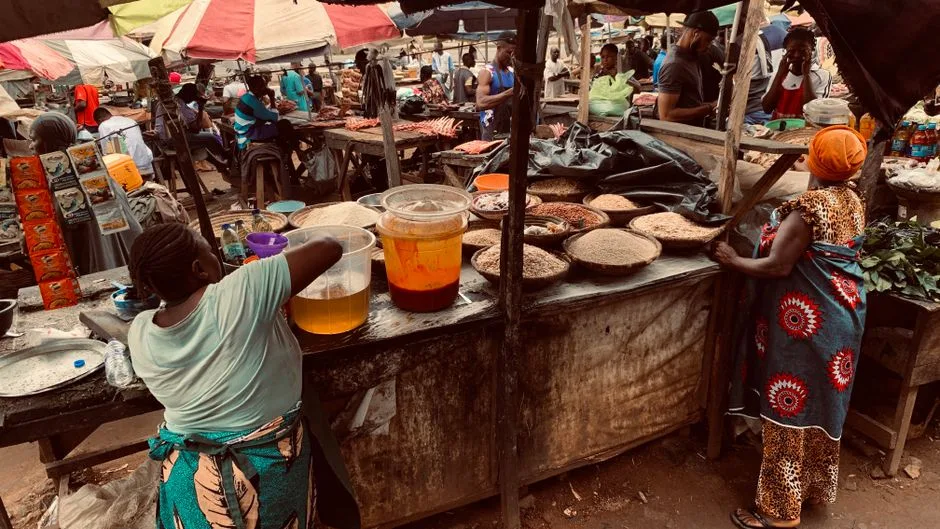
Travelers interested in experiencing this culinary landscape should consider a few simple steps. First, visit the central plaza on market days; local vendors often display produce that mirrors what families grow at home. Second, ask for permission before entering a private garden—respect is paramount, and many hosts are eager to share planting tips if approached politely. Finally, try cooking a modest meal with a local family; many homestays offer the chance to join a kitchen garden harvest and then prepare a dish together, providing an authentic taste of Güepsa’s fresh produce and communal spirit.
Looking Ahead: Sustaining the Garden Tradition
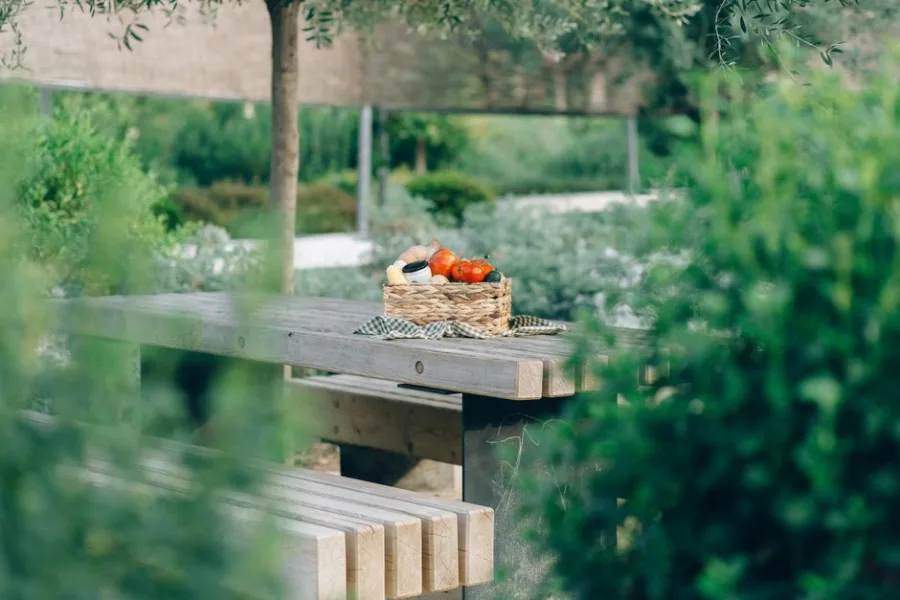
As urban migration draws younger people toward larger cities, the continuity of the huerto faces challenges. Yet, community initiatives—such as school garden projects and cooperative seed exchanges—are emerging to keep the tradition alive. By supporting these efforts, visitors can help ensure that the simple pleasure of picking a ripe tomato from a backyard plot remains a cornerstone of Güepsa’s everyday meals for generations to come.

Travel information can change. Confirm current entry requirements, opening hours and local guidance with official sources before your trip.
Comments 0
Share a helpful thought or question. Comments appear after review.
Be the first to share a thoughtful comment.
Leave a comment
Your email will not be displayed. Please keep comments relevant and respectful.