
- Destination
- Korosten, Ukraine
- Collection
- Destinations
- Reading time
- 3 min
- Updated
- Nov 25, 2026
Arrival and Getting Around
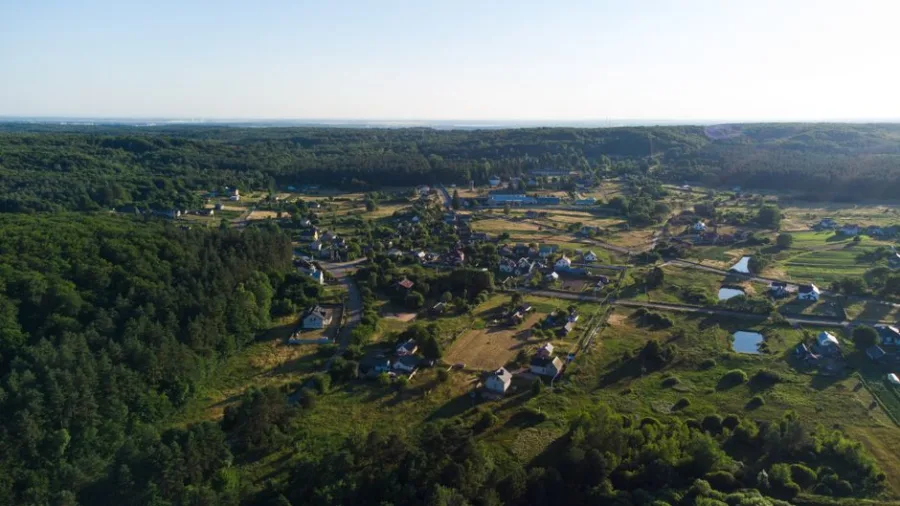
Korosten’ Raion lies in the north‑western part of Zhytomyr Oblast, a region of mixed forest and fertile plains. The most reliable entry point is the city of Korosten, a railway hub on the Kyiv‑Khmelnytskyi line. From Korosten you can catch a regional bus or arrange a shared taxi to the surrounding sela (villages). The distances are modest – most villages are 15‑30 km from the city centre – and a rented car gives the greatest flexibility for low‑impact exploration.
Walking the Village Streets
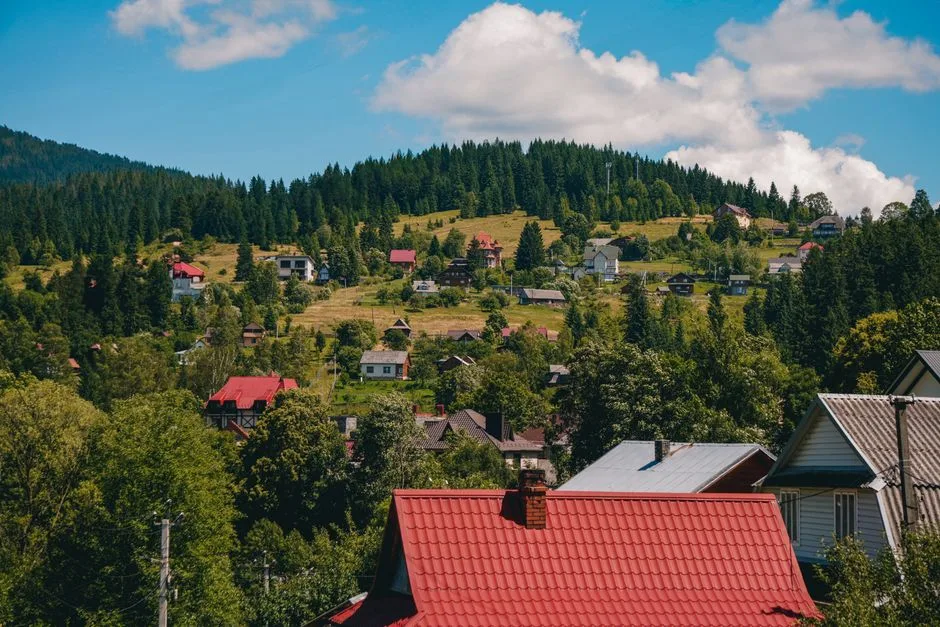
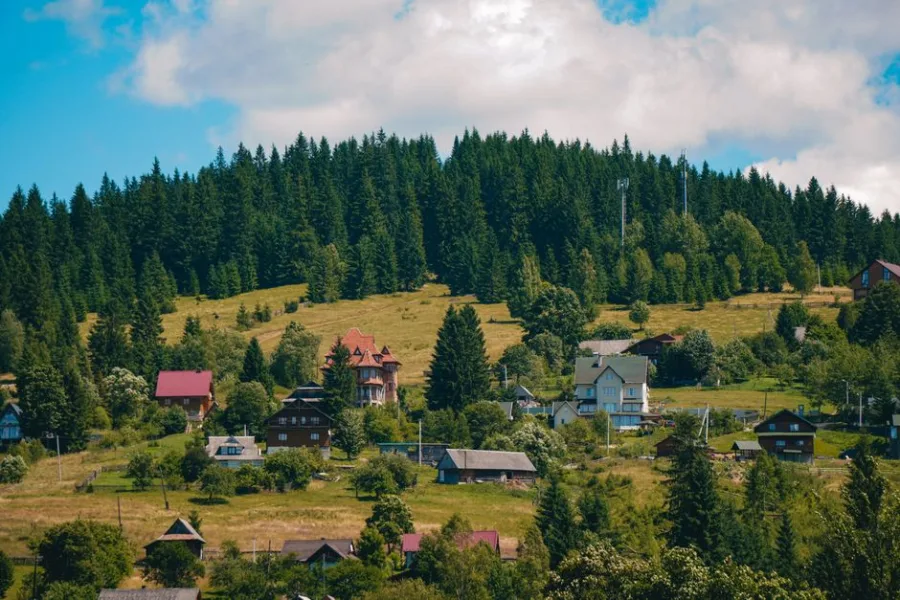
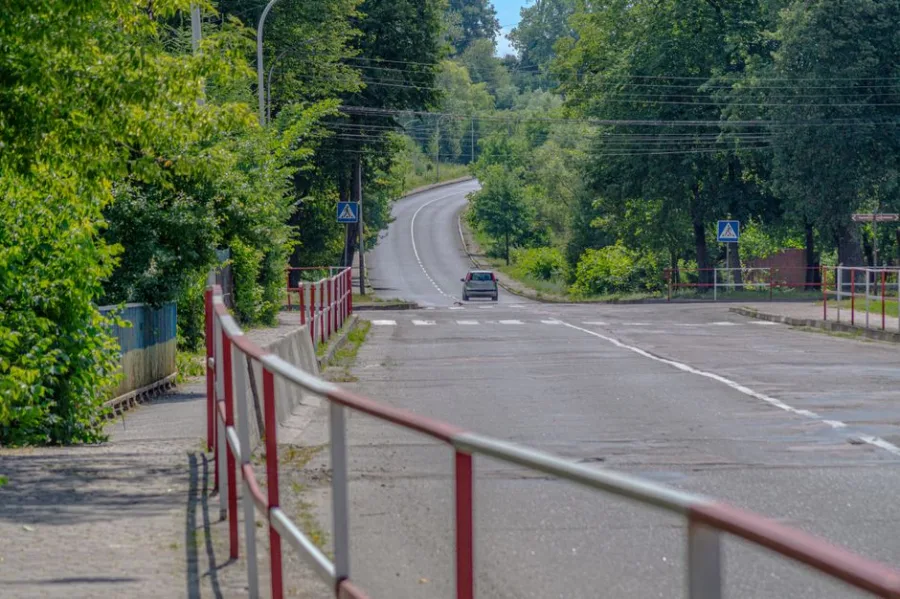
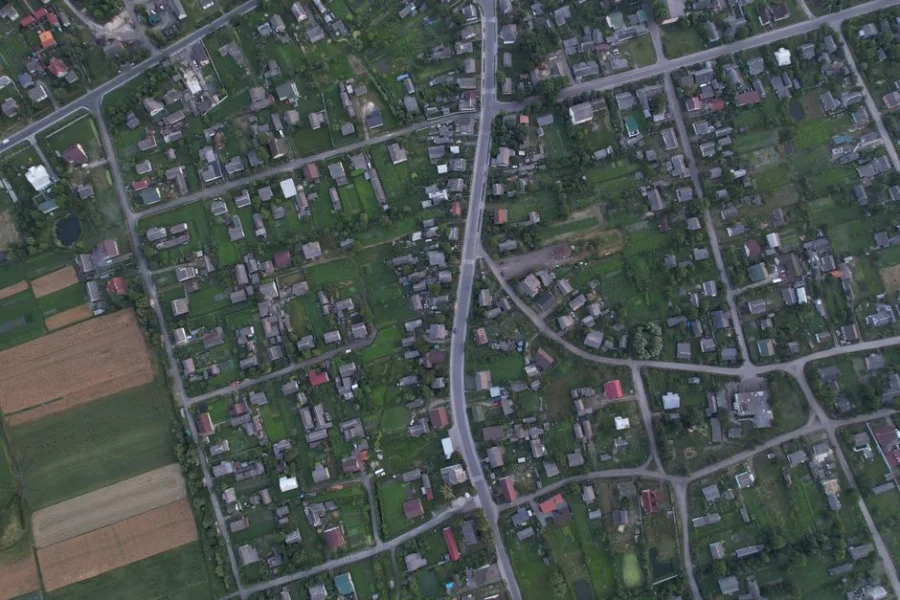
The quiet village streets are often paved with simple gravel or compacted earth, bordered by low wooden fences and occasional birch trees. Houses are typically one‑ or two‑storey brick or timber structures, painted in muted pastel tones that blend with the landscape. In the summer evenings, you may hear the distant lowing of cattle and the soft murmur of a nearby stream. Take time to notice the modest decorative elements – hand‑painted shutters, a wrought‑iron gate, or a small shrine tucked into a corner garden – each reflecting a personal touch rather than a tourist‑focused façade.
Farmsteads and Seasonal Work
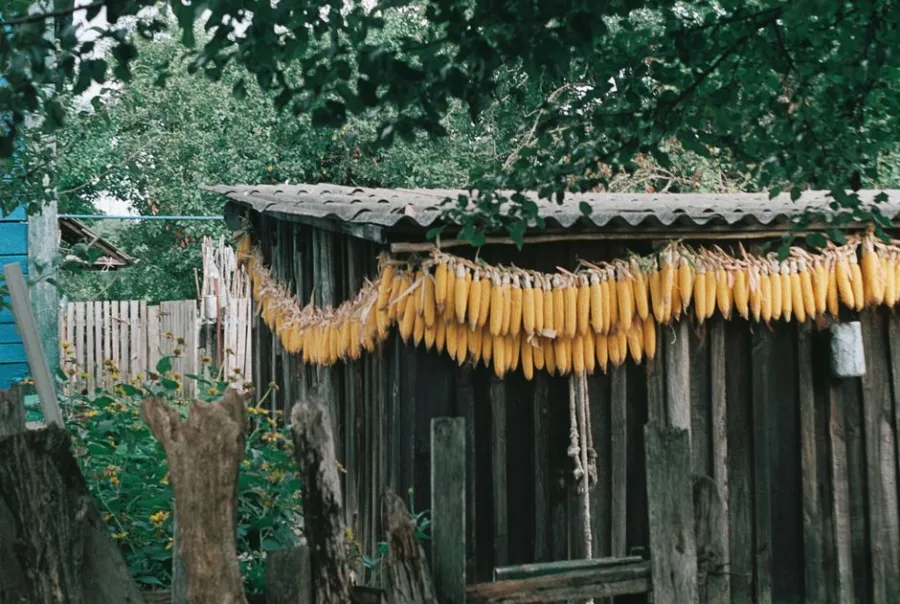
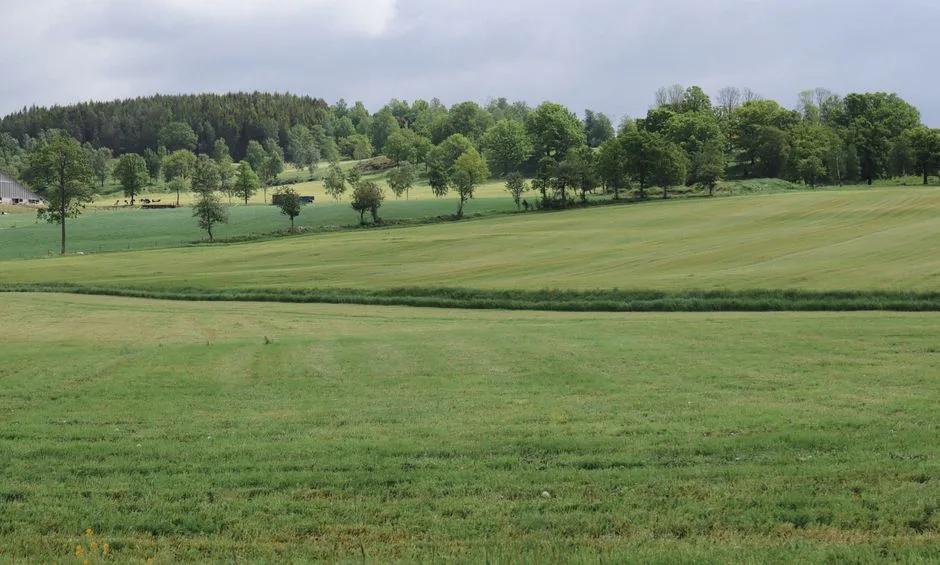
Beyond the streets, modest farmsteads dot the countryside, each centred on a khata (family farm) that often combines grain fields, a vegetable garden, and a small livestock enclosure. The agricultural calendar is the village’s heartbeat: spring brings sowing of wheat, rye and potatoes; summer is marked by weeding, irrigation, and the first harvest of early potatoes; autumn sees the gathering of grain and the preparation of hay for winter. Visitors who walk quietly through these fields can observe the rhythm of work without intruding – a tractor passing by, a farmer checking a fence, children helping with the harvest. The scene offers a low‑impact glimpse of everyday life that is rarely staged for tourists.
Local Markets and Community Life
Most villages host a weekly bazaar on a designated day, usually Saturday. The local markets are modest affairs: stalls of fresh beetroot, carrots, cabbage, and seasonal berries sit beside tables of homemade cheese, cured pork, and fresh‑baked rye bread. Prices are set by the sellers, and bargaining is done with a friendly smile rather than aggressive haggling. These markets are also social hubs where elders exchange news, and younger residents share stories of school or seasonal work. If you wish to support the community, buying a small bundle of produce or a loaf of bread is a respectful way to contribute.
Practical Tips for Low‑Impact Visiting
Season: Late spring to early autumn offers the most comfortable weather and the fullest display of agricultural activity. Summer can be warm, so bring a hat and water.
Language: Ukrainian is the primary language; Russian is also understood by many older residents. Learning a few greetings – dobryi den (good day) and dyakuyu (thank you) – goes a long way.
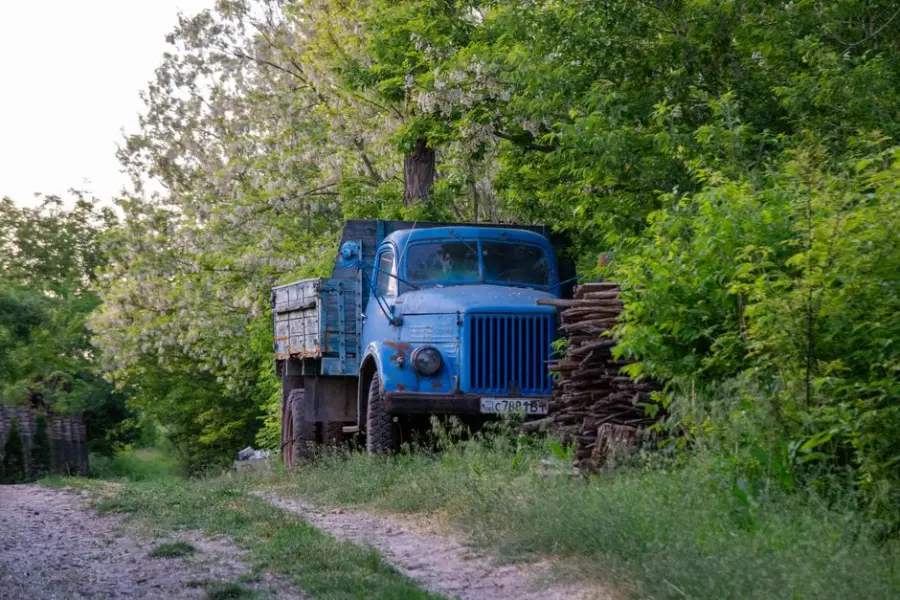
Transport: Public buses run infrequently; arranging a private ride or renting a bicycle is often more reliable and reduces carbon footprint.
Respect: Always ask permission before entering private property or photographing a farmstead. Stick to public paths and avoid littering; many villages have communal waste containers but they are limited.
Accommodation: Small guesthouses in Korosten or nearby hromada* (community) centres provide basic rooms and often include a home‑cooked meal. Booking in advance is advisable, especially during harvest festivals.
By moving slowly, speaking softly, and observing the seasonal rhythms that shape daily life, travelers can experience a genuine slice of Ukrainian rural culture. The charm of Korosten’ Raion lies not in grand monuments but in the steady, unpretentious flow of village life – a reminder that travel can be both enriching and responsibly low‑impact.
Travel information can change. Confirm current entry requirements, opening hours and local guidance with official sources before your trip.

Comments 0
Share a helpful thought or question. Comments appear after review.
Be the first to share a thoughtful comment.
Leave a comment
Your email will not be displayed. Please keep comments relevant and respectful.