

- Destination
- Myanmar
- Collection
- Travel Tips
- Reading time
- 3 min
- Updated
- Nov 27, 2026
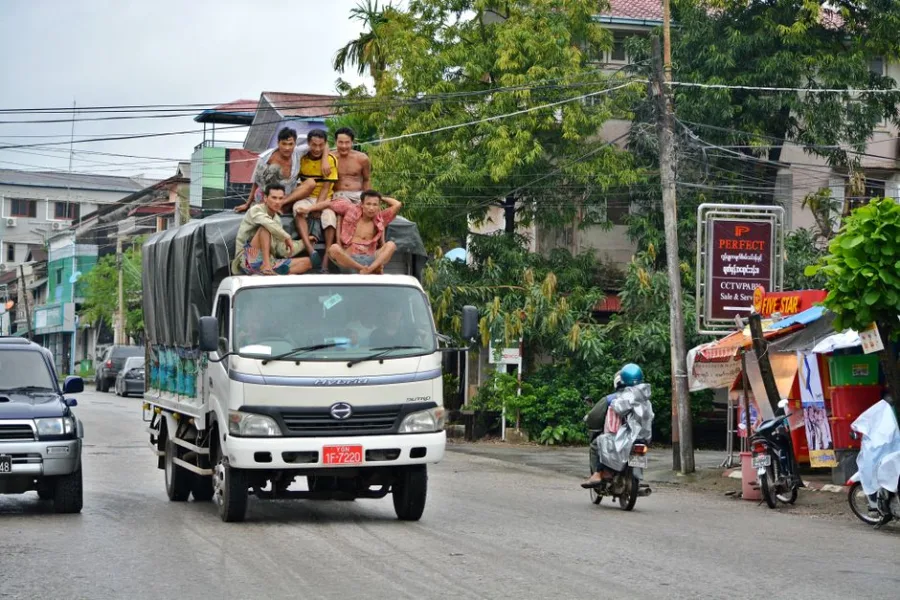
Traveling through the remote hills of Chin State often means relying on the region’s shared taxis, locally known as tuk‑tuk or van. These minibuses connect Falam with nearby towns such as Hakha, Mindat, and Tedim, and they are the lifeline for both residents and visitors. Understanding how to use them responsibly not only makes your journey smoother, it also supports the local economy and respects community norms.

Understanding the Shared Taxi System
In Falam, shared taxis operate on a semi‑fixed schedule rather than a strict timetable. Drivers typically wait at the main bus stop near the town centre until the vehicle fills up, then head out for the next leg. Because routes are informal, it helps to arrive a little early, especially during market days when demand spikes. Observe the colour and number plates: most legitimate services display a clear registration number and a visible driver’s licence. If a vehicle looks unusually crowded or the driver cannot produce a licence, it is wiser to look for another option.

Negotiating Fares and Seats
Fares are usually agreed upon before you board. Ask the driver for the current price and compare it with what other passengers are paying. Prices can vary by distance, fuel cost, and season, but they tend to stay within a narrow range. When traveling with a group, confirm the total fare and how it will be split to avoid confusion later. Seats are first‑come, first‑served; if you need a specific seat for comfort or accessibility, politely request it early. Remember that the driver may need to accommodate a mix of passengers, so flexibility is appreciated.

Safety and Comfort Tips
Safety on shared taxis in Falam is a collective responsibility. Always keep your belongings close, especially bags and valuables, and keep your belongings secure by placing them on your lap or in a zip‑locked pouch. If the vehicle provides seat belts, use a seat belt if available; many older vans do not, so sit upright and hold onto the handrails when the road gets rough. The roads in Chin State are winding and can be steep, so brace for sudden brakes. Carry a small bottle of water and a light snack, as stops may be infrequent. In case of illness or injury, alert the driver immediately so they can find a safe place to pull over.
Respecting Local Customs
Chin State is home to diverse ethnic groups, each with its own customs. When boarding a shared taxi, greet the driver with a simple "Mingalaba" (hello) and a smile. Show respect for local customs by speaking softly and avoiding loud phone conversations that could disturb other passengers. If you are offered a seat next to a family with children, consider offering your seat if you are able, as this gesture is highly valued. When the vehicle stops at a village or roadside shop, stay seated unless invited to disembark, and always thank the driver for the service.

Practical Planning Advice
Before you set out, check the weather forecast. Heavy rain can make mountain roads slippery, leading drivers to delay departure. Carry a basic first‑aid kit and a power bank for your phone, as charging points are rare along the route. If you are traveling beyond Falam, let someone back home know your expected arrival time and the name of the driver if possible. Finally, remember that shared taxis are a communal resource; share rides responsibly by not overloading the vehicle and by being courteous to fellow travelers.
By following these straightforward guidelines, you can navigate Falam’s shared taxi network with confidence, safety, and cultural sensitivity. The experience offers a unique glimpse into daily life in Chin State, turning a simple ride into an enriching part of your journey.

Travel information can change. Confirm current entry requirements, opening hours and local guidance with official sources before your trip.

Comments 0
Share a helpful thought or question. Comments appear after review.
Be the first to share a thoughtful comment.
Leave a comment
Your email will not be displayed. Please keep comments relevant and respectful.