
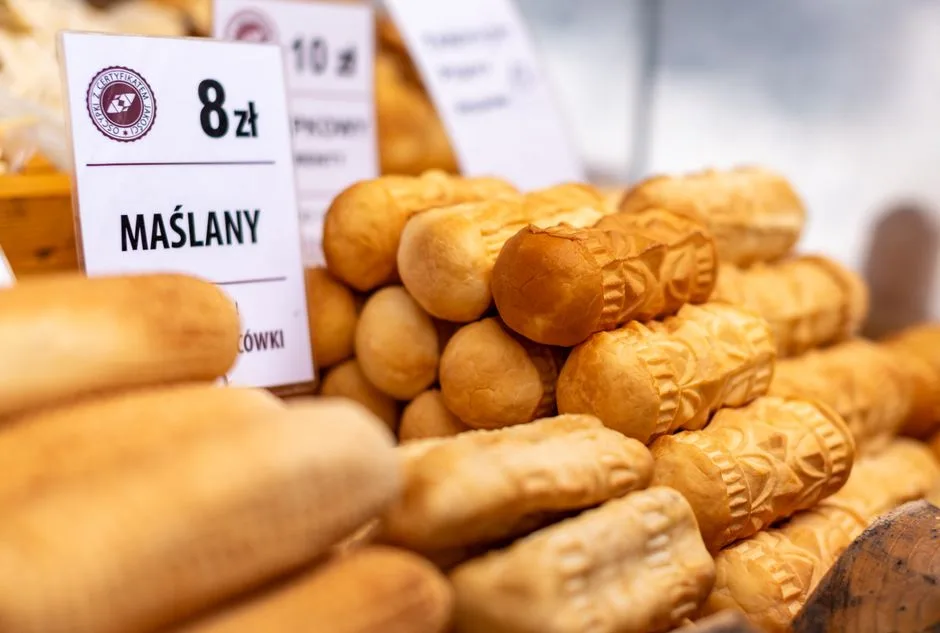
- Destination
- Nové Zámky, Slovakia
- Collection
- Culture
- Reading time
- 3 min
- Updated
- Nov 22, 2026
Landscape and Agriculture
The Okres Nové Zámky lies in the heart of the Danubian Lowland, a flat, fertile plain that stretches from the Váh River to the Hungarian border. The soil is loamy and well‑drained, ideal for cereals such as wheat, barley and corn, as well as sugar beet and rapeseed. Because the terrain offers little natural barrier, farms are often large and mechanised, with fields laid out in neat, rectangular parcels that can be seen from the road for kilometres.
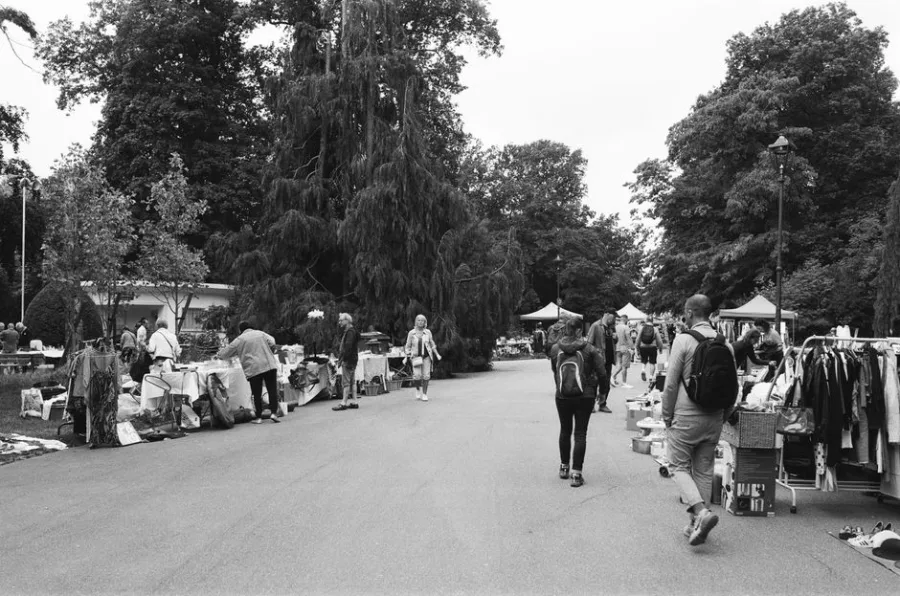
Market Stalls on the Plain
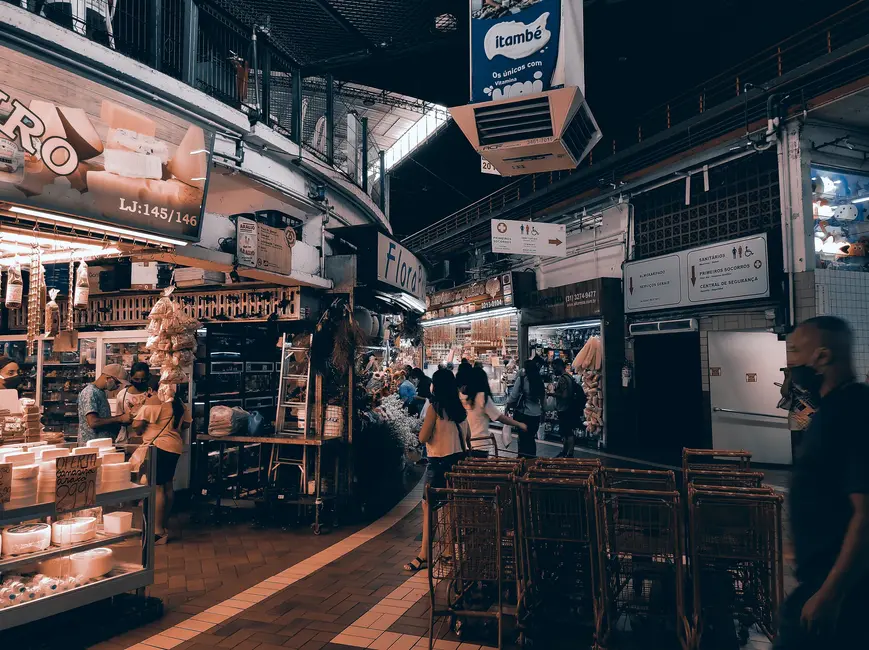
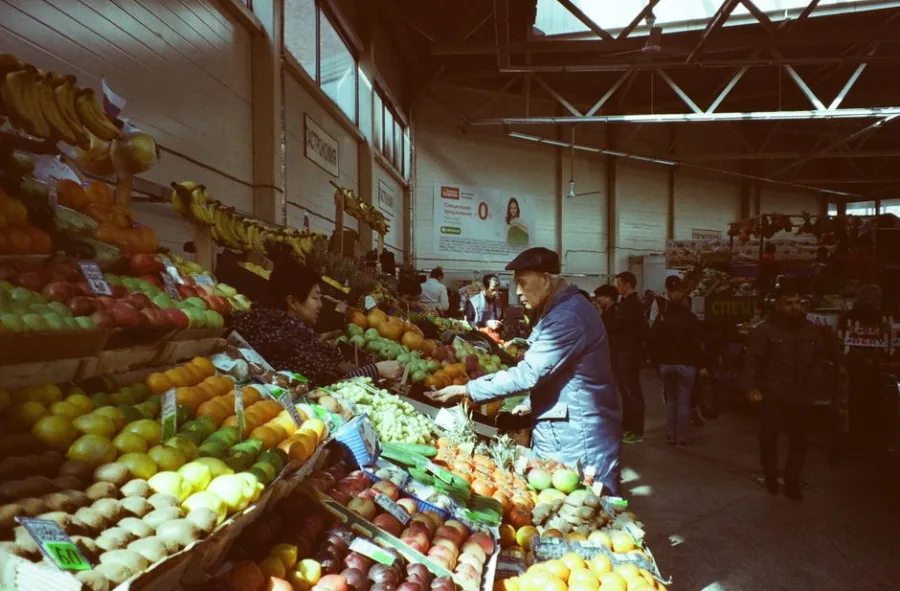
In towns like Nové Zámky, Štúrovo and Veľký Meder, the weekly tržnica becomes a community gathering point where producers bring their harvest directly to the consumer. The stalls are typically arranged in long rows parallel to the main square, mirroring the orderly lines of the surrounding fields. Vendors display sacks of freshly milled flour, bundles of corn, and baskets of seasonal vegetables, all priced by weight. The visual simplicity of the market reflects the region’s agricultural focus: there are few exotic imports, and the emphasis is on locally grown staples.
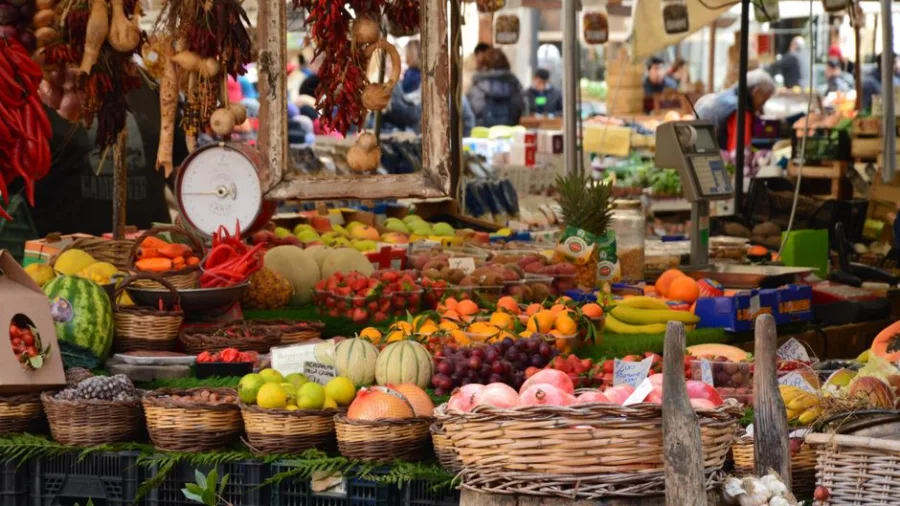
Home‑cooked Meals
When the market day ends, the same ingredients reappear in the kuchyňa of households across the district. The abundance of grain translates into grain‑based staples that dominate everyday menus. Bread is often baked at home from rye or wheat flour, and potatoes—another field crop—are boiled, mashed or fried as side dishes. Cabbage, grown in the fertile soils, features in soups and stews, while the occasional pork from nearby farms adds protein without breaking the modest budget.
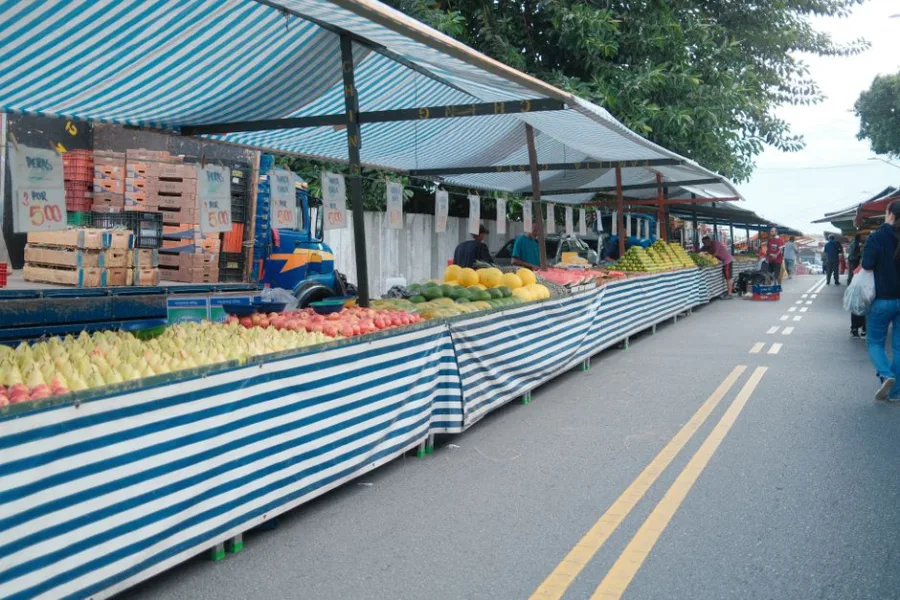
Seasonal Rhythm and Community
The seasonal market rhythm dictates not only what is sold, but also when families plan their meals. In late summer, when corn and fresh tomatoes arrive, salads and grilled vegetables become common. Autumn brings the first harvest of wheat, prompting a surge in homemade dumplings and porridge. Winter, with its limited fresh produce, sees a reliance on preserved foods such as sauerkraut and smoked meats, prepared during the harvest months and stored for the cold season. This cycle reinforces a preserving culinary heritage that is both practical and cultural.
Typical Dishes on the Table
A typical Nové Zámky dinner might start with a bowl of kapustnica—a sour cabbage soup enriched with smoked sausage—followed by halušky made from grated potatoes and wheat flour, served with a modest amount of sheep cheese (bryndza) when available. Another favourite is pirohy (filled dumplings) stuffed with mashed potatoes, sauerkraut or poppy seeds, reflecting the district’s reliance on staple crops. These dishes are simple, hearty, and designed to sustain families through long working days on the fields.
The Role of Local Knowledge
Cooking techniques are passed down through generations, often without written recipes. The lokálna intuition about when wheat is ready for milling or how long cabbage should ferment is a form of tacit knowledge that shapes daily life. Neighbours exchange tips at the market, and the communal atmosphere ensures that even newcomers quickly learn the timing of planting, harvesting and cooking.
Beyond the Plate
While the flat farmland defines the food landscape, it also influences social interaction. Market days are as much about catching up with friends as they are about buying produce. The shared experience of selecting fresh ingredients reinforces a sense of belonging that extends into the home, where meals become a venue for storytelling and cultural continuity.
Looking Ahead
Modern pressures, such as EU agricultural policies and the rise of supermarkets, are gradually reshaping the traditional model. Yet the flat, fertile plains of Nové Zámky continue to provide a reliable foundation for both market stalls and home‑cooked meals. As long as the land remains productive, the district’s culinary identity—rooted in simplicity, seasonality and community—will endure.
Travel information can change. Confirm current entry requirements, opening hours and local guidance with official sources before your trip.
Comments 0
Share a helpful thought or question. Comments appear after review.
Be the first to share a thoughtful comment.
Leave a comment
Your email will not be displayed. Please keep comments relevant and respectful.