

- Destination
- Pandan, Philippines
- Collection
- Travel Tips
- Reading time
- 3 min
- Updated
- Nov 26, 2026
Understanding the Setting
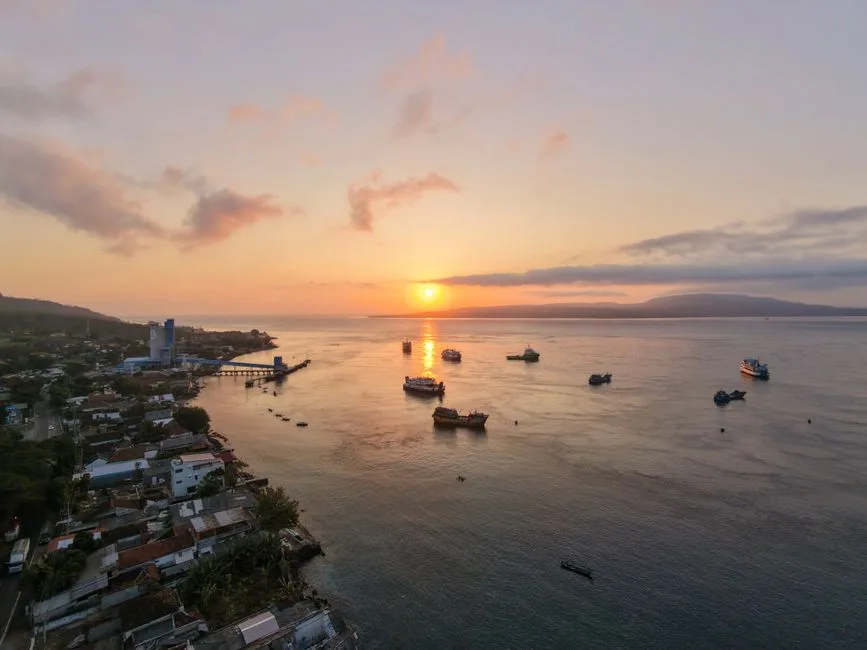
Antique occupies the western tip of Panay Island, facing the Sulu Sea. Its coastline is dotted with small fishing hamlets such as Culasi, Pandan, and Tibiao, where the sand is often untouched by mass tourism. The area’s baybay (beach) ecosystems host nesting turtles, delicate coral fragments, and a variety of shells that tell the story of the region’s marine health. Because these villages rely on fishing and modest tourism, visitors have a responsibility to keep the environment as pristine as they found it.

Plan Before You Go
A successful low‑impact outing starts with preparation. Check tide tables and local weather forecasts; low tide reveals more of the intertidal zone, but it also brings stronger currents that can be hazardous. Pack a reusable bag for any shells you intend to collect, and avoid single‑use plastics that often end up on the shore. Bring enough fresh water, a sun hat, and reef‑safe sunscreen, which reduces chemical runoff into the sea. If you are unsure about any local regulation, a quick call to the municipal office or a chat with a purok leader can clarify whether certain areas are designated as marine protected zones.

On the Beach: Low‑Impact Practices
When you arrive, stick to established footpaths and avoid trampling dune vegetation, which stabilises the sand. Leave no trace by picking up any litter you see, even if it isn’t yours. Only collect shells that are already detached; live molluscs, crab shells, and coral fragments should be left in place to support the food chain. Use a small mesh bag to limit the amount you take—carry a reusable bag and fill it sparingly, remembering that a single shell can be a valuable souvenir for a local craftsperson. Respect fishing zones marked by buoys or local signage; these areas are often breeding grounds for fish and should remain undisturbed. If you spot a turtle nest, keep a respectful distance and report it to the nearest barangay office.

Engaging with the Community
The people of Antique value their coastal heritage. Greet residents with a friendly "Maayong adlaw" and, when appropriate, use the local term bayan to refer to the community. Ask permission before entering private purok areas or before taking photographs of people and their homes. Purchasing snacks or small handicrafts from local vendors supports the economy and reinforces the idea that responsible tourism benefits everyone. When you share your findings, document responsibly—focus on the landscape rather than on removing objects, and consider posting your photos with a note about the importance of conservation.

Closing Thoughts
Responsible beachcombing in Antique is less about strict rules and more about a mindset of respect—for the sea, for the sand, and for the people who call these quiet villages home. By planning ahead, minimizing waste, and treading lightly, you help preserve the natural beauty that makes this province a hidden gem. The next time you walk along an baybay in Antique, let the rhythm of the waves remind you that every small action contributes to a larger, healthier coastal ecosystem.

Travel information can change. Confirm current entry requirements, opening hours and local guidance with official sources before your trip.




Comments 0
Share a helpful thought or question. Comments appear after review.
Be the first to share a thoughtful comment.
Leave a comment
Your email will not be displayed. Please keep comments relevant and respectful.