
- Destination
- Banikoara, Benin
- Collection
- Food
- Reading time
- 3 min
- Updated
- Nov 25, 2026
The Savanna’s Climate and Crop Calendar
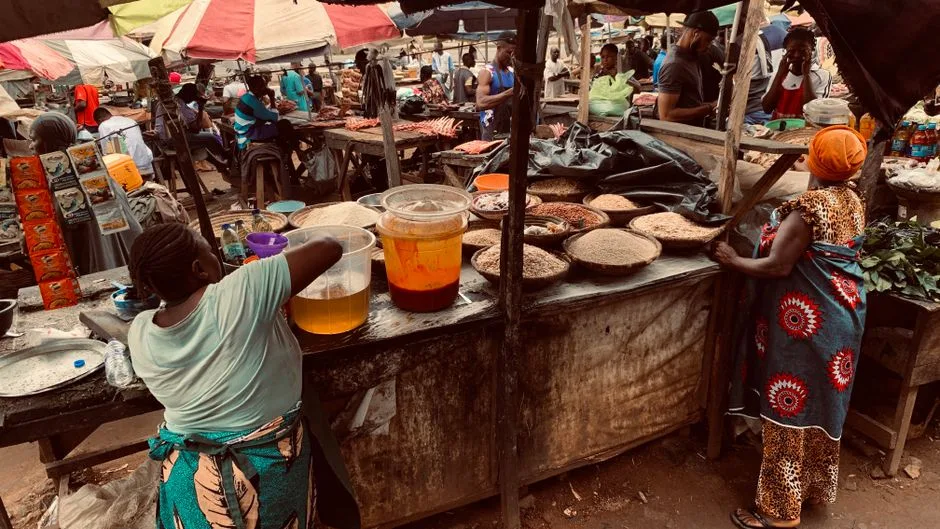
Banikoara lies in the northern savanna belt of Benin, where the climate swings between a seasonal rain pattern from June to October and a long dry spell that can stretch to May. The soil is generally sandy‑loam, well‑drained but low in organic matter, favouring crops that tolerate drought and occasional flooding. Farmers time their planting to the first rains, harvesting millet, sorghum and maize before the dry months set in. During the short rainy window, leafy greens such as amaranth and spider plant appear briefly, providing a burst of fresh produce that quickly disappears when the sun returns.

From Field to Kitchen: Core Ingredients
The everyday pantry of a Banikoara household reflects what the land yields. Hardy millet and sorghum dominate the grain base; they are milled into flour for akassa or pâte, the staple porridges that accompany most meals. Maize, when available, is boiled or roasted, while cassava—grown in the few wetter low‑lying spots—provides gari and boiled tubers. Groundnuts thrive in the savanna’s open fields and are pressed into oil, a key cooking medium that adds richness to sauces. Small ruminants such as goats, and occasional chickens, roam the communal grazing lands, supplying meat and eggs that are reserved for special occasions or added to stews for extra protein.
Cooking Techniques Shaped by the Landscape
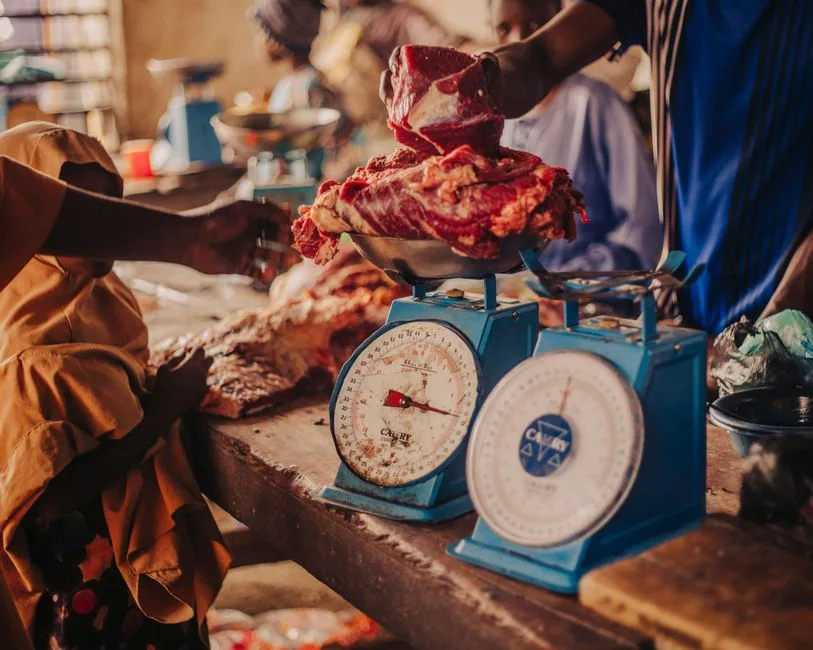
Because electricity is limited in many villages, cooking relies on open‑fire grilling and wood‑fuel stoves. The abundant firewood from scattered acacia trees makes it practical to grill fish or meat directly over flames, imparting a smoky flavour that locals cherish. Steaming is common for leafy vegetables, using simple bamboo or metal baskets placed over the fire. For grain‑based dishes, the traditional mortar and pestle is still used to pound millet into a smooth dough, a labour‑intensive step that yields the characteristic texture of akassa. Groundnut oil is drizzled over sauces just before serving, enhancing both taste and shelf‑life. When the harvest is abundant, families preserve through drying—spreading millet or sorghum on mats to create a storable stock for the dry season.
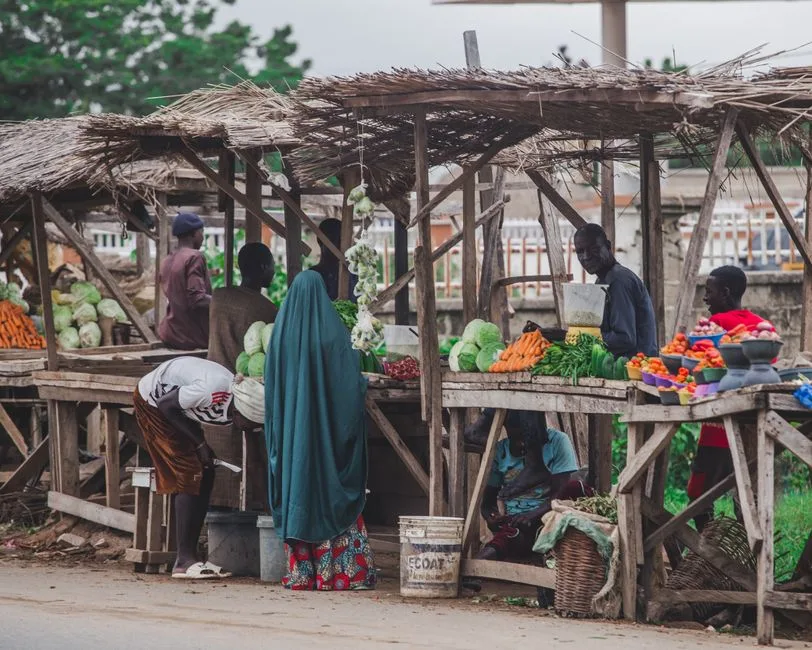
Seasonal Variations and Meal Planning
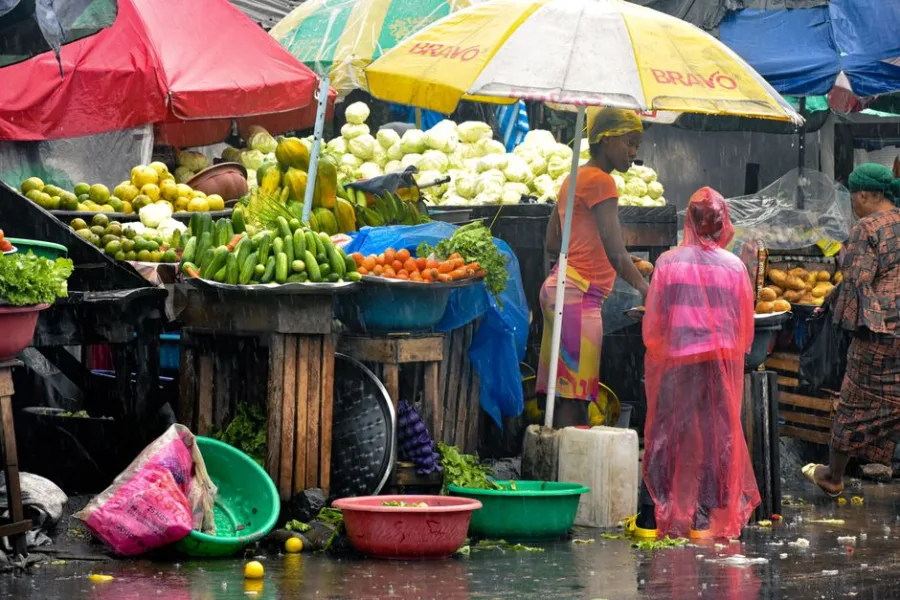
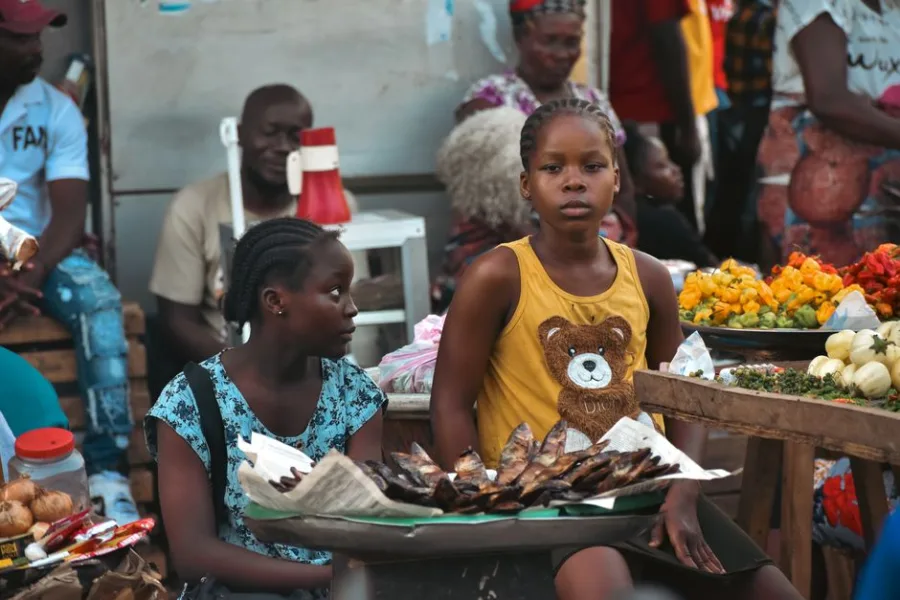
During the rainy months, markets in Banikoara swell with fresh vegetables, tomatoes, and peppers. Households take advantage of this bounty by preparing lighter, vegetable‑rich soups and salads, often pairing them with a small portion of millet porridge. As the dry season progresses, the focus shifts back to stored grains and dried legumes. Meals become heartier, featuring thick stews thickened with groundnut paste and served over akassa or boiled cassava. The reliance on preserving through drying ensures that protein sources like dried fish or smoked goat remain available year‑round. Families also adjust cooking frequency to conserve firewood, opting for one‑pot dishes that require less fuel.
Overall, the savanna’s rhythm—its rains, soils, and grazing lands—directly informs what is grown, how it is processed, and the ways it is cooked. The result is a cuisine that is resilient, resourceful, and deeply tied to the land, offering both sustenance and a sense of place for the people of Banikoara.
Travel information can change. Confirm current entry requirements, opening hours and local guidance with official sources before your trip.

Comments 0
Share a helpful thought or question. Comments appear after review.
Be the first to share a thoughtful comment.
Leave a comment
Your email will not be displayed. Please keep comments relevant and respectful.