
- Destination
- North Macedonia
- Collection
- Culture
- Reading time
- 4 min
- Updated
- Nov 22, 2026
Finding the Courtyard
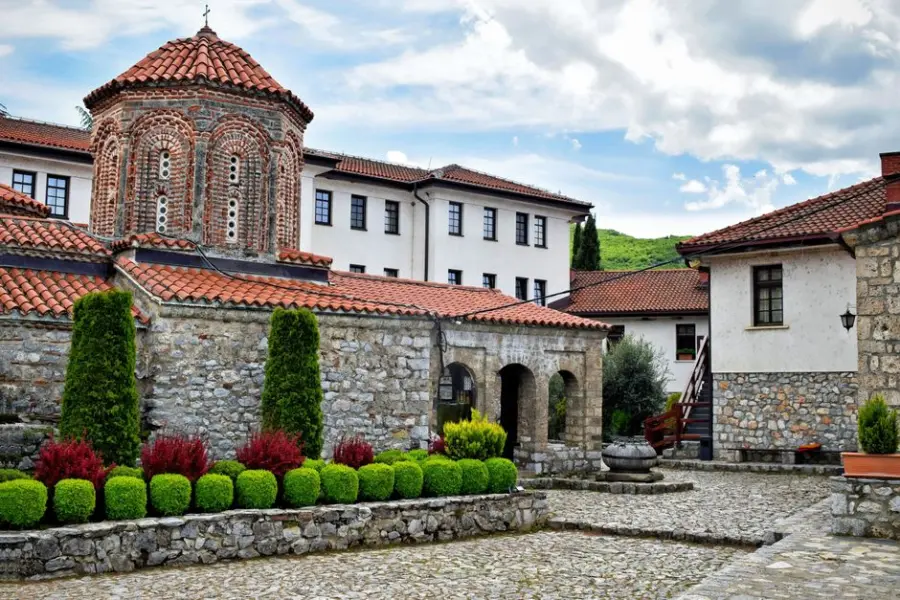
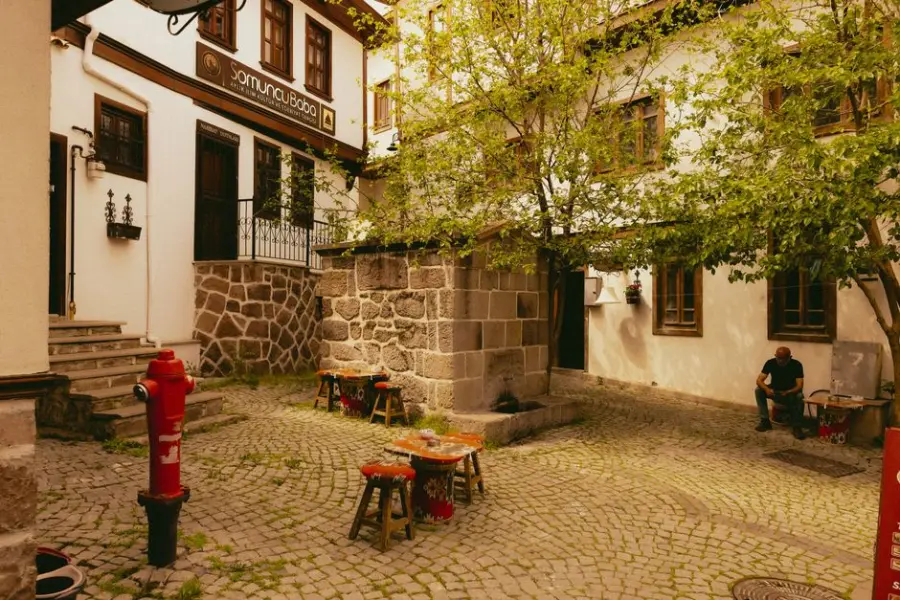
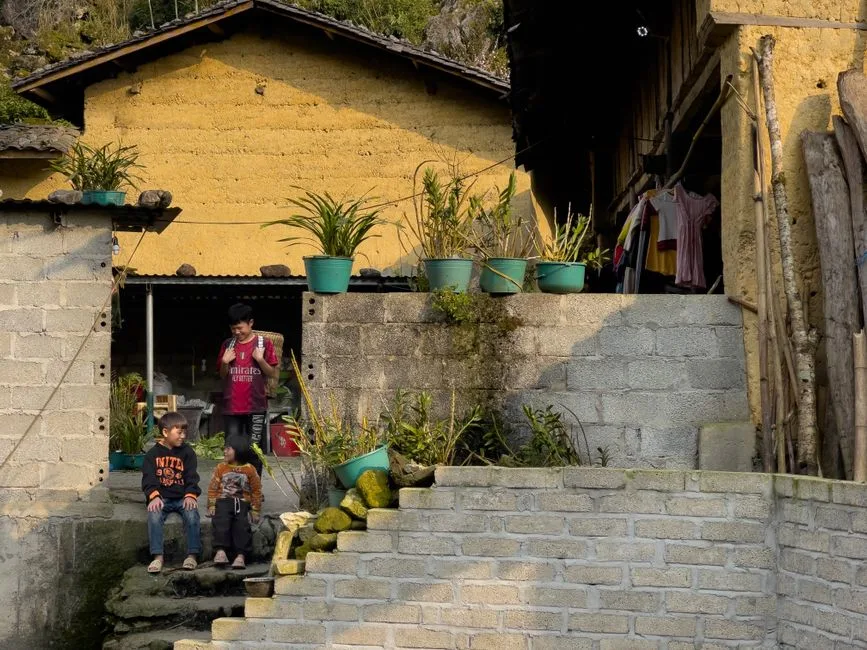
Strolling along the tree‑lined streets of the Opština Karpoš, you soon notice a pattern of small, gated courtyards tucked behind residential blocks. These courtyards are usually accessed through a simple wooden gate or a low stone wall, and they open onto a paved or gravel‑covered interior where a few tables and chairs sit under the shade of an old plane tree. The first thing that catches the eye is the low‑rise stone façades that line the perimeter, a reminder of the neighborhood’s post‑war rebuilding phase. The atmosphere feels informal; there is no signage, no menu board—just the scent of freshly brewed coffee drifting from a modest kafe set up in the corner.

The Architecture of Everyday Interaction
The built‑environment here is deliberately modest. Buildings are typically two‑storey, with plastered walls painted in muted earth tones. Balconies often overlook the courtyard, creating a semi‑public layer that blurs the line between private home and communal space. This layout encourages residents to step out of their apartments and join the street‑level life without feeling exposed. The courtyard itself functions as an informal gathering spot, where the architecture does the talking: narrow pathways guide foot traffic, while benches placed at irregular intervals invite spontaneous seating.
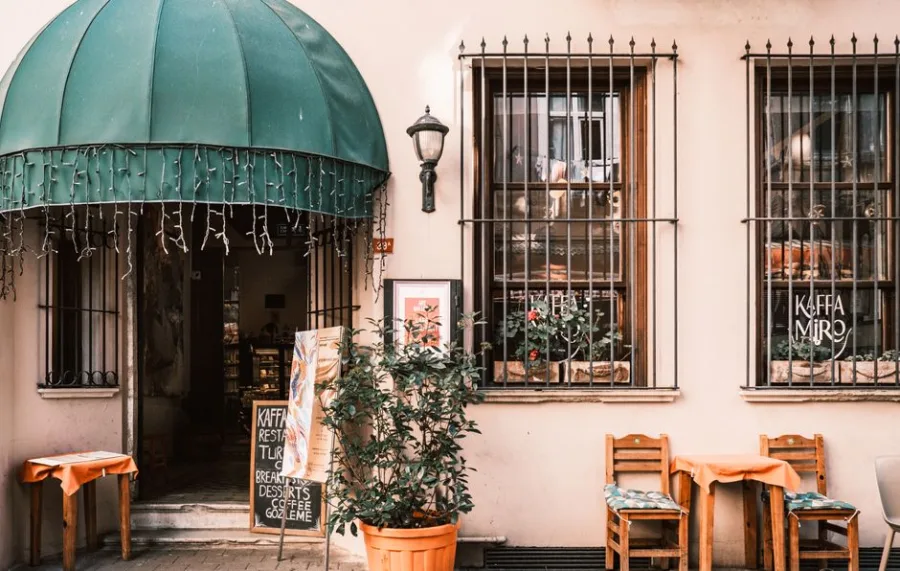
Notice the use of local materials—brick, stone, and timber—combined with simple geometric forms. The lack of ornamental detail is not a sign of neglect; rather, it reflects a pragmatic approach to housing that prioritises durability and ease of maintenance. In many cases, the courtyard walls are adorned with handwritten notices about community events or maintenance schedules, reinforcing a sense of collective responsibility.
Coffee as a Social Bridge
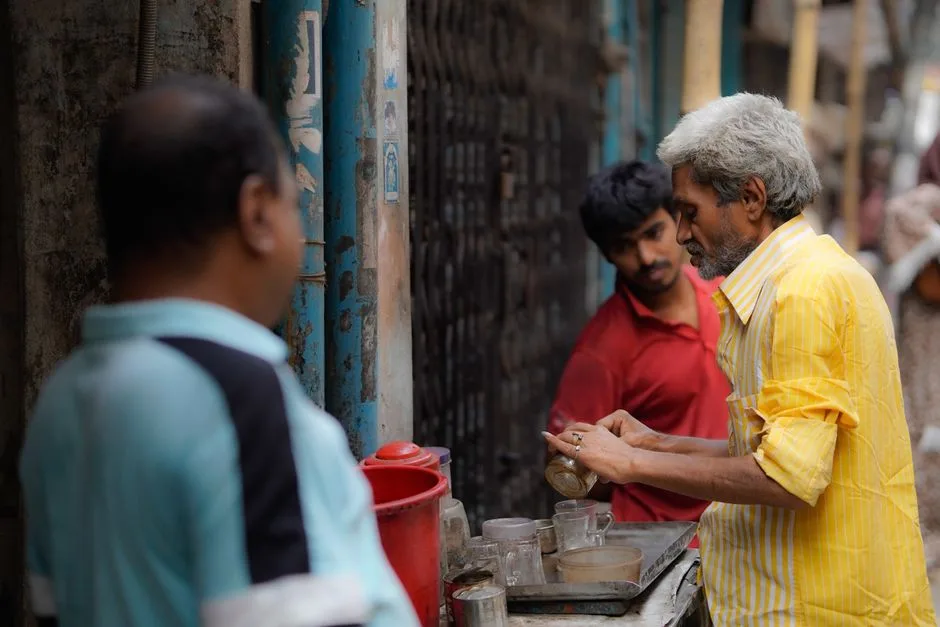
When you join the spontaneous coffee break, you quickly learn that the ritual is more than a caffeine fix. The kafe owner, often an older resident, prepares Turkish‑style coffee in a copper pot, pouring it into small porcelain cups. The act of sharing coffee becomes a shared coffee ritual that bridges generations. Young professionals, retirees, and school‑age children mingle on the same benches, exchanging brief greetings, news about the local market, or comments on the weather.
Conversation in the courtyard is typically brief but warm. People may ask, “How is the čaršija market today?” or comment on the traffic on the nearby Miladinovska street. These exchanges reveal a quiet street rhythm that governs daily life: mornings begin with a cup of coffee, mid‑day sees a brief pause for a snack, and evenings bring a slower pace as families return home. The coffee break thus mirrors the broader tempo of the district, where public and private spheres intersect fluidly.
What the Space Says About Local Life
Observing the courtyard’s layout and its use offers insight into the values of Karpoš residents. The prevalence of shared outdoor spaces indicates a cultural emphasis on community resilience—neighbors rely on each other for informal support, whether it’s watching a child’s play or sharing a spare key. The modest architecture, combined with the open courtyard, also reflects an adaptive response to Skopje’s climate: the stone walls retain heat in winter, while the tree canopy provides shade in summer.
The courtyard’s informal nature also hints at the administrative reality of the opština. While municipal services manage waste collection, street lighting, and occasional street‑cleaning, the day‑to‑day upkeep of these courtyards is largely a community effort. Residents organize occasional clean‑up days, and the kafe owner may contribute by sweeping the floor after closing. This collaborative maintenance underscores a sense of ownership that goes beyond formal governance.
In summary, a spontaneous coffee break in a Karpoš courtyard is a microcosm of the district’s built‑environment and social fabric. The low‑rise stone façades, the informal gathering spot, and the shared coffee ritual together illustrate how architecture, public space, and everyday practices intertwine to shape a distinctive urban rhythm. For visitors, pausing in such a courtyard offers a genuine glimpse into the lived experience of Skopje’s central district—an experience that is both modest and richly communal.
Travel information can change. Confirm current entry requirements, opening hours and local guidance with official sources before your trip.

Comments 0
Share a helpful thought or question. Comments appear after review.
Be the first to share a thoughtful comment.
Leave a comment
Your email will not be displayed. Please keep comments relevant and respectful.