
- Destination
- Mile 91, Sierra Leone
- Collection
- Food
- Reading time
- 3 min
- Updated
- Nov 26, 2026
Preparing for the Visit
Plan your trip to coincide with the market day, which rotates among towns in Tonkolili District. Most towns hold a market once a week, usually on a Saturday, and the schedule is posted at local chief’s offices or on community notice boards. Arriving early reduces crowd pressure and gives you a chance to observe the set‑up before the busiest hour. Choose low‑impact transport such as a shared taxi, a bicycle, or, if you are already in the area, walk from nearby villages.
Pack light and bring reusable items: a water bottle, a cloth bag for purchases, and a small container for leftovers. Avoid single‑use plastics; many vendors will gladly refill a container with fresh produce or sauces. A respectful attitude toward local customs—greeting the market manager with a simple “Good morning” in Krio—sets a positive tone for the day.

Arriving at the Market
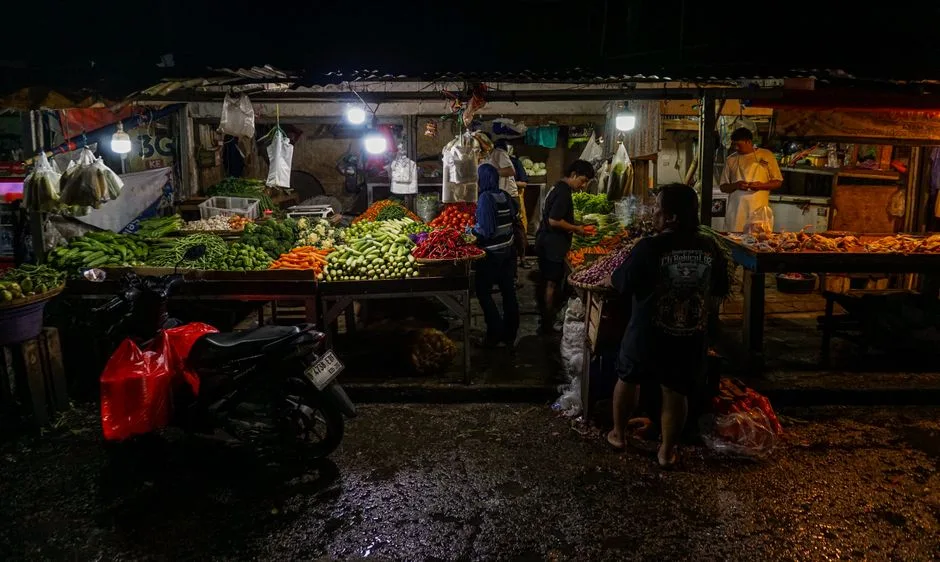
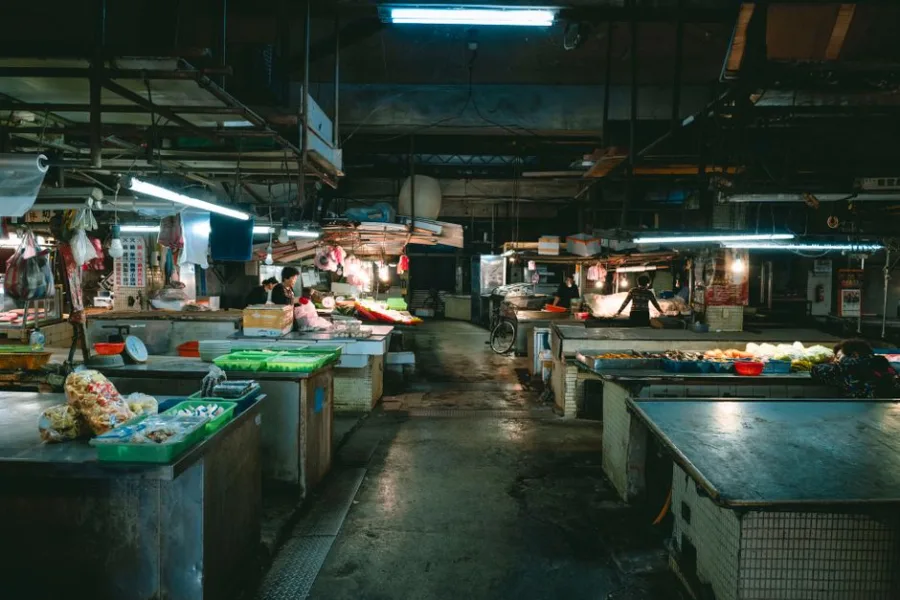
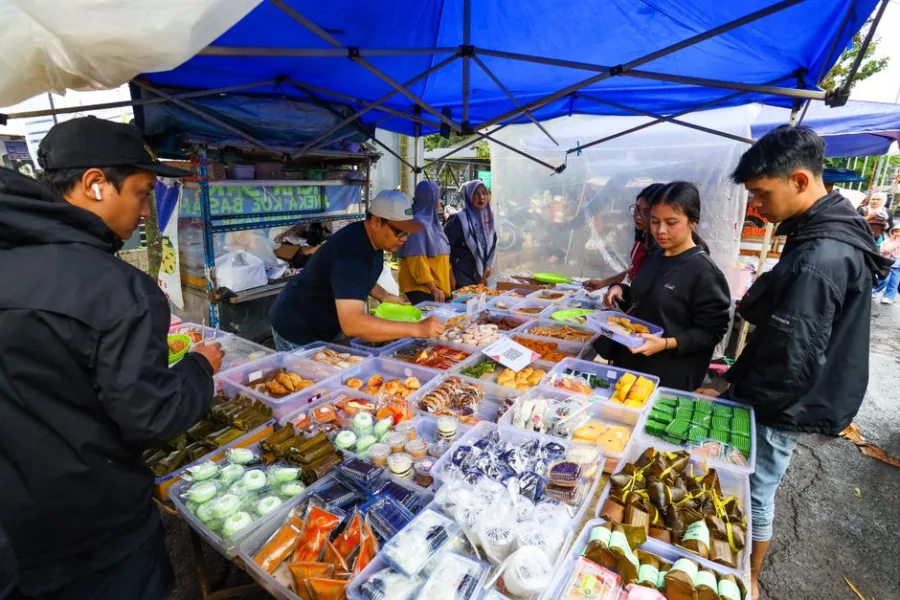
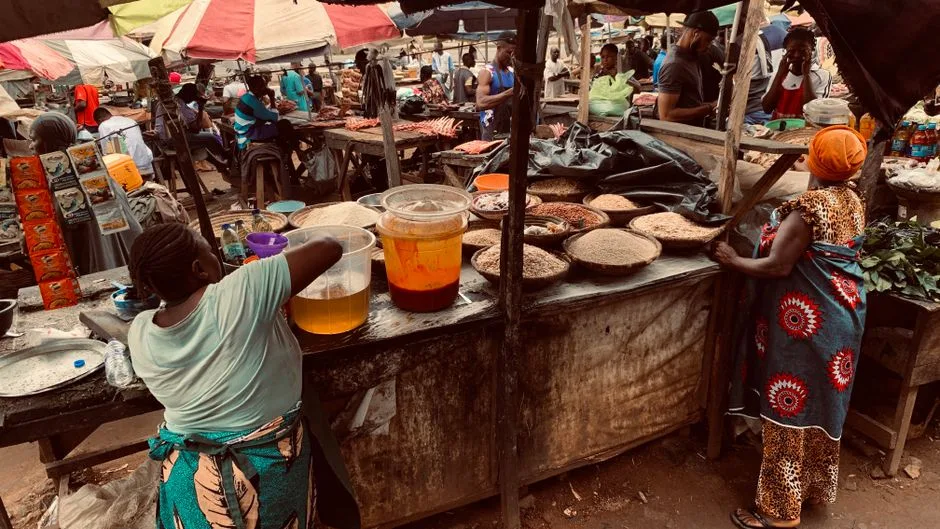
The market opens at dawn, with traders laying out mats, baskets, and makeshift stalls along the main road. Take a moment to watch the low‑impact travel mindset in action: vendors and buyers move at a measured pace, and the flow of people follows a natural rhythm rather than a hurried schedule. Notice how the space is organized—vegetables on one side, fish on another, and a central area for cooked foods.
Before you start buying, walk the perimeter to get a sense of the layout. This helps you avoid impulse purchases and respects the vendors’ space. If you are unsure where a particular item is, ask politely; most sellers are happy to point you in the right direction.
Tasting Seasonal Dishes
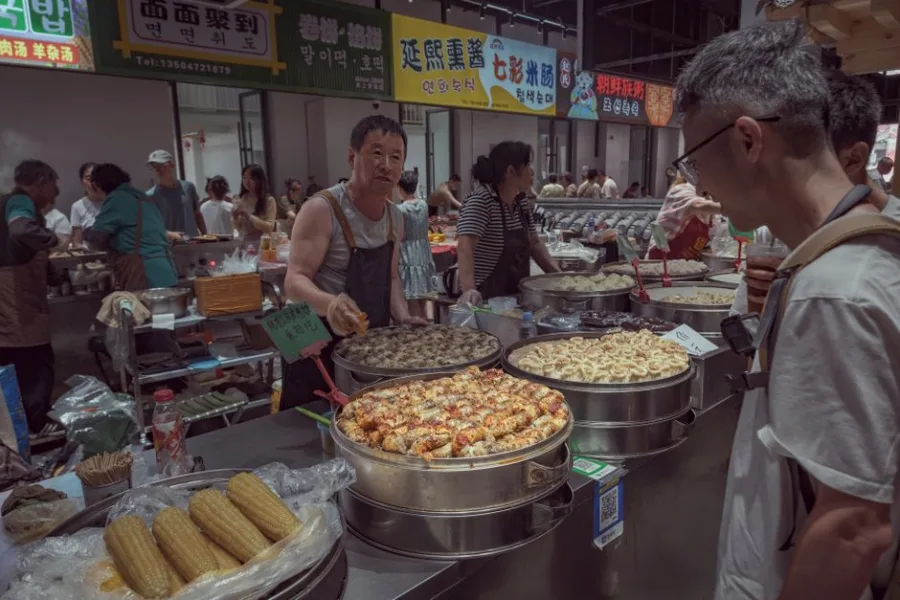
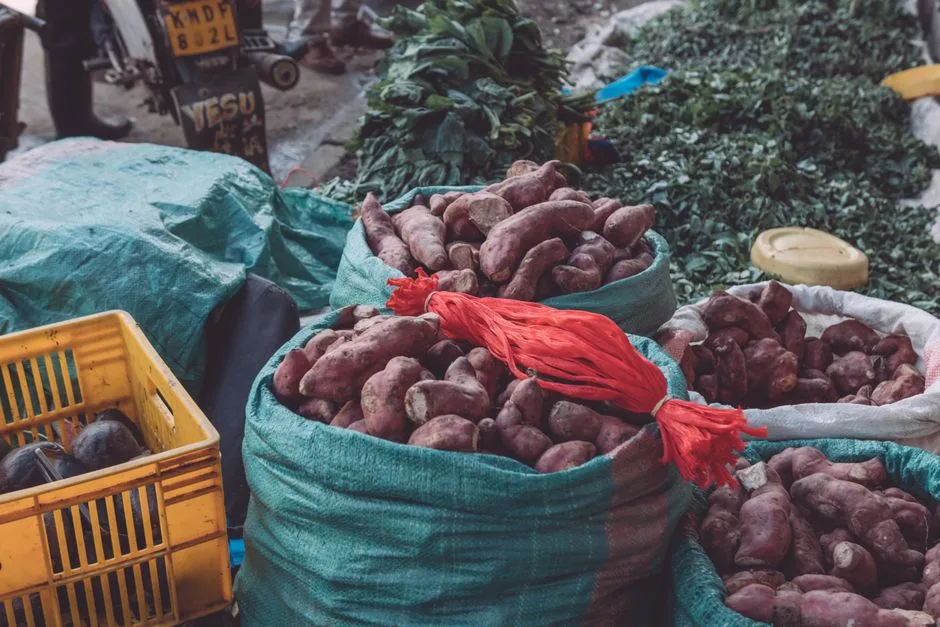
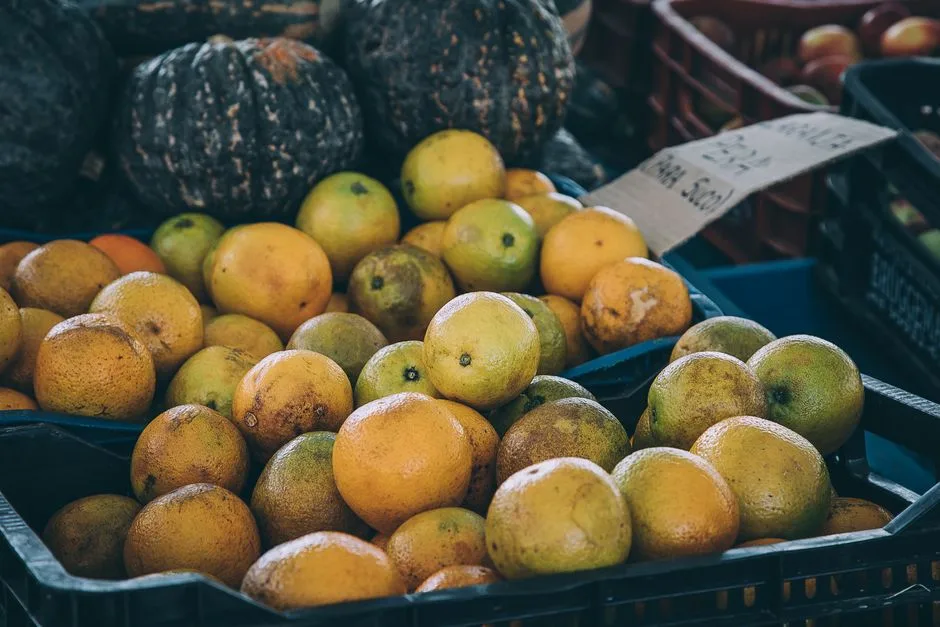
Seasonal produce defines the market’s culinary offerings. In the rainy months, you’ll find abundant bambara millet, fresh greens, and river fish, while the dry season brings more root vegetables and dried fruits. Sample a small portion of a stew made with poto—a local leafy vegetable—served in a communal bowl. The flavors are simple yet vibrant, highlighting the freshness of the ingredients.
When a vendor offers a taste, accept it graciously. This is a common way to build rapport and learn about the dish’s ingredients. Seasonal dishes often change day by day, so keep an open mind and let the market guide your palate. If you enjoy a particular flavor, consider buying a modest amount to take home, using your reusable bag.
Learning the Market Rhythm
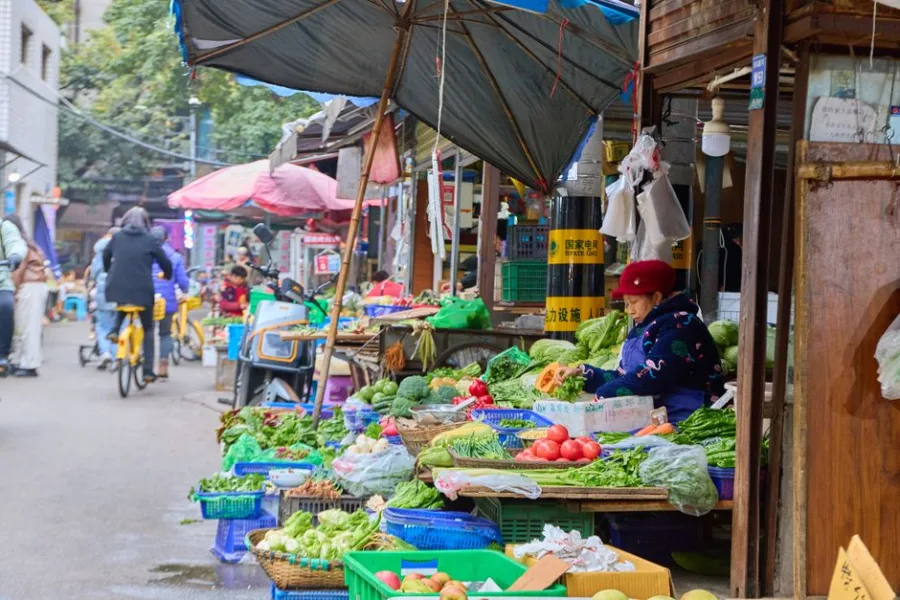
Markets in Tonkolili operate on a rhythm that balances supply, demand, and community interaction. Prices are typically negotiated, but haggling should remain friendly and brief. Observe how sellers adjust their prices as the day progresses—early birds may pay slightly more, while later shoppers often receive modest discounts as vendors aim to clear stock.
Listen to the cadence of calls: “Tomato! Tomato!” or “Fish! Fresh fish!” These vocal cues signal availability and help buyers locate what they need without crowding. By aligning your movements with this market rhythm, you reduce stress for both yourself and the traders, and you gain insight into the social fabric of the district.
Leaving with a Light Footprint
Before you depart, take a moment to thank the market manager and any vendors who shared their food or stories. Offer a small token of appreciation, such as a handful of peanuts or a brief compliment about the quality of the produce. Pack any leftovers in your reusable container and dispose of waste responsibly—most towns have designated bins for organic and non‑organic material.
Finally, reflect on the experience: a respectful interaction with the market not only supports local livelihoods but also enriches your travel narrative. By keeping your visit low‑impact, you help preserve the market’s authenticity for future travelers and for the community that depends on it.

Travel information can change. Confirm current entry requirements, opening hours and local guidance with official sources before your trip.

Comments 0
Share a helpful thought or question. Comments appear after review.
Be the first to share a thoughtful comment.
Leave a comment
Your email will not be displayed. Please keep comments relevant and respectful.