
- Destination
- Dominican Republic
- Collection
- Food
- Reading time
- 3 min
- Updated
- Nov 23, 2026
The Agricultural Landscape of Pedro Santana
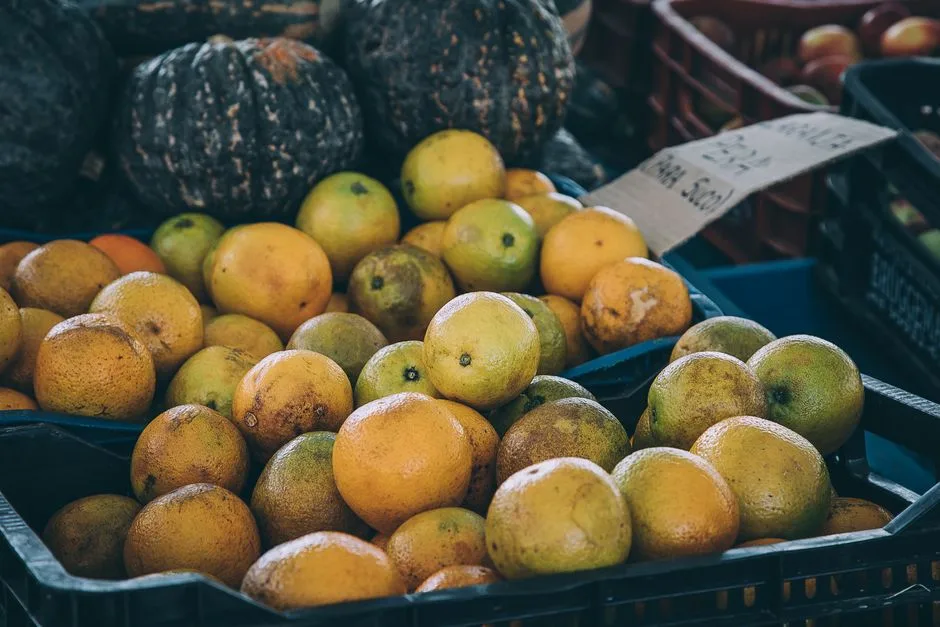
Pedro Santana sits in the westernmost province of El Ías Piña, straddling the Dominican‑Haitian border. The terrain is a mix of low hills and fertile valleys where smallholder families grow staples such as corn, beans, plantains, and yuca. Because the area is far from large‑scale agribusiness, the borderland farms rely on traditional techniques—hand‑tended rows, animal‑drawn plows, and seasonal rain patterns. These practices preserve a diversity of crops that larger markets often overlook, and they keep production closely tied to the rhythms of the community.
From Field to Kitchen: Daily Rhythms
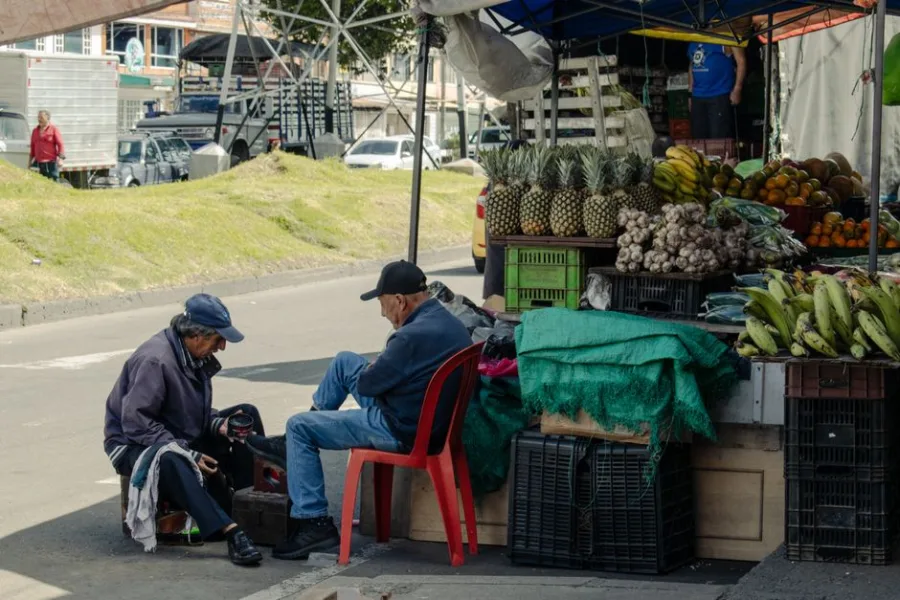
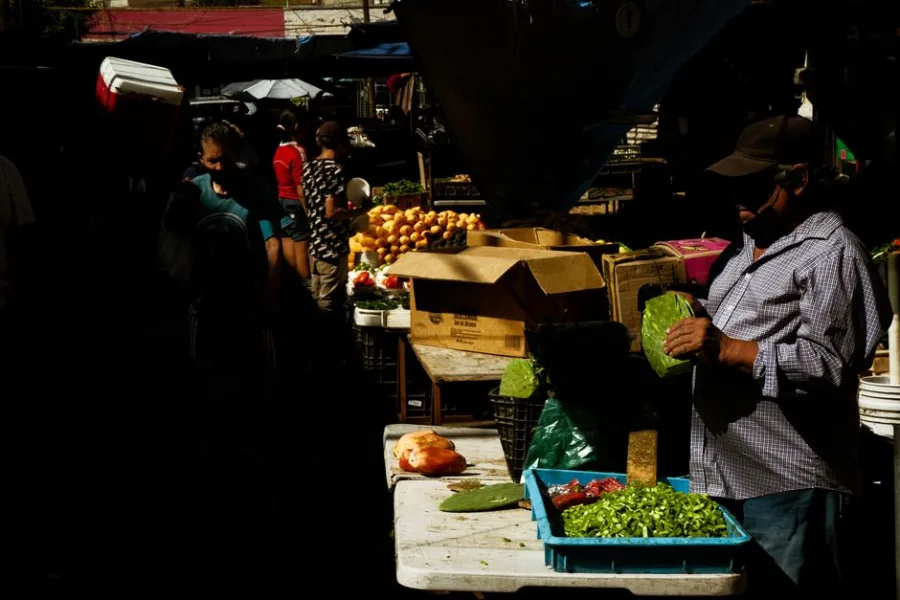
In Pedro Santana, the line between farm and kitchen is thin. Early mornings see families harvesting ripe plantains or gathering fresh herbs, which are then washed, peeled, and stored for the day’s cooking. The seasonal harvests dictate what appears on the table; a rainy season may bring abundant beans, while the dry months highlight preserved meats and dried corn. Modest kitchens—often a single stove, a cast‑iron pot, and a wooden table—are the heart of the home. Here, the same hands that tend the fields also stir the broth, ensuring that home‑cooked meals carry the flavor of the land.
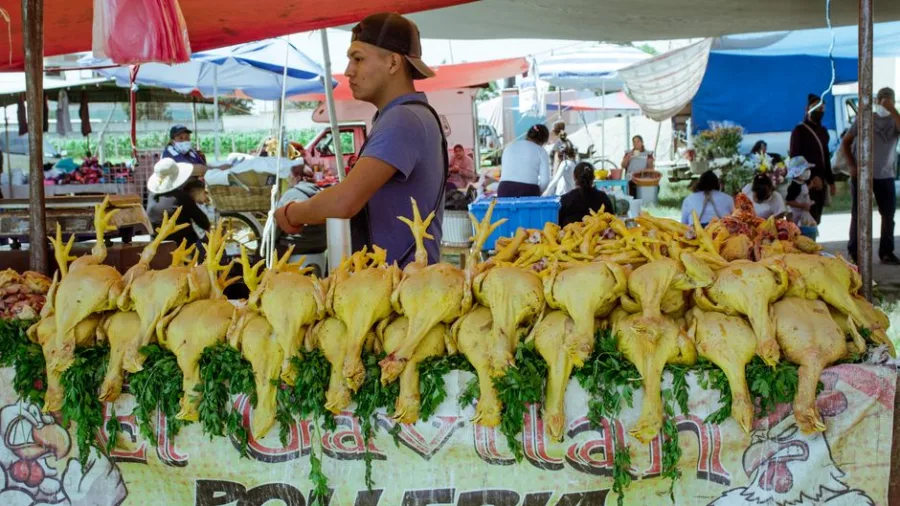
Signature Dishes Shaped by Modest Kitchens
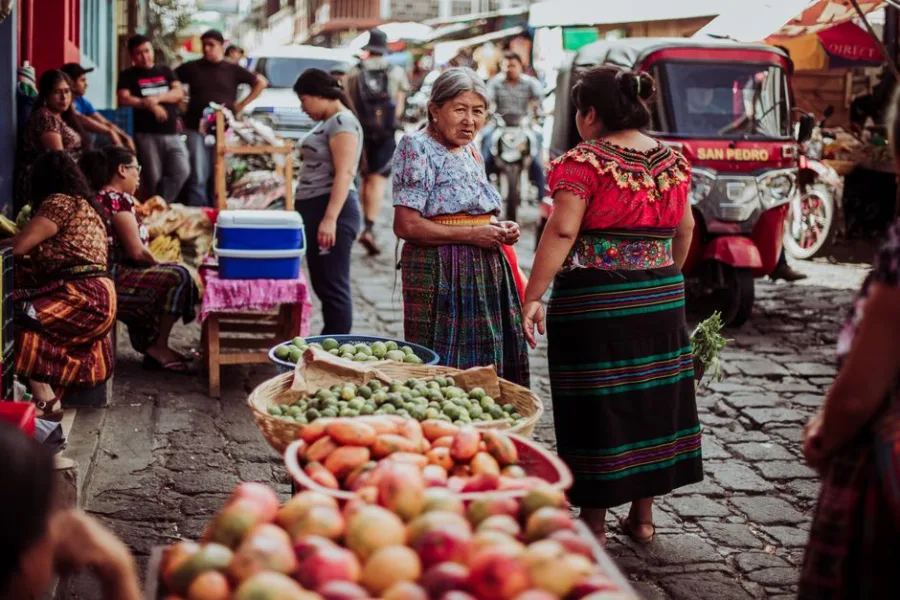
Visitors who sit down for a family lunch will encounter dishes that are both simple and deeply rooted in the region’s agricultural output. A classic sancocho—a hearty stew—combines beef or goat with corn, plantains, and yuca, all simmered until the flavors meld. The broth is enriched by locally grown cilantro and a splash of sour orange juice, a common garnish in the borderlands. Another staple is mangú, mashed plantains served with sautéed onions and a side of fried cheese, reflecting the abundance of plantains harvested nearby. Rice and beans, cooked in a single pot with a pinch of oregano, illustrate how modest resources can produce satisfying, nutritious meals.
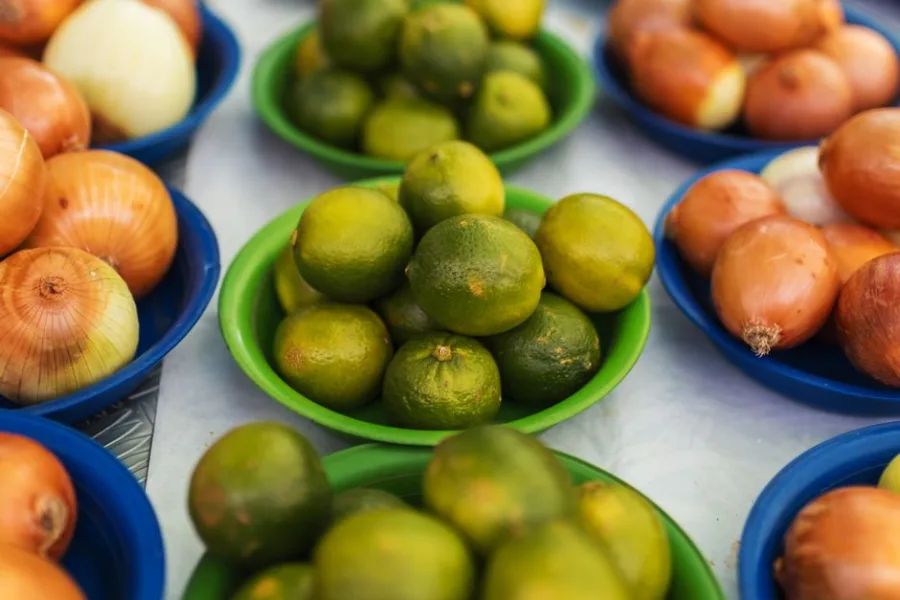
Practical Tips for Visitors Seeking Authentic Meals
- Seek homestays or community kitchens: Many families welcome travelers for a shared meal, offering a direct glimpse into daily life.
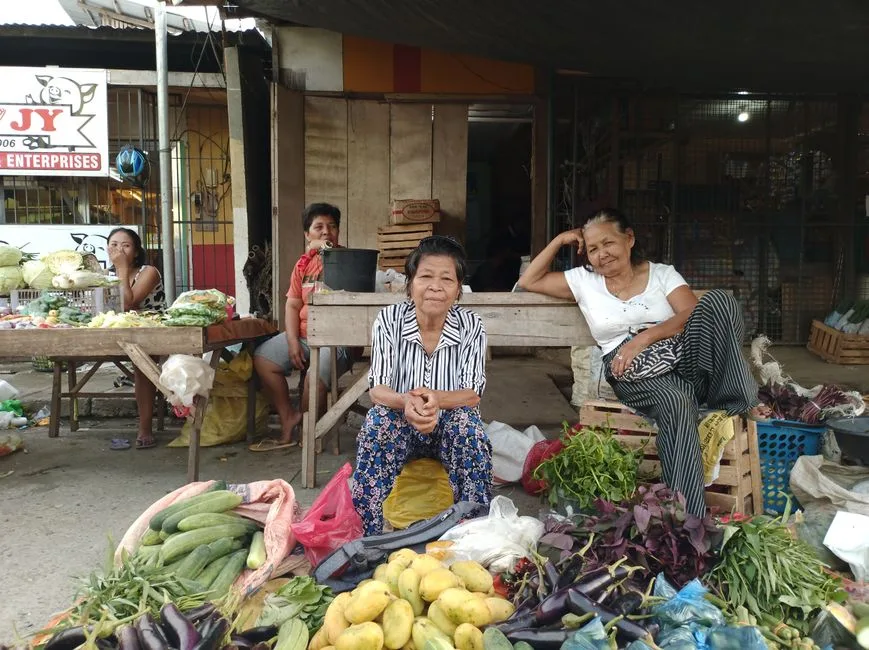
- Visit local markets early: The morning market in Pedro Santana showcases the freshest produce; buying a few ingredients lets you experience cooking alongside locals.
- Ask about seasonal dishes: Depending on the month, the menu will shift—ask which vegetables are at peak to enjoy the most flavorful plates.
- Respect kitchen customs: In modest kitchens, space is limited; offer to help with simple tasks like washing vegetables, which is often appreciated.
- Embrace the pace: Meals are unhurried affairs, meant to foster conversation and community. Allow extra time to savor the experience.
By engaging with the farm‑to‑table experience that Pedro Santana offers, travelers not only taste authentic flavors but also support the local hospitality that sustains these modest kitchens. The region’s culinary identity is inseparable from its agricultural practices, making each bite a story of the land, the labor, and the enduring generosity of its people.
Travel information can change. Confirm current entry requirements, opening hours and local guidance with official sources before your trip.

Comments 0
Share a helpful thought or question. Comments appear after review.
Be the first to share a thoughtful comment.
Leave a comment
Your email will not be displayed. Please keep comments relevant and respectful.