
- Destination
- Zhubei, Taiwan
- Collection
- Food
- Reading time
- 4 min
- Updated
- Nov 24, 2026
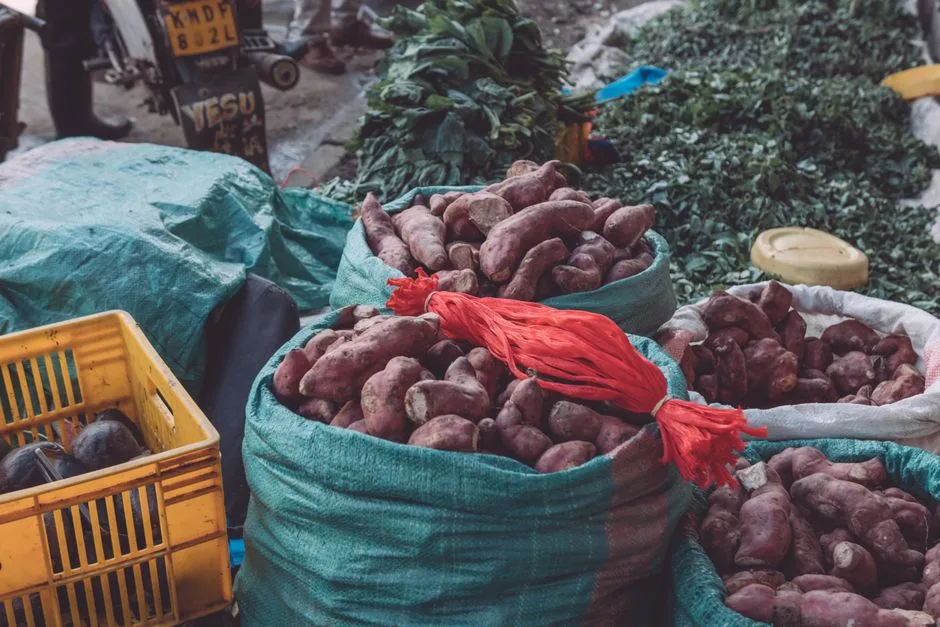
Hsinchu County, nestled between the coastal plains and the rolling hills of northern Taiwan, is a quiet powerhouse of vegetable production. While the county’s high‑tech parks attract global attention, its fields quietly nurture the ingredients that appear on the sizzling grills and steaming baskets of local street‑food stalls. Understanding this farm‑to‑stall supply chain reveals how seasonal abundance, cooperative logistics, and community ties keep the night‑market fare both affordable and flavorful.
The agricultural backbone
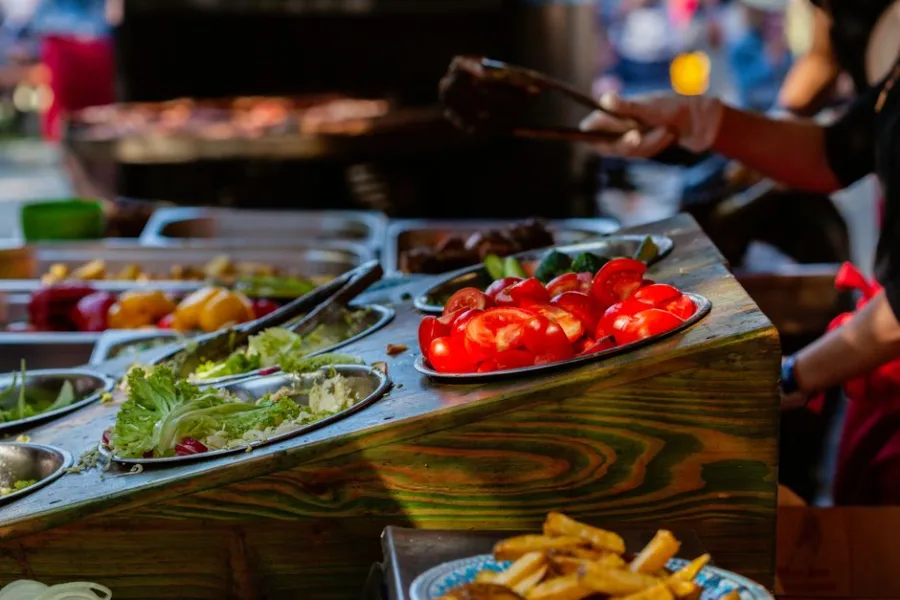
The county’s agricultural landscape is dominated by flat, well‑irrigated lands in townships such as Xinpu, Beipu, and Zhubei. These areas benefit from a subtropical climate that yields multiple harvests of leafy greens, cucumbers, carrots, and Chinese cabbage. Small‑scale family farms often join local cooperatives organized through the Hsinchu County Agricultural Promotion Center, which coordinates planting schedules, bulk purchasing of seeds, and collective marketing. This structure helps farmers achieve economies of scale without sacrificing the personal care that defines their produce.
From farm to stall
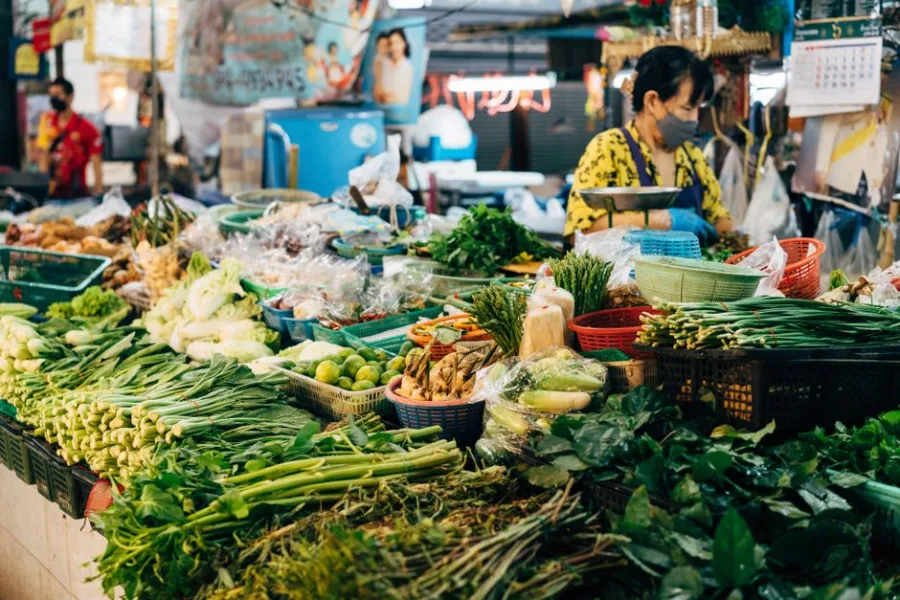
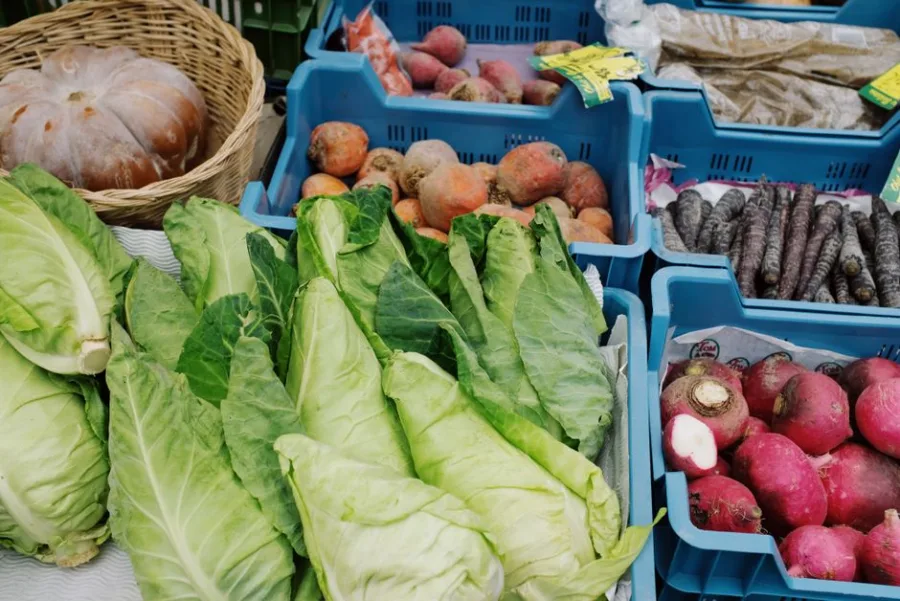
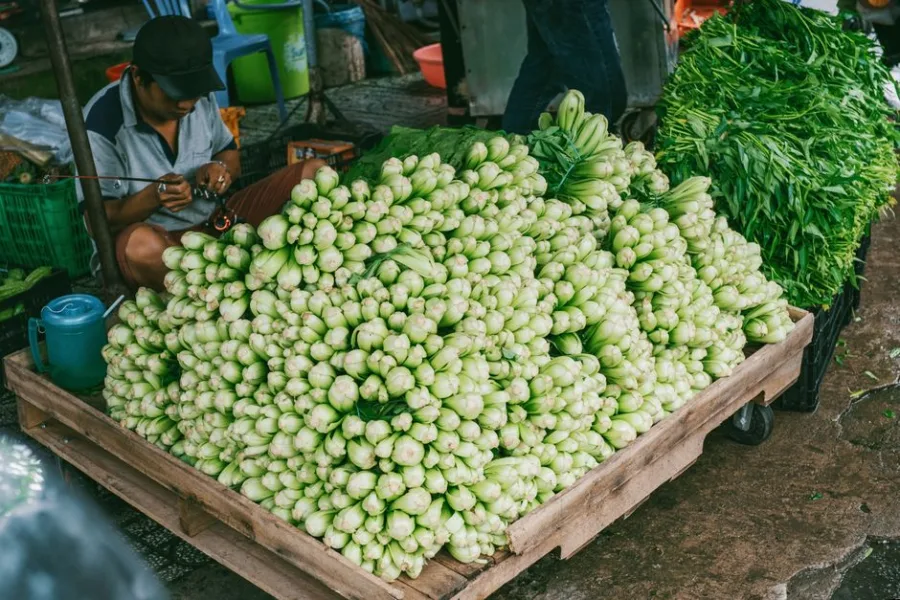
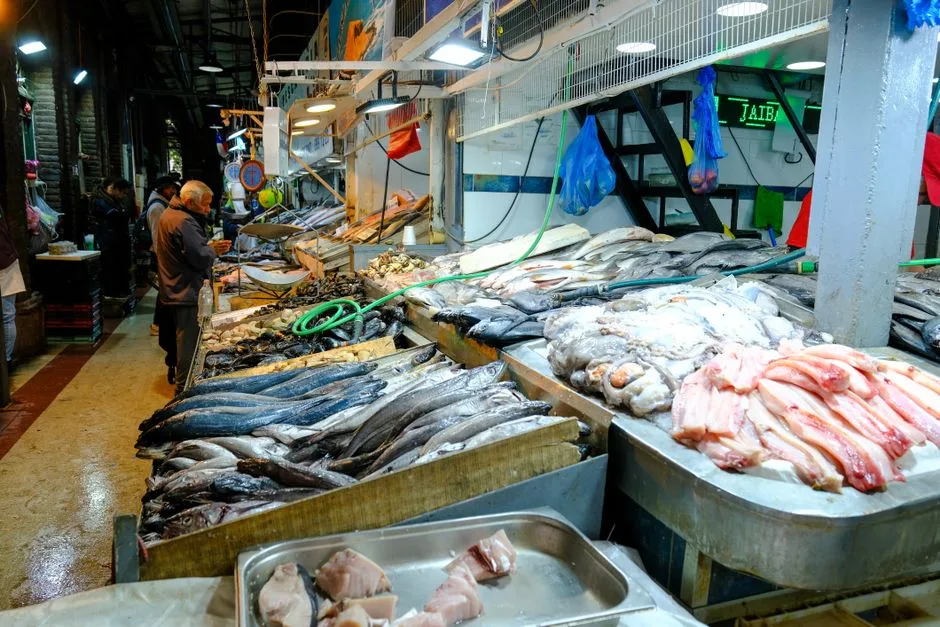
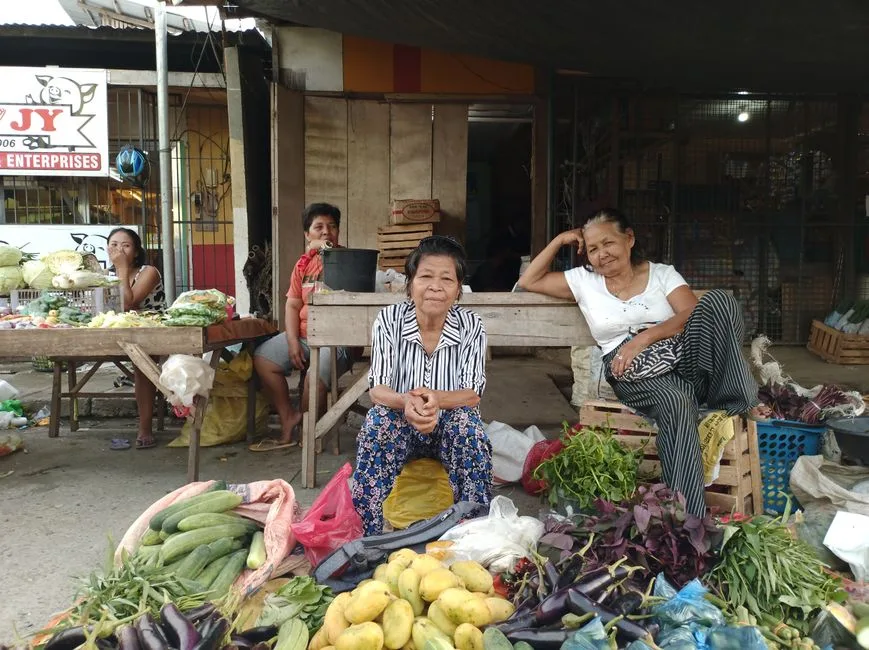
Morning deliveries are a routine spectacle: trucks loaded with crisp lettuce, tender bok choy, and bright red radishes leave the farms before dawn, heading for the bustling night‑market hubs in Xinpu and Zhudong. Vendors receive the vegetables directly, bypassing larger wholesale markets, which reduces handling time and preserves freshness. Because the supply is fresh, locally‑grown vegetables, stall owners can adjust their menus on the fly, swapping in whatever is at peak ripeness. This seasonal menu flexibility is why a simple oyster omelet might feature a garnish of newly harvested cilantro one night and a sprinkling of shredded carrot the next.
Signature stalls that rely on local greens
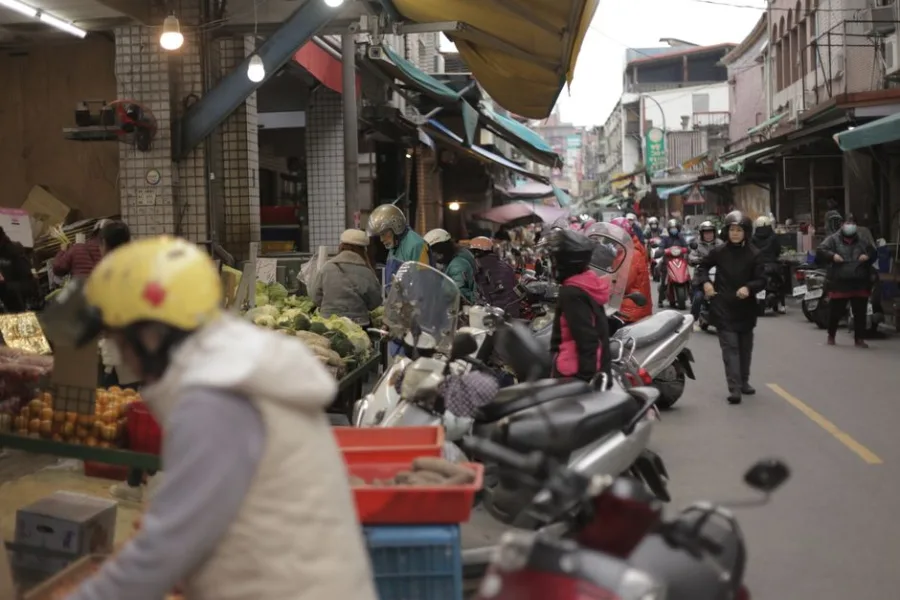
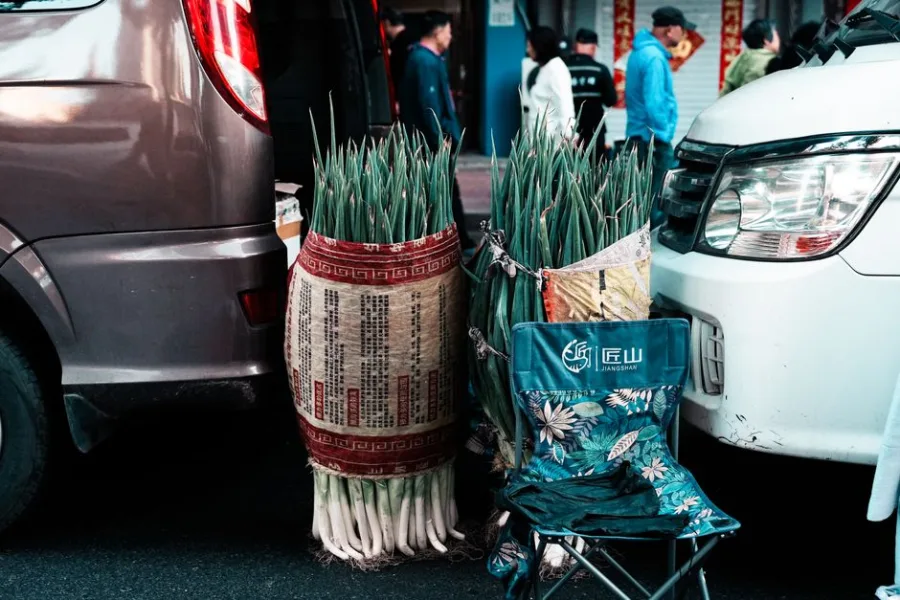
Among the most popular street foods, the lu rou fan (braised pork rice) often includes a side of pickled cabbage sourced from nearby farms, while the beloved fried tofu sticks are brushed with a glaze made from locally pressed soy sauce and a dash of farm‑grown scallions. The iconic stinky tofu stalls in Xinpu Night Market source their fermented tofu from a regional producer, but the accompanying lettuce leaves and sliced cucumber are almost always harvested that same morning. Even the humble scallion pancake benefits from the county’s sustainable sourcing practices, as the green onions are harvested just hours before the batter is mixed.
Supporting local cooperatives
When a stall owner chooses a particular farm, the relationship often extends beyond a single transaction. Many vendors participate in the cooperative’s quarterly “farm‑to‑stall” meetings, where growers share planting forecasts and vendors provide feedback on consumer preferences. This dialogue encourages farmers to experiment with varieties that suit street‑food applications—such as a sweeter, thinner carrot ideal for quick stir‑fry, or a crisp, slightly bitter kale that balances the richness of fried snacks. The result is a dynamic ecosystem where freshness and flavor reinforce each other.
Visiting the farms and markets
Travelers interested in seeing the supply chain in action can visit the Hsinchu County Agricultural Promotion Center in Zhubei, which offers guided tours of demonstration farms. These tours showcase modern irrigation techniques, organic pest management, and the cooperative’s packing facilities. Afterward, a short bus ride brings visitors to the Xinpu Night Market, where they can taste the very dishes that rely on the day’s harvest. For a deeper immersion, the annual Hsinchu County Harvest Festival—held each autumn—features stalls that highlight the direct link between field and plate, with cooking demonstrations that emphasize the importance of local produce.
Practical tips for food‑focused travelers
- Plan your visit for late afternoon or early evening to catch the freshest market offerings.
- Ask vendors about the origin of their greens; many are proud to name the specific township or farm.
- Sample seasonal specials; the menu changes with the harvest, so each visit offers new flavors.
- Support cooperatives by purchasing packaged produce or souvenirs directly from farm stalls.
By tracing the journey from the verdant fields of Hsinchu County to the sizzling stalls of its night markets, travelers gain a richer appreciation for the region’s culinary identity. The farm‑to‑stall connection not only sustains local economies but also ensures that every bite of street food carries the freshness of the day's harvest—a taste that is both simple and unforgettable.
Travel information can change. Confirm current entry requirements, opening hours and local guidance with official sources before your trip.

Comments 0
Share a helpful thought or question. Comments appear after review.
Be the first to share a thoughtful comment.
Leave a comment
Your email will not be displayed. Please keep comments relevant and respectful.