
- Destination
- Kyrgyzstan
- Collection
- Travel Tips
- Reading time
- 3 min
- Updated
- Nov 24, 2026
Climate and Altitude
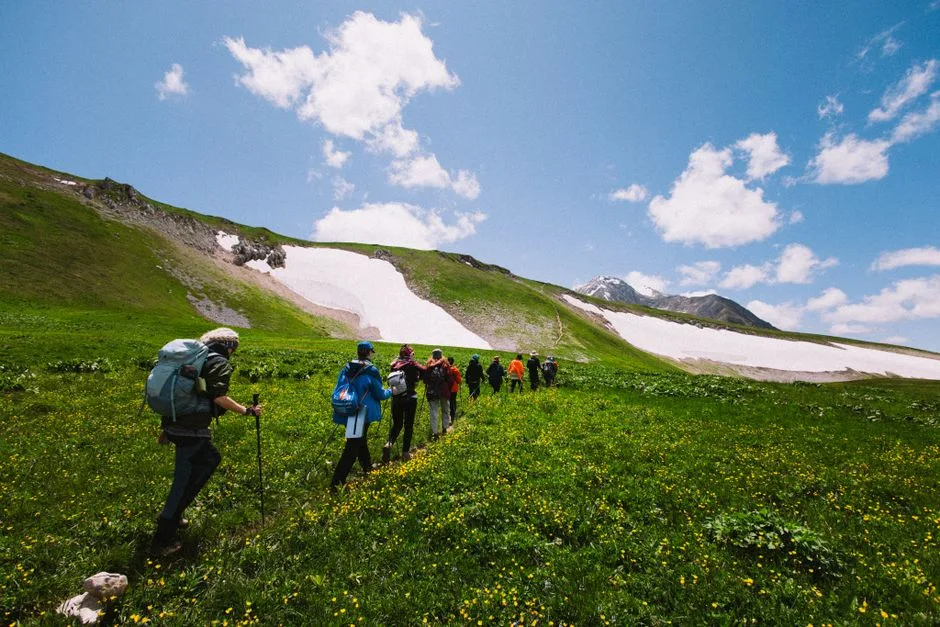
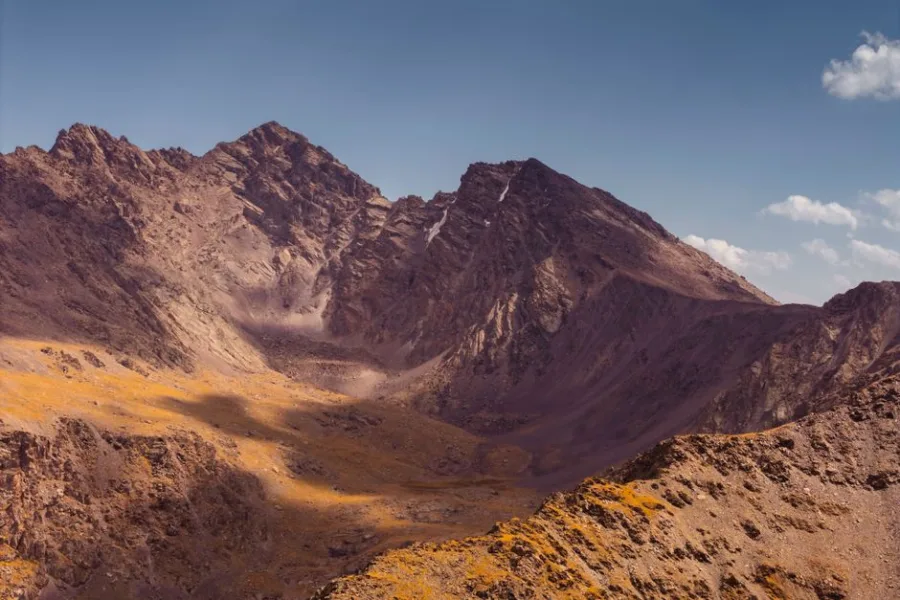
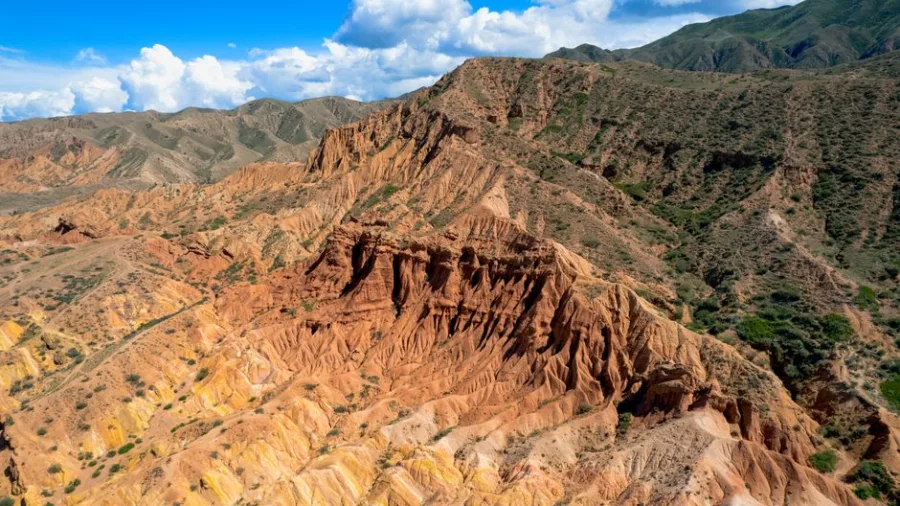
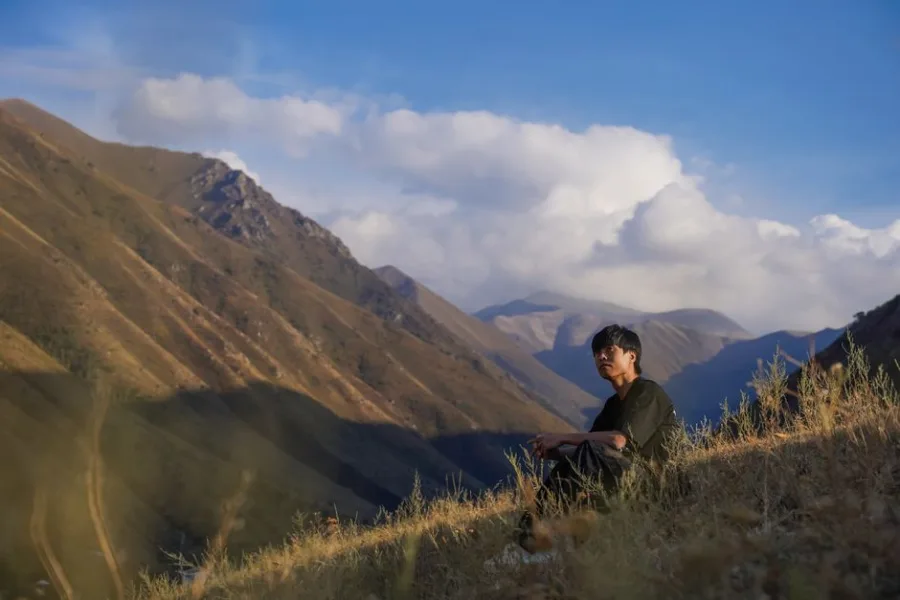
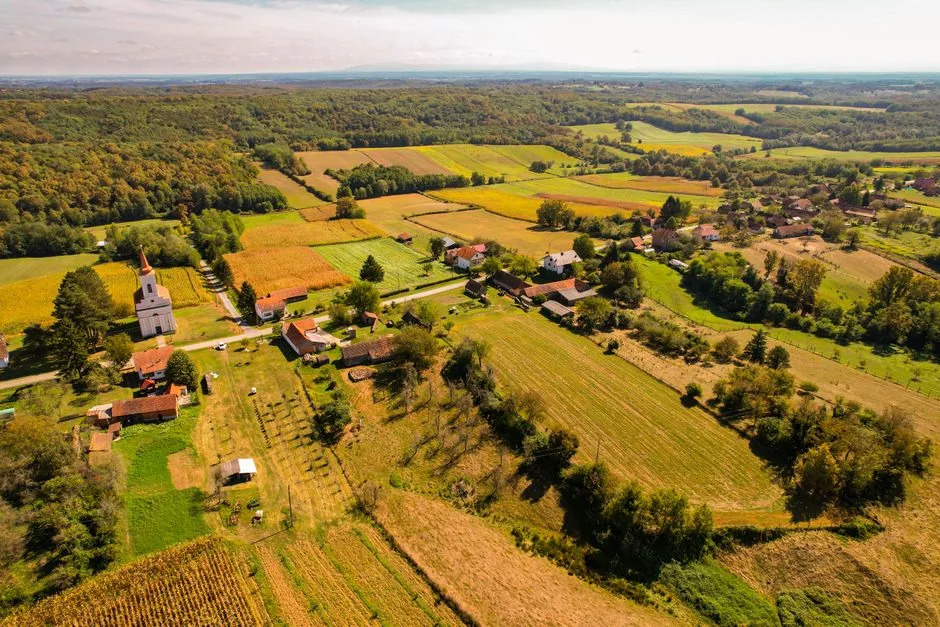
The Toktogul District sits in the western Tian Shan foothills, with river valleys that often exceed 2,000 m (6,600 ft). Weather can shift from sunny and dry to sudden snow or rain within hours. Daytime temperatures in summer typically range from 10 °C to 20 °C (50‑68 °F), while nights can drop below freezing. Expect strong UV radiation at altitude, and be prepared for wind gusts that make perceived temperature feel much colder.
Clothing Layers
A layered clothing system is non‑negotiable. Start with a moisture‑wicking base layer (synthetic or merino wool) to keep sweat off the skin. Add an insulating mid‑layer such as a fleece or lightweight down jacket. Top it with a breathable, wind‑proof, and water‑proof shell; many hikers prefer a hard‑shell jacket with sealed seams. Don’t forget a warm hat, insulated gloves, and a neck gaiter. For legs, pack convertible pants that zip off into shorts, plus thermal leggings for colder evenings.
Essential Gear
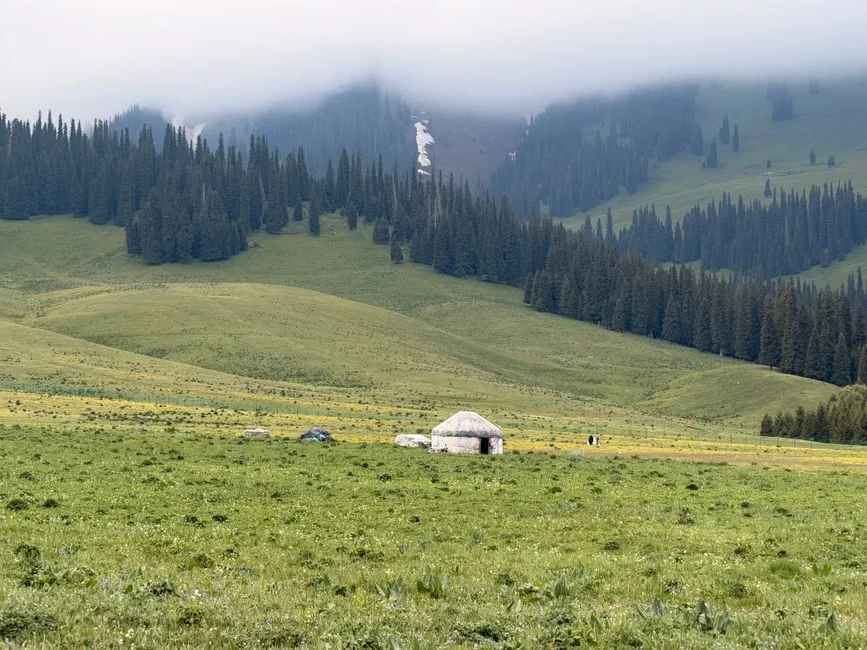
- Water‑proof backpack (30‑40 L) with a rain cover; the valleys can be misty and streams cross the trail.
- Sturdy trekking poles; they provide stability on uneven riverbeds and reduce strain on steep ascents.
- Altitude‑ready sleeping bag rated to at least –5 °C (23 °F); nights in the high valleys can be icy.
- Compact sleeping pad with an R‑value of 3 or higher for insulation from cold ground.
- UV‑blocking sunglasses and a wide‑brim hat to protect against intense sunlight reflected off water and snow.
- Headlamp with extra batteries; daylight fades quickly in the mountains.
- Map and compass plus a GPS device; cellular coverage is spotty, and trail markings may be minimal.
- First‑aid kit tailored for altitude travel (include blister treatment, pain relievers, and altitude sickness medication).
- Stove and fuel; lightweight canister stoves work well, but bring a backup solid‑fuel option in case of temperature‑related canister failure.
- Reusable water bottles (minimum 2 L total) and a water‑filter or purification tablets; river water is abundant but may carry pathogens.
Food, Water & Nutrition
High‑altitude exertion increases caloric needs. Pack calorie‑dense foods that are easy to prepare: dehydrated meals, instant oatmeal, nuts, dried fruit, and energy bars. Include a small supply of salty snacks to replenish electrolytes, especially if you sweat heavily. Boiling water not only purifies it but also provides a warm drink that helps maintain core temperature. Remember that boiling takes longer at altitude, so allow extra time.
Safety and Miscellaneous
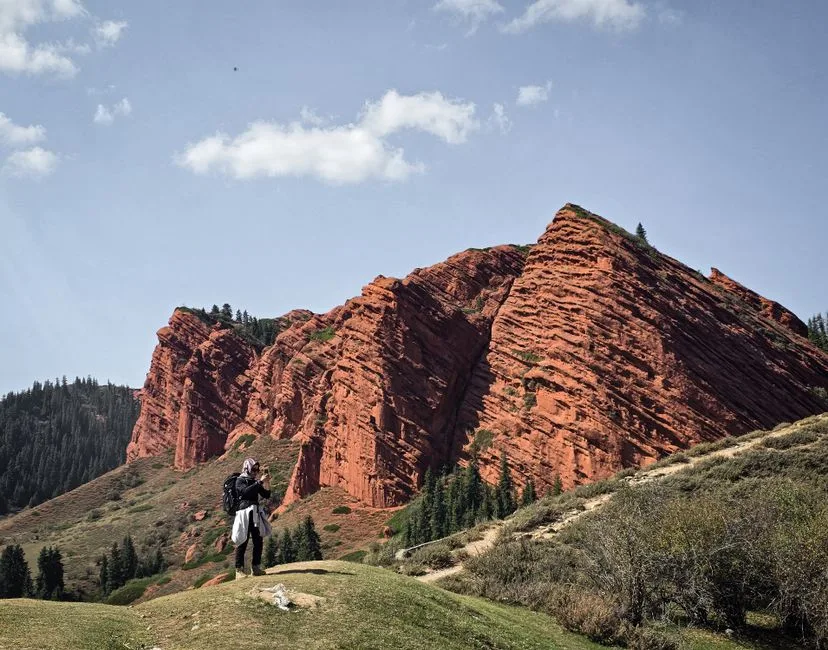
- Acclimatization plan: If you are arriving from lower elevations, spend at least one night at 1,500‑2,000 m before tackling higher passes. Ascend no more than 300‑500 m per day once above 2,000 m.
- Emergency communication: A satellite messenger or personal locator beacon can be a lifesaver where mobile networks are unreliable.
- Leave‑no‑trace principles: Pack out all waste, use established campsites, and avoid disturbing local flora.
- Cultural respect: The region is home to Kyrgyz herders who may be grazing livestock near the trails. Ask permission before entering private pasture and be mindful of livestock.
- Seasonal considerations: Late June to early September offers the most stable weather, but even then be prepared for sudden storms.
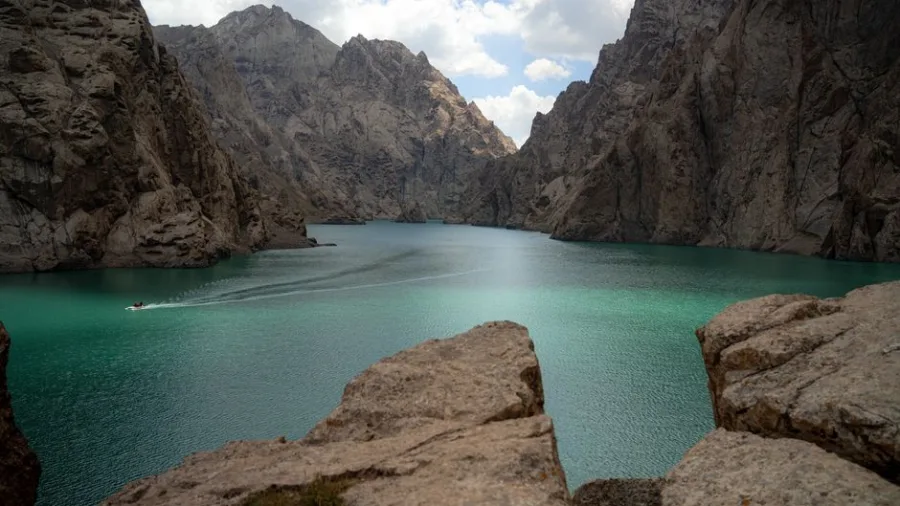
By adhering to this checklist, you’ll be equipped to enjoy the dramatic scenery of the Toktogul river valleys while staying safe and comfortable. The combination of thoughtful clothing, reliable gear, and prudent planning makes high‑altitude trekking in Jalal‑Abad both rewarding and manageable.
Travel information can change. Confirm current entry requirements, opening hours and local guidance with official sources before your trip.


Comments 0
Share a helpful thought or question. Comments appear after review.
Be the first to share a thoughtful comment.
Leave a comment
Your email will not be displayed. Please keep comments relevant and respectful.