
- Destination
- Israel
- Collection
- Destinations
- Reading time
- 4 min
- Updated
- Nov 21, 2026
Arrival and First Impressions
Arriving in Ashkelon, the coastal city of Israel’s Southern District, you are greeted by a skyline that stays close to the ground. Unlike the high‑rise towers of Tel Aviv, the historic core is a patchwork of modest stone houses, narrow alleys, and low‑rise apartment blocks that have grown organically over centuries. The city sits about 50 km south of Tel Aviv and a short drive north of the Gaza Strip, making it a convenient day‑trip stop for travelers exploring the southern coastline.


The Architecture of Everyday Life
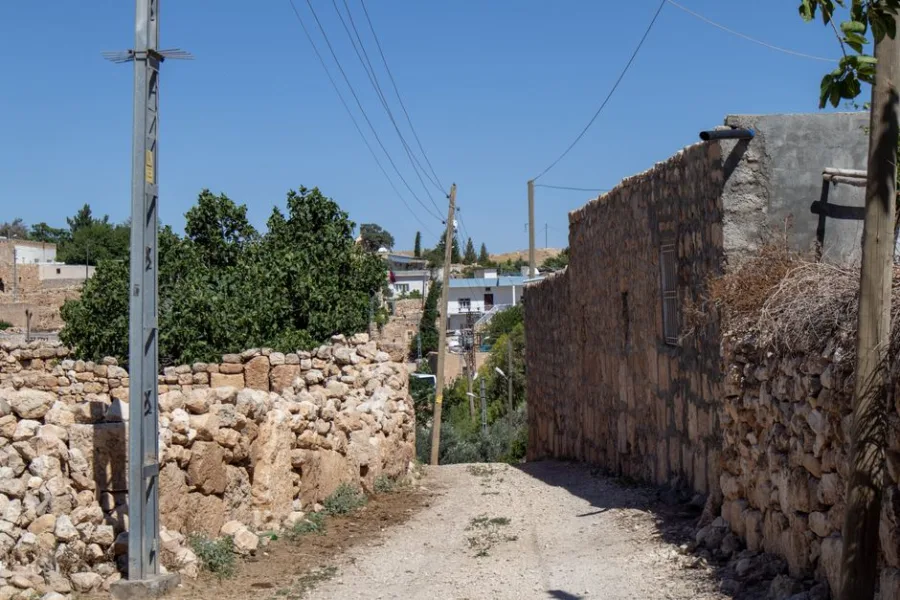
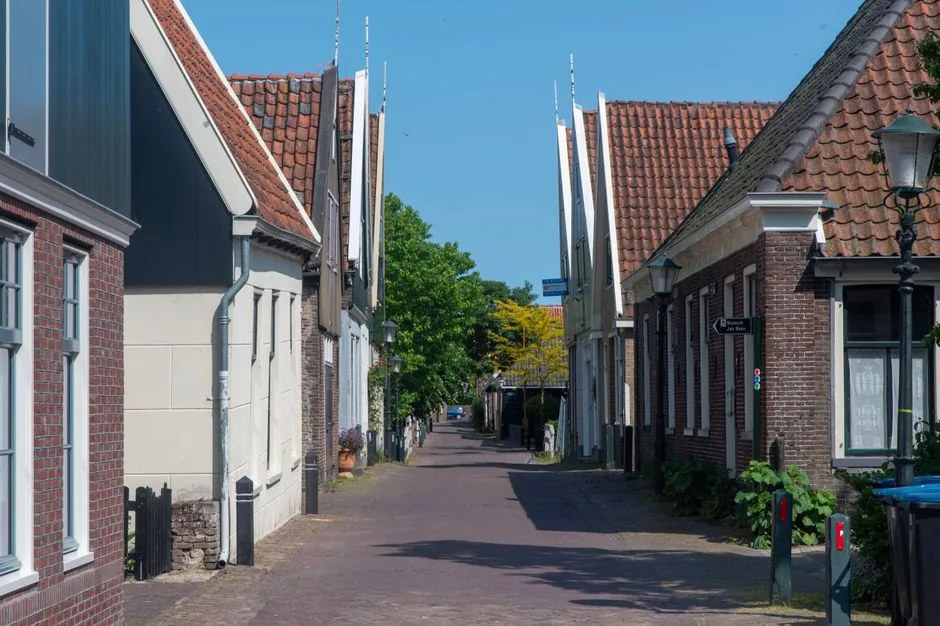
The stone houses of Ashkelon are typically two stories tall, built from locally quarried limestone that gives the streets a warm, honey‑colored hue. Flat roofs double as family terraces, where residents dry laundry, tend small herb gardens, or simply watch the sunset over the Mediterranean. Windows are often recessed, providing shade during the hot summer months, while wooden shutters add a touch of traditional craftsmanship.
Inside, rooms are arranged around a central hallway that leads to the kitchen and living area. This layout reflects the practical needs of multi‑generational families, allowing elders to stay close while children enjoy a degree of independence. The modest scale of the homes encourages a slower pace of life; you’ll often hear the clatter of dishes, the murmur of conversation, and the occasional call to prayer echoing through the narrow lanes.
Walking the Historic Streets
Set out from the modern beachfront promenade and turn onto the older streets that wind away from the sea. The first thing you’ll notice is the consistent rhythm of stone façades, each with its own subtle variations in texture and color. As you walk, pause at the shuk (market) stalls that line the main thoroughfare; vendors sell fresh produce, spices, and locally baked breads. Even if you’re not buying anything, the market offers a vivid snapshot of daily commerce and social interaction.
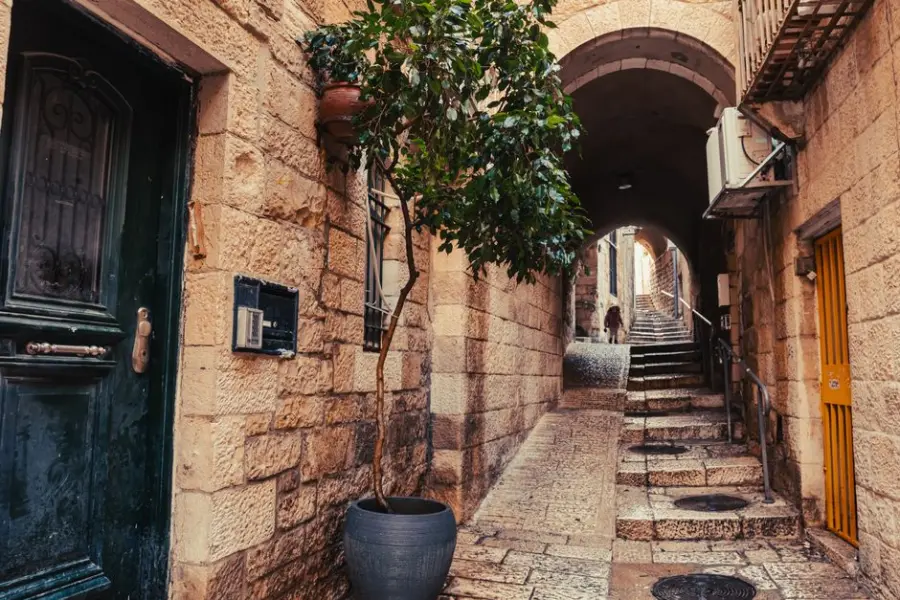
The alleys are narrow enough that sunlight filters in at a slant, creating patterns on the ground that shift throughout the day. Look up to see balconies adorned with potted geraniums or climbing vines—small touches that soften the stone walls and signal the residents’ personal care for their homes. Occasionally, you’ll pass a beit (house) with a small prayer niche, a reminder of the city’s mixed cultural heritage.
Community Spaces and Modern Touches
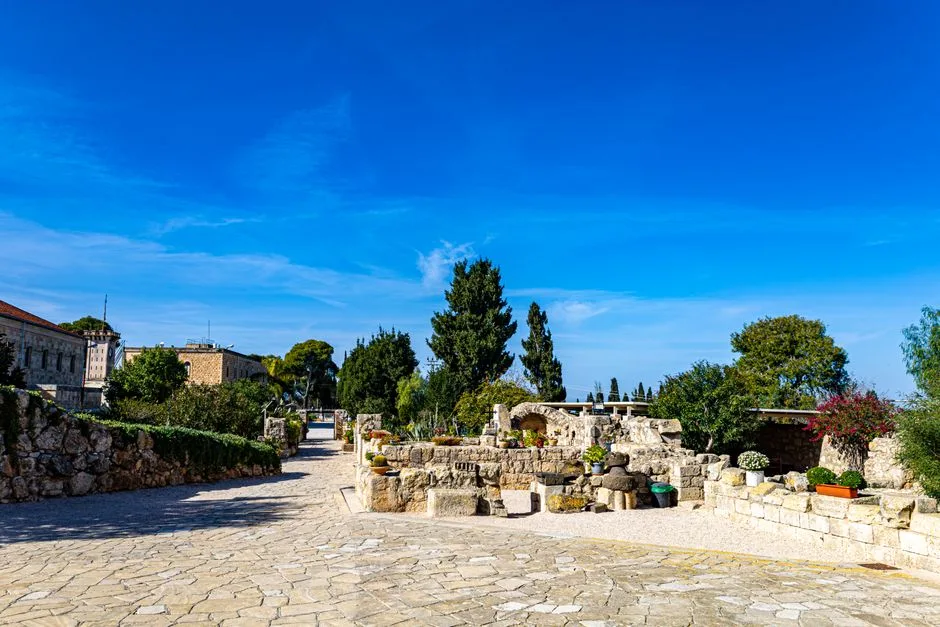
While the historic core retains its low‑rise character, Ashkelon’s municipal planning has introduced modest public amenities that respect the existing scale. Small parks with benches are tucked between residential blocks, offering quiet spots for locals to read or chat. The city’s cultural center hosts exhibitions on regional archaeology, providing context for the ancient ruins that sit just a short walk from the stone houses.
Public transportation is straightforward: regular bus lines connect the old town with the beachfront and the nearby Ashkelon Railway Station, which links to Tel Aviv and Beersheba. This connectivity allows residents to commute for work while still enjoying the intimacy of their neighborhood.
Practical Tips for the Walker
- Wear comfortable shoes: The stone streets can be uneven, especially after rain.
- Carry water: Even in the cooler months, the Mediterranean climate can be dehydrating.
- Respect private property: Many homes have small gardens or terraces that are clearly private; a polite nod is appreciated if you pass by.
- Visit during off‑peak hours: Early morning or late afternoon offers cooler temperatures and fewer crowds, allowing you to absorb the atmosphere more fully.
Walking Ashkelon’s modest stone houses offers more than a visual tour; it provides a tactile sense of how architecture shapes everyday life. The low‑rise buildings foster close community ties, encourage outdoor family activities, and preserve a rhythm that contrasts sharply with Israel’s more rapidly modernizing cities. By moving slowly through the streets, you can appreciate how each stone, each balcony, and each courtyard contributes to a living tapestry of Southern District culture.

Travel information can change. Confirm current entry requirements, opening hours and local guidance with official sources before your trip.


Comments 0
Share a helpful thought or question. Comments appear after review.
Be the first to share a thoughtful comment.
Leave a comment
Your email will not be displayed. Please keep comments relevant and respectful.