
- Destination
- Bambang, Philippines
- Collection
- Food
- Reading time
- 3 min
- Updated
- Nov 19, 2026
Climate Overview
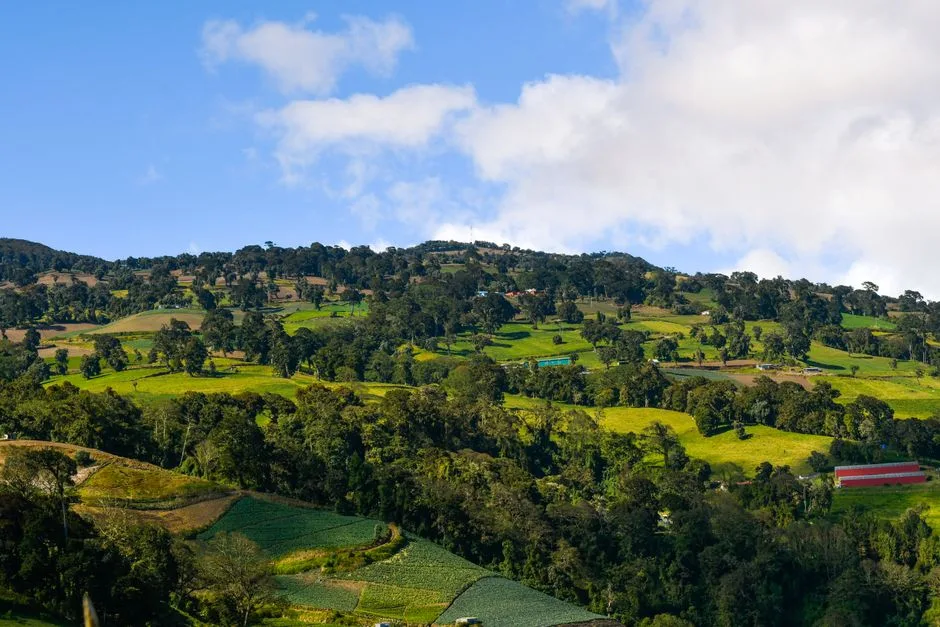
Nueva Vizcaya occupies the central highlands of the Cagayan Valley, with elevations that generally range from about 300 m to over 1,500 m. Local observations suggest that daytime temperatures in the dry months often hover around 20‑25 °C, while nighttime lows can fall to 12‑15 °C, especially from November through February. The region experiences a distinct wet season from June to October, which together with the altitude‑moderated temperatures creates a planting calendar that differs from the low‑lying provinces of Luzon.
Market Patterns
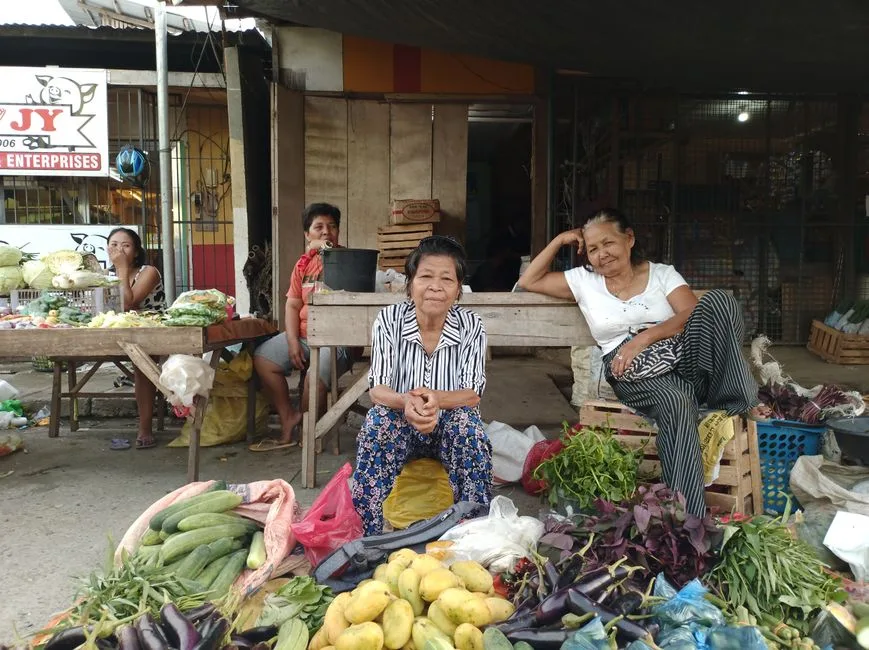
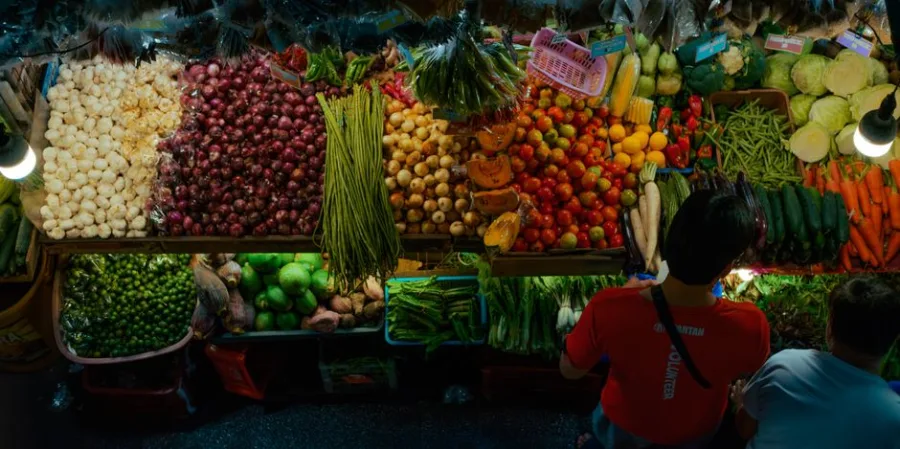
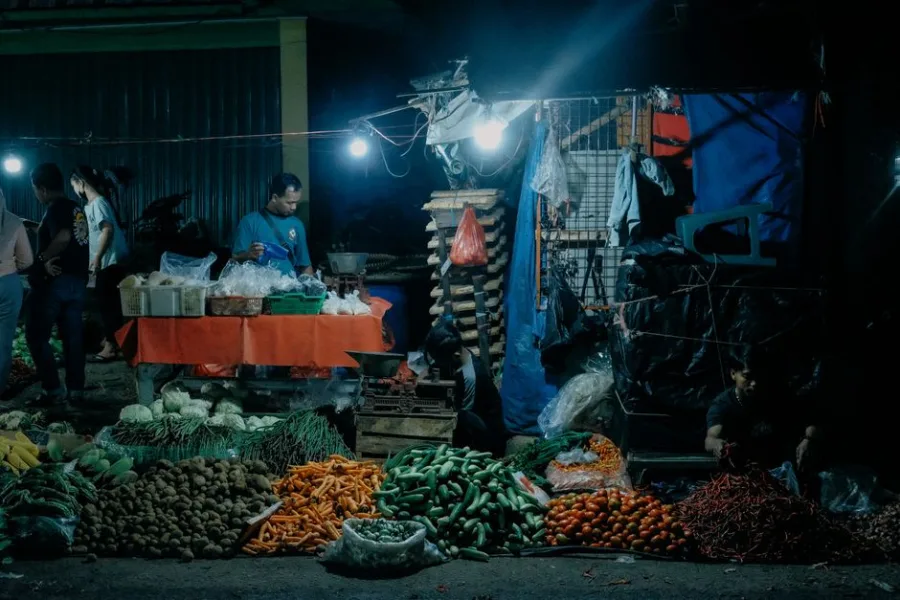
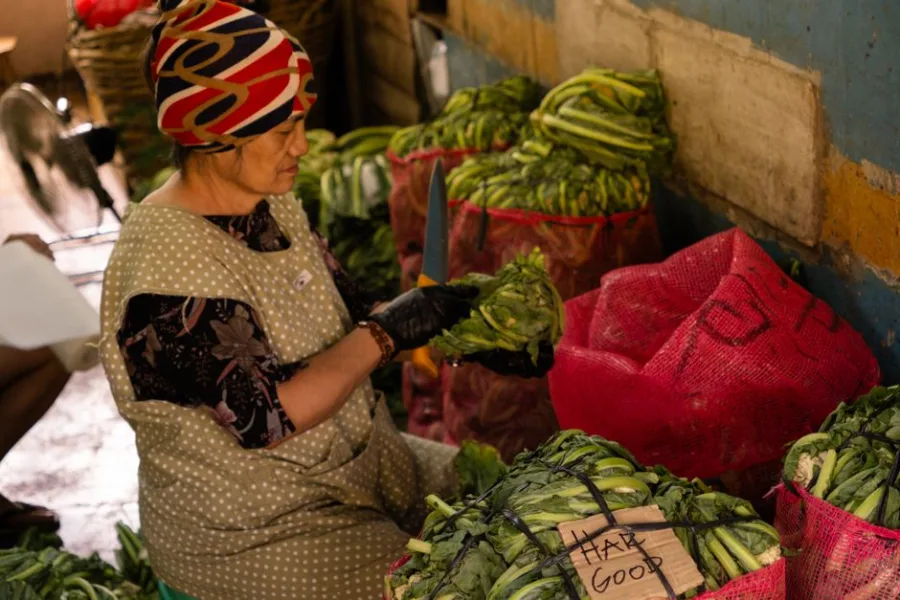
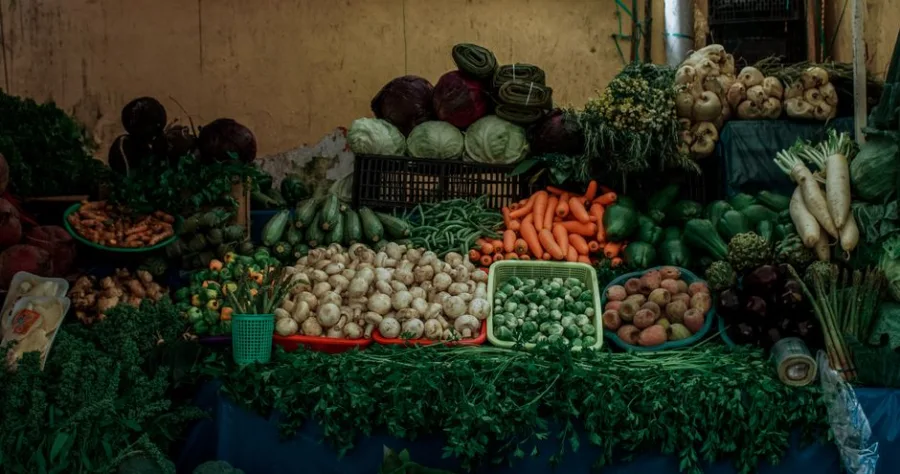
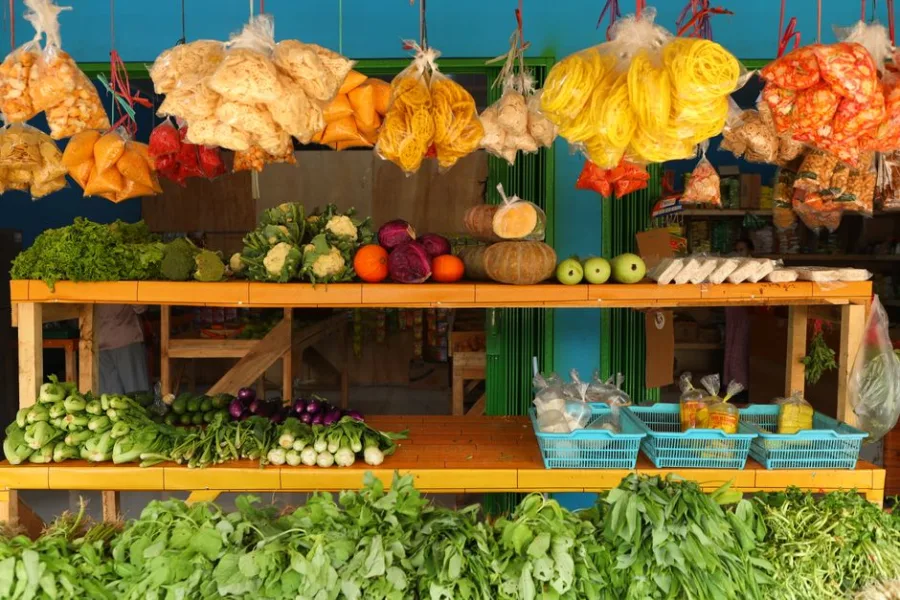
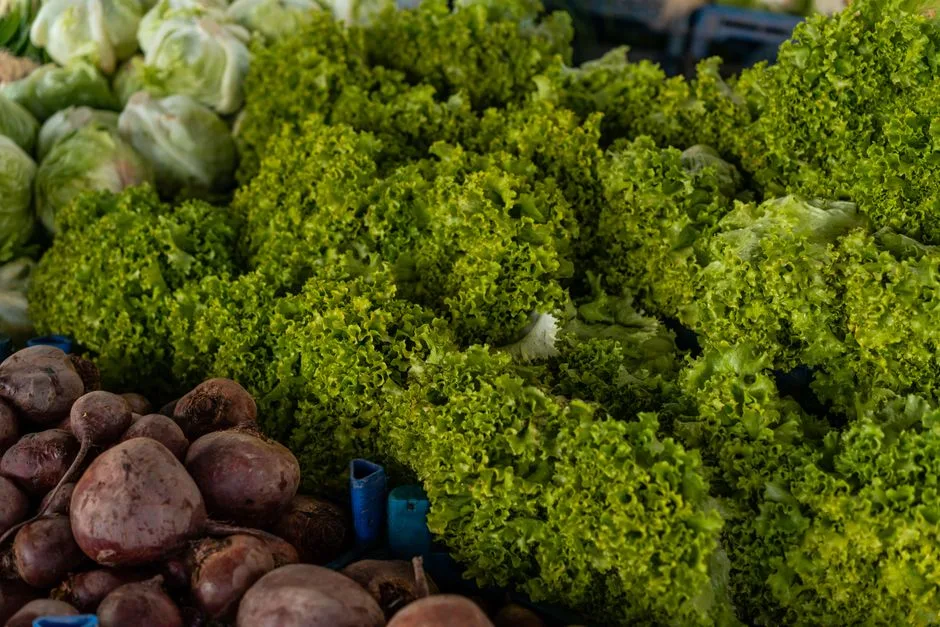
The timing of produce in Bayombong, Solano and other municipal markets reflects the climate‑driven agricultural cycle. In the early dry period (March‑May) farmers typically harvest cool‑season vegetables such as lettuce, cabbage and radish, which grow well in the drier, milder air. As the rains begin, the market stalls commonly shift toward moisture‑loving crops—varieties of beans, squash and several leafy greens appear in larger quantities. By September and October, root crops like carrots, potatoes and onions often reach peak availability; cooler soil temperatures are reported to enhance their sweetness and texture. Some vendors label fresh harvests with the tag bagong ani, but this practice is not universal and may vary by stall.
Home Cooking Practices
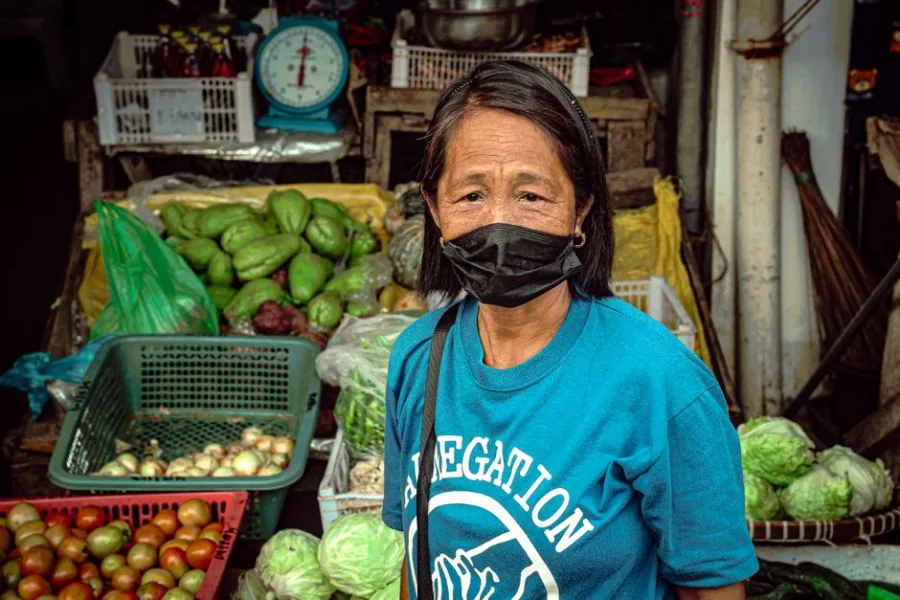
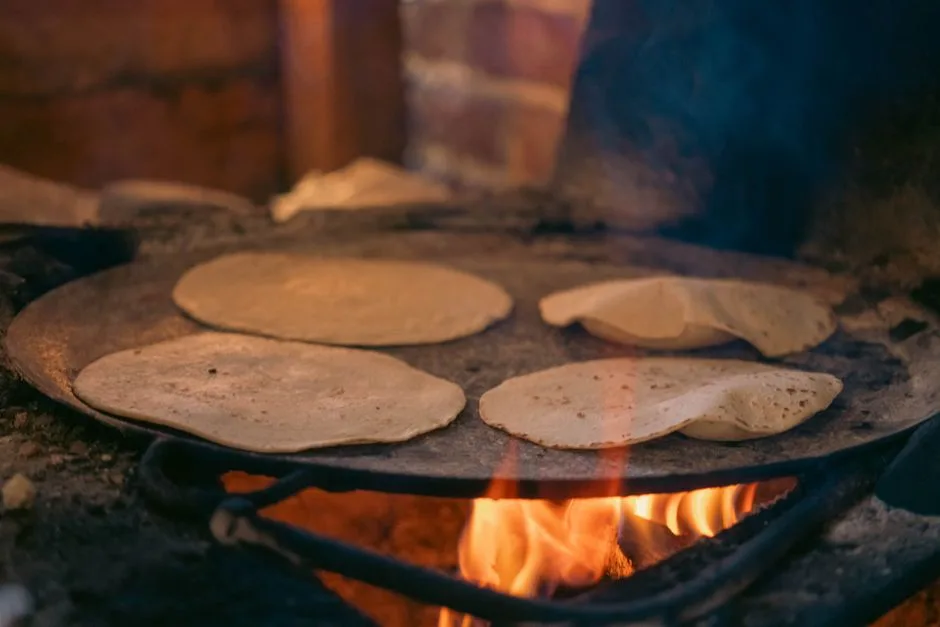
Households adapt their daily menus to the produce that arrives each month. During the cooler months, cooks frequently prepare dishes that showcase the crispness of cabbage and lettuce, for example simple sautéed greens with garlic, or pinakbet that combines squash, bitter melon and eggplant. The extended availability of leafy greens allows for their inclusion in soups, stews and stir‑fries without relying on imported varieties. When the rainy season brings an abundance of beans and root crops, meals tend to become heartier: sinigang may feature radish and taro, while pork adobo is often enriched with potatoes and carrots. Practical adjustments include blanching beans briefly to preserve texture, adding a splash of local cane vinegar to balance the cooler palate, and using native chilies sparingly to introduce gentle heat.
Visitor Guidance
Travelers seeking authentic flavors can align their market visits with the typical harvest windows. A March‑April trip usually offers the freshest lettuce and cabbage, ideal for salads or light stir‑fries, while a September visit often coincides with sweet potatoes, fresh beans and a variety of root vegetables suitable for stews. When shopping, look for vibrant colour, firm texture and, where present, the bagong ani label as indicators of recent harvest. Because vendors tend to sell the most recent stock early in the morning, arriving before the mid‑day crowd increases the chance of selecting the best produce. For those cooking on the road, simple techniques—such as quick‑sautéing greens with garlic, or simmering root vegetables with a modest amount of broth and local vinegar—allow the regional flavors to shine without requiring elaborate preparation.
Embracing the Highland Palette
The interplay of climate, agriculture and cuisine in Nueva Vizcaya creates a culinary landscape that is both seasonal and resilient. By understanding how the cool highland climate influences planting cycles and market timing, visitors and locals alike can appreciate the subtle shifts in flavor that define each season. Whether sampling a modest vegetable soup in a mountain barangay or preparing a family‑style pinakbet at home, the region’s produce tells a story of its environment—one that rewards patience, timing and respect for the land.
Travel information can change. Confirm current entry requirements, opening hours and local guidance with official sources before your trip.

Comments 0
Share a helpful thought or question. Comments appear after review.
Be the first to share a thoughtful comment.
Leave a comment
Your email will not be displayed. Please keep comments relevant and respectful.