
- Destination
- Egypt
- Collection
- Food
- Reading time
- 3 min
- Updated
- Nov 20, 2026
The Agricultural Landscape
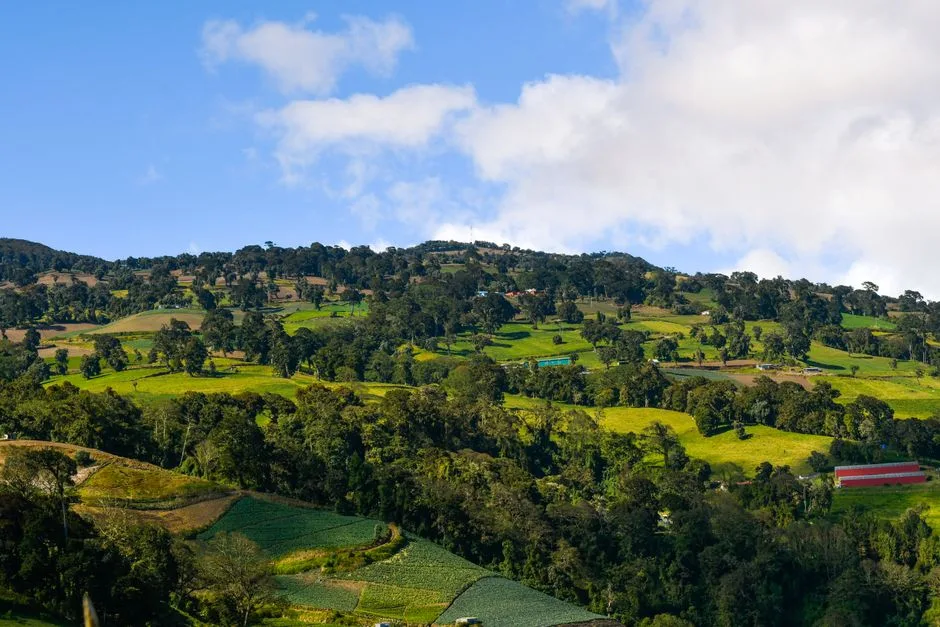
Bahr El Bakr sits on the east bank of the Nile in the heart of Dakahlia Governorate. The district benefits from the alluvial soils that have fed the Egyptian Delta for millennia, and most families still rely on small‑scale farms that stretch from the riverbank to the surrounding canals. The rhythm of planting, irrigation and harvest is visible in the fields that line the main road, and it directly informs what appears on the kitchen table.
From Field to Table
During the spring, the first irrigation water reaches the rice paddies that dominate the low‑lying terrain. Local cooperatives often sell the grain in bulk, allowing households to buy rice directly from a farmer’s cooperative at a price that reflects the season’s yield. When the harvest arrives in late summer, families stockpile the white kernels for the months ahead, using them as the base for almost every main course.
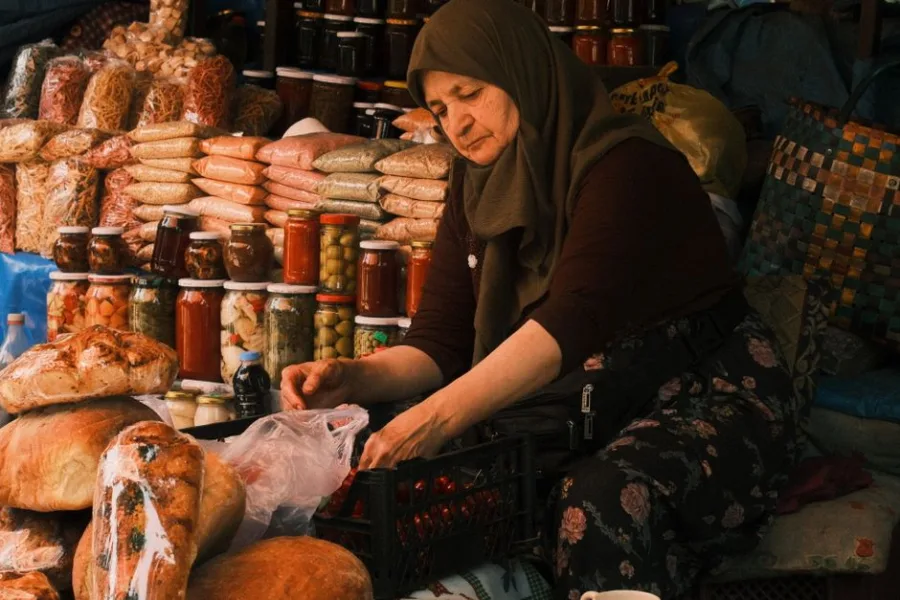
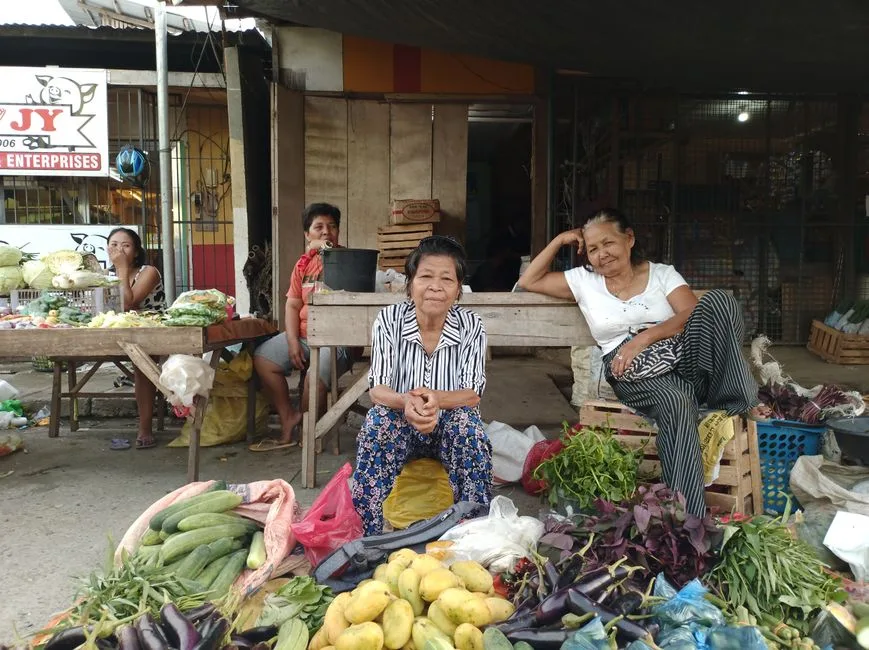
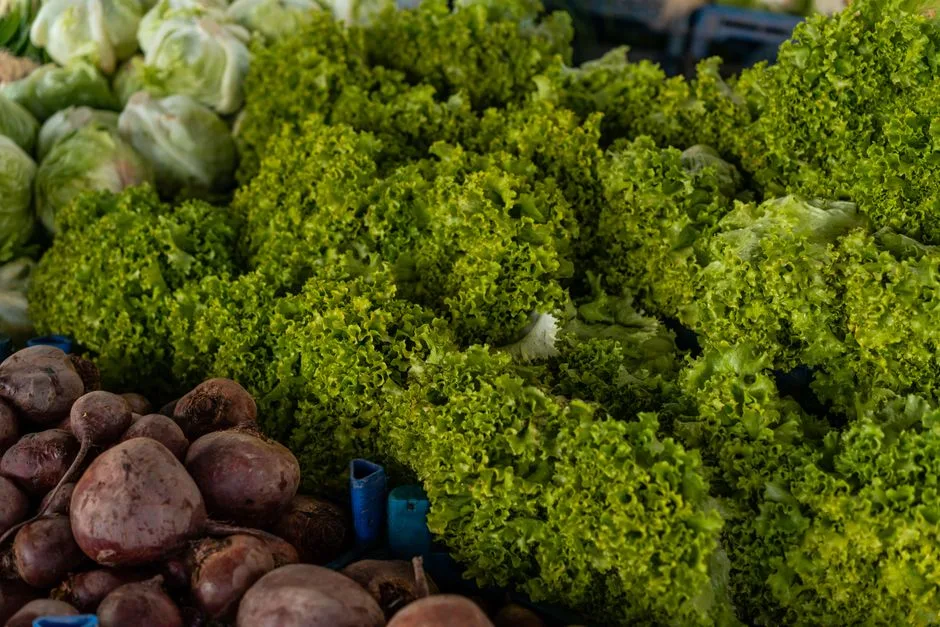
The same canals that nourish rice also support a patchwork of vegetable plots. Smallholders grow tomatoes, cucumbers, eggplant, okra, and a variety of leafy greens such as molokhia and basil (habas). Because the soil is rich and water is abundant, the produce is often harvested the same day it is sold at the local market, giving home cooks access to fresh, seasonal vegetables that define the region’s stews and salads.
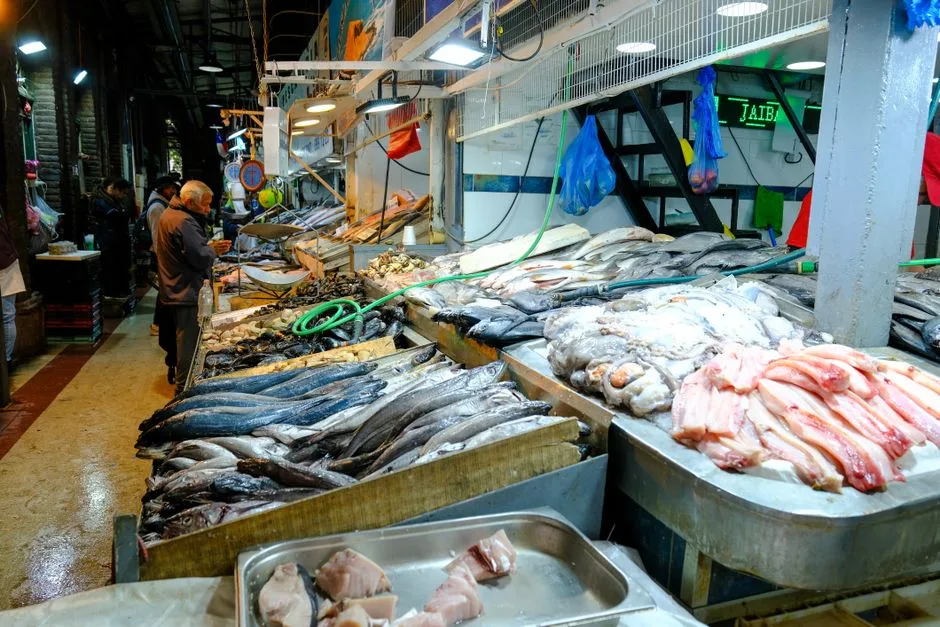
Livestock is modest but essential. Many families keep a few water‑buffalo or goat for milk, which is turned into labneh or used to enrich sauces. The dairy is typically sold in the afternoon market, where you can watch the midday market bustle and see how the same milk that fills a cup at breakfast also finishes a pot of creamy rice.
Core Home‑cooked Staples
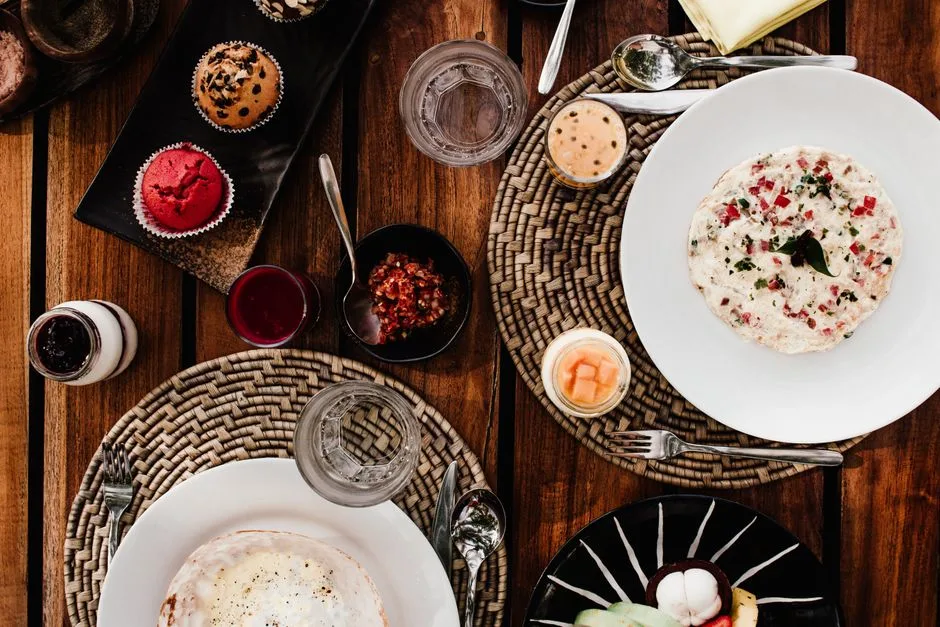
A typical Bahr El Bakr household will start the day with ful (stewed fava beans) seasoned simply with cumin, lemon, and a drizzle of olive oil. For lunch, a common plate is rice with a tomato‑based vegetable stew, often thickened with a handful of molokhia leaves and served alongside a small portion of grilled river fish or chicken. Dinner may feature koshari, a layered mix of rice, lentils, chickpeas, and crispy onions, topped with a tangy tomato sauce that reflects the region’s love of bright, balanced flavors.
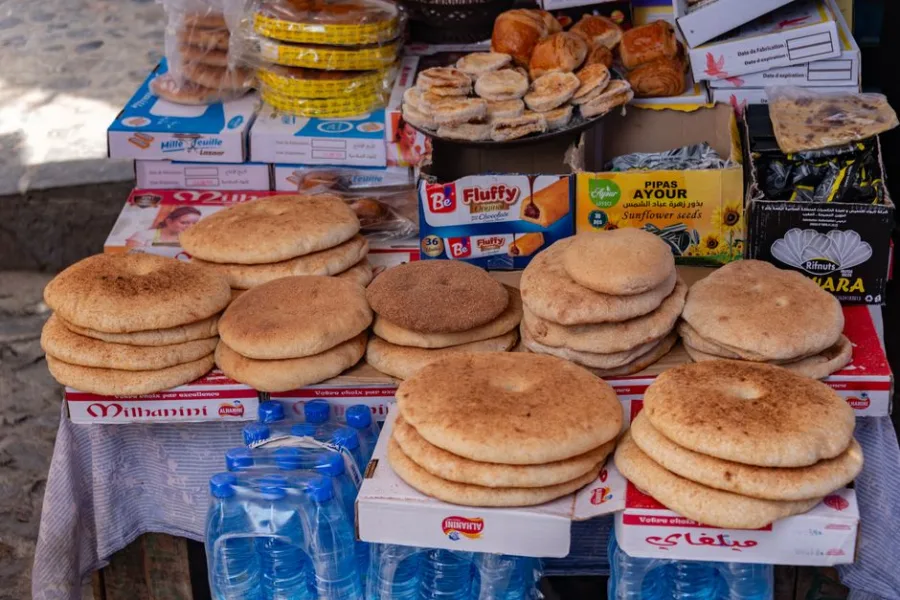
Another everyday favorite is ta'ameya, the Egyptian version of falafel made from crushed fava beans rather than chickpeas. The beans are mixed with fresh herbs, onions, and a pinch of cumin, then fried until golden. Served with a side of pickled vegetables and warm baladi bread, it showcases how the local farms supply both the main ingredient and the accompaniments.
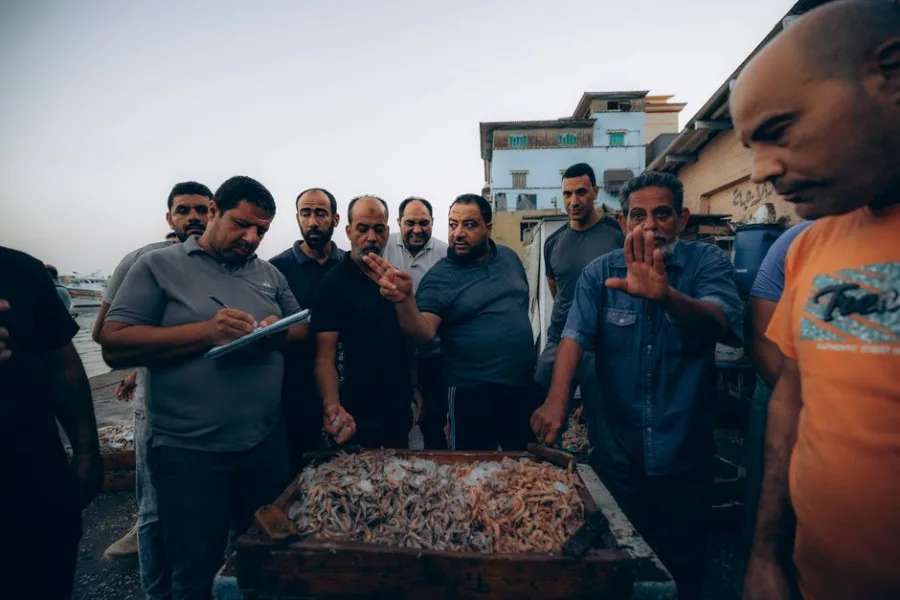
Cooking Methods and Simple Spice Blends
Most cooking in Bahr El Bakr is done on a gas stove or a modest charcoal grill. Families rely on a handful of staple spices—cumin, coriander, black pepper, and a dash of baharat—to build flavor without overwhelming the natural taste of the ingredients. Learning the simple spice blends used daily can help visitors recreate the dishes at home and understand why the food feels both familiar and distinct.
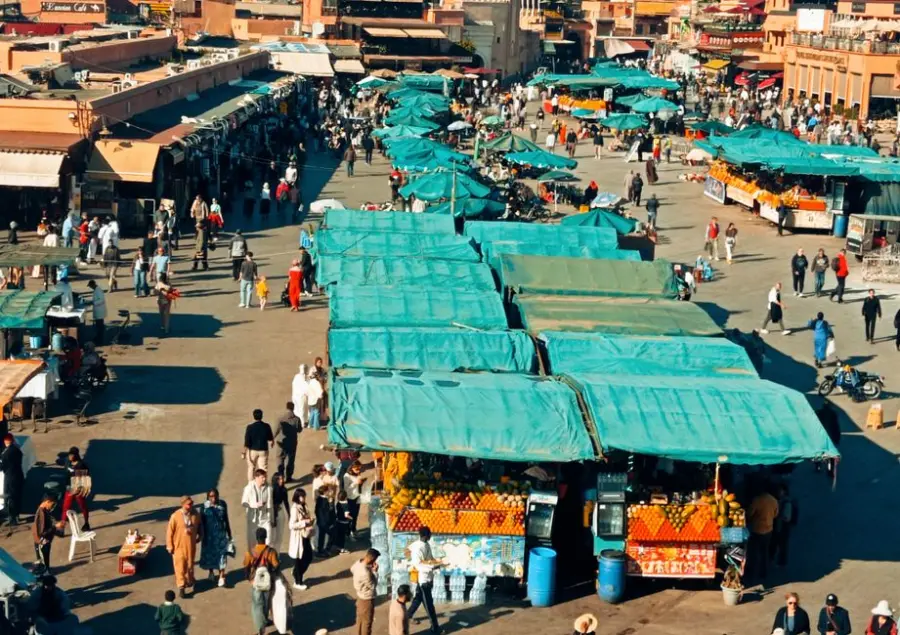
Practical Tips for Travelers
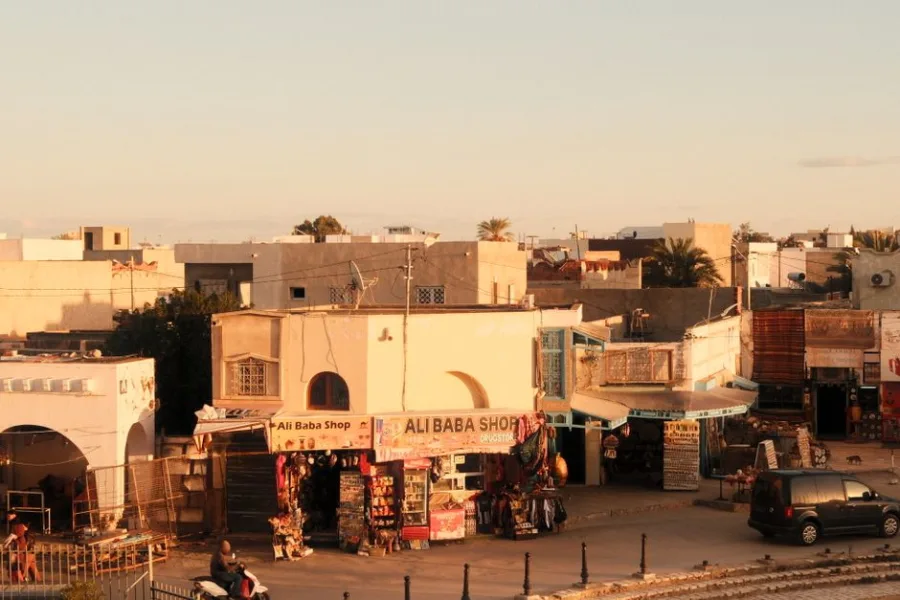
If you wish to experience these home‑cooked meals, consider staying with a local family or a guesthouse that offers kitchen access. Arriving early at the morning market gives you the chance to select the freshest produce and perhaps chat with the farmer who grew it. When invited to a meal, observe the modest serving sizes; dishes are meant to be shared, and the emphasis is on community rather than abundance. Finally, remember to respect local customs—remove shoes before entering a home, wash your hands before eating, and thank your host for the hospitality.
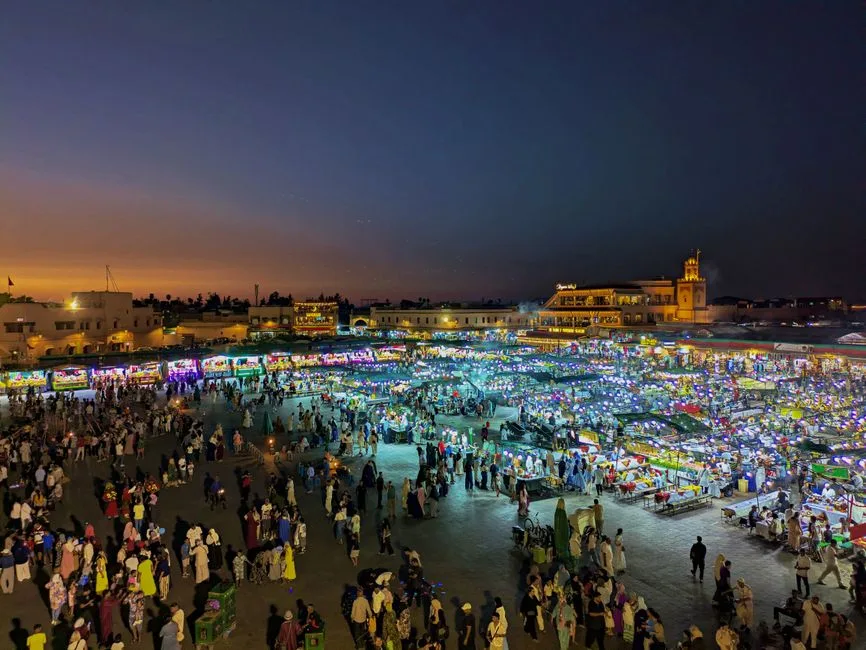
Travel information can change. Confirm current entry requirements, opening hours and local guidance with official sources before your trip.
Comments 0
Share a helpful thought or question. Comments appear after review.
Be the first to share a thoughtful comment.
Leave a comment
Your email will not be displayed. Please keep comments relevant and respectful.