
- Destination
- French Southern Territories
- Collection
- Food
- Reading time
- 4 min
- Updated
- Nov 22, 2026
The Geographic and Administrative Context
Bassas da India is a tiny, uninhabited atoll in the southern Indian Ocean, about 350 km southwest of Madagascar. It belongs to the Îles Éparses group, administered by the French Southern and Antarctic Lands (TAAF) from the regional capital of Réunion. Because the atoll has no permanent facilities, any scientific expedition must be completely self‑sufficient for the duration of its stay. The nearest logistical hub is the port of Saint‑Pierre on Réunion, a journey that can take a small research vessel 48 hours or more depending on sea state.
Logistics of Getting Food to the Atoll
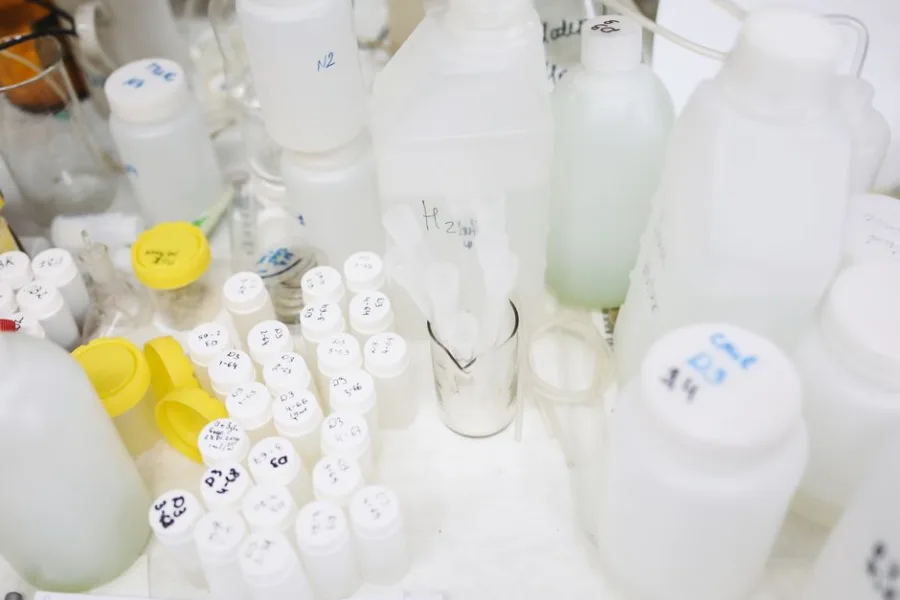
The first challenge is transport timing. Weather windows in the Indian Ocean are narrow; strong winds and high seas can delay a supply vessel for days. Crews therefore calculate a buffer of extra days in their food budget. When the ship finally arrives, the cargo is off‑loaded onto a modest landing platform and stored in sealed, weather‑proof containers. Because the atoll lacks refrigeration, all perishable items must be either pre‑cooked, dehydrated, or otherwise long‑lasting.
Menu Planning Under Constraints
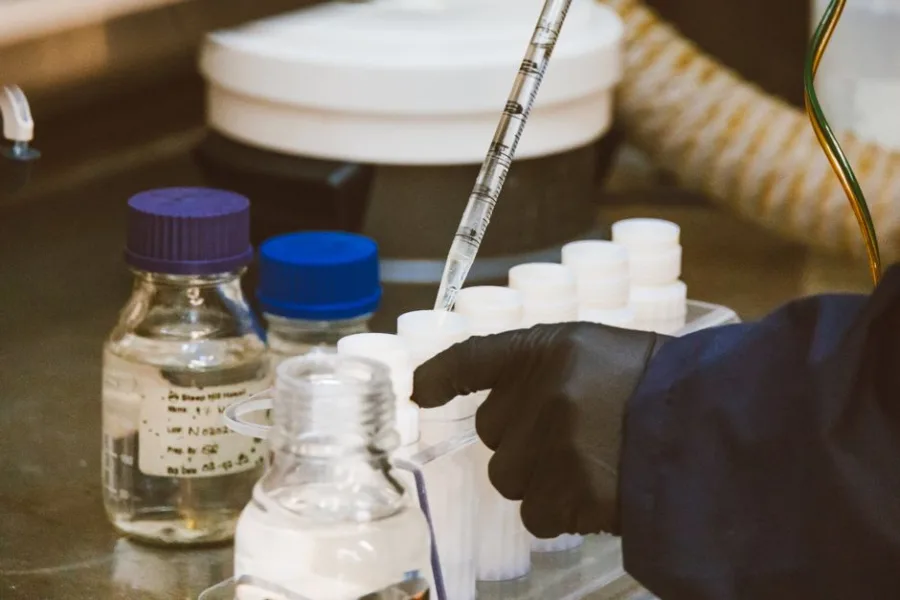
Menu planning starts months in advance. The expedition leader works with a nutritionist to balance caloric needs (typically 2 500–3 000 kcal per person per day) with the limited storage space on board. The resulting menu emphasizes high‑energy, low‑volume foods: dried legumes, powdered milk, energy bars, and vacuum‑sealed fish. Fresh produce is limited to hardy vegetables such as carrots and potatoes, which can survive a week or two in insulated coolers. Some teams bring a small solar‑powered freezer for short‑term storage of essential medicines and a few specialty items, but the freezer’s power draw is carefully weighed against the vessel’s fuel budget.

The Role of Redundancy and Safety
Given the isolation, redundancy is a safety requirement. Crews carry a duplicate stock of critical rations in sealed, airtight bags that can survive a water ingress event. Emergency rations are stored in a separate, clearly marked locker, accessible even if the main galley is compromised. All food is inspected for signs of spoilage before departure, and any item that fails a simple smell or visual test is discarded to avoid food‑borne illness in a setting where medical evacuation is impractical.
Waste Management and Environmental Obligations
The French Southern and Antarctic Lands impose a strict zero‑waste protocol on all visitors. Every gram of waste generated must be packed out for proper disposal on Réunion. This rule drives the choice of packaging: crews favor lightweight, recyclable materials and avoid bulkier plastic containers. Waste is sorted on board into organic, recyclable, and hazardous streams. Organic waste, such as fruit peels, is often stored in sealed containers and later incinerated on the ship’s waste‑heat system, reducing the volume that must be returned to land.
Resupply Options and Contingency Planning
Because a resupply at sea is rarely feasible, teams develop a contingency supply drop plan. If a vessel is delayed beyond the planned window, a secondary ship stationed off the coast of Réunion can launch a small motorized boat with a pre‑packed emergency cache. The cache includes extra water, high‑calorie bars, and a compact water‑purification kit. Communication with the TAAF coordination office is maintained via satellite, allowing real‑time updates on weather and vessel position.
Daily Routines and Food Preparation
On the atoll, the daily routine revolves around the galley. Meals are prepared using a combination of electric hot plates, a small gas stove, and a solar‑powered water heater. Because fuel is limited, crews adopt a cook‑once, eat‑multiple times approach: large batches of rice or pasta are cooked in the morning and reheated for subsequent meals. Spices are kept in tiny tins to add variety without adding bulk. The emphasis on simplicity reduces the risk of accidents and conserves both fuel and time.
Lessons for Future Expeditions
The experience of provisioning on Bassas da India highlights several transferable lessons:
- Meticulous pre‑planning reduces the risk of food shortages.
- Selecting durable, compact rations maximizes the nutritional return per kilogram of cargo.
- Strict waste protocols protect fragile ecosystems and simplify post‑mission logistics.
- Redundant emergency caches provide a safety net against unforeseen delays.
By respecting the atoll’s extreme isolation and adhering to the administrative requirements of the TAAF, research crews can conduct valuable scientific work without compromising safety or the environment.
Travel information can change. Confirm current entry requirements, opening hours and local guidance with official sources before your trip.
Comments 0
Share a helpful thought or question. Comments appear after review.
Be the first to share a thoughtful comment.
Leave a comment
Your email will not be displayed. Please keep comments relevant and respectful.