
- Destination
- Bhadrapur, Nepal
- Collection
- Destinations
- Reading time
- 4 min
- Updated
- Nov 14, 2026
Morning Arrival
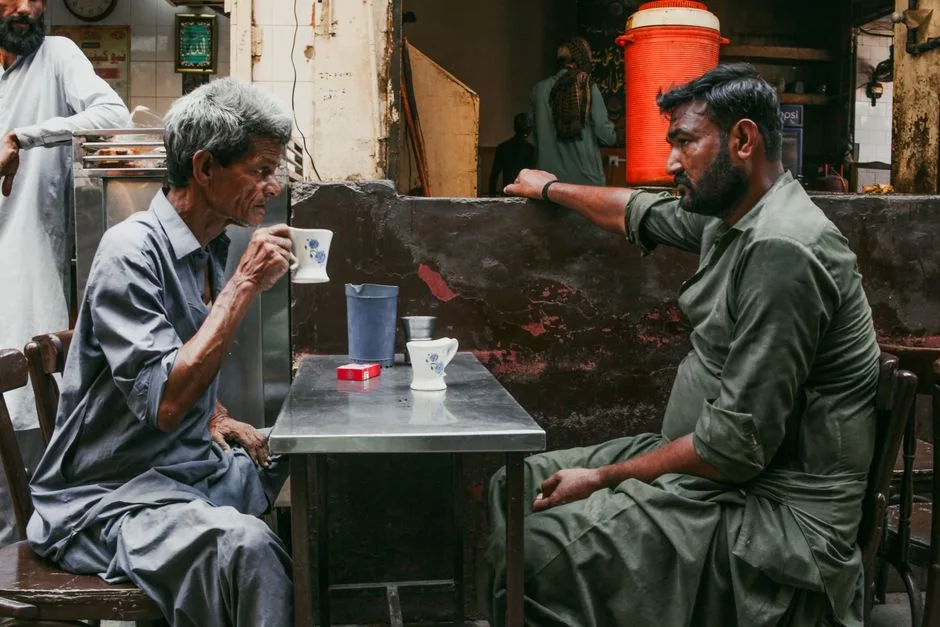
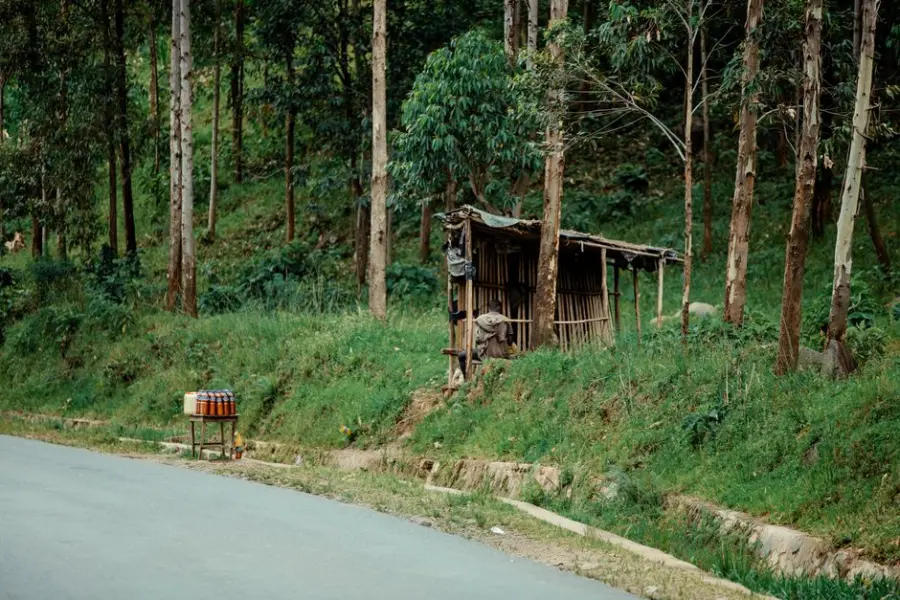
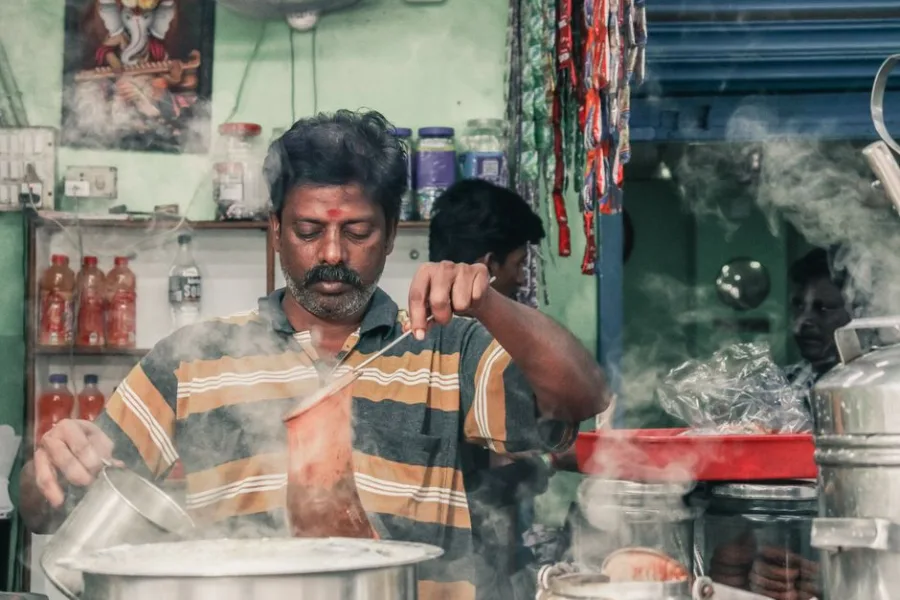
At the first light of day, the narrow roads of Jhapa district fill with the soft hum of motorbikes and the occasional rickshaw. Along these routes, modest wooden or tin‑sided stalls begin to stir. A kettle whistles, a ladle is lifted, and the scent of steaming chai drifts outward, guiding travelers to a brief pause before the day's work. For many, the stall is the first point of contact with the district’s rhythm – a place where the journey outward starts with a warm cup.
The Vendor’s Routine
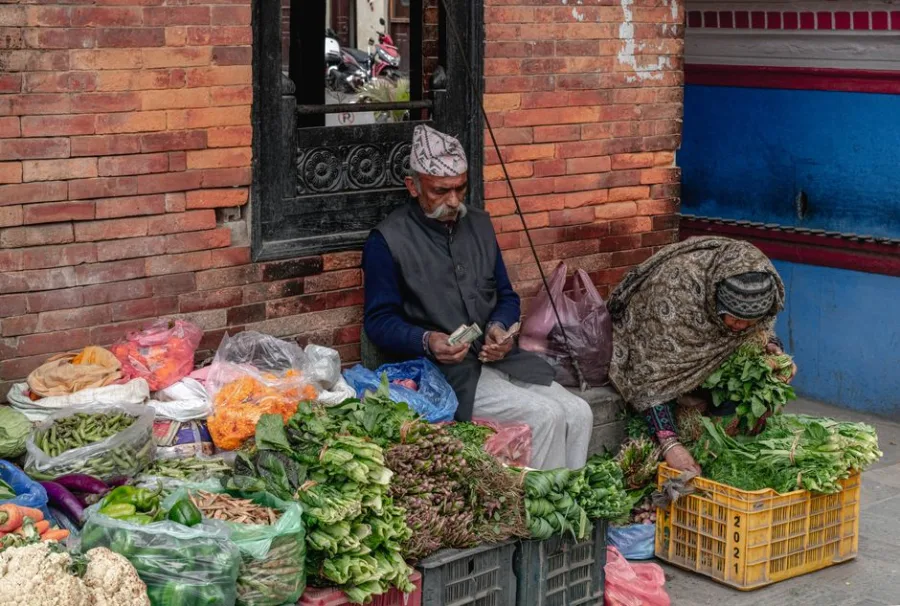
Most roadside tea sellers in Jhapa are local families who have operated the same spot for generations. Their day typically starts before sunrise: boiling water over a small gas stove, grinding fresh tea leaves, and preparing a handful of pitha or gundruk for the morning crowd. The preparation is swift but deliberate; a vendor knows exactly how long to simmer the tea to achieve the right balance of bitterness and milkiness. While the kettle bubbles, the vendor arranges a few plastic trays with boiled eggs, fried bananas, and the occasional samosa‑type snack. These quick snack options are essential for laborers heading to tea gardens, factories, or schools, offering a portable boost of energy.
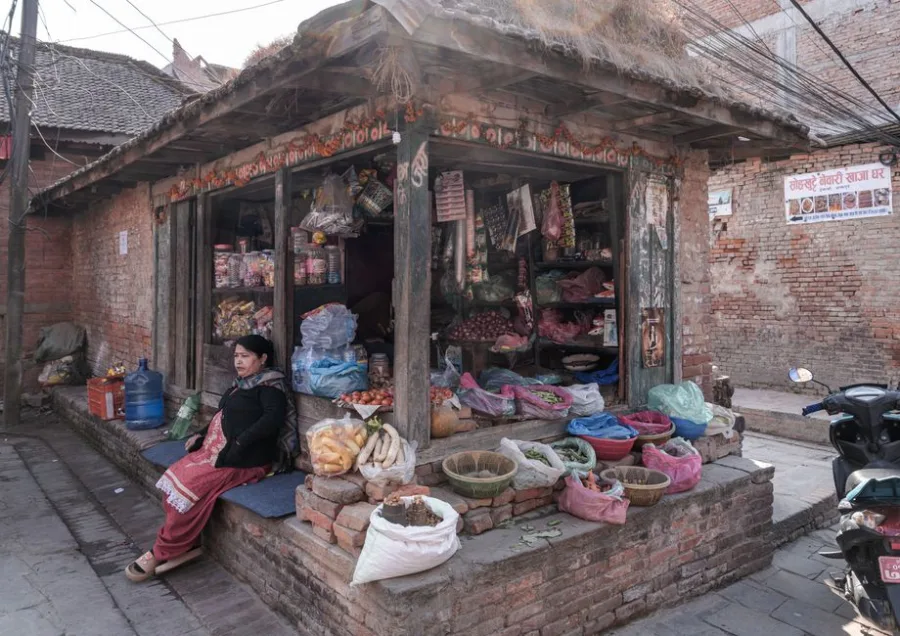
The stall’s layout is intentionally simple: a low counter, a few stools, and a shaded canopy made from bamboo or corrugated metal. This minimalism keeps overhead low and allows the vendor to move freely, serving customers who often stand or sit on the roadside itself. The vendor’s rhythm mirrors the flow of traffic – faster during school pick‑up times, slower during the mid‑morning lull, and picking up again as the afternoon market opens.
Community Interactions
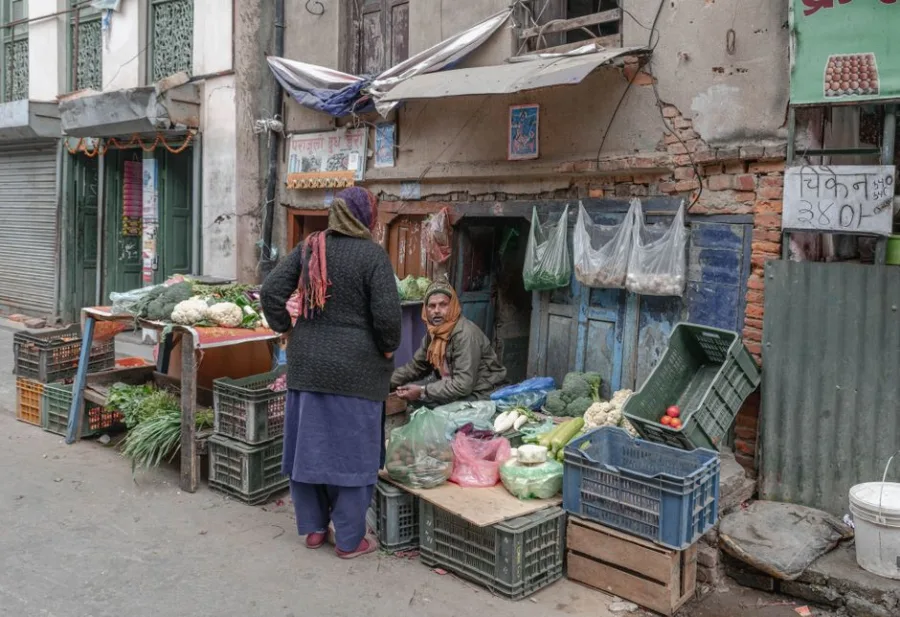
Beyond the beverage, the stall functions as an informal news hub. As commuters line up, they exchange updates about crop prices, upcoming festivals, or the condition of the local road after monsoon repairs. Elderly regulars share stories of past harvests, while younger riders discuss job opportunities in nearby Biratnagar. This exchange of information is vital in a district where formal communication channels can be sparse.
The vendor also acts as a social safety net. When a farmer faces a sudden loss of a cattle or a family encounters a health emergency, the community often rallies at the stall, offering small contributions or simply lending an ear. The stall’s open setting encourages spontaneous acts of solidarity that might not occur in more formal venues. In this way, the tea stall reinforces a sense of belonging that extends beyond the transaction of a cup.
Beyond the Cup
While the primary draw is the tea itself, the experience offers a glimpse into Jhapa’s broader cultural fabric. The use of cha—the Nepali word for tea—reflects the lingering influence of the tea‑planting legacy that still shapes the district’s economy. The modest snacks, often made from locally sourced ingredients, showcase the region’s agricultural diversity, from rice‑based pitha to fermented leafy greens like gundruk.
For visitors, stopping at a roadside stall provides a practical way to gauge the pace of daily life. It is a moment to observe how commerce, conversation, and community intertwine without the trappings of tourist infrastructure. The stall’s modest price point, typically a few Nepali rupees for a cup of tea, underscores its accessibility and its role as a cultural continuity point for residents of all ages.
The Enduring Rhythm
As the sun climbs higher, the crowd thins, but the kettle never truly stops. Vendors continue to refill cups for late‑shift workers, students returning from school, and occasional travelers passing through. The steady cadence of boiling water, clinking cups, and exchanged greetings forms a subtle soundtrack to Jhapa’s everyday life.
In a district where agriculture, industry, and migration intersect, these roadside tea stalls remain a constant. They are more than mere points of refreshment; they are anchors of community, places where the ordinary becomes a shared ritual. Whether you are a local commuter, a farmer heading to the fields, or a curious traveler, the simple act of pausing for a cup of chai offers a window into the heart of Jhapa’s social landscape.
Travel information can change. Confirm current entry requirements, opening hours and local guidance with official sources before your trip.

Comments 0
Share a helpful thought or question. Comments appear after review.
Be the first to share a thoughtful comment.
Leave a comment
Your email will not be displayed. Please keep comments relevant and respectful.