
- Destination
- Puerto Natales, Chile
- Collection
- Food
- Reading time
- 4 min
- Updated
- Nov 14, 2026
Climate Overview
Última Esperanza Province sits at the southern tip of Chile, bordering the Pacific and the rugged Andes. The region experiences a sub‑polar oceanic climate: cool summers, long winters, strong westerly winds, and relatively low annual precipitation compared with the western side of the Andes. Frost can arrive as early as March and linger into November, which means the short growing season forces households to plan meals around what can be harvested, stored, or sourced locally.
Root Vegetables and Grain Staples
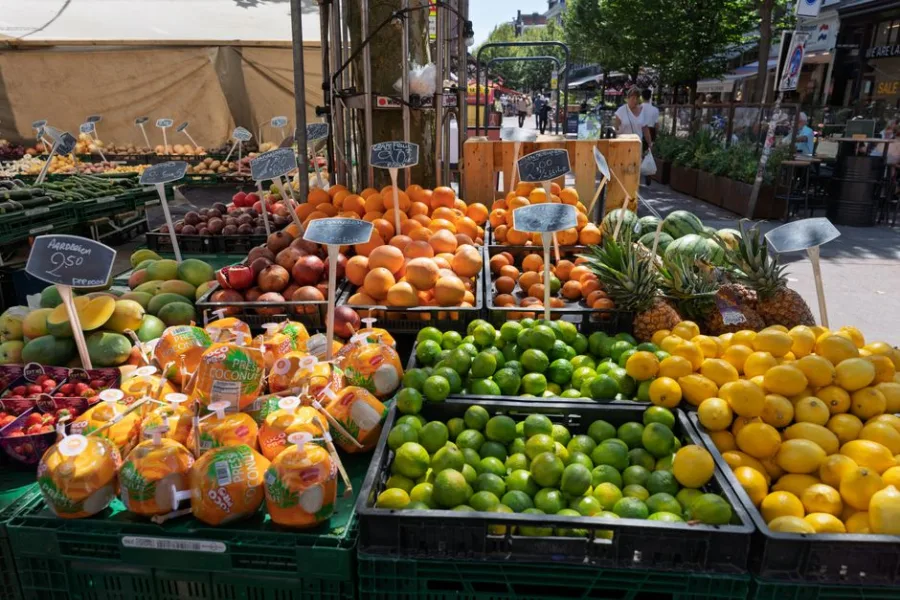
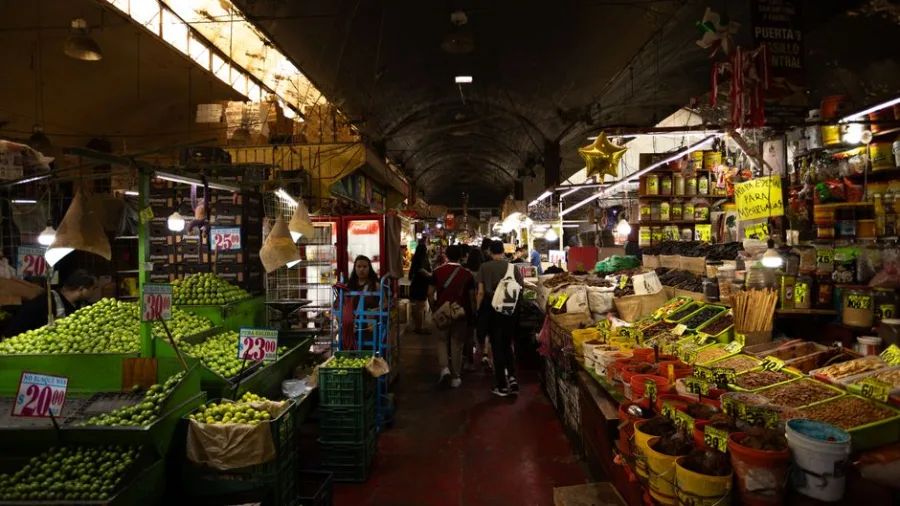
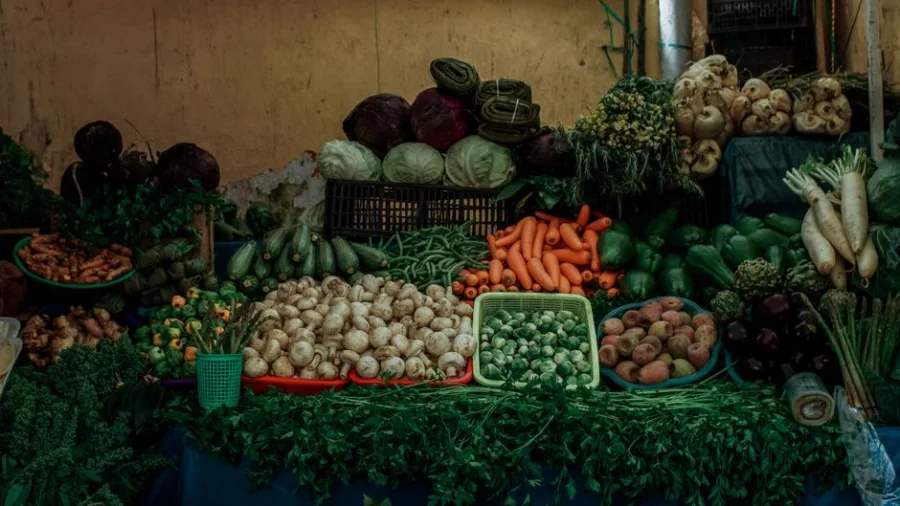
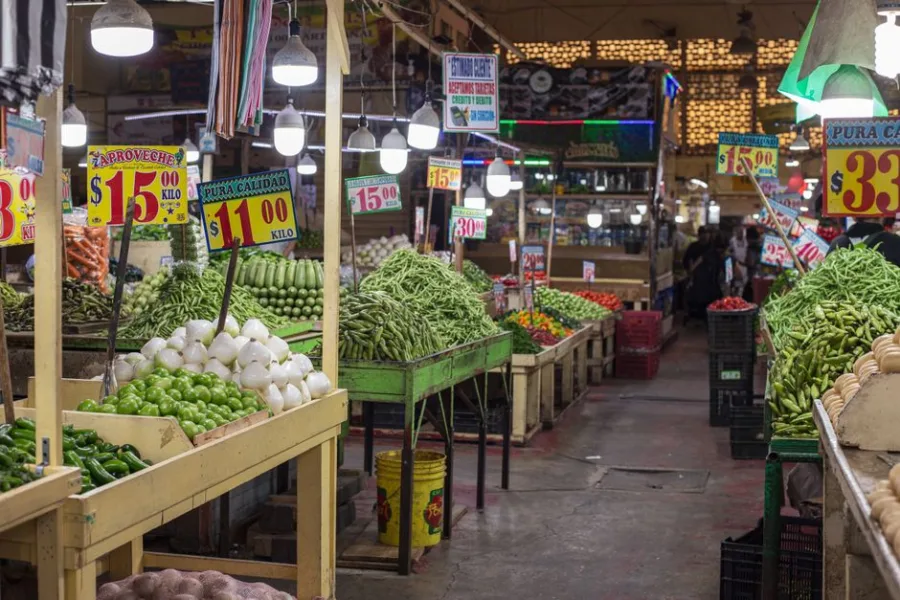
Potatoes are the cornerstone of everyday cooking. The Patagonian varieties—often smaller and more resilient than those found further north—store well in cool cellars and can be boiled, mashed, or added to soups for months after the first frost. Alongside potatoes, other root crops such as carrots, turnips, and onions thrive in the limited summer warmth. Quinoa and barley, introduced in recent decades, are now cultivated on modest plots and provide a high‑protein grain that complements the carbohydrate‑heavy diet.
Because fresh herbs are scarce, families rely on dried oregano, thyme, and native yerba mate leaves for flavor. The occasional garden plot near Puerto Natales may produce lettuce or cabbage, but these are considered seasonal luxuries rather than staples.
Seafood from the Fjords
The coastline of Última Esperanza is dotted with small fishing villages where the sea supplies a steady flow of protein. The cold, nutrient‑rich waters support king crab (centolla), mussels, and the prized Patagonian scallop. Fishermen bring in fresh catches daily, and households often cook them simply—steamed, grilled, or tossed into a broth. The practice of preserved seafood—drying, smoking, or freezing—ensures a supply during the harsher winter months when fishing trips become riskier.
A popular dish is a broth made with mussels, potatoes, and a splash of local white wine, finished with a handful of fresh parsley. In more remote homesteads, dried centolla is rehydrated and added to stews, providing a deep, briny flavor that pairs well with the region’s lamb.
Preservation and Hearty Stews
Given the climate’s constraints, preservation techniques are essential. Families smoke lamb on open fires, creating the iconic smoked lamb that can be stored for weeks. The meat is later incorporated into cazuela—a rustic stew that combines broth, potatoes, carrots, and sometimes dried beans. The stew is simmered for hours, allowing the flavors to meld and the meat to become tender.
Another preservation method is pickling. Cabbage, carrots, and beets are fermented in brine, producing tangy accompaniments that cut through the richness of meat dishes. Wild berries, especially the bright purple calafate, are harvested in late summer and turned into jams or dried for snacking. The berries are celebrated for their high vitamin C content, a valuable nutrient during the cold, sun‑scarce months.
Hearty stews and wild berries thus become more than comfort food; they are nutritional strategies that respond directly to the environment. The reliance on slow‑cooked meals reflects both the need for warmth and the practicality of using ingredients that have been stored safely.
Everyday Meals and Cultural Rhythm
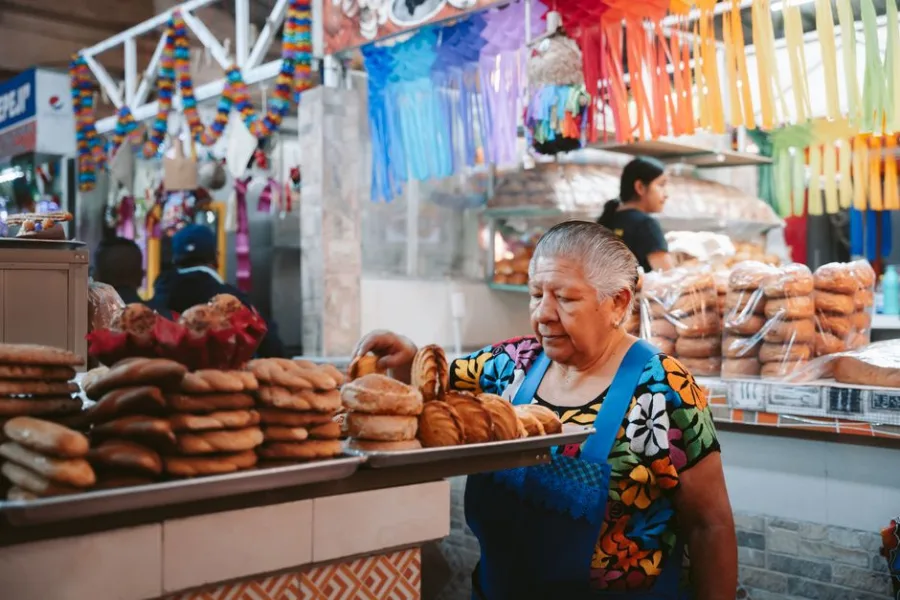
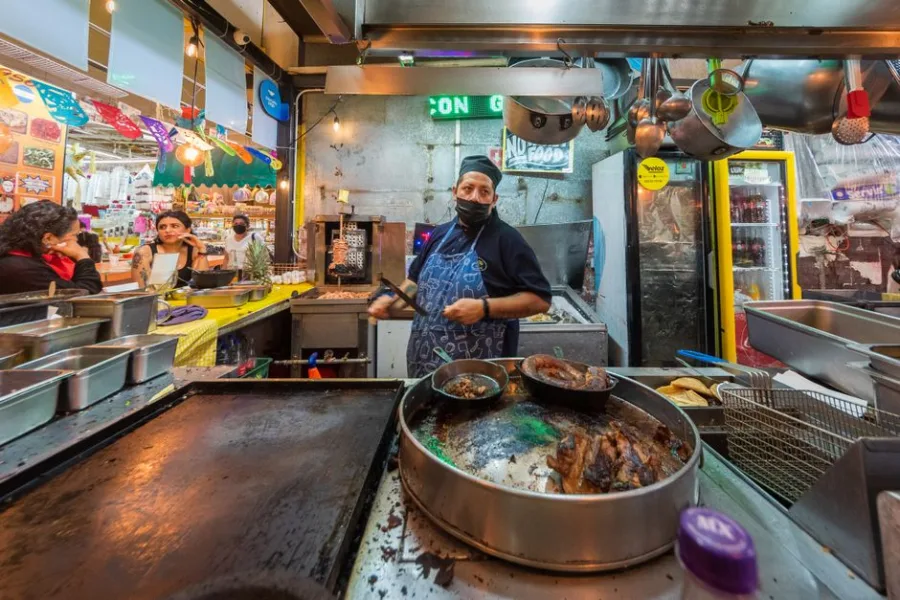
A typical weekday dinner might begin with a simple potato soup, followed by a main course of smoked lamb cazuela accompanied by a side of pickled vegetables. Bread, often homemade from barley flour, is served warm, its dense crumb ideal for sopping up broth. On weekends, families may gather for a larger feast featuring fresh centolla grilled over open flames, paired with a salad of thinly sliced onions and a drizzle of olive oil.
The rhythm of meals mirrors the weather: lighter, fresher dishes appear in the brief summer, while winter menus lean heavily on preserved meats, dried legumes, and root vegetables. This adaptability showcases how the cold, windy climate of Última Esperanza has shaped a cuisine that is resilient, flavorful, and deeply connected to the land and sea.
In summary, the Patagonian climate of Provincia de Última Esperanza dictates ingredient availability, cooking methods, and even the timing of meals. By embracing preservation, focusing on hardy crops, and celebrating the bounty of the surrounding waters, locals have crafted a culinary identity that thrives despite the challenges of the far‑south environment.
Travel information can change. Confirm current entry requirements, opening hours and local guidance with official sources before your trip.
Comments 0
Share a helpful thought or question. Comments appear after review.
Be the first to share a thoughtful comment.
Leave a comment
Your email will not be displayed. Please keep comments relevant and respectful.