
- Destination
- Cuba
- Collection
- Destinations
- Reading time
- 3 min
- Updated
- Nov 14, 2026
Introduction
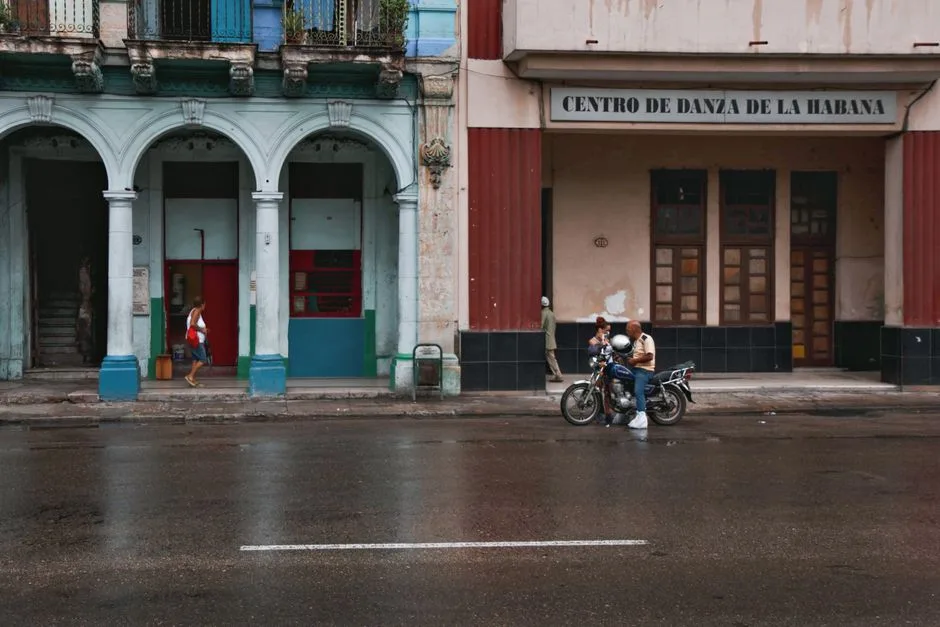
Antilla, a municipality in Holguín Province, sits on Cuba’s northeastern coast and retains a quiet, authentic feel that many larger cities have lost. The historic core is defined by modest colonial architecture that frames a network of narrow streets, allowing visitors to wander without the pressure of traffic. While the town is small, its layout encourages a leisurely exploration that feels both safe and rewarding for walkers of any age.
Architectural Character
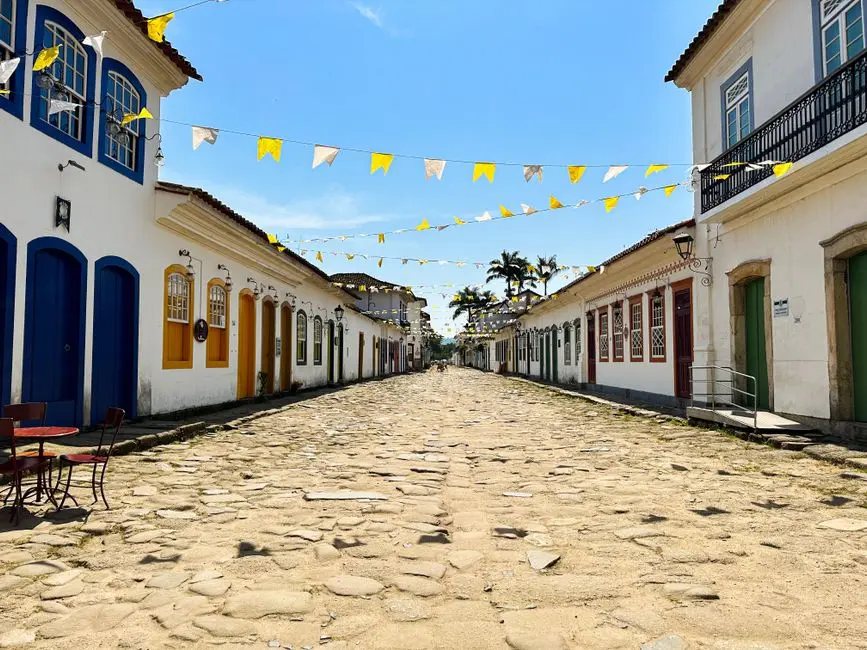
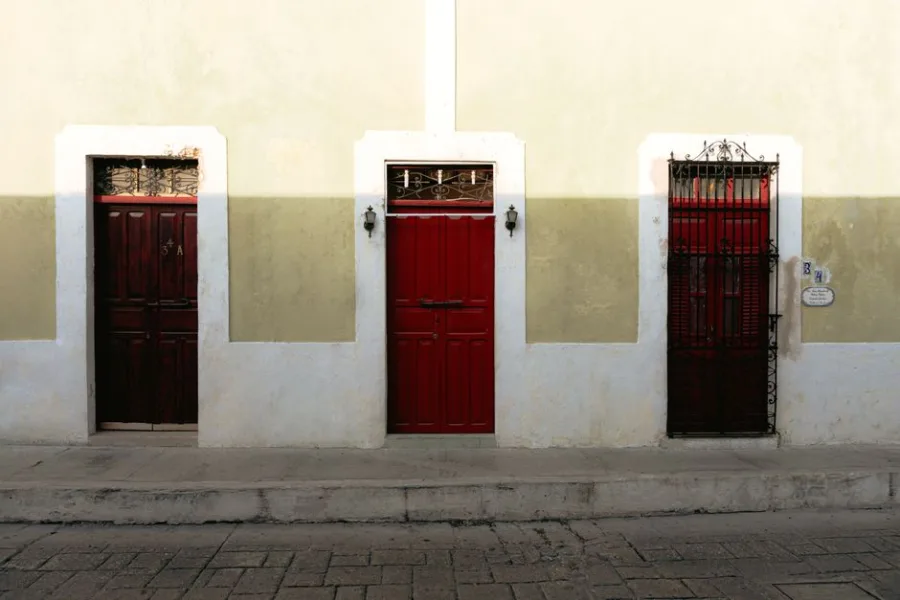
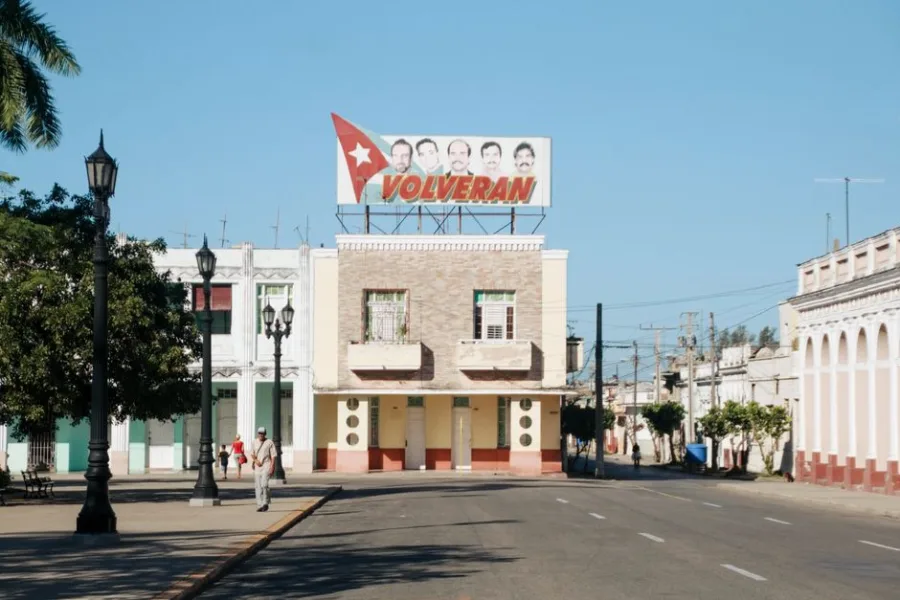
The built environment in Antilla reflects the practical vernacular of 19th‑century Spanish colonial towns. Simple stucco façades, low‑pitched red‑tile roofs, and wooden shutters give the streets a cohesive visual rhythm. Many structures are one‑ or two‑storey, set close to the sidewalk, which naturally narrows the thoroughfares. This pedestrian‑friendly layout is reinforced by the absence of large commercial parking lots in the centre, keeping the streetscape intimate. Local terms such as calle and plaza are still used in everyday conversation, underscoring the town’s cultural continuity.
Walking Experience
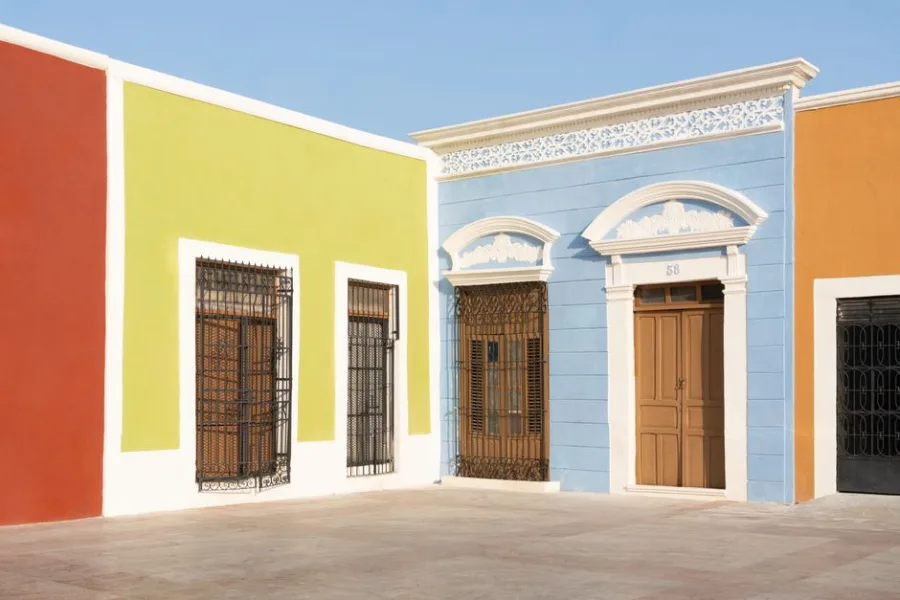
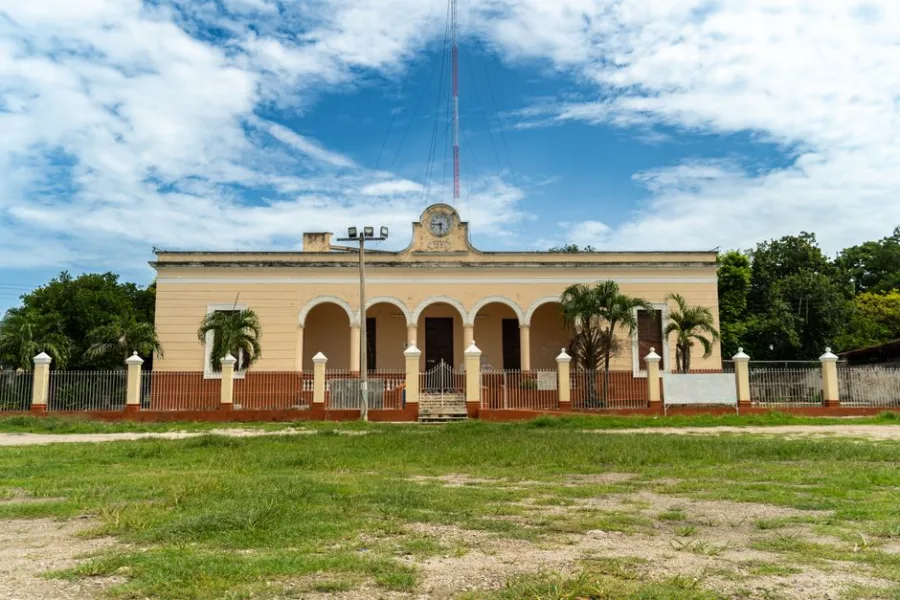
A typical walk begins at the central plaza, a modest open space surrounded by a parish church, a municipal building, and a few cafés with outdoor seating. From there, the shaded avenues branch out like spokes, each lined with mature mango and citrus trees that provide welcome relief from the tropical sun. The streets are paved with irregular stone or compacted earth, which, while uneven, slows traffic and invites pedestrians to take their time. Along the way, you’ll notice small details—hand‑painted signage, wrought‑iron balconies, and occasional mosaics—that hint at the town’s layered history without overwhelming the eye.
Practical Tips for Explorers
- Start early to enjoy cooler temperatures and quieter streets.
- Wear comfortable shoes; the stone‑laid calle can be uneven, especially after rain.
- Bring a reusable water bottle; water fountains are scarce in the historic centre.
- Respect private property; many houses are still occupied, and front doors often open directly onto the sidewalk.
- Use a simple map or a GPS app set to “walking” mode; the street names are short and sometimes repeat.
Regional Context
Antilla’s position within Holguín Province means it benefits from the province’s broader infrastructure while retaining its own identity. The municipality is served by a regional bus line that connects to larger hubs such as Holguín city and the coastal resort of Guardalavaca. This makes a day‑trip feasible for travelers staying elsewhere in the province. The town’s modest size also means that walkable town centre feels authentic rather than staged for tourism. Visitors can combine a street‑level walk with a brief stop at a local market to sample fresh fruit or a traditional café cubano.
Conclusion
Walking Antilla’s historic streets offers a rare glimpse into a Cuban town where colonial charm and relaxed pace coexist naturally. The combination of modest architecture, narrow, tree‑lined avenues, and a lack of heavy traffic creates an environment where pedestrians can truly engage with the place. Whether you are a seasoned traveler seeking off‑the‑beaten‑path experiences or a casual visitor looking for a calm stroll, Antilla’s historic centre provides a rewarding, low‑key adventure that highlights the enduring appeal of Cuba’s smaller municipalities.
Travel information can change. Confirm current entry requirements, opening hours and local guidance with official sources before your trip.

Comments 0
Share a helpful thought or question. Comments appear after review.
Be the first to share a thoughtful comment.
Leave a comment
Your email will not be displayed. Please keep comments relevant and respectful.