
- Destination
- Augsburg, Germany
- Collection
- Destinations
- Reading time
- 3 min
- Updated
- Nov 10, 2026
Architectural Roots and Daily Rhythm
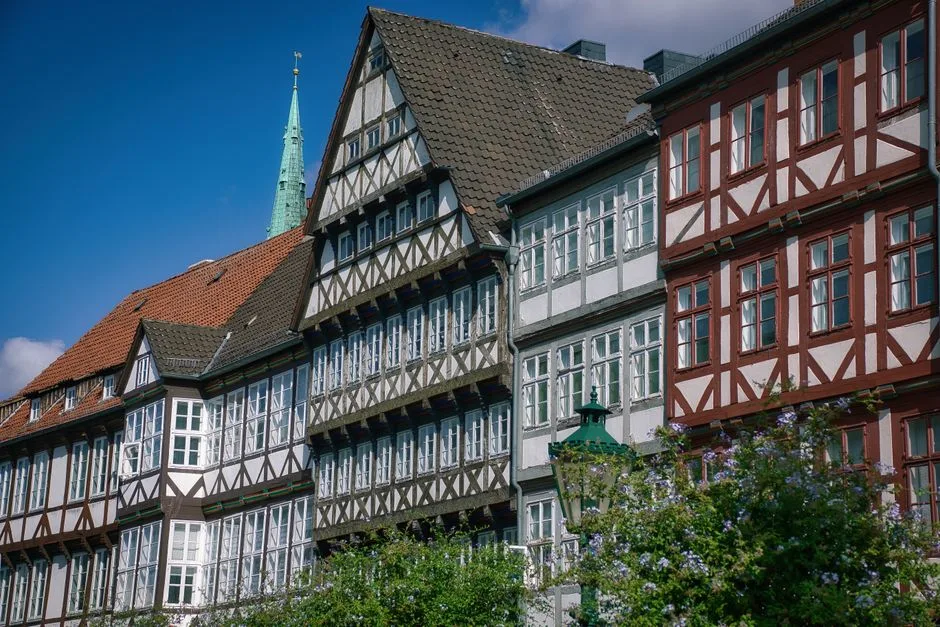
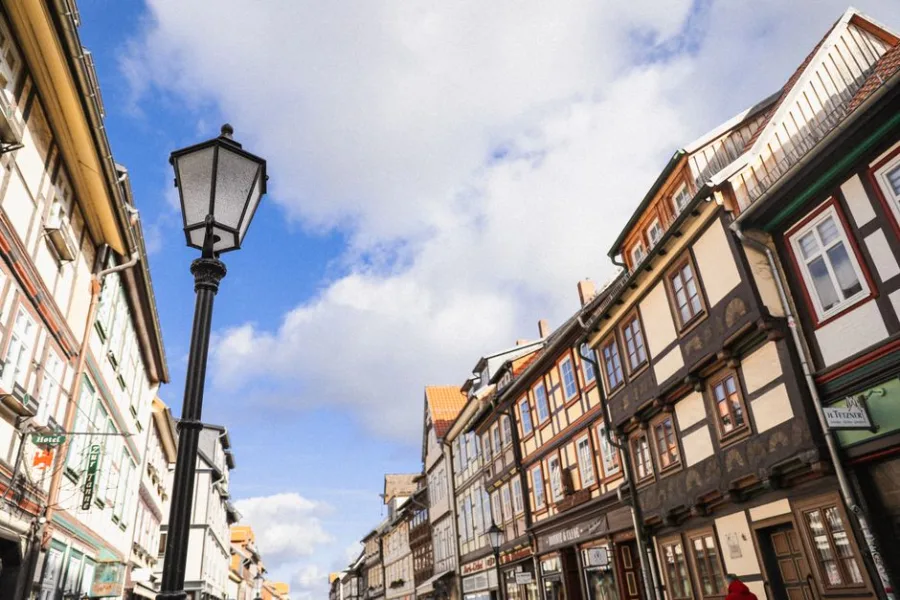
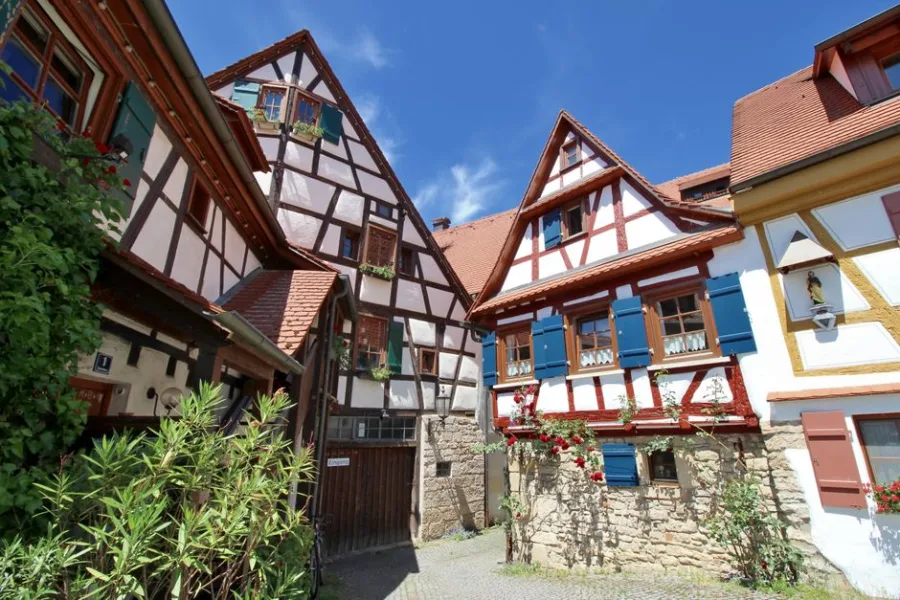
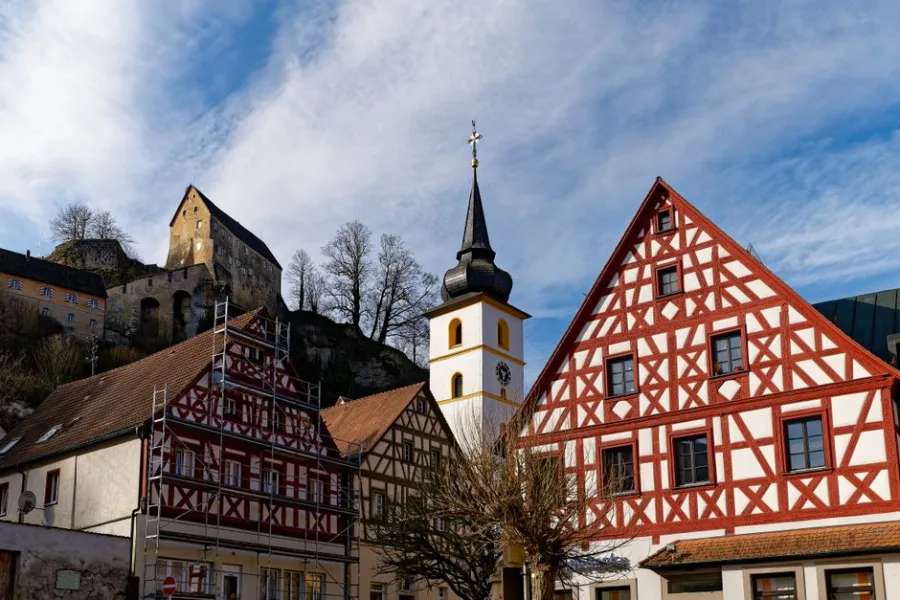
The half‑timbered Fachwerk farmhouses dominate the skylines of villages across the Regierungsbezirk Schwaben, from the rolling fields of Unterallgäu to the river valleys of Donau‑Ries. Built with timber frames and infilled with wattle‑and‑daub or brick, these structures were originally designed for agricultural families. Today, the visible timber skeleton continues to set the pace of daily life: mornings begin with the scent of fresh bread from a kitchen that still uses a wood‑fired oven, and evenings gather around a central hearth that once heated the whole household.
Community Spaces and Shared Courtyards
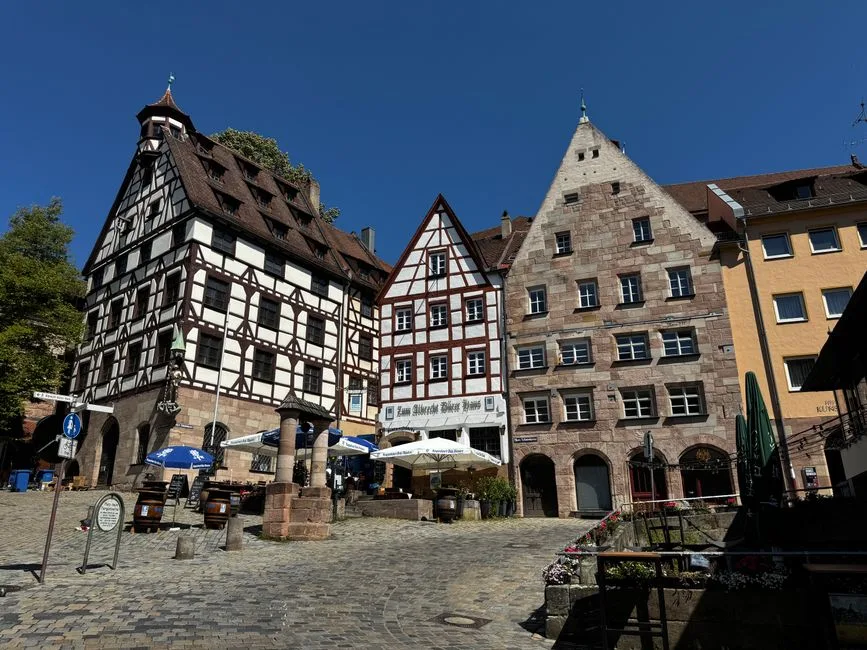
Many Schwaben farmhouses are arranged around a Hof (courtyard) that serves as a communal hub. Neighbours often meet for informal Stammtisch discussions, children play in the same shaded space, and local artisans display handcrafted goods during seasonal markets. This layout encourages strong community cohesion, as residents naturally cross paths while tending gardens, feeding livestock, or repairing the timber beams together. The shared courtyard also simplifies collective tasks such as composting organic waste, reinforcing a sustainable village ethic.
Economic Life Tied to Heritage Buildings
Agriculture remains a cornerstone of the regional economy, and the half‑timbered houses are still functional farms rather than mere museums. Owners frequently combine traditional dairy or crop production with agritourism, offering guests a glimpse of historic farm life. By converting attic spaces into guest rooms or small workshops, families generate supplemental income while preserving the authentic character of their homes. Local authorities in districts like Günzburg and Augsburg support these efforts through heritage grants that fund energy‑efficient retrofitting without compromising the visual integrity of the timber façade.
Seasonal Traditions Anchored in Architecture
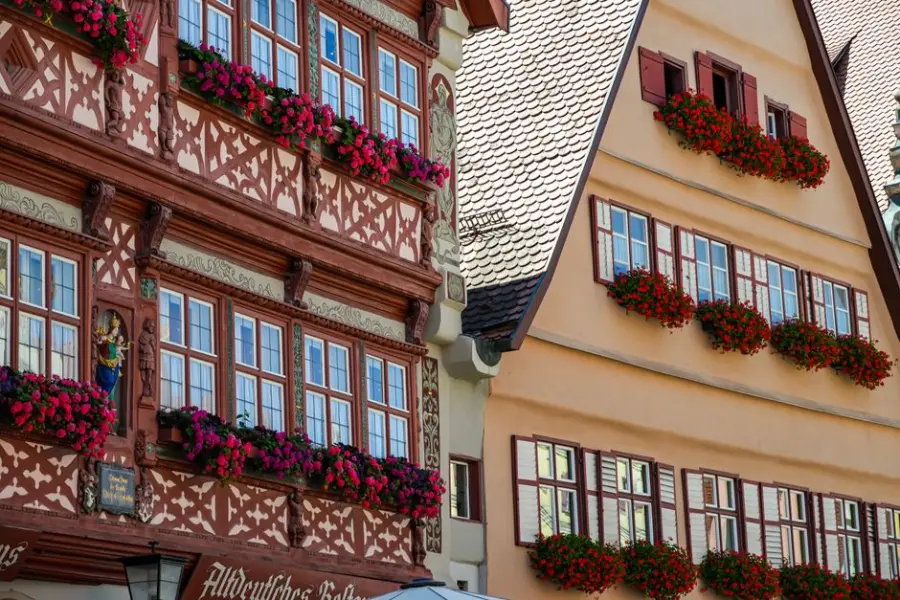
Village calendars in Swabia revolve around the farmstead. During the Erntedankfest (harvest festival), the courtyard becomes a stage for music, dance, and the presentation of freshly harvested produce. The timber beams, often decorated with carved motifs, provide a natural backdrop that highlights the region’s craftsmanship. In winter, the same spaces host Advent markets where locals sell homemade candles, mulled wine, and Lebkuchen, reinforcing the farmhouse’s role as a cultural anchor throughout the year.
Modern Adaptations and Sustainable Practices
While the exterior remains true to centuries‑old design, interiors are increasingly updated for contemporary comfort. Insulation is added behind the timber, solar panels are discreetly mounted on rear roofs, and rainwater harvesting systems are integrated into historic barns. These adaptations demonstrate how Schwaben balances preservation with energy‑efficient retrofitting, allowing residents to meet modern standards while honoring their architectural heritage.
Preservation Policies and Local Identity
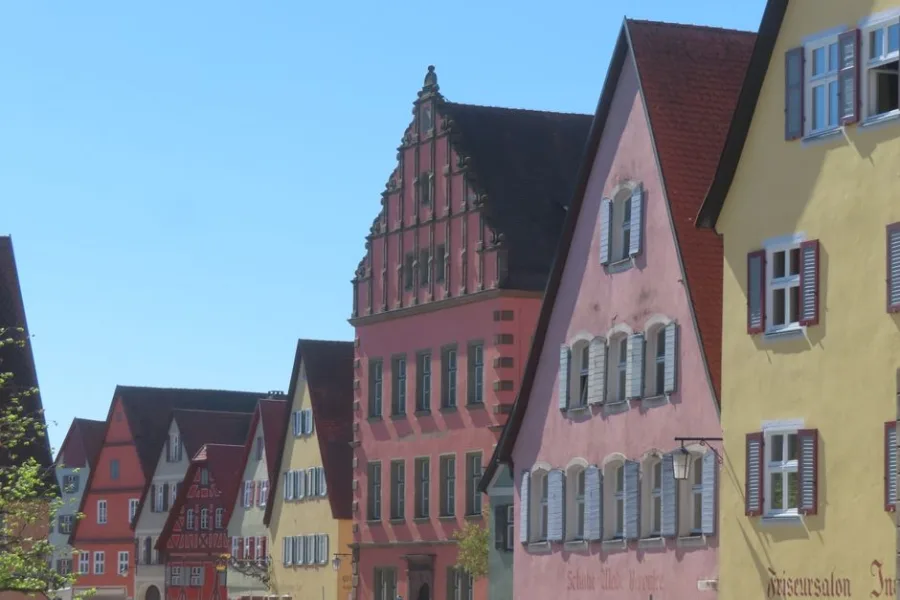
The Bavarian State Office for Monument Protection classifies many half‑timbered farmhouses as protected structures. In districts such as Oberallgäu, owners must obtain approval before making alterations, ensuring that any changes respect the original Fachwerk pattern. This regulatory framework not only safeguards the visual landscape but also reinforces a shared sense of identity among villagers, who view the timber houses as symbols of resilience and regional pride.
Practical Tips for Visitors
Travelers exploring Schwaben should consider staying in a family‑run guesthouse within a historic farmstead to experience the rhythm of village life firsthand. Walking tours often highlight the construction techniques of Fachwerk and explain how these buildings have been adapted for modern use. When visiting, respect private courtyards and ask permission before photographing interiors, as many homes remain private residences.
Looking Ahead
The future of Swabian half‑timbered farmhouses rests on the balance between preservation, economic viability, and environmental stewardship. As younger generations inherit these properties, they bring fresh ideas—such as co‑working spaces in renovated barns—that keep the villages vibrant. By maintaining the living heritage of these structures, Schwaben continues to offer a distinctive blend of history, community, and sustainable living that shapes everyday life for its residents.
Travel information can change. Confirm current entry requirements, opening hours and local guidance with official sources before your trip.

Comments 0
Share a helpful thought or question. Comments appear after review.
Be the first to share a thoughtful comment.
Leave a comment
Your email will not be displayed. Please keep comments relevant and respectful.