
- Destination
- Hungary
- Collection
- Travel Tips
- Reading time
- 4 min
- Updated
- Nov 14, 2026
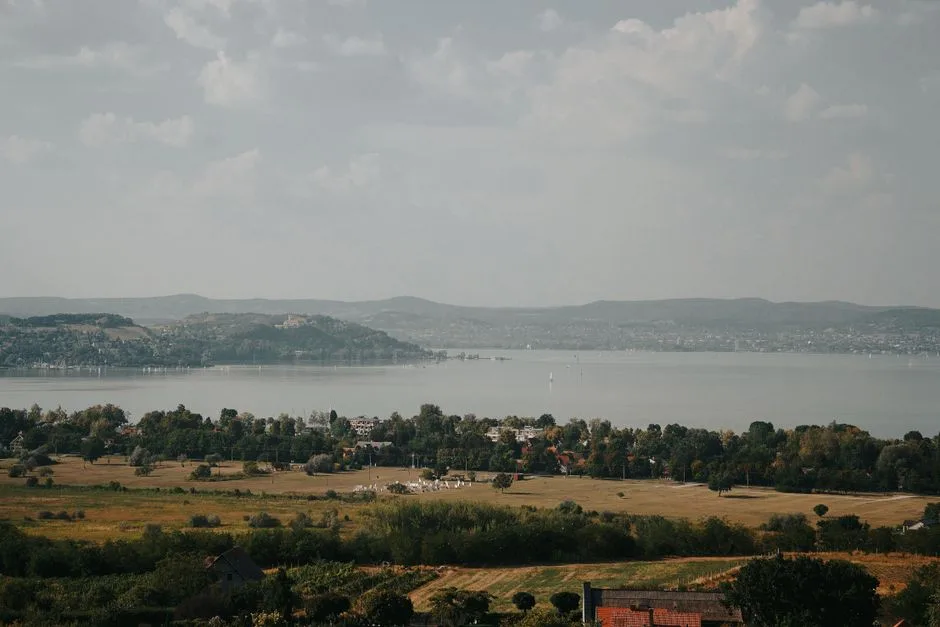
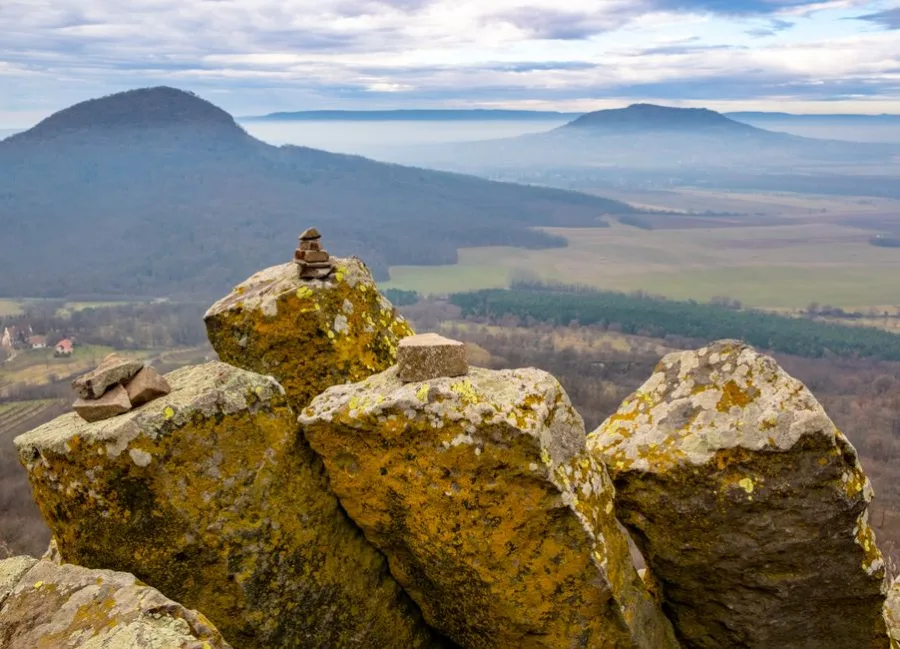
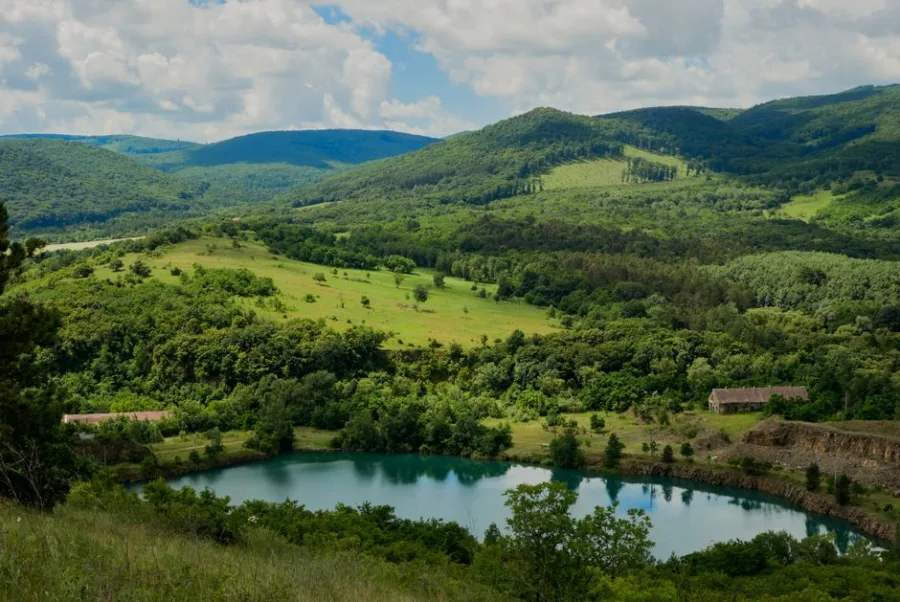
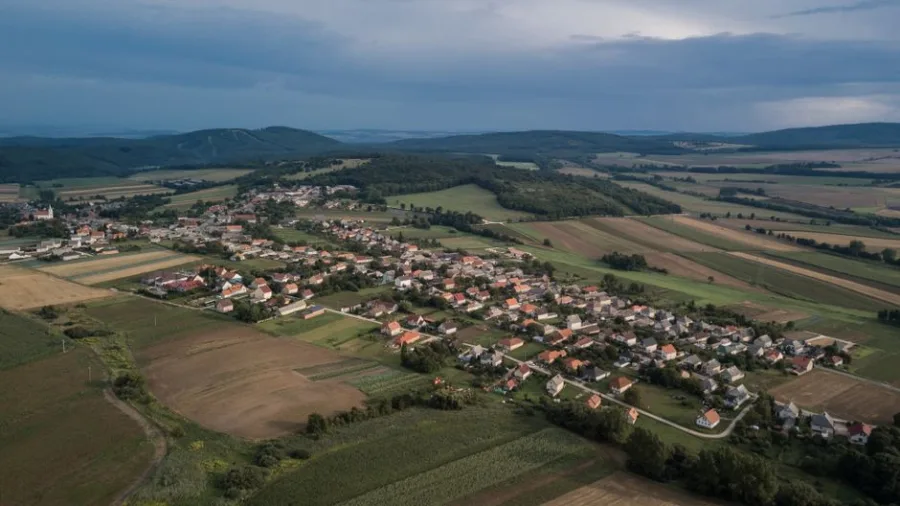
Pétervásárai járás in Heves County is a patchwork of rolling hills, mixed woodlands, and cultivated fields. The terrain is modest in elevation, making it ideal for low‑impact túra that leaves the landscape as pristine as you found it. Whether you are a local weekend walker or a visitor seeking a quiet alternative to the more crowded national parks, the area rewards careful preparation, courteous conduct, and a little seasonal awareness.
Preparing Light Gear
Because the hills rarely exceed 300 m in height, you do not need heavy mountaineering equipment, but a few thoughtful choices make the experience smoother. Lightweight waterproof boots protect your feet from sudden spring showers and the occasional muddy ditch. A pair of breathable trail shoes works in dry summer, but keep a compact rain‑cover in the pack for unpredictable weather.
A sturdy yet light backpack (15–20 L) can hold a water bottle, a small first‑aid kit, and a small waste bag for any litter you might collect. Pack a map of the járás—the official cadastral map is available at the Heves County office—or use an offline GPS app that includes the local trail network. Trekking poles are optional but helpful on uneven forest floors and for reducing strain on knees during longer walks.
Layered clothing is essential. Early mornings in spring can be chilly, while midsummer afternoons become warm under the open sky. A breathable base layer, an insulating mid‑layer, and a wind‑proof outer shell cover most conditions without adding bulk.
Respectful Trail Etiquette
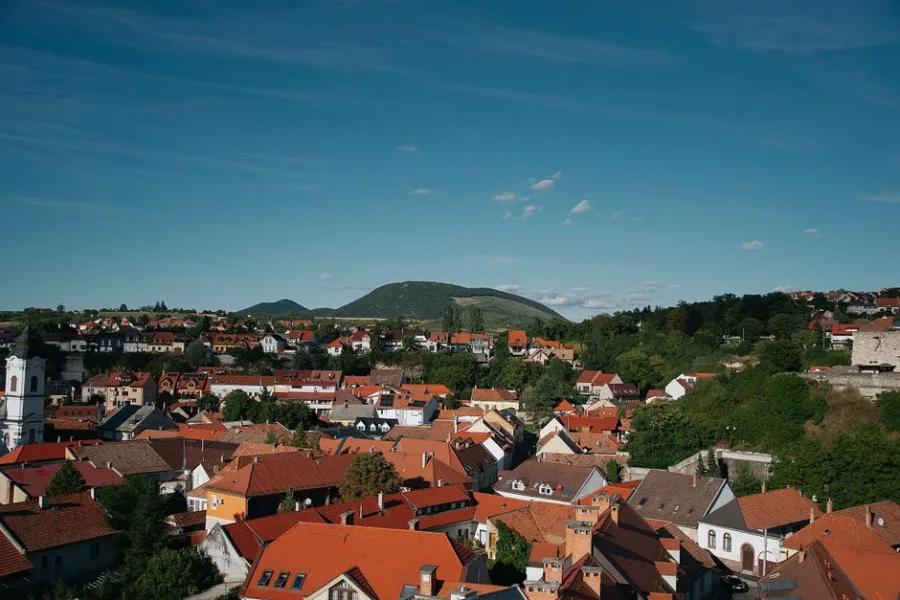
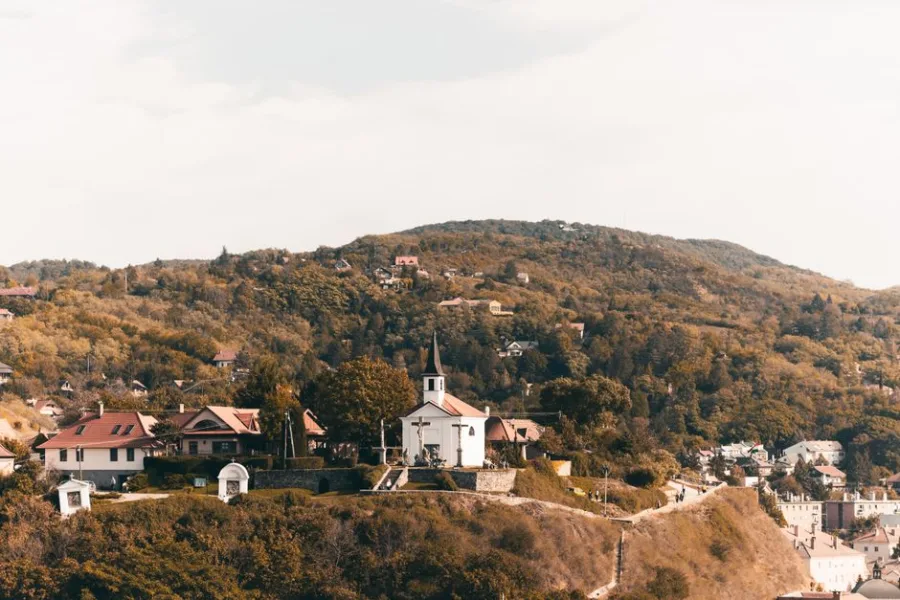
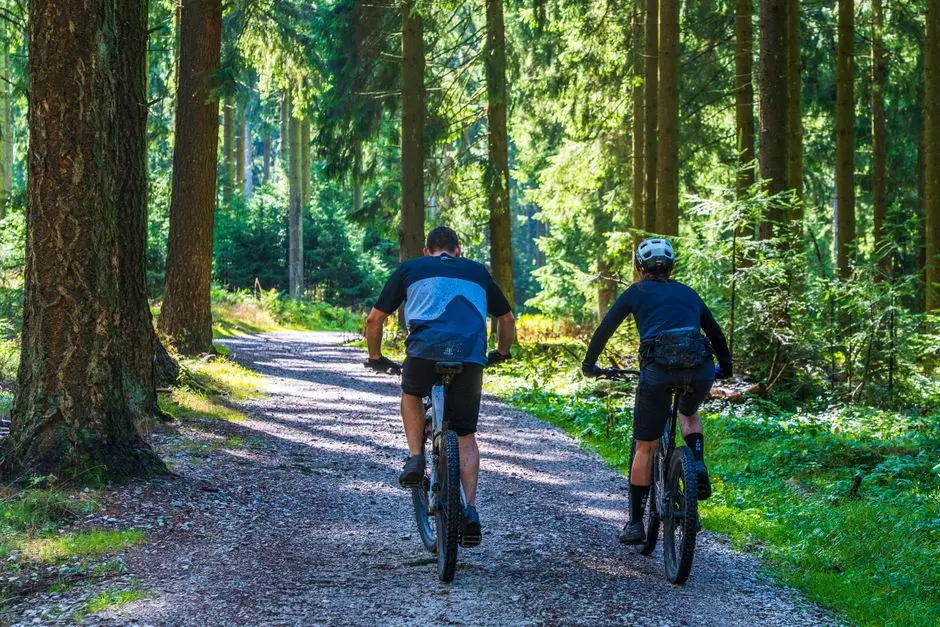
The gentle hills of Pétervásárai are traversed by farmers, cyclists, and locals walking their dogs. Maintaining harmony starts with simple habits. Stay on marked paths to avoid trampling fragile wildflowers or damaging private garden borders. Many routes cross agricultural fields; when you see a gate, close it behind you to keep livestock safe.
Carry a small waste bag and pack out everything you bring in, even biodegradable items. The area has few public trash cans, so taking responsibility prevents litter from entering streams or fields.
When you encounter other walkers, a friendly nod or brief greeting is appreciated. Keep dogs on leashes, especially during lambing season (late winter to early spring), to protect both the animals and the shepherds.
If you plan a longer túra, let someone know your intended route and expected return time. Mobile coverage can be spotty in the deeper valleys, so a basic emergency whistle is a useful backup.
Seasonal Strategies
Spring (April–June)
The hills burst with early wildflowers such as poppy and cornflower. Trails are often muddy after the thaw, so waterproof boots are crucial. Watch for buzzing insects; a light repellent can keep bites at bay.
Summer (July–August)
Long daylight hours invite extended walks, but midday heat can be intense. Start early, carry plenty of water, and wear a wide‑brim hat. Shade is limited on open ridges, so a lightweight sun‑shield or a pack‑integrated rain cover doubles as a sunshade.
Autumn (September–October)
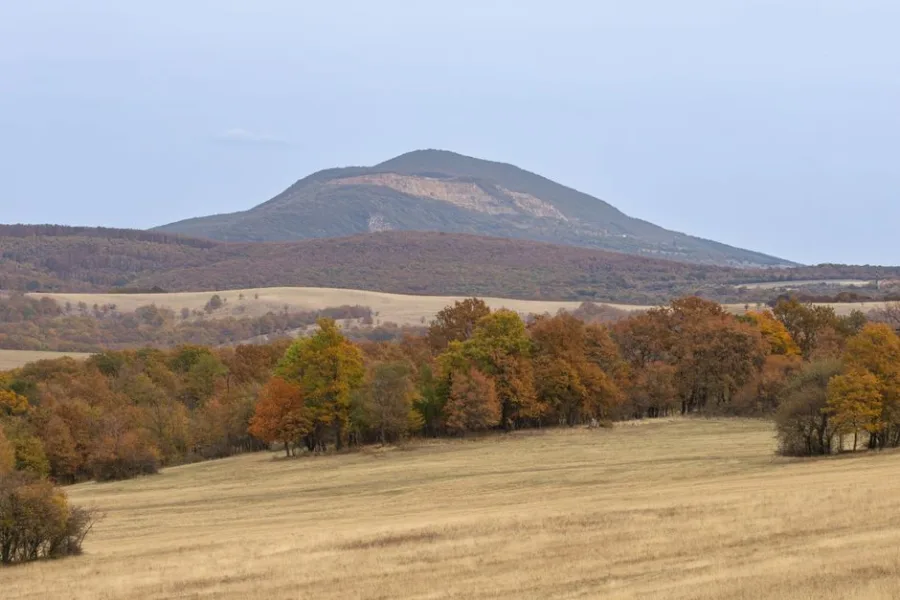
Foliage turns amber, offering spectacular photo opportunities. Temperatures drop quickly after noon, so bring a warm layer. Fallen leaves can make paths slippery; trekking poles improve balance.
Winter (November–March)
Snow is occasional on the highest knolls, and frost can make paths icy. Insulated boots and gaiters protect against cold and slush. Check weather forecasts before heading out, as storms can close low‑lying roads that serve as trailheads.
Staying Safe and Connected
Even on low‑impact routes, safety basics apply. Test your footwear on a short stretch before committing to a full day. Keep a compact first‑aid kit with bandages, antiseptic wipes, and any personal medication.
Because cell service can fade, consider a small power bank for your phone and a paper map as a fallback. If you are unfamiliar with the area, joining a local hiking club for a guided túra can provide insight into lesser‑known paths and cultural landmarks.
By choosing appropriate gear, respecting the land and its users, and adapting to the season, you can enjoy Pétervásárai járás without leaving a trace. The gentle hills reward the mindful hiker with quiet vistas, the scent of pine, and the satisfaction of a responsibly taken step.
Travel information can change. Confirm current entry requirements, opening hours and local guidance with official sources before your trip.

Comments 0
Share a helpful thought or question. Comments appear after review.
Be the first to share a thoughtful comment.
Leave a comment
Your email will not be displayed. Please keep comments relevant and respectful.