
- Destination
- Laos
- Collection
- Destinations
- Reading time
- 3 min
- Updated
- Nov 12, 2026
River rhythms and planting cycles
The Mekong River defines the calendar for farmers in Muang Sanxai, the main district of Attapeu province. When the water rises in May, fields that lie just a few metres above the riverbank become natural paddies. By late June, the floodwaters recede enough to leave a thin layer of silt, which the locals call nam ngou. This nutrient‑rich deposit is the foundation of the early morning water checks that families perform each day, walking the embankments to gauge depth and decide when to sow the next batch of rice seedlings.
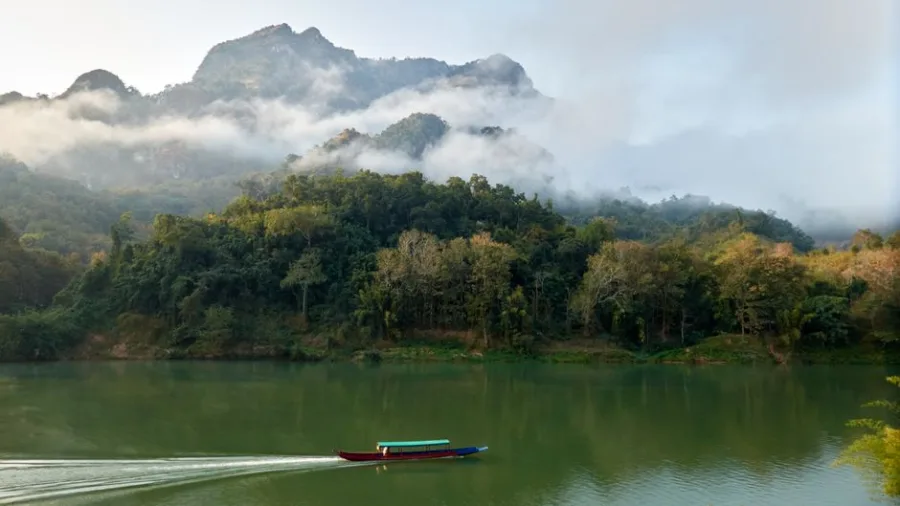
Rice is the staple crop, but the timing of planting is staggered. Some households begin in the lower fields that dry first, while others wait for the higher terraces that retain moisture longer. The rhythm of the river also dictates the harvest: the main rice crop is usually ready in November, just as the Mekong’s flow begins to slow, allowing farmers to dry their grain on raised platforms before storage.

Irrigation and mixed farming
Beyond rice, many families maintain dual rice‑fish paddies that combine aquaculture with crop production. Small fish such as pangasius or local catfish are introduced after the rice seedlings have rooted, feeding on insects and providing natural fertiliser. The fish are harvested before the final rice cut, adding protein to the household diet and a modest cash source.

Irrigation channels are dug by hand and maintained communally. During the dry season, water is drawn from the river through simple weirs, and the flow is regulated by rotating gates managed by a village committee. This cooperative system reduces the risk of water scarcity and spreads the labour burden evenly across the community.
Market days and transport
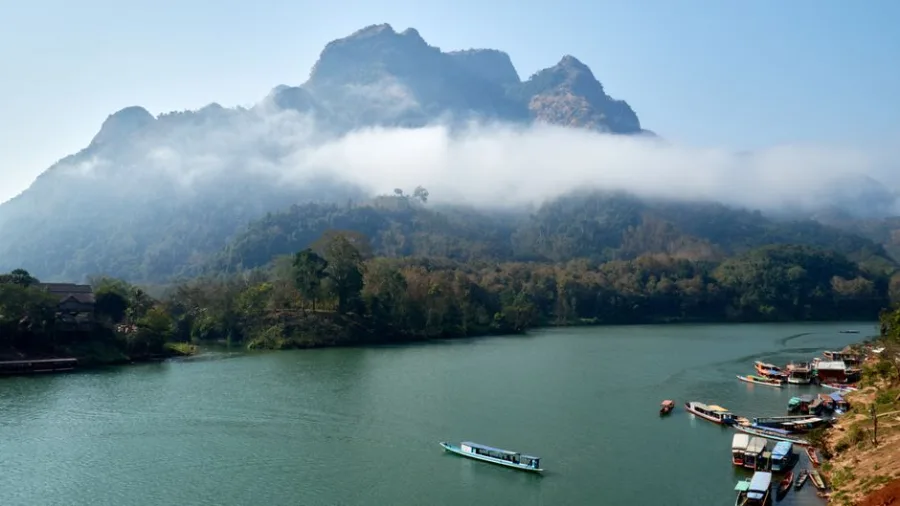
When the harvest is ready, farmers load their bundles onto small motorised boats or wooden barges that travel downstream to Attapeu town, the provincial capital about 30 km away. The weekly market trips are timed to coincide with the river’s calmer afternoon currents, making the journey safer for both people and produce.
In town, rice is sold alongside fish, vegetables, and woven goods, providing the cash needed to purchase fertilizer, tools, or school fees. Transport is not limited to boats. A network of unpaved roads connects Muang Sanxai’s villages to the main highway that runs north‑south through Attapeu. However, during the peak rainy months, many of these routes become muddy, and the river remains the most reliable artery for moving bulk goods.
Community life along the banks
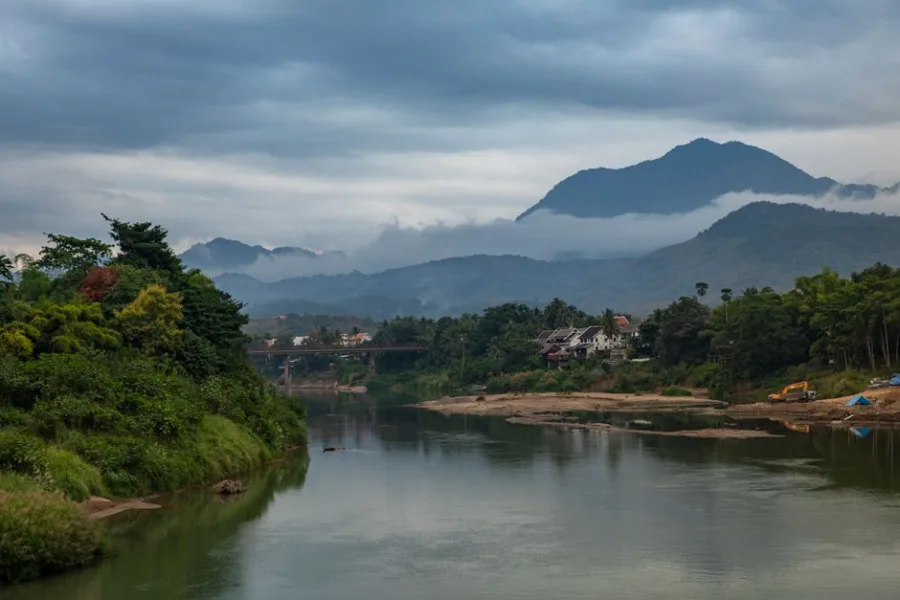
The river is more than an economic conduit; it shapes social interaction. Evening gatherings often occur on the riverbank, where families share stories while the water gently laps at their feet. Children learn to swim early, and elders teach the art of reading water levels—a skill essential for predicting floods and planning planting cycles.
Local festivals, such as the Boun of the rice harvest, are timed with the river’s flow. Rituals include offering a portion of the first rice batch back to the water, a symbolic act of gratitude for the sustenance it provides. These traditions reinforce community resilience, reminding residents that their livelihood is inseparable from the river’s health.
Overall, the daily life of Muang Sanxai’s farmers is a study in adaptation. By aligning agricultural practices with the Mekong’s natural patterns, they sustain food production, preserve ecological balance, and maintain a cultural rhythm that has endured for generations. Visitors seeking an authentic glimpse of Lao rural life will find that the river’s pulse is the most reliable guide to understanding the region’s past, present, and future.

Travel information can change. Confirm current entry requirements, opening hours and local guidance with official sources before your trip.

Comments 0
Share a helpful thought or question. Comments appear after review.
Be the first to share a thoughtful comment.
Leave a comment
Your email will not be displayed. Please keep comments relevant and respectful.