
- Destination
- Pindiga, Nigeria
- Collection
- Travel Tips
- Reading time
- 3 min
- Updated
- Nov 23, 2026
Understanding the Climate in Akko
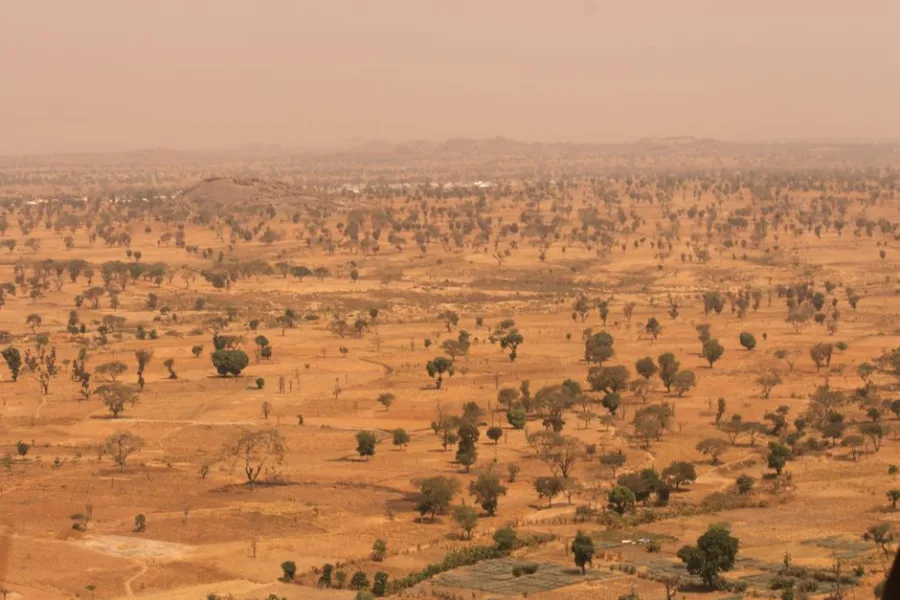
Akko lies in the northern part of Gombe State, where the hot season typically runs from March through May. Daytime temperatures often climb above 35 °C (95 °F) and the sun is almost directly overhead. The air is dry, especially during the harmattan period that can bring dusty, low‑humidity conditions. These factors combine to increase the risk of dehydration and sunburn for anyone spending time outdoors.
Hydration Basics
The most reliable rule is to drink at least 2.5 L of water per day, and more if you are walking or engaging in physical activity. Carry a reusable water bottle and refill it whenever you pass a reliable source such as a hotel tap, a certified water kiosk, or a sealed commercial bottle. In many towns across Gombe State, bottled water is widely available and relatively inexpensive; however, always check that the seal is intact. For longer outings, consider adding a pinch of salt and a squeeze of lemon to your water to replace electrolytes lost through sweat. Avoid relying solely on sugary drinks or alcohol, as they can actually increase fluid loss. If you feel any sign of dehydration—dry mouth, dizziness, dark urine—stop your activity, find shade, and sip water slowly.
Sun‑Protection Strategies
The African sun can be unforgiving, so apply broad‑spectrum SPF 30+ sunscreen at least 15 minutes before heading outdoors and reapply every two hours, or after sweating heavily. Choose a sunscreen that is water‑resistant and suitable for all skin tones. Clothing matters: wear loose, light‑coloured clothing made of breathable fabrics such as cotton or linen; these reflect sunlight and allow sweat to evaporate. A wide‑brimmed hat provides shade for the face, neck, and ears, while sunglasses with UV protection guard the eyes against glare and long‑term damage. If you lack a hat, a simple scarf can be draped over the head and neck for temporary protection.
Daily Routine Adjustments
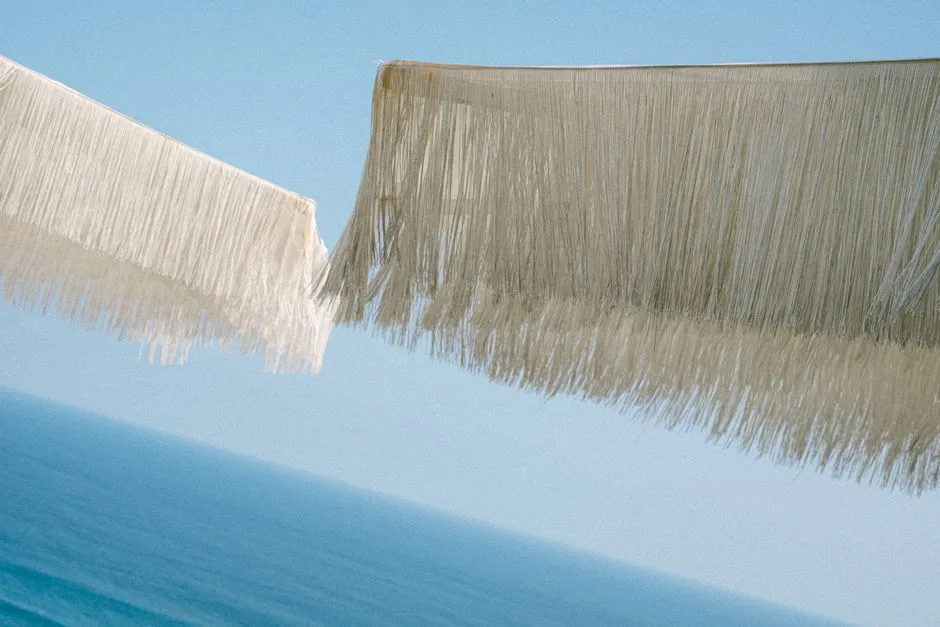
Plan the most demanding activities for the early morning (before 9 am) or late afternoon (after 4 pm) when the sun’s angle is lower. Midday heat is the most intense, so use that time for indoor pursuits such as visiting museums, markets under shade, or resting in air‑conditioned spaces. When you must be outside during peak hours, take frequent breaks in shaded areas—under trees, awnings, or portable canopies. Cooling towels or a damp cloth placed on the neck can lower body temperature quickly. Keep a small spray bottle of water to mist your face and arms, which provides instant relief without the need for a full shower.
Packing Checklist for Sun Safety
- Reusable water bottle (1‑2 L capacity) and optional electrolyte tablets
- Broad‑spectrum SPF 30+ sunscreen (minimum 100 ml tube)
- Loose, light‑coloured shirts and trousers (preferably cotton)
- Wide‑brimmed hat or cap with a neck flap
- UV‑protective sunglasses
- Lightweight scarf or bandana for extra neck protection
- Cooling towel or small hand‑held fan
- Portable shade (foldable umbrella or pop‑up canopy) for long walks
By following these straightforward measures—staying well‑hydrated, shielding your skin, and timing your activities—you can enjoy Akko’s vibrant markets, historic sites, and welcoming people without the discomfort that the hot season often brings. Remember that the key to a pleasant visit is preparation; a few simple habits will keep you safe, energized, and ready to explore the rich culture of Gombe State.
Travel information can change. Confirm current entry requirements, opening hours and local guidance with official sources before your trip.
Comments 0
Share a helpful thought or question. Comments appear after review.
Be the first to share a thoughtful comment.
Leave a comment
Your email will not be displayed. Please keep comments relevant and respectful.