
- Destination
- Sierra Leone
- Collection
- Food
- Reading time
- 4 min
- Updated
- Nov 18, 2026
Introduction
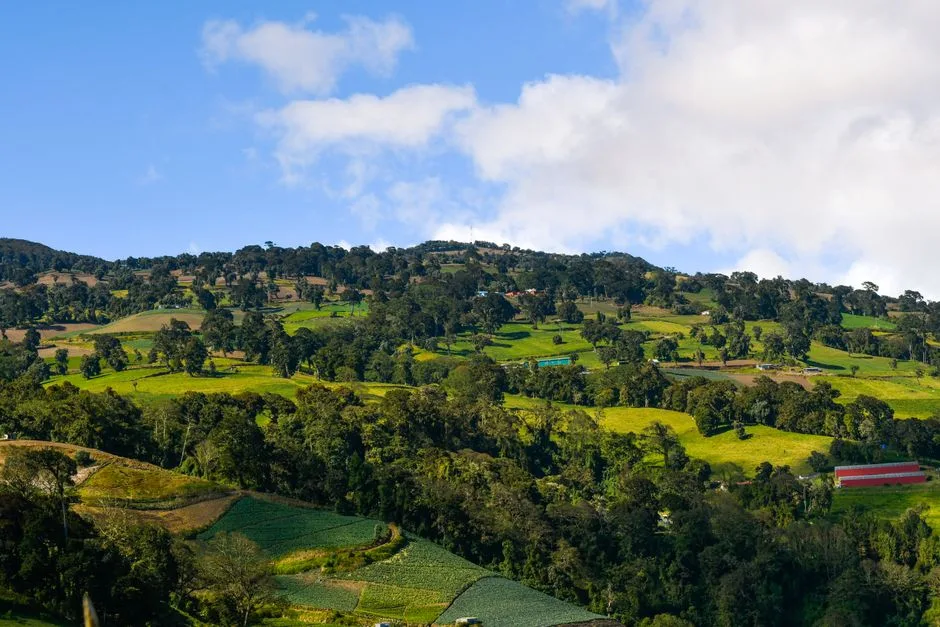
Falaba District lies in Sierra Leone’s Northern Province, a region where agriculture is tightly linked to the annual rhythm of rain. The district’s low‑lying valleys and gently rolling hills receive most of their precipitation between May and October, and this rainy season market surge determines which vegetables appear in town markets and how families plan their daily meals.
Rain‑Driven Market Flow
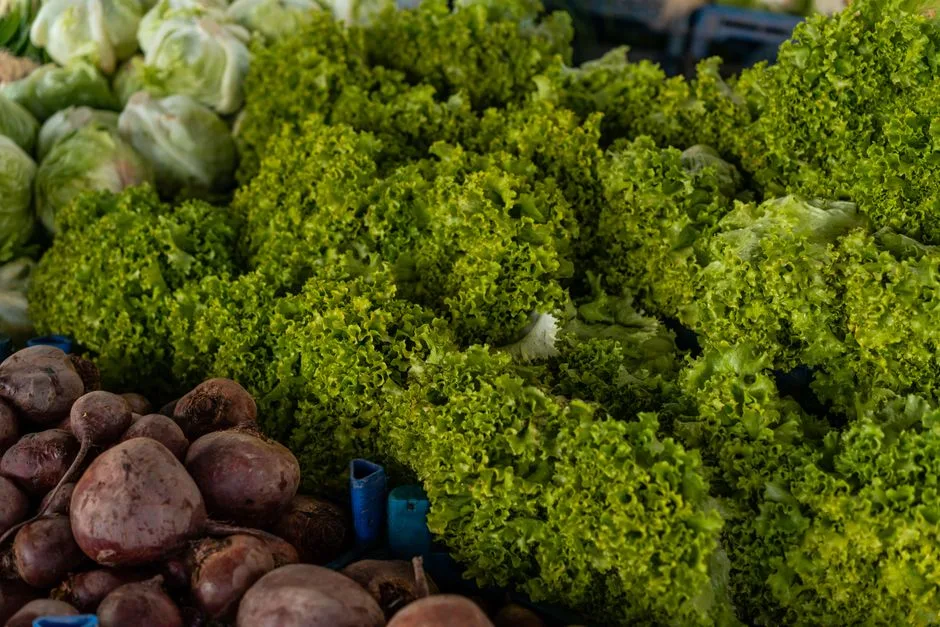
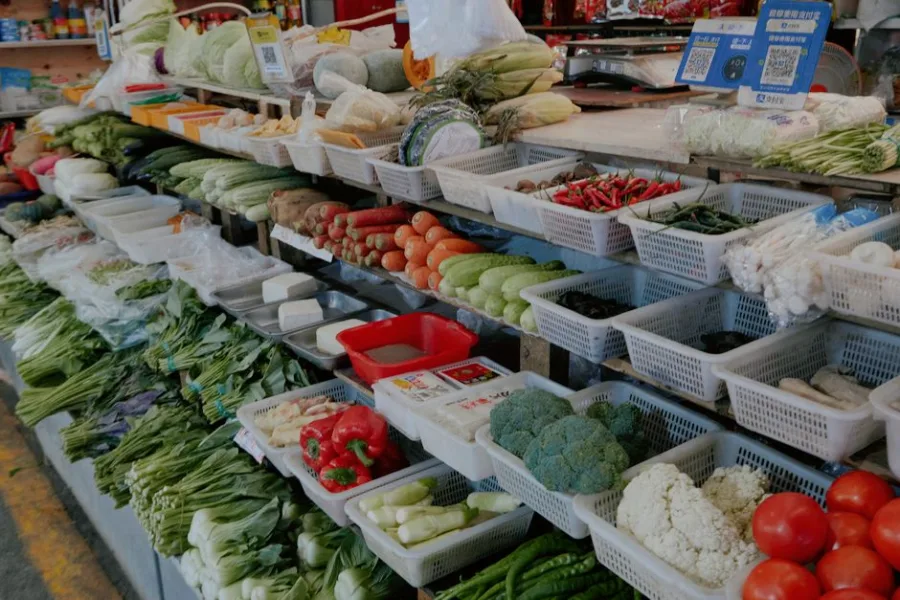
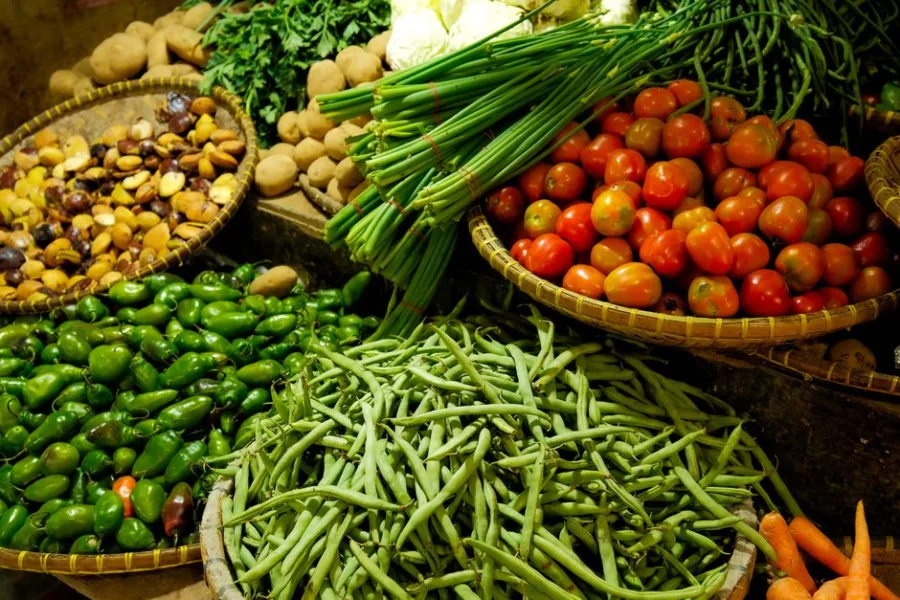
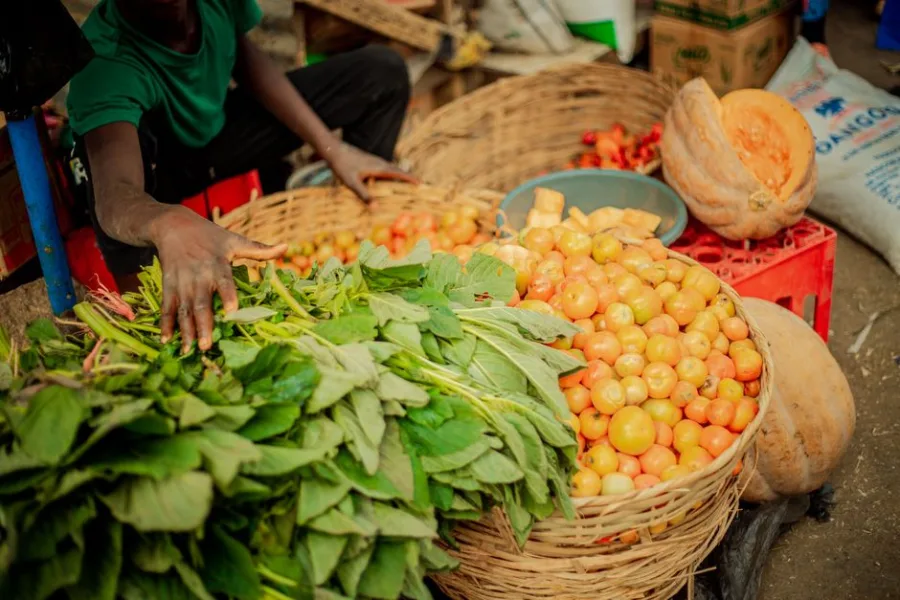
During the peak months of June through September, smallholder farms around Falaba’s chief towns such as Falaba, Magbema and Bafodia bring fresh harvests to the weekly market. The most common produce includes okra, tomatoes, eggplant, and leafy greens like kanyan and bitterleaf. Because the rains keep the soil moist, yields are higher and prices drop, allowing households to buy a larger variety of vegetables. Vendors often display bundles of green leaves still damp from the field, a visual cue that the harvest is recent.
The abundance of fresh greens encourages cooks to prepare light, vegetable‑rich stews that can be served with staple starches such as rice or fufu. These dishes rely on the natural flavor of the produce, with only a modest amount of palm oil and local spices.
The Dry Season Shift
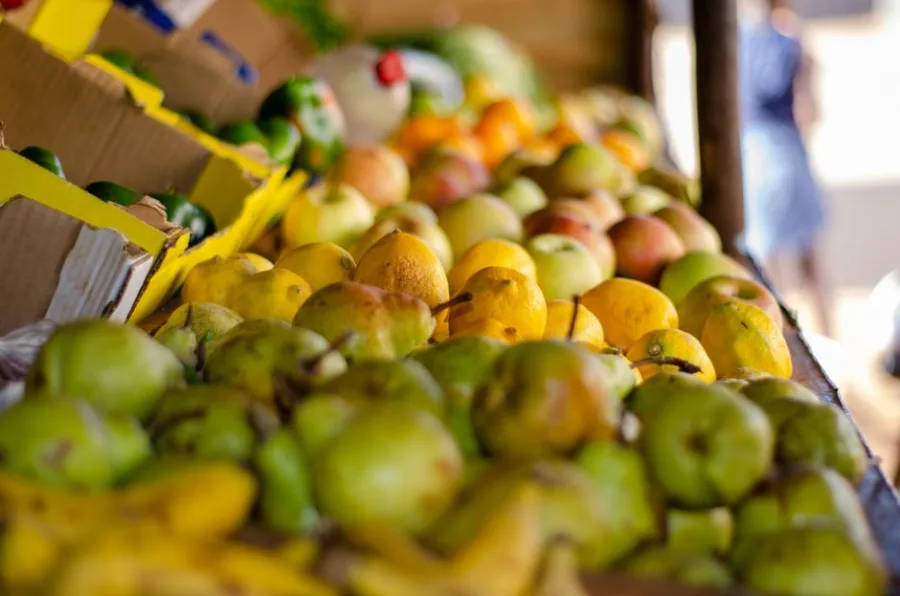
From November to April the rains recede, and the market landscape changes dramatically. Fields become drier, and the supply of fresh leafy vegetables dwindles. To bridge the gap, families turn to preservation methods that have been practiced for generations. Sun‑drying okra pods, smoking small fish, and fermenting cassava into gari are common strategies. The most visible change in the market is the rise of dried or smoked items, and the price of fresh greens can rise sharply.
Home cooks respond by preserving leafy greens through wilting and storing them in cool, shaded containers. A traditional technique involves layering kanyan leaves with a sprinkle of salt and a handful of ash, then covering the bundle with a banana leaf. This method keeps the leaves usable for several weeks, allowing families to maintain a green component in their meals throughout the dry months.
Cooking Adjustments
Seasonal shifts also affect cooking techniques. In the wet months, the plentiful water supply makes it easy to boil large pots of soup or stew. Conversely, during the dry season, water conservation becomes a priority, and cooks often opt for slow‑cooked stews that require less frequent stirring and can simmer over a low fire for hours. These stews, enriched with dried fish or smoked meat, develop deep flavors that compensate for the reduced freshness of vegetables.
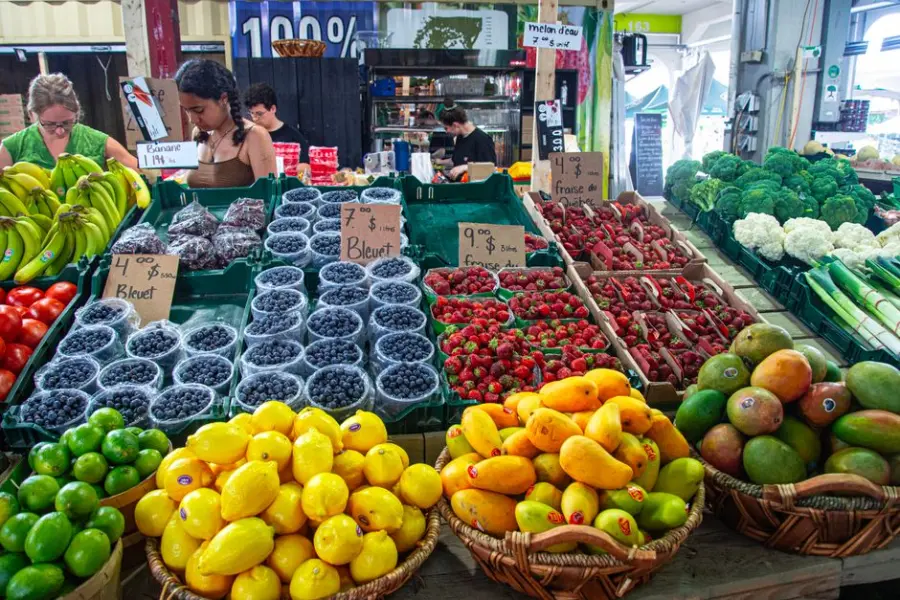
Spice blends also adapt. Fresh chilies are more accessible during the rains, so dishes tend be hotter. In the dry season, dried pepper powders and smoked paprika are used to add heat without needing fresh produce. This seasonal spice rotation contributes to the seasonal spice blends that define Falaba’s home cooking.
Practical Takeaways for Visitors
For travelers interested in experiencing authentic Falaba cuisine, timing your visit can shape what you taste. Arriving between June and September offers the chance to sample market‑fresh salads, lightly sautéed kanyan, and vibrant tomato‑based soups. Visiting during the dry months provides insight into preservation techniques and the hearty, smoky stews that sustain locals when fresh produce is scarce.
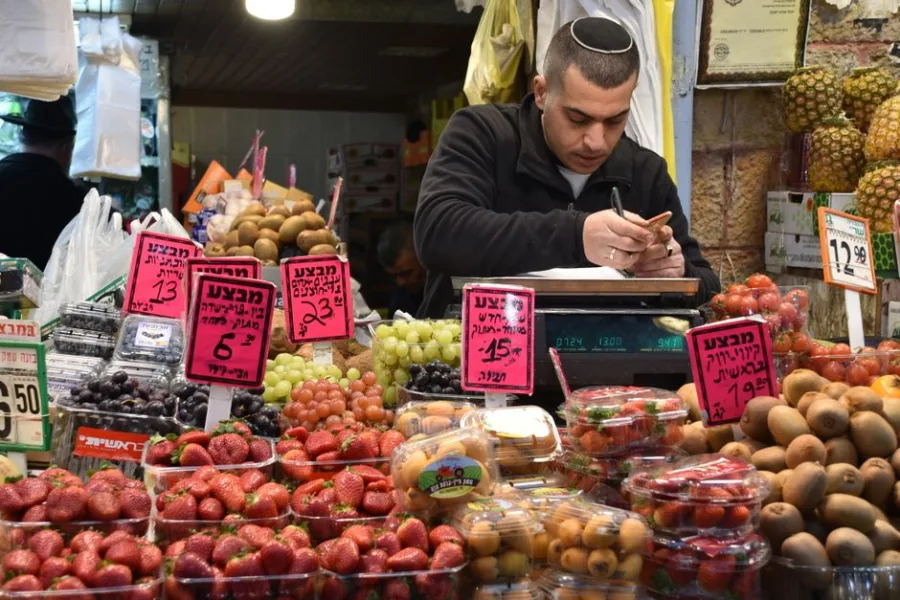
When buying at the market, look for vegetables that are still moist and bright‑colored; these are signs of recent harvest. If you wish to try preserved foods, ask vendors about the drying process—they are often proud to demonstrate the traditional methods.
Understanding the local food security dynamics helps appreciate why Falaba’s cooks are adept at making the most of what the season provides. The community’s resilience is reflected in every bowl, whether it’s a fresh garden stew or a slow‑cooked pot of dried‑fish soup.
Conclusion
Seasonal rain patterns are more than a weather statistic in Falaba District; they are the pulse that drives market availability, preservation practices, and everyday cooking decisions. By recognizing how the rains shape the food landscape, visitors and readers gain a deeper appreciation for the ingenuity and flavor that define this part of Sierra Leone.
Travel information can change. Confirm current entry requirements, opening hours and local guidance with official sources before your trip.
Comments 0
Share a helpful thought or question. Comments appear after review.
Be the first to share a thoughtful comment.
Leave a comment
Your email will not be displayed. Please keep comments relevant and respectful.