
- Destination
- Peru
- Collection
- Food
- Reading time
- 3 min
- Updated
- Nov 16, 2026
The Altitude Advantage
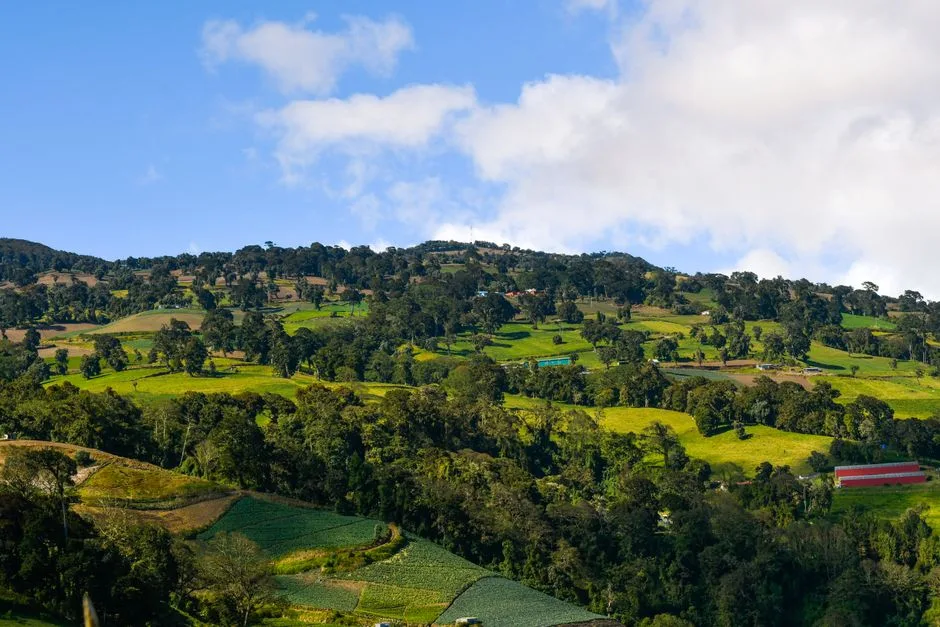
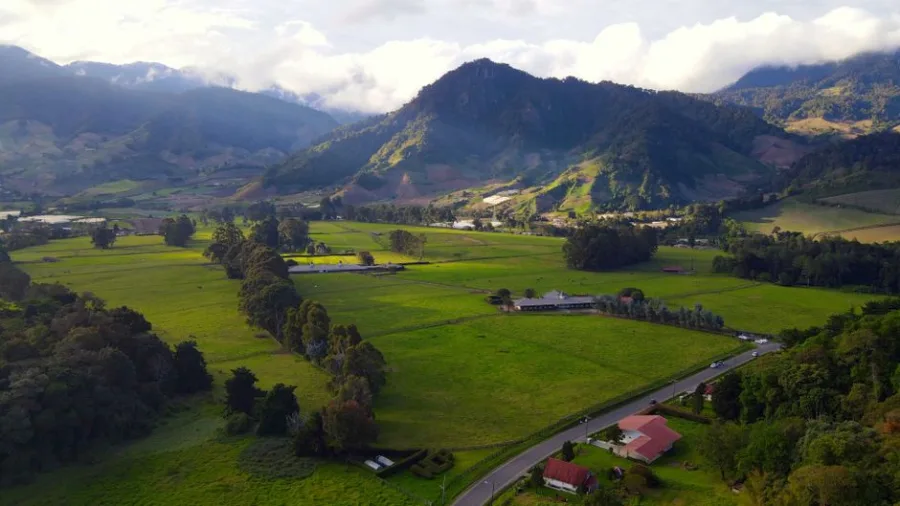
Quispicanchi province sits between 3,800 and 4,200 metres above sea level, a range that gives the region its high‑altitude quinoa varieties. The thin air, intense solar radiation, and cold nights create a short growing season, but also a grain that is exceptionally resilient and nutrient‑dense. Farmers rely on traditional seed selection, choosing plants that mature quickly and retain a high protein content despite the harsh climate. This natural adaptation means that the grain arrives in markets and homes with a consistent quality that lower‑altitude crops cannot match.
From Field to Kitchen
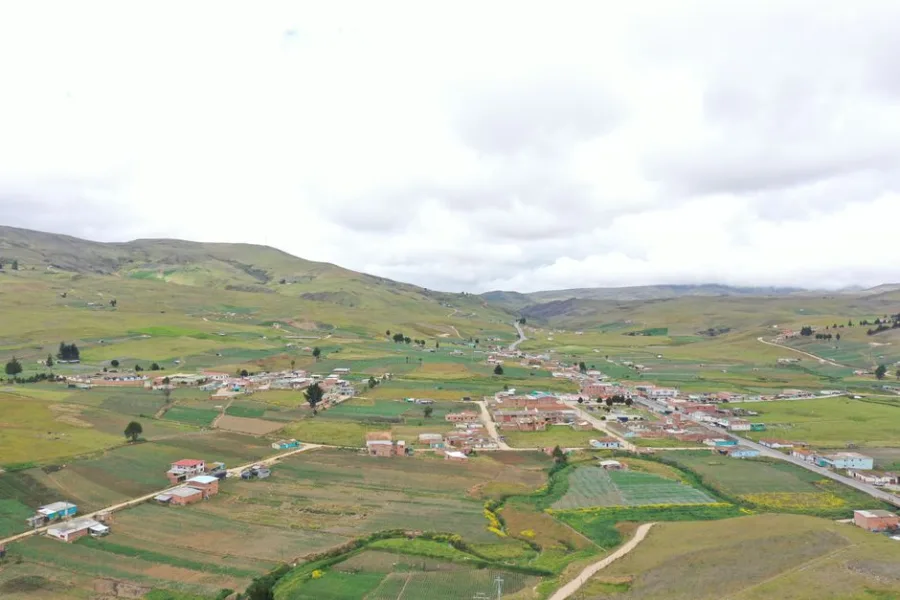
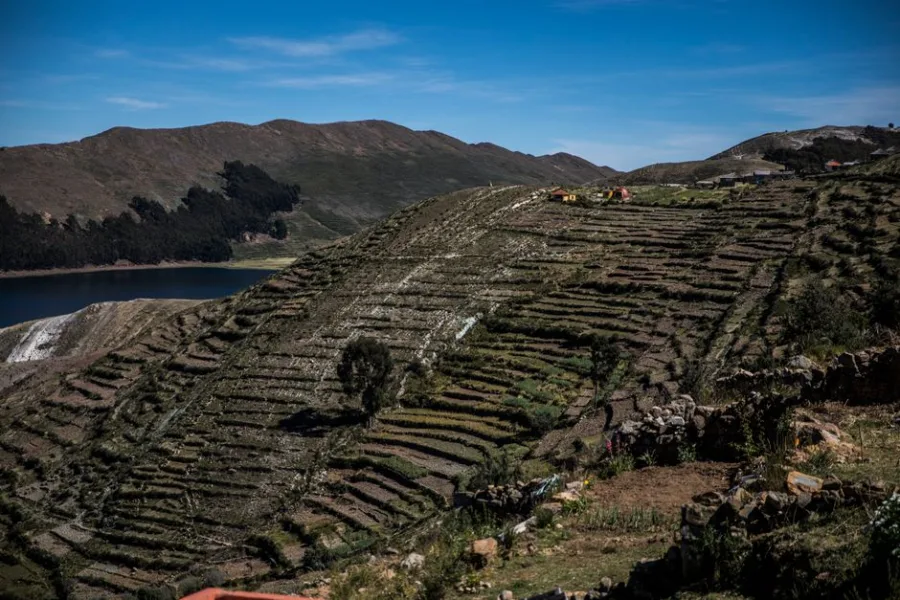
The agricultural calendar in Quispicanchi is dictated by the quinoa cycle. Sowing begins in the early rainy months of November, when meltwater from the Andes fills the terraces. Harvest typically occurs in late March or early April, just before the dry season intensifies. Because the harvest window is narrow, families plan their pantry stocks carefully. Dried quinoa is stored in woven baskets called cestos and kept in cool, ventilated rooms to protect it from moisture and pests. This practice ensures a year‑round supply of the grain, which becomes a staple after the harvest and before the next planting.
Everyday Meals Shaped by Quinoa
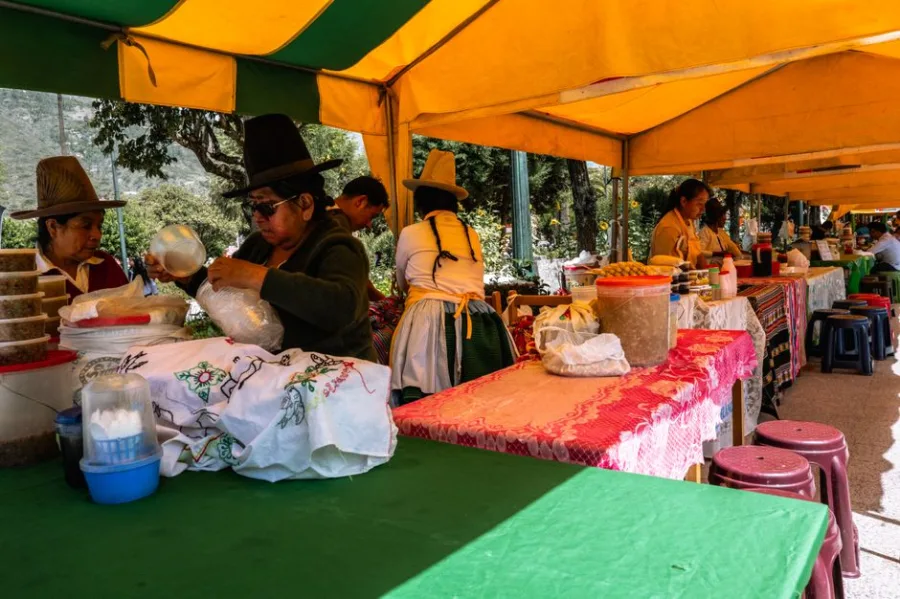
In most homes across districts such as Oropesa, Marcapata, and Ccatca, quinoa appears in three core preparations. The first is a simple porridge, known locally as atamal. Boiled with water or milk, a pinch of salt, and sometimes a splash of chicha (a fermented corn drink), the porridge is served for breakfast or as a restorative snack after a long trek. The second dish is a hearty soup where quinoa is combined with potatoes, carrots, and a handful of ají peppers. The broth, often flavored with cuy (guinea pig) stock or vegetable base, highlights quinoa’s ability to absorb flavors while adding body to the soup. The third preparation is a stir‑fry, where cooked quinoa is tossed with sautéed onions, pachamanca‑style roasted vegetables, and a drizzle of local oil. This dish is popular for dinner because it is quick, filling, and showcases quinoa’s nutrient‑dense grain profile.
Preserving Tradition in Modern Homes
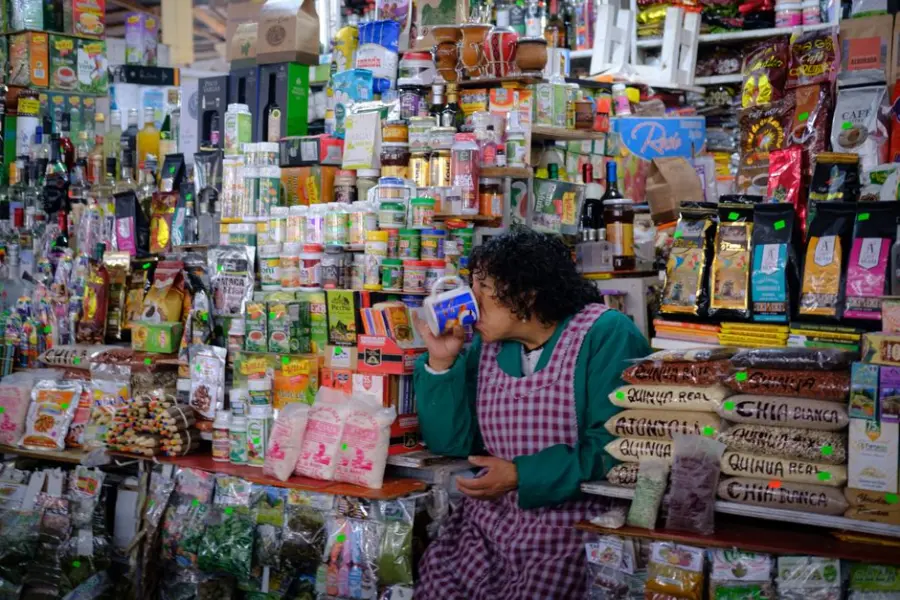
While urban migration has introduced new ingredients, many families in Quispicanchi still prioritize quinoa as a cultural anchor. Mothers teach children the ritual of washing the grain until the water runs clear, a step that removes saponins and improves texture. In addition, the timing of meals often aligns with the harvest rhythm: after the April harvest, households celebrate with larger portions of quinoa dishes, reinforcing community bonds. Some households have begun experimenting with quinoa flour to make breads and pastries, yet they retain the seasonal harvest rhythm by using flour only during the months when the grain is freshest.
A Sustainable Food Future
The reliance on quinoa also supports environmental stewardship. Because the crop thrives on steep slopes where other cereals would fail, it reduces the need for terrace expansion and limits soil erosion. Moreover, quinoa’s deep root system helps retain moisture, benefiting neighboring crops such as potatoes and quinoa‑friendly legumes. This synergy illustrates how a single grain can influence not just the simple home‑cooked dishes on the table, but also the broader agricultural landscape. As climate change poses new challenges, the resilience of Quispicanchi’s quinoa may become a model for other high‑altitude regions seeking preserving traditional flavors while adapting to shifting conditions.
Travel information can change. Confirm current entry requirements, opening hours and local guidance with official sources before your trip.

Comments 0
Share a helpful thought or question. Comments appear after review.
Be the first to share a thoughtful comment.
Leave a comment
Your email will not be displayed. Please keep comments relevant and respectful.