
- Destination
- Fiji
- Collection
- Culture
- Reading time
- 3 min
- Updated
- Nov 20, 2026
Living Under the Thatched Roof
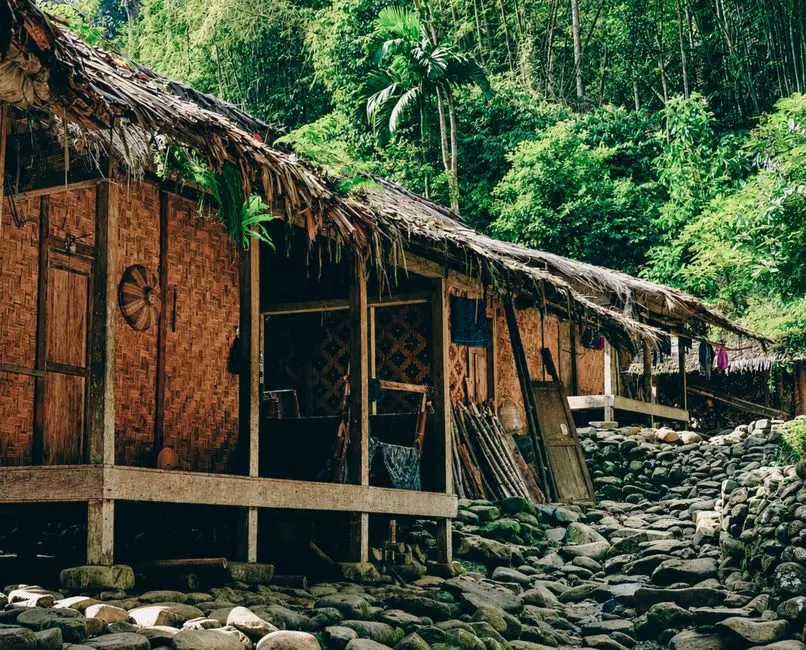
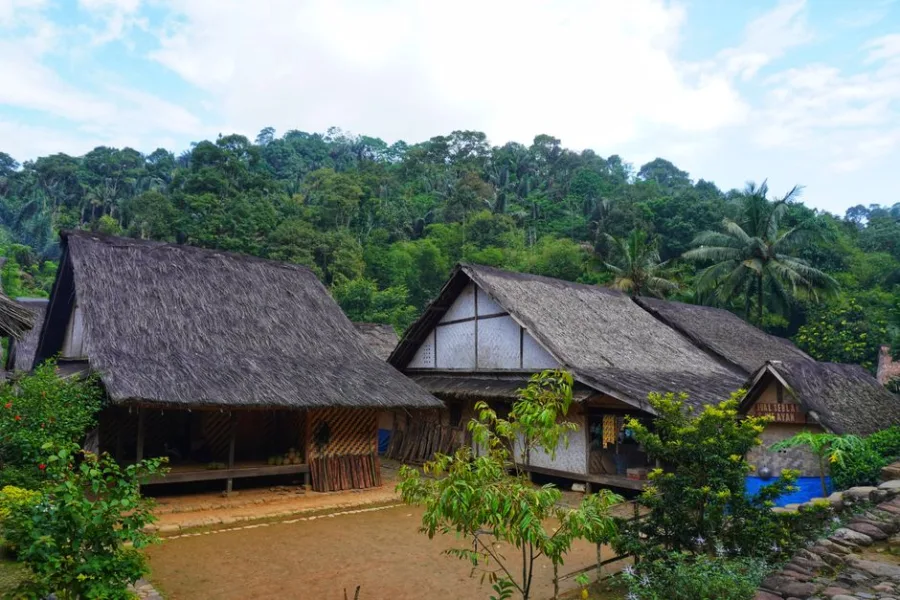
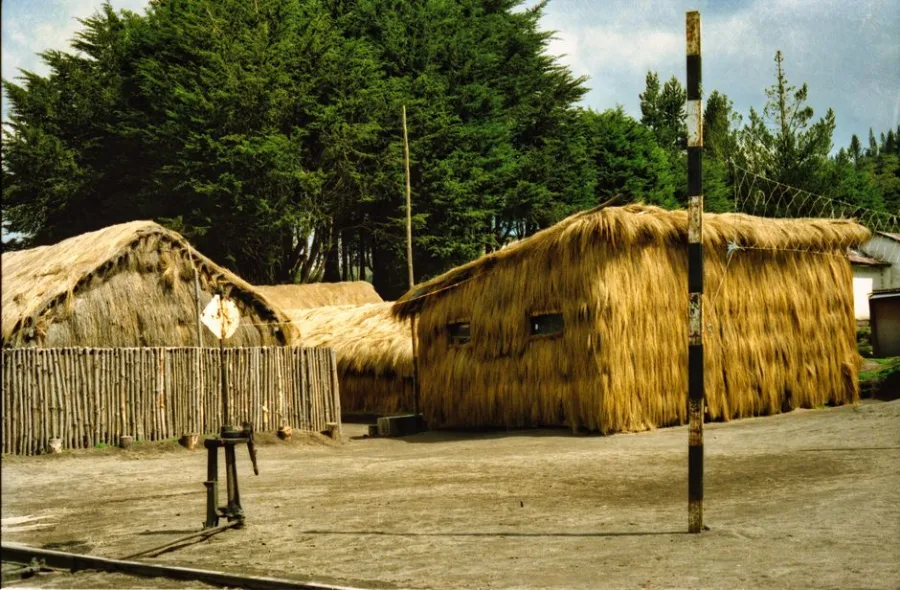
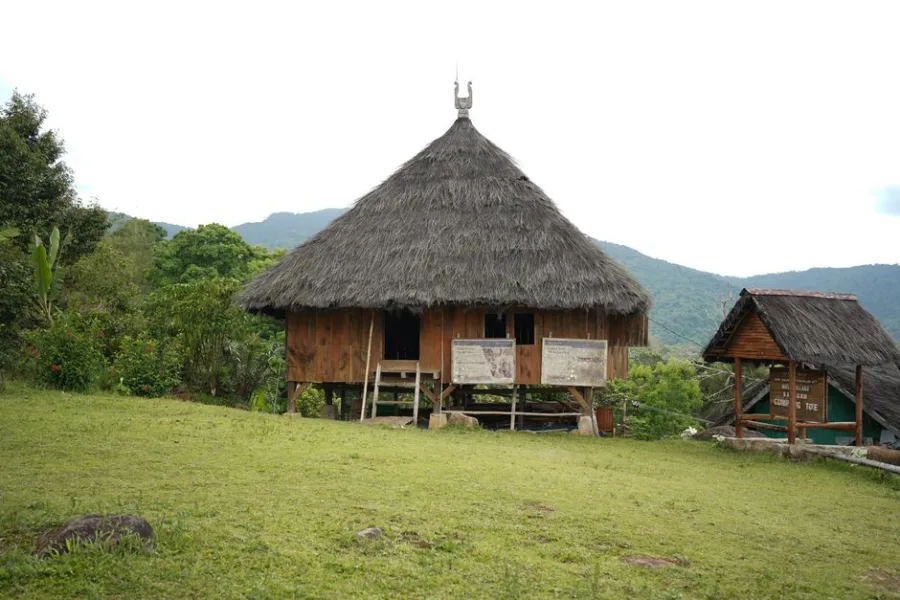
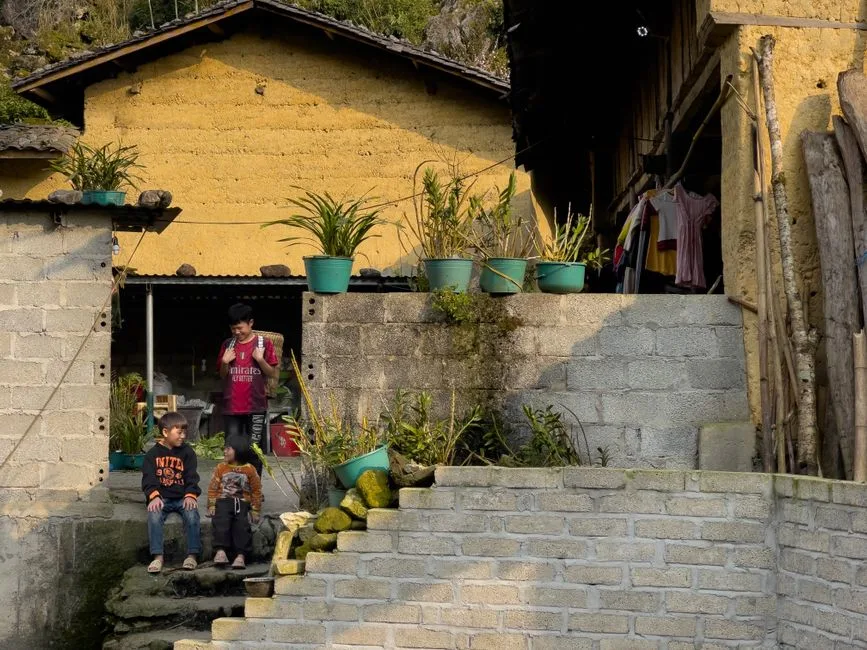
In the villages of Serua, the bure—a modest, thatched‑roof house built from locally sourced timber and pandanus leaves—remains the cornerstone of daily existence. Families rise early to open the wide eaves, letting the cool morning breeze sweep away the night’s humidity. The design naturally regulates temperature, so children can study or play inside without the need for artificial cooling. Morning chores are timed to the rhythm of the thatch, with laundry hung on simple wooden lines that dry quickly under the open sky.
Community Spaces and Rituals
Beyond private dwellings, larger communal bure serve as venues for kava ceremonies, village meetings, and seasonal celebrations. When the chief invites the village to discuss land use or resolve disputes, the gathering takes place under a shared roof, reinforcing the sense that decisions belong to the whole community. These gatherings are anchored by the physical presence of the thatch, reminding participants of shared heritage and collective responsibility. The open layout also allows elders to sit on low stools while younger members circulate, fostering inter‑generational dialogue.
Construction and Sustainability
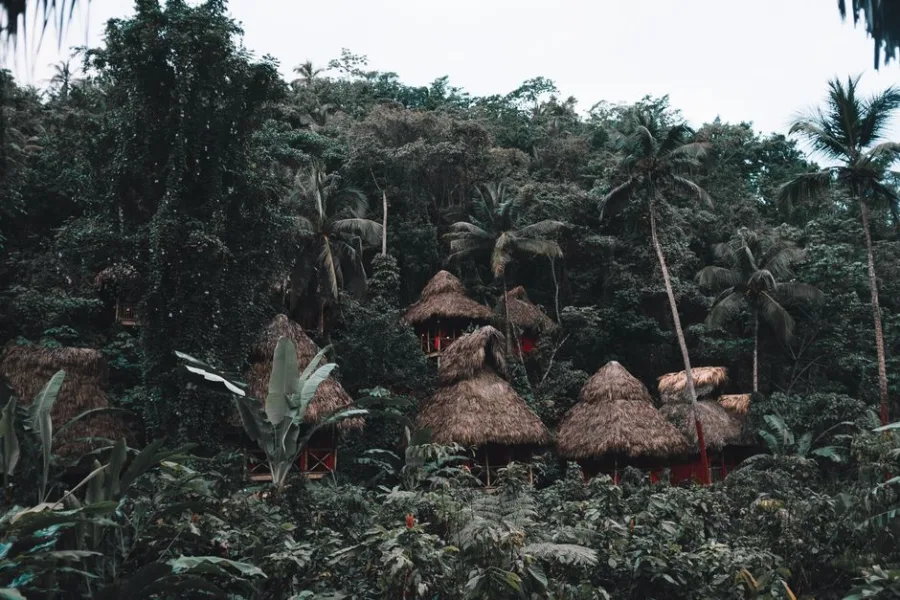
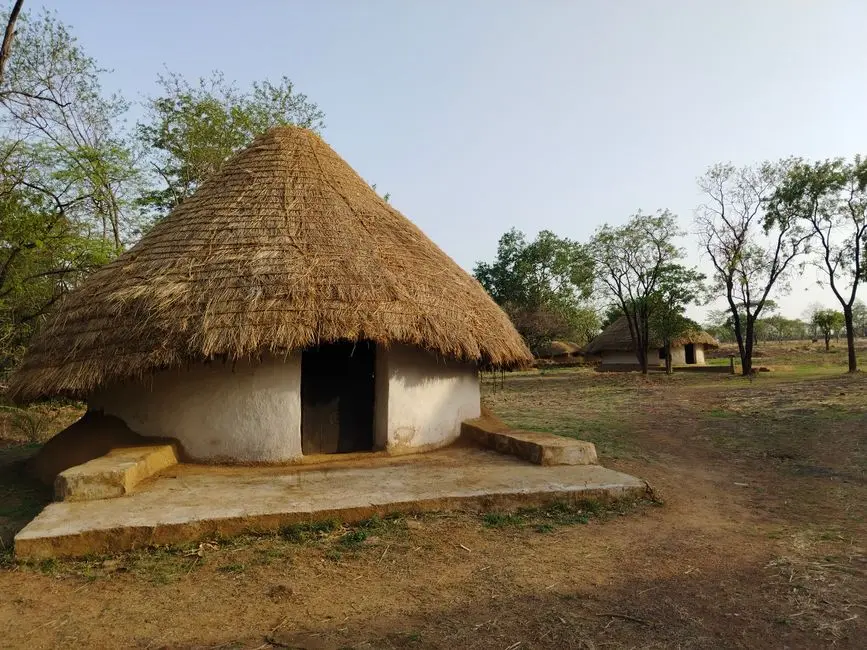
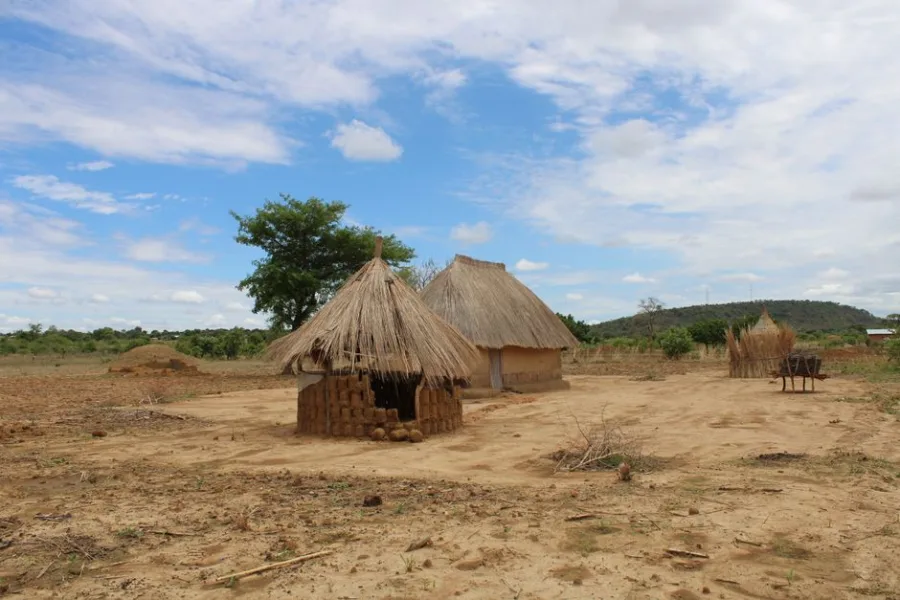
Building a bure is a communal effort that begins with the selection of suitable timber—often ironwood or sago palm—and the harvesting of pandanus leaves for thatching. Villagers work together, rotating tasks such as felling trees, shaping beams, and weaving the thatch. This cooperative process not only reduces individual labor costs but also strengthens social bonds. The thatch itself is a renewable material, replaced every few years as it weathers, creating a regular rhythm of maintenance that keeps skills alive across generations.
Seasonal Rhythms and Adaptation
Serua’s tropical climate brings a distinct wet and dry season. During the heavy rains, the steeply pitched thatch channels water away, protecting interiors from leaks. In the dry months, the breathable roof allows heat to escape, keeping the interior comfortable. Residents time agricultural activities—such as planting taro in the wet season and harvesting cassava in the dry—to align with these climatic patterns, often discussing schedules from the shade of the communal bure. The architecture thus mirrors the island’s environmental cycles, making daily life more resilient.
Everyday Life Intertwined with the Bure
Even simple pleasures are tied to the thatched roof. Evening meals are often enjoyed on the veranda, where the scent of grilled fish mingles with the faint aroma of fresh thatch. Children play hide‑and‑seek among the low walls, while women prepare lovo (earth oven) meals nearby, the smoke drifting lazily toward the roof. When a family welcomes guests, the host offers a seat on the raised floor of the bure, a gesture that signals hospitality rooted in tradition. These small, repeated actions reinforce a collective identity that is both practical and cultural.
In Serua Province, the thatched‑roof bure is far more than a building; it is a living framework that shapes how people work, celebrate, and care for one another. By aligning architecture with climate, community, and cultural practice, the bure continues to guide daily life in a way that modern structures often overlook.
Travel information can change. Confirm current entry requirements, opening hours and local guidance with official sources before your trip.
Comments 0
Share a helpful thought or question. Comments appear after review.
Be the first to share a thoughtful comment.
Leave a comment
Your email will not be displayed. Please keep comments relevant and respectful.