
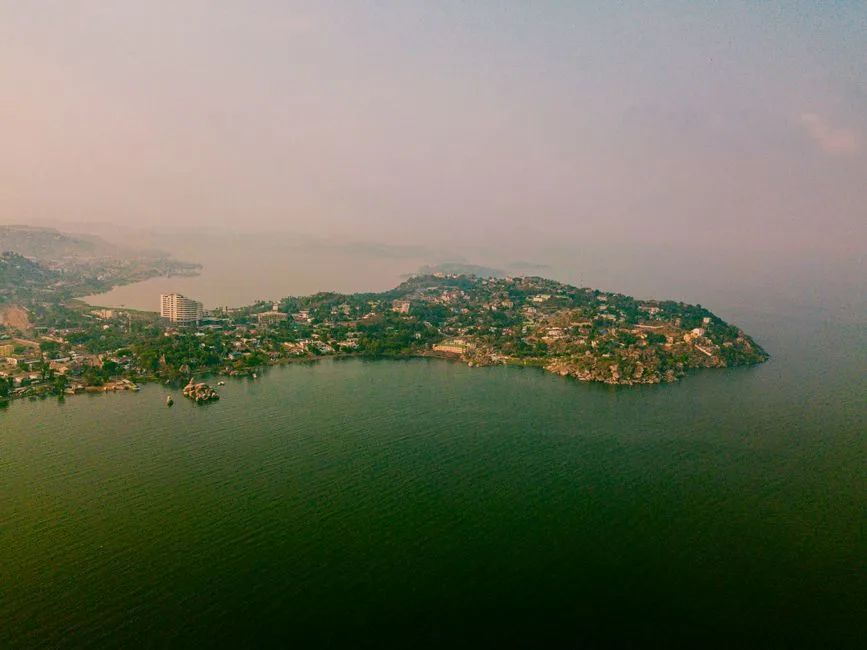
- Destination
- Mwanza, Tanzania
- Collection
- Destinations
- Reading time
- 3 min
- Updated
- Nov 19, 2026
Dawn at the Dock
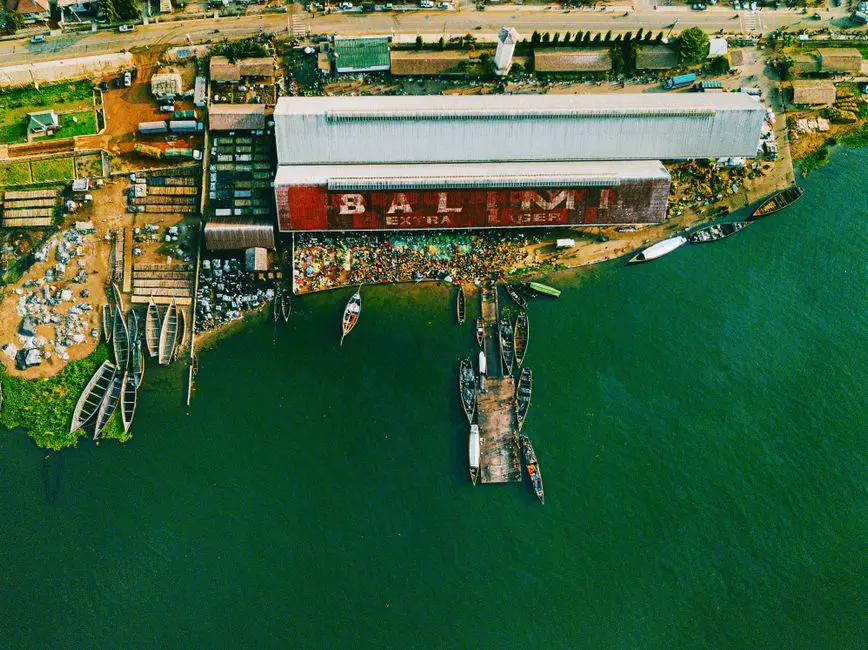
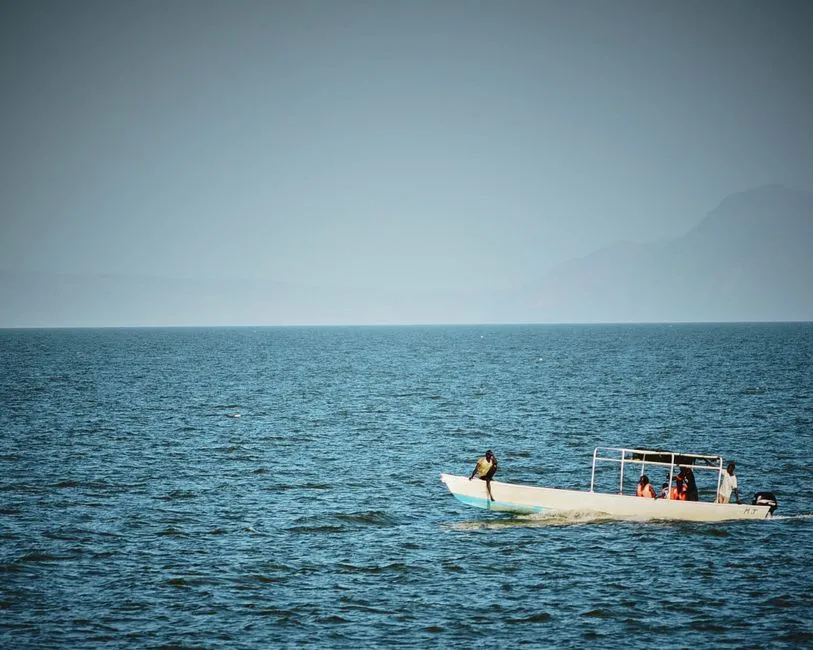
The day begins before the city’s traffic stirs. By 5 am, the wooden piers of Nyamagana District are already alive with the low hum of diesel engines and the splash of nets being pulled from the water. Small motorboats, often painted in bright blues and reds, return from the open lake carrying fresh tilapia, glinting silver dagaa, and sturdy catfish. Vendors—many of them the same families who have fished these waters for generations— unload their haul onto tarpaulins spread over the concrete market floor. The air smells of lake water, diesel, and the faint perfume of sunrise.

The Market Rhythm
The market is organized by species, a practical system that helps buyers locate what they need quickly. Tilapia, the most common catch, is displayed whole or filleted, its pink flesh visible through the thin skin. Dagaa, tiny silver fish, are piled in shallow baskets, their numbers evident by the shimmering surface. Catfish, larger and more robust, are often sold whole, their whiskered faces a familiar sight to locals. Early‑morning market activity is brisk; commuters heading to work stop for a quick purchase, while housewives fill their baskets for the day’s cooking. Prices are negotiated in Tanzanian shillings, and the bargaining is friendly, reflecting the community’s close ties.
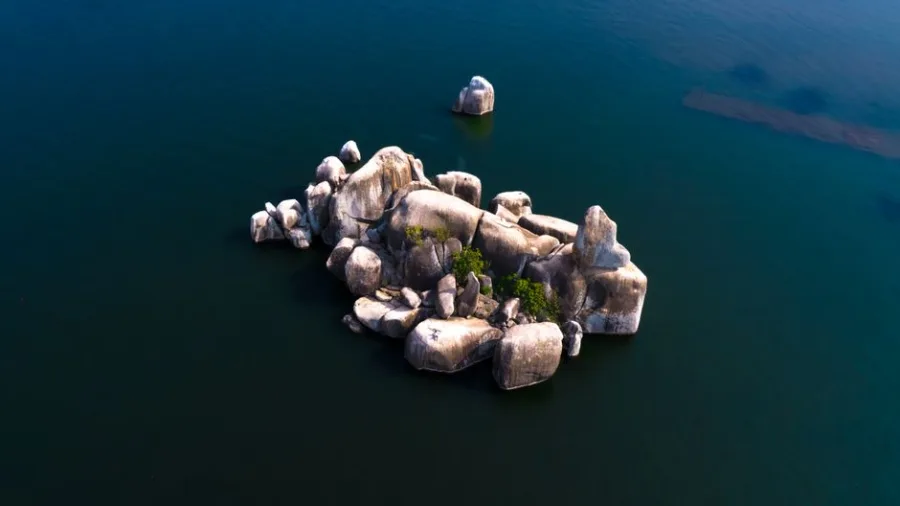
From Lake to Plate
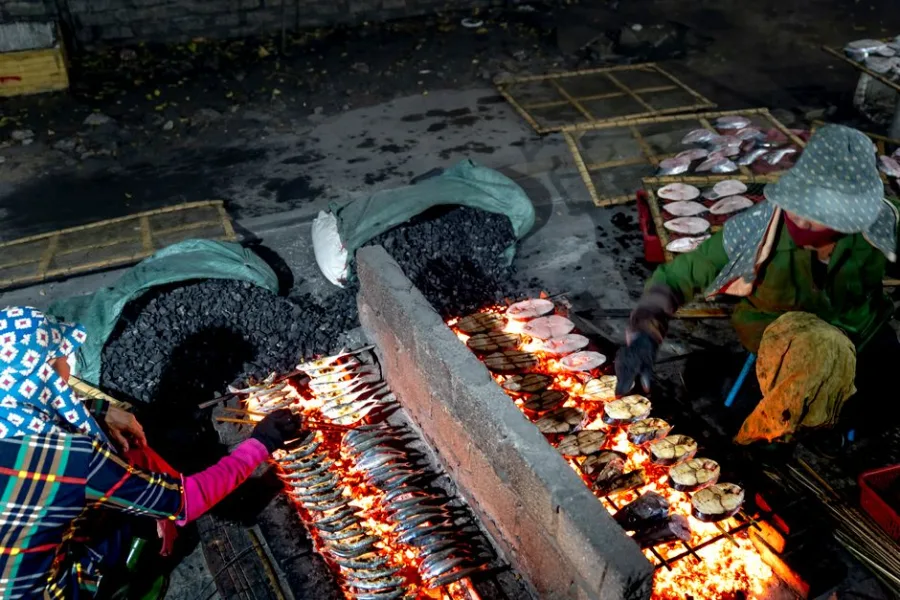
Back in the surrounding neighborhoods, the fish become the heart of everyday meals. A typical family might start with a pot of ugali, a stiff maize porridge that serves as the staple carbohydrate. On top of that, a fish stew—often prepared with tomatoes, onions, and a splash of coconut milk—provides protein and flavor. When tilapia is the star, it is usually grilled whole, seasoned simply with salt and a squeeze of lime, letting the natural taste shine. Catfish, with its firmer flesh, is commonly cut into chunks and simmered in a spicy pilau sauce, turning a modest dinner into a comforting feast. The tiny dagaa are fried until crisp and served as a crunchy side dish or snack, especially popular among schoolchildren.
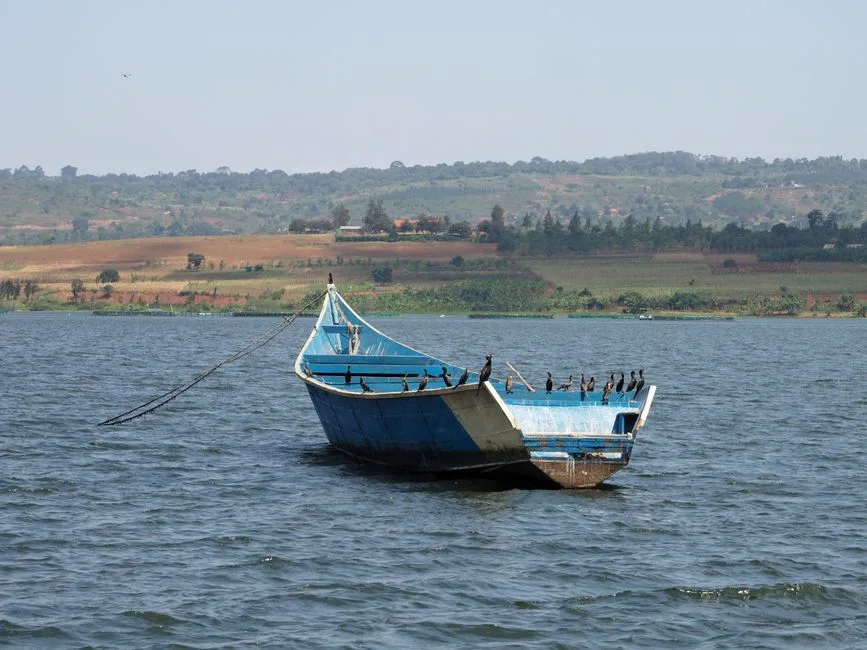
Economic and Cultural Impact
Fishing in Nyamagana is more than a livelihood; it is a economic lifeline for thousands of households. The catch supports not only the fishers but also the women who clean, gut, and sell the fish at the market. Their earnings often fund school fees, medical expenses, and community projects. Moreover, the daily rhythm of the market reinforces social bonds—neighbors exchange recipes, children learn the names of the fish, and elders share stories of how the lake has changed over the decades.
Sustainable Practices and Challenges
While the lake remains abundant, there is growing awareness of the need for sustainable practices. Some vendors now participate in community‑led monitoring groups that track catch sizes and promote seasonal closures for certain species. These efforts aim to protect the local nutrition that the lake provides for future generations. However, challenges persist, including occasional fluctuations in water levels and the impact of larger commercial fleets operating farther offshore. The balance between meeting immediate food needs and preserving the ecosystem is a daily conversation among Nyamagana’s residents.
A Day’s Takeaway
Spending a day with Nyamagana’s lakeside fish vendors offers a vivid picture of how Lake Victoria’s catch shapes the culinary landscape of Mwanza. From the first light on the water to the sizzling pans in family kitchens, the fish connect the district’s economy, culture, and daily sustenance. For travelers, watching the market in action provides a genuine glimpse into Tanzanian life—one that is rooted in the lake’s bounty and the resilient spirit of its people.
Travel information can change. Confirm current entry requirements, opening hours and local guidance with official sources before your trip.

Comments 0
Share a helpful thought or question. Comments appear after review.
Be the first to share a thoughtful comment.
Leave a comment
Your email will not be displayed. Please keep comments relevant and respectful.