
- Destination
- Republic of the Congo
- Collection
- Culture
- Reading time
- 4 min
- Updated
- Nov 17, 2026
Riverine Resources and Daily Staples
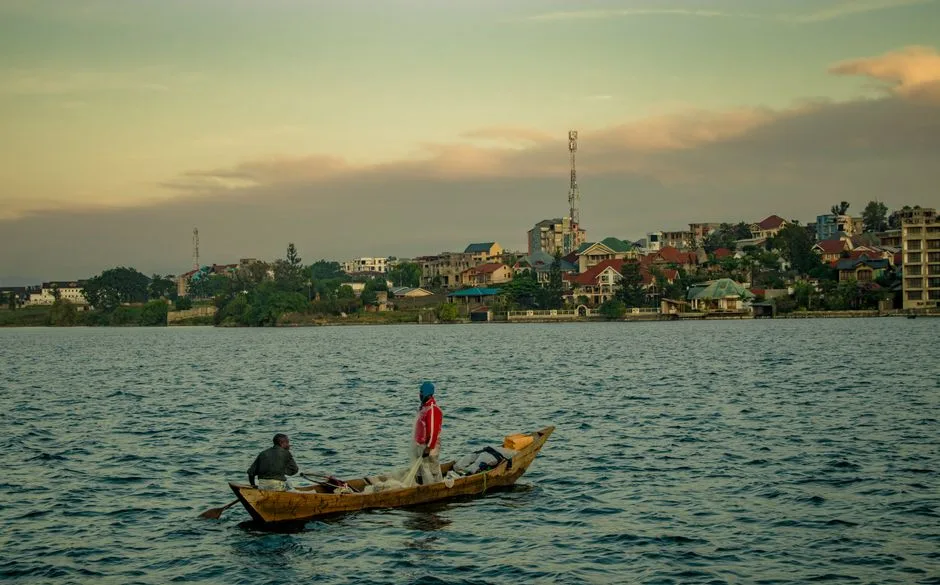
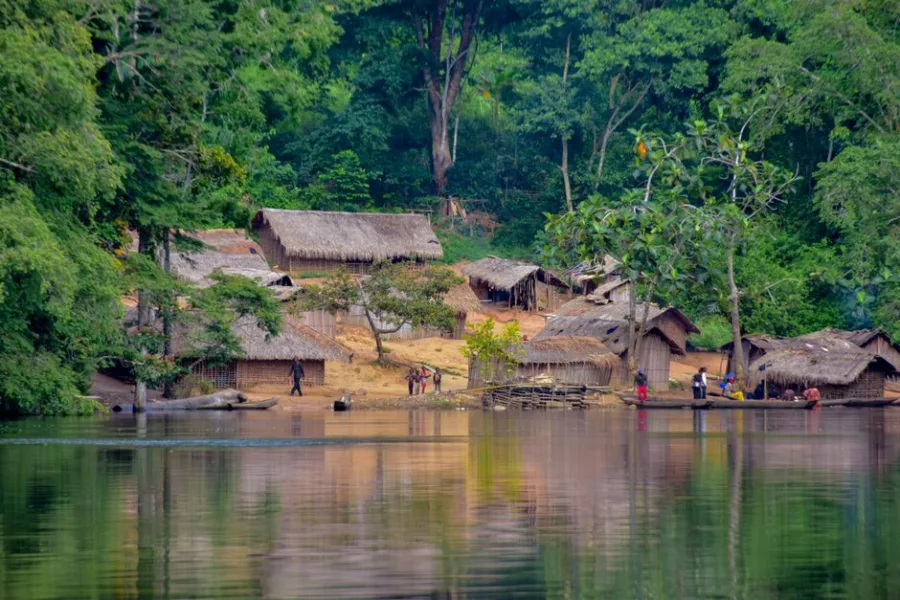
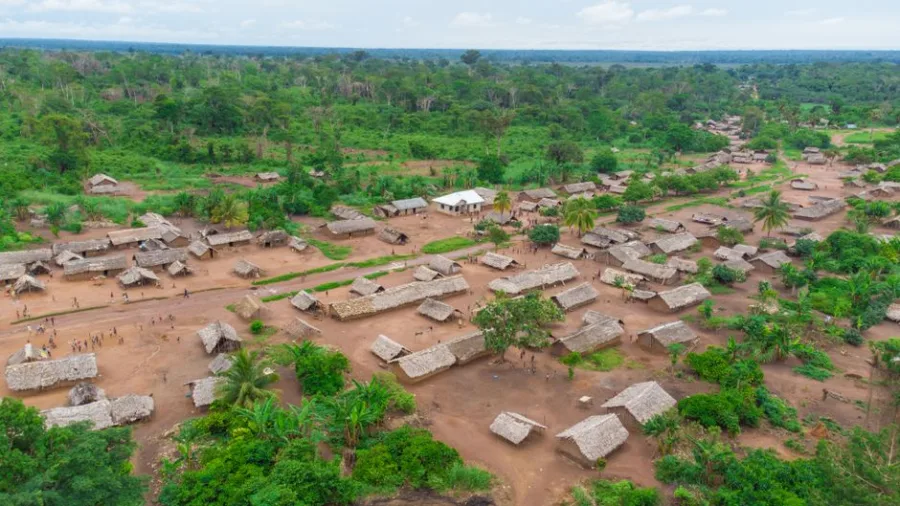
Ngabe, a district in the Pool region of the Republic of Congo, sits along a network of tributaries that feed the larger Congo River. The proximity to water means that river‑caught fish such as catfish and tilapia are among the most reliable sources of protein for households. Fresh fish are often cleaned and smoked on the riverbank, a practice that preserves them for the market days that rotate through villages.
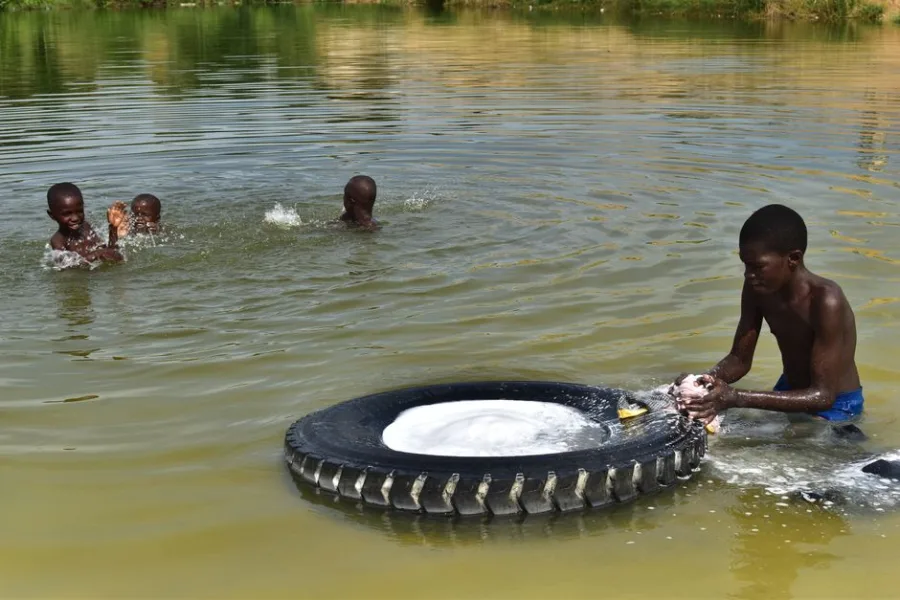
Cassava remains the cornerstone carbohydrate. Small‑scale farms along the floodplain grow cassava year‑round, and the roots are processed into cassava flour for making fufu, a dough‑like accompaniment to stews. Plantains and bananas, thriving in the moist soils, provide additional starch and are frequently grilled or boiled. Palm oil, extracted from locally cultivated oil palms, adds the characteristic red hue and rich flavor to many dishes.
Cooking Techniques Shaped by Water
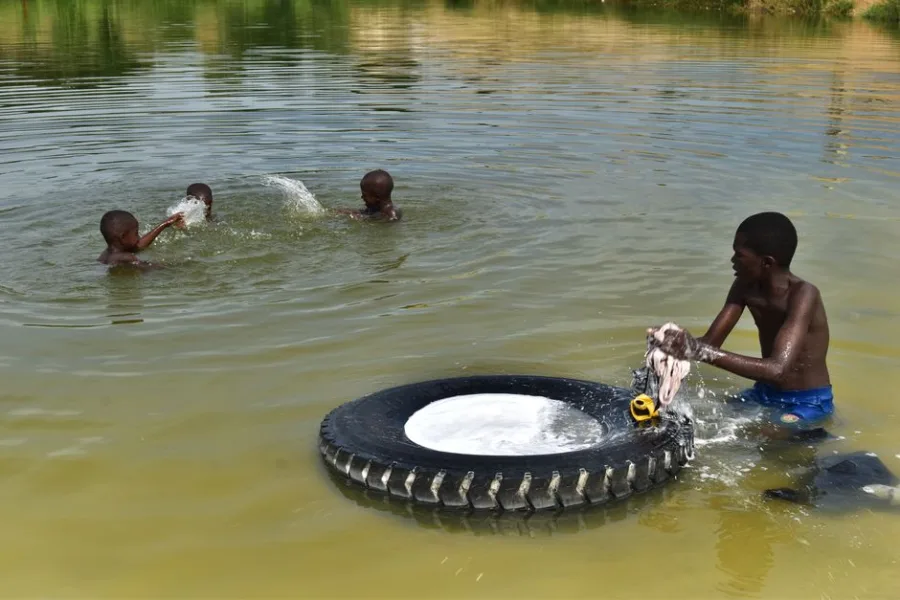
The abundance of water influences not only the ingredients but also the cooking methods. Open‑fire cooking is common; families build simple hearths using river stones that retain heat well. The fire is fed with wood from nearby forest patches, and the heat is regulated by arranging stones to create a flat cooking surface.
Steaming is another technique that benefits from the river. Large banana leaves are placed over a pot of boiling water, creating a natural steamer for dishes like saka‑saka—cassava leaves cooked with palm oil, onions, and a pinch of pili‑pili (local chili). The steam from the river water ensures even cooking and helps retain nutrients.
For fish, grilling over an open flame is preferred, often with a smear of seasoned palm oil to prevent sticking. In some villages, fish are wrapped in banana leaves and placed directly on hot stones, a method that imparts a subtle smoky aroma while keeping the flesh moist.
Communal Meals and Social Rhythm
Food in Ngabe is rarely a solitary affair. Communal sharing is woven into daily life, especially during market days and religious observances. Large pots of mbongo—a hearty tomato‑based stew enriched with smoked fish, meat, or dried shrimp—are simmered for hours. The stew is ladled onto fufu and served on communal platters, encouraging conversation and collective enjoyment.
Women typically coordinate the preparation of these meals, organizing tasks such as pounding cassava, chopping vegetables, and tending the fire. Men often contribute by bringing freshly caught fish or assisting with the heavy lifting of cooking vessels. Children learn by observing and gradually taking on small responsibilities, reinforcing cultural continuity.
The rhythm of communal eating aligns with the seasonal flood cycles. During the high‑water months, when fields are inundated, fish become more plentiful, and meals feature larger portions of fish stew. Conversely, the dry season sees a greater reliance on preserved foods—smoked fish, dried cassava chips, and fermented palm kernels—ensuring nutritional balance throughout the year.

Seasonal Adjustments and Future Outlook
Ngabe’s residents have adapted their culinary practices to the predictable rise and fall of river levels. When floods recede, new plots of fertile land emerge, allowing for a brief but intense planting season of vegetables such as okra, eggplant, and leafy greens. These crops are incorporated into stews and sauces, adding variety to the otherwise staple‑heavy diet.
Climate variability poses challenges. Unusually prolonged floods can delay planting, while droughts reduce fish yields. Community groups are increasingly sharing knowledge about sustainable fishing techniques and crop rotation to mitigate these risks.
Looking ahead, modest improvements in infrastructure—such as better market roads and small‑scale solar dryers—could enhance food preservation and distribution without altering the core cultural practices. The emphasis remains on preserving the intimate link between the river, the kitchen, and the community that defines Ngabe’s culinary identity.
In Ngabe, the river is more than a geographic feature; it is the lifeblood that shapes what people eat, how they cook, and how they come together around the table. Understanding this relationship offers a window into the resilience and generosity of a district where water, food, and community flow as one.
Travel information can change. Confirm current entry requirements, opening hours and local guidance with official sources before your trip.
Comments 0
Share a helpful thought or question. Comments appear after review.
Be the first to share a thoughtful comment.
Leave a comment
Your email will not be displayed. Please keep comments relevant and respectful.