
- Destination
- Djibouti
- Collection
- Culture
- Reading time
- 3 min
- Updated
- Nov 15, 2026
The Dawn of the Fishing Day
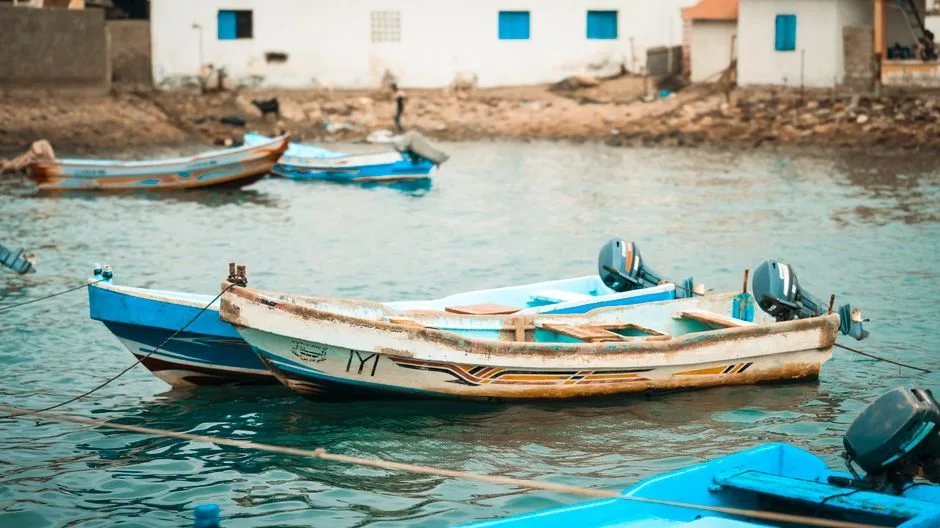
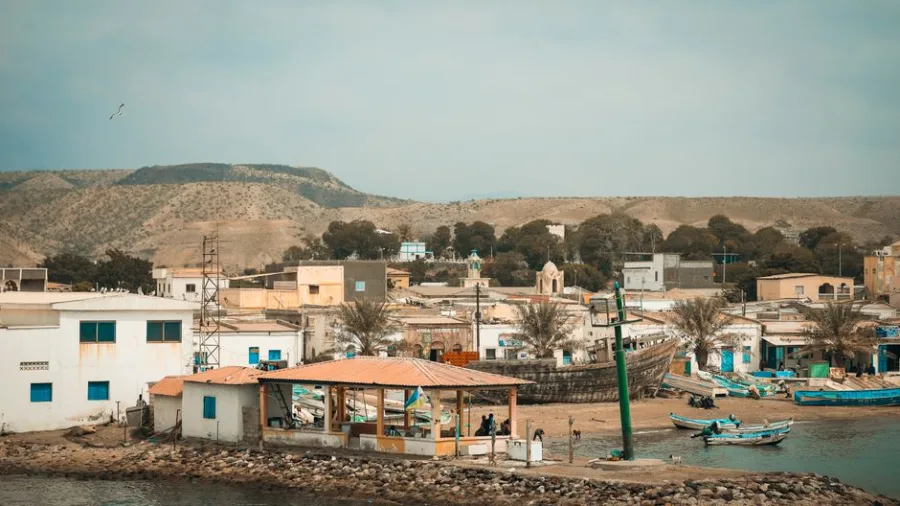
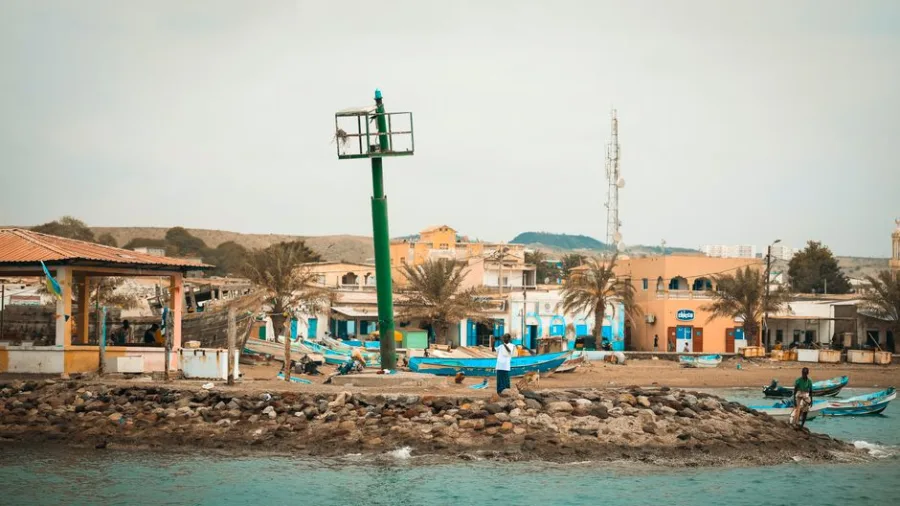
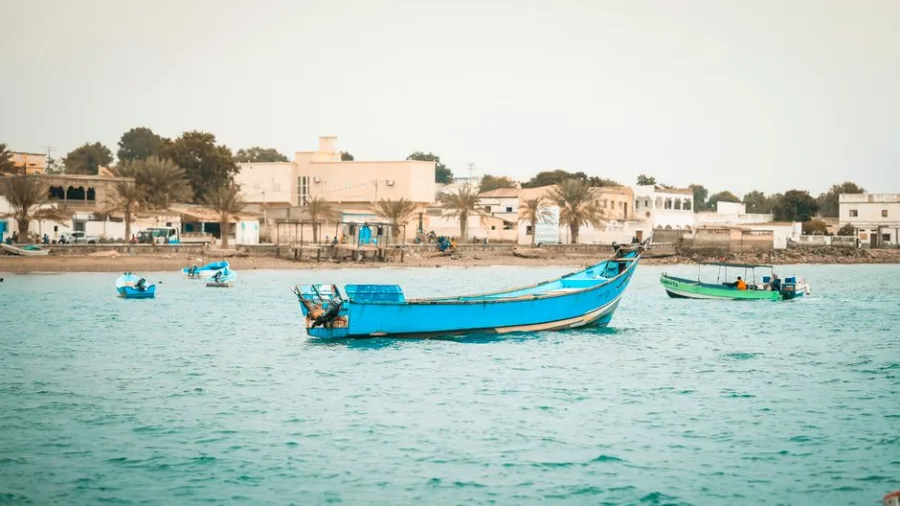
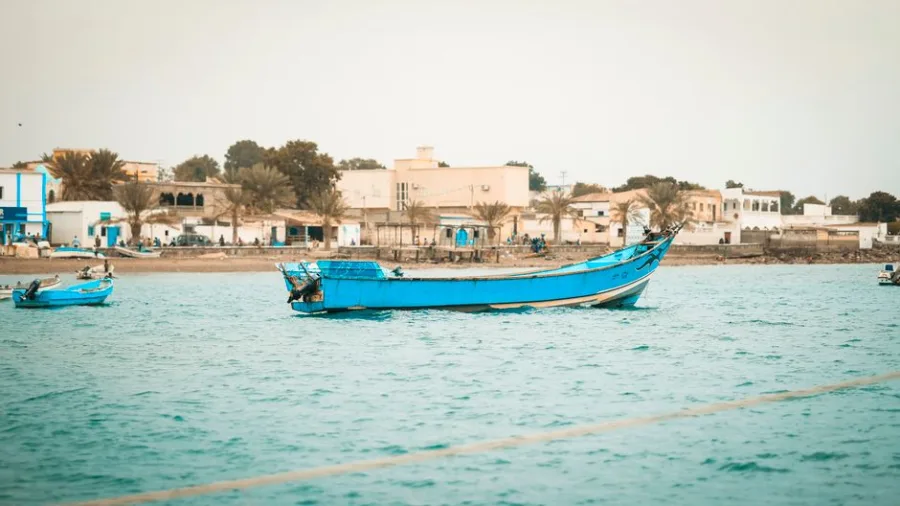
Each weekday before sunrise, the small harbor of Obock comes alive with the low hum of diesel engines and the clatter of nets being prepared. Fishermen—many of them from families that have lived in the district for generations—load their modest wooden skiffs with samak and head out onto the Red Sea. The early morning departure is timed to catch the tide at its strongest, which helps the boats reach the richer offshore waters where sardines, mackerel and occasionally larger tuna species roam.
From Boat to Market
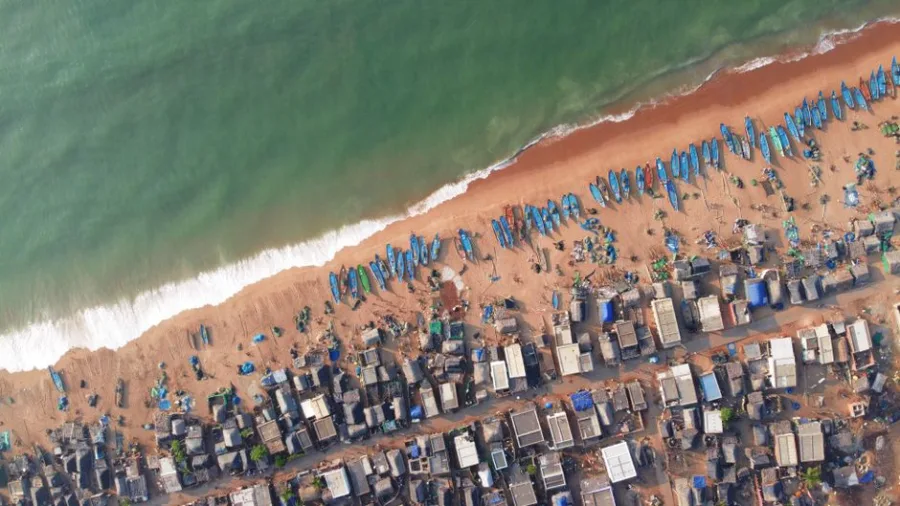
A typical catch is brought back within two to three hours. Upon docking, the fish are quickly rinsed in seawater and sorted on the concrete platform that serves as the informal market. Women from the surrounding neighborhoods set up temporary stalls, laying out the fresh fillets on ice or on clean cloths. The sight of gleaming silver fish draws local buyers—street vendors, restaurant owners, and families buying for home cooking. The fresh catch markets operate on a simple barter system; a kilogram of sardines might be exchanged for a sack of rice or a few loaves of bread from the nearby boulangerie.
Meals Rooted in the Sea
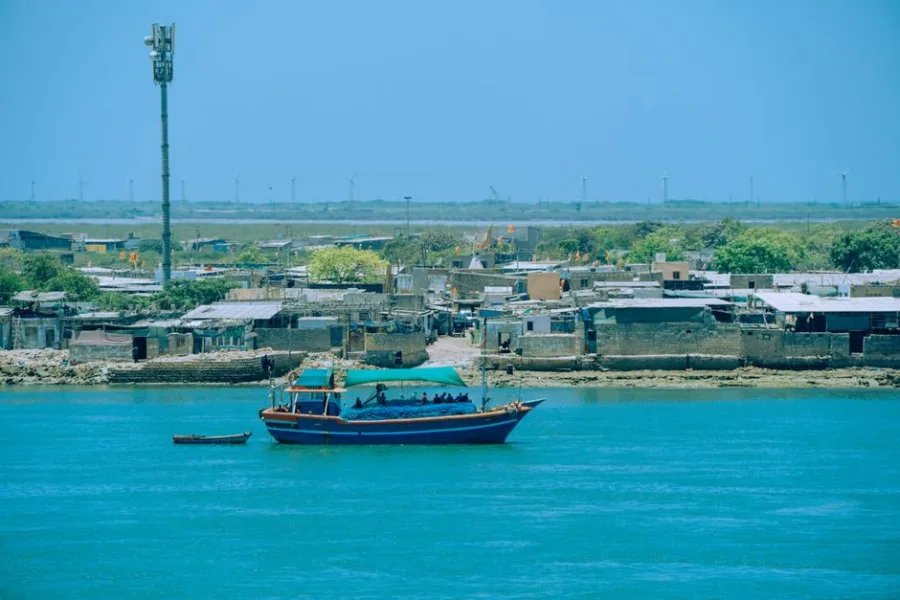
In Obock, daily meals revolve around what has just been landed. Breakfast may include grilled sardines served with flatbread and a squeeze of lemon, while lunch often features a hearty stew of mackerel cooked with tomatoes, onions, and locally grown chilies. For special occasions, the community prepares sambusa filled with spiced fish, a dish that blends French pastry techniques with Somali flavor profiles. The seasonal fish dishes not only reflect the availability of species but also the cultural palate that has evolved along this coastal corridor.
Social Ties and Community Rhythm
Beyond nourishment, the fishing routine reinforces social bonds. When a boat returns, neighbors gather to help unload the nets, share stories of the sea, and distribute the surplus to those who cannot afford to buy fresh fish. This informal community sharing is a cornerstone of mutual support, especially during lean months when catches are smaller. Women play a pivotal role, handling the cleaning, seasoning, and sale of the fish, thereby linking the maritime economy with household sustenance.
Education and Future Generations
In recent years, local schools have introduced basic marine‑environment lessons that complement the hands‑on knowledge passed down by fishermen. Children often accompany their fathers on short trips, learning how to read the wind, identify fish species, and respect seasonal limits. These informal apprenticeships help preserve the traditional techniques while encouraging younger residents to consider sustainable alternatives, such as small‑scale fish farming or eco‑tourism initiatives that showcase Obock’s maritime heritage. Community leaders hope that this blend of formal education and lived experience will keep the fishing rhythm alive for decades to come.
The district faces pressures from climate variability and occasional over‑fishing, which can affect the consistency of the daily haul. Local authorities have begun modest initiatives, such as encouraging the use of more selective nets and promoting small‑scale aquaculture to supplement wild catches. Maintaining the coastal identity of Obock depends on preserving the rhythm that has guided its people for decades, ensuring that the simple act of casting a net continues to shape meals, markets, and community life.
Travel information can change. Confirm current entry requirements, opening hours and local guidance with official sources before your trip.



Comments 0
Share a helpful thought or question. Comments appear after review.
Be the first to share a thoughtful comment.
Leave a comment
Your email will not be displayed. Please keep comments relevant and respectful.