
- Destination
- Suriname
- Collection
- Destinations
- Reading time
- 3 min
- Updated
- Nov 19, 2026
Getting There
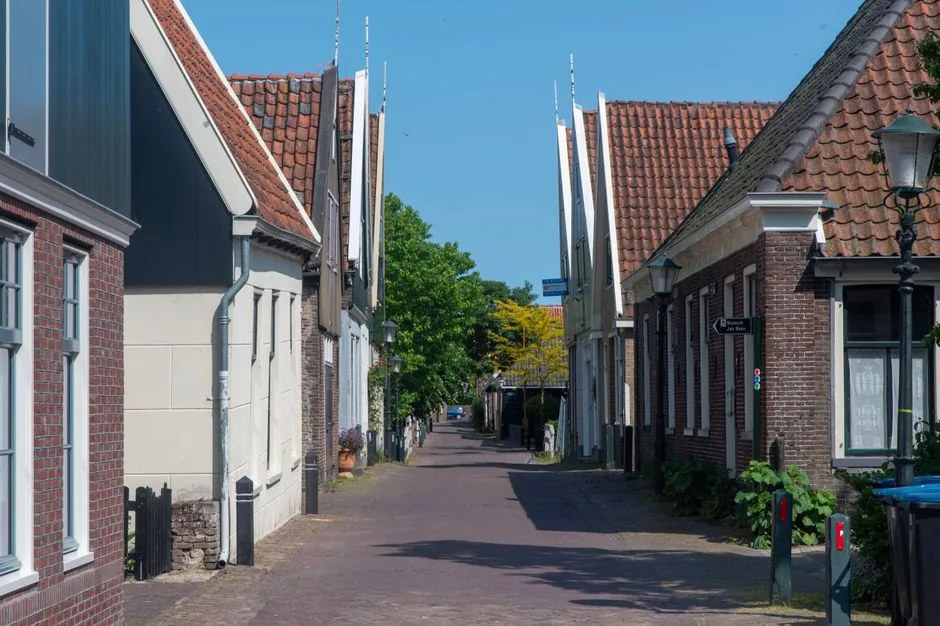
De Nieuwe Grond lies in the Wanica District, just a short drive east of Paramaribo. The most common low‑impact approach is to take a shared bush taxi from the capital’s central bus terminal. Ask the driver for a drop‑off near the main intersection of the district road; this avoids the need for a private car and reduces emissions. Once you step out, you’ll find a quiet residential area where the streets are lined with modest, single‑story houses and small gardens.
Moving Through the Neighborhood
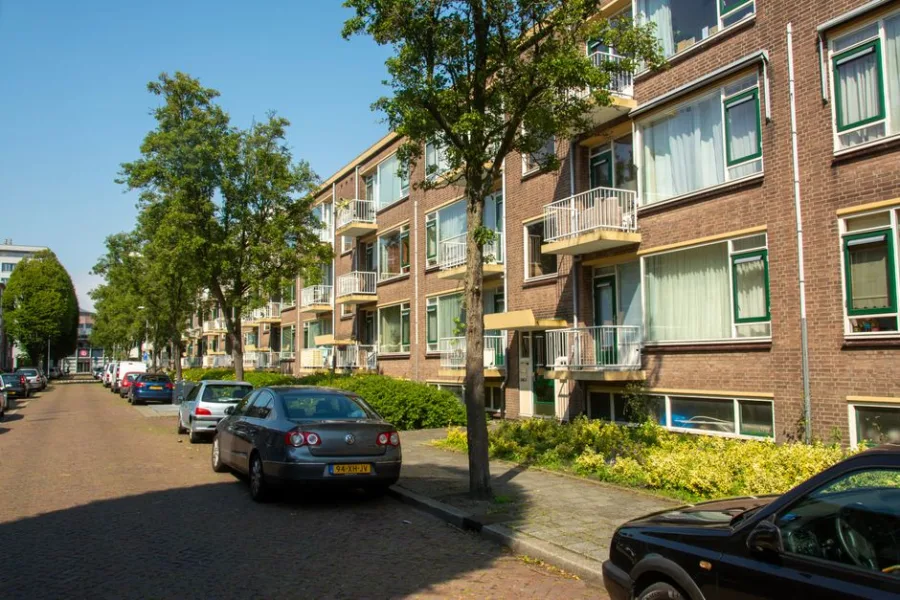
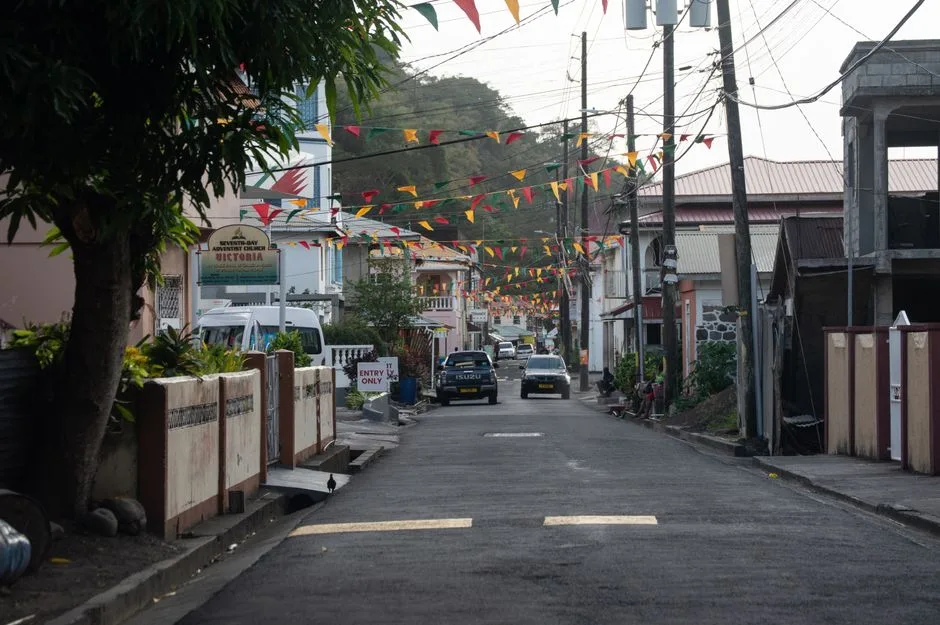
The layout of De Nieuwe Grond is informal; there are no large commercial centers, only a network of narrow lanes that weave between homes. Walk slowly and keep an eye on the uneven pavement, especially after rain when some sections become muddy. Many residents keep their front yards tidy, but you may encounter open pathways that double as livestock routes. When you see a gate, pause and respect private property – it’s customary to ask permission before crossing onto a resident’s plot.
Engaging with Residents
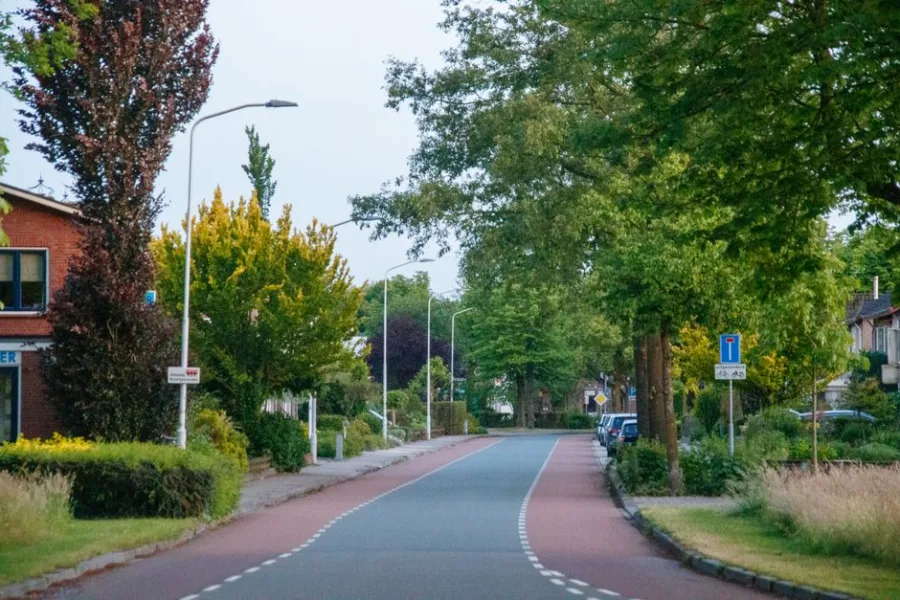
Interaction is best kept brief and courteous. A friendly greeting in Dutch or Sranan Tongo, such as “Moin” or “Fa waka?”, is usually appreciated. If a homeowner invites you to look at a garden or a small workshop, thank them and move on; prolonged stays can be intrusive. You may notice a kampong‑style communal area where children play – observe quietly and avoid disrupting their games. When purchasing a handmade item, support local vendors by paying a fair price and using cash, which is the preferred method in the area.
Practical Low‑Impact Tips
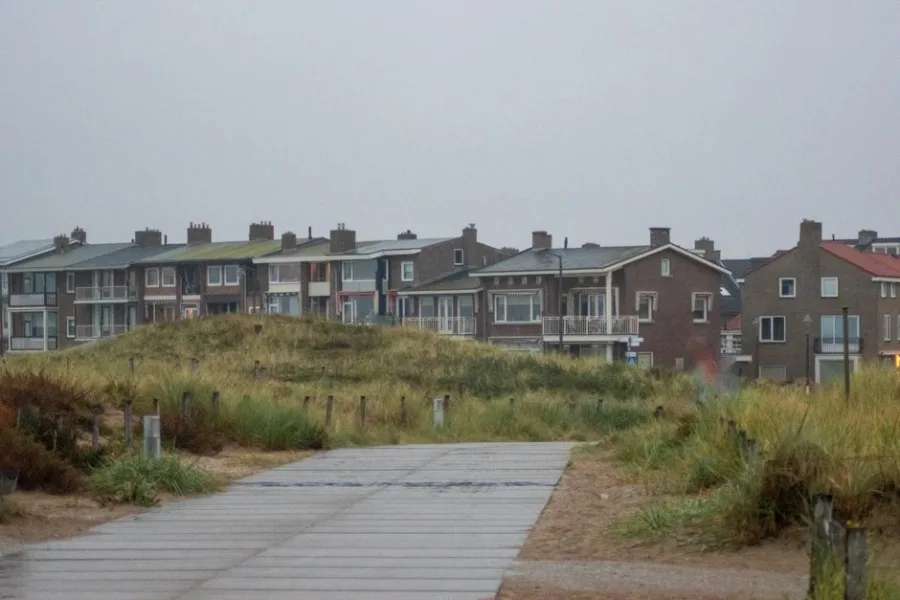
Travelers aiming for a minimal footprint should bring a use reusable water bottle to avoid single‑use plastic. Pack a small bag for any litter you might collect; many households lack formal waste bins, so taking your trash with you is a simple way to leave no trace. Stick to walking or cycling; motorbikes are common but generate noise and fumes. If you need to charge a device, use a power bank rather than tapping into a local outlet, which can be a scarce resource.
Food and Small Purchases
Food stalls are scattered along the main road, offering simple dishes like rice, beans, and fried fish. Look for stalls that serve pinda (peanuts) or fresh fruit – these are often sourced locally and have a lower environmental cost than imported snacks. When buying, keep the transaction brief and avoid haggling aggressively; a modest tip in cash is a kind gesture. Remember that many families rely on daily sales, so your purchase directly supports the community.
Safety and Etiquette
De Nieuwe Grond is generally safe during daylight, but it is wise to travel in a small group, especially after dusk. Keep valuables out of sight and be mindful of stray animals that may roam the streets. If you hear a child calling out, it is usually a neighbor checking on a visitor – respond politely and continue on your way. Avoid taking photographs of people without consent; a quick ask is considered respectful.
Closing Thoughts
A low‑impact visit to De Nieuwe Grond offers a glimpse into everyday Surinamese life beyond the tourist‑focused sites of Paramaribo. By walking slowly, respecting private property, and supporting local vendors, you contribute positively while experiencing the genuine rhythm of the district. Carry a reusable bottle, pack out your waste, and remember that the most lasting impression you can leave is one of respect and care for the community and its environment.
Travel information can change. Confirm current entry requirements, opening hours and local guidance with official sources before your trip.


Comments 0
Share a helpful thought or question. Comments appear after review.
Be the first to share a thoughtful comment.
Leave a comment
Your email will not be displayed. Please keep comments relevant and respectful.