
- Destination
- Fiji
- Collection
- Culture
- Reading time
- 3 min
- Updated
- Nov 17, 2026
Village Life in Bua
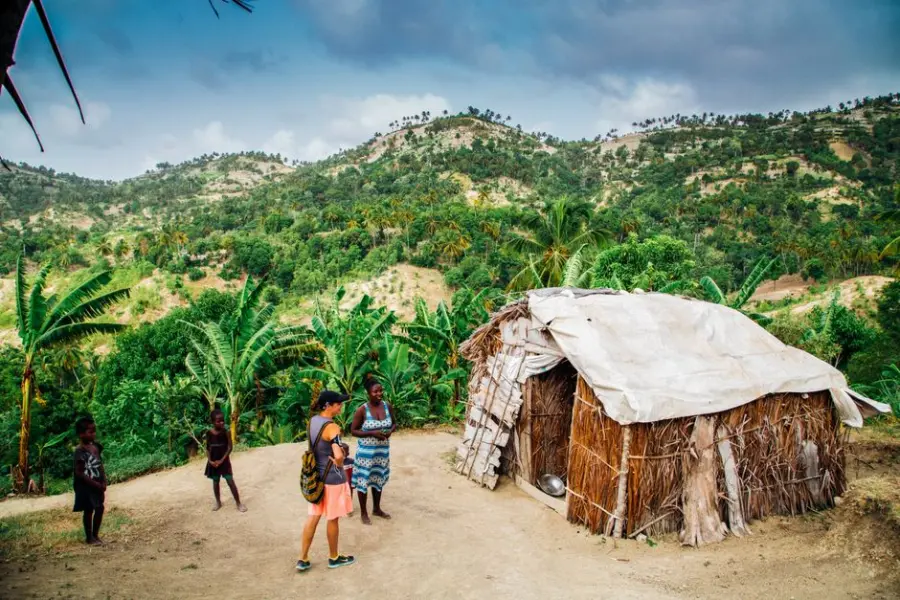
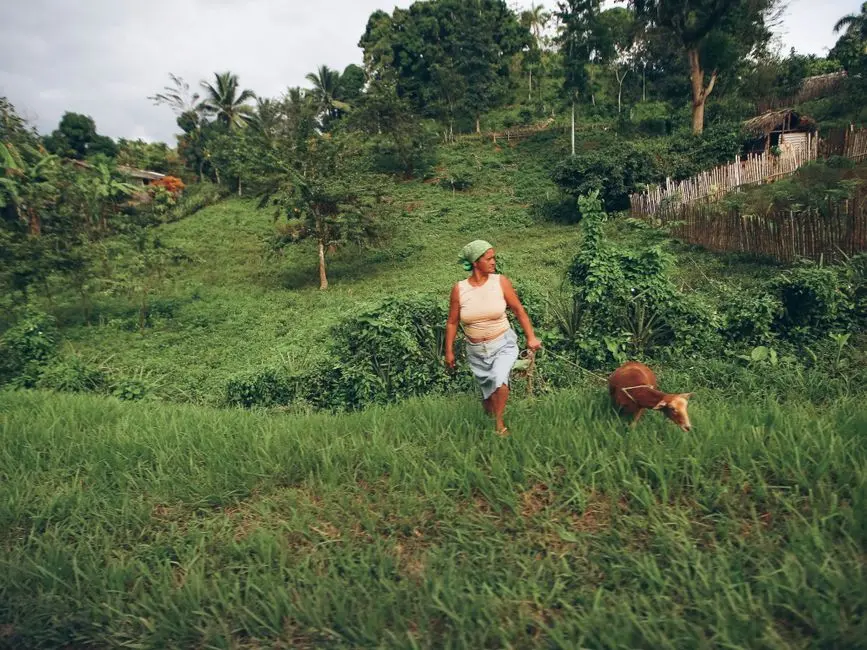
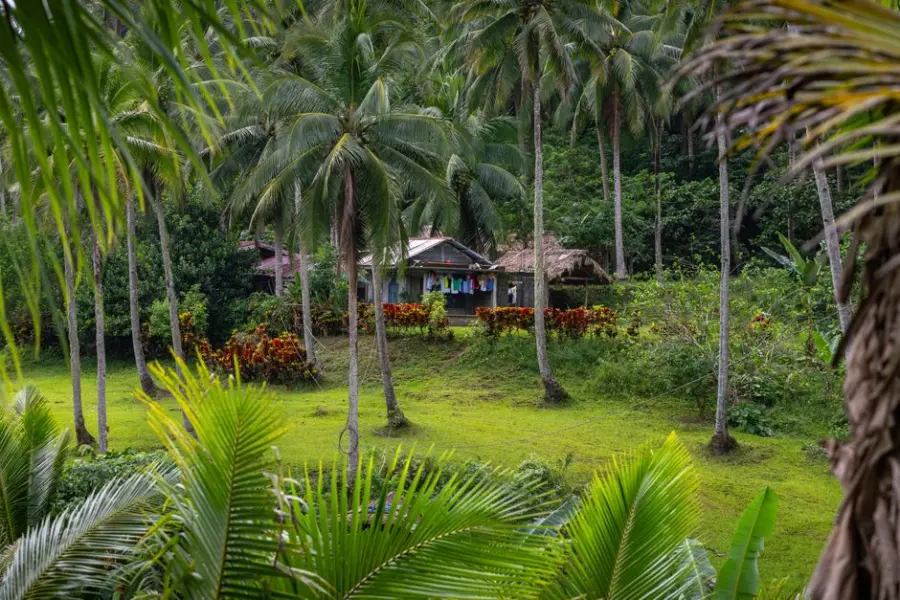
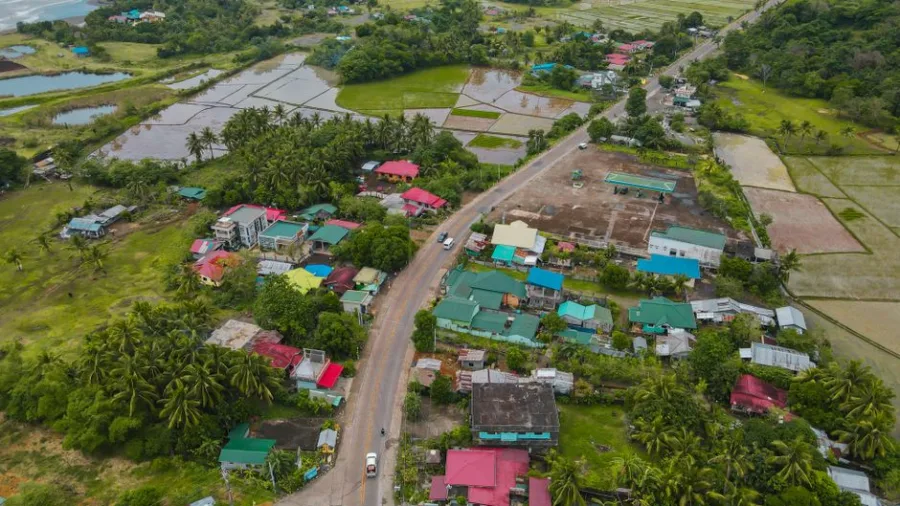
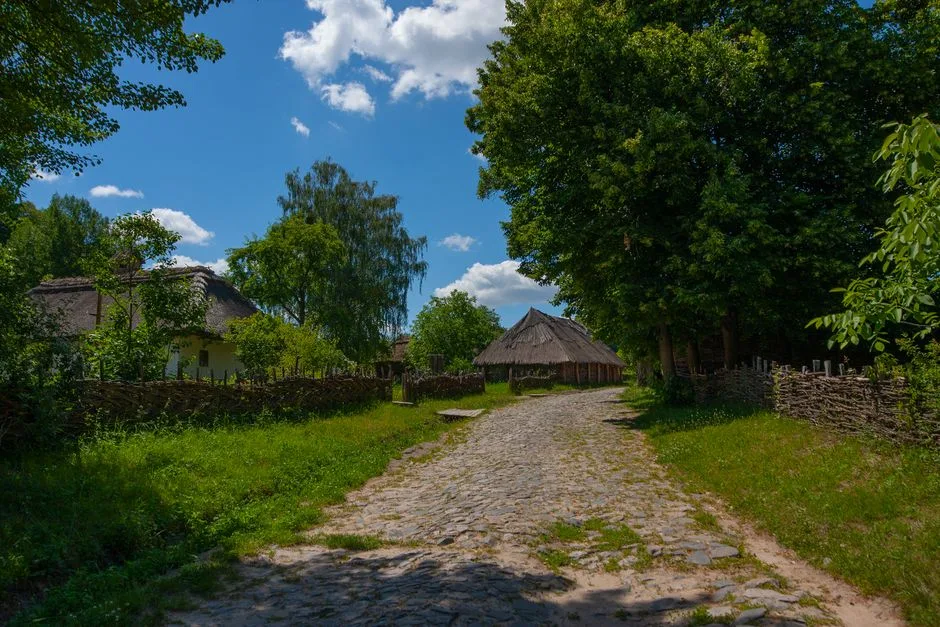
Bua Province occupies the northern tip of Viti Levu, Fiji’s largest island, and is administered from the town of Nabouwalu. The province consists of a network of small coastal and inland villages, each anchored by a vanua—the land and its people that together shape daily rhythm. While the landscape is rugged, the social fabric is remarkably cohesive; residents rely on shared spaces for everything from decision‑making to celebration.
Communal Spaces: Meeting Houses and Halls
The most recognizable gathering place is the bure or village meeting house. Built from local timber and often painted in bright colors, the bure serves as the venue for council meetings, dispute resolution, and cultural performances. Adjacent to the bure you will often find a vale ni bula—a modest community hall used for school functions, health clinics, and occasional market stalls. Churches, introduced during the missionary era, also act as focal points, especially on Sundays when the whole village converges for worship and fellowship.
Daily Gatherings: Kava, Meals, and Work
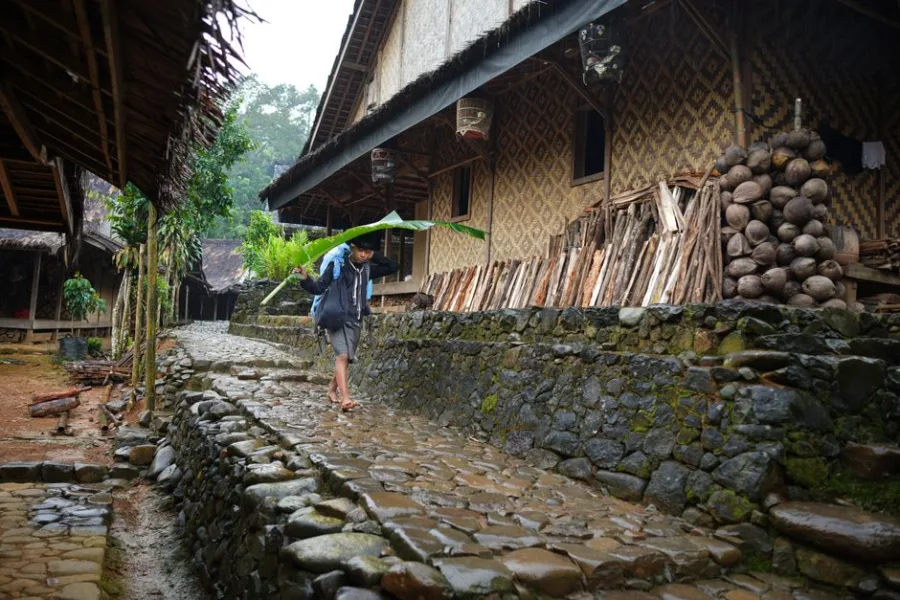
Morning life in Bua typically begins with a kava ceremony. Elders invite neighbors to sit on woven mats, share a bowl of the bitter drink, and discuss village matters. Observe kava ceremonies with quiet respect; the ritual is both social and spiritual, and participation is optional but welcomed when approached politely. Throughout the day, communal meals are prepared in open kitchens attached to the bure or school yard. When a family hosts a lovo (earth oven feast), the invitation extends to the entire village, reinforcing the principle that food is a shared resource.
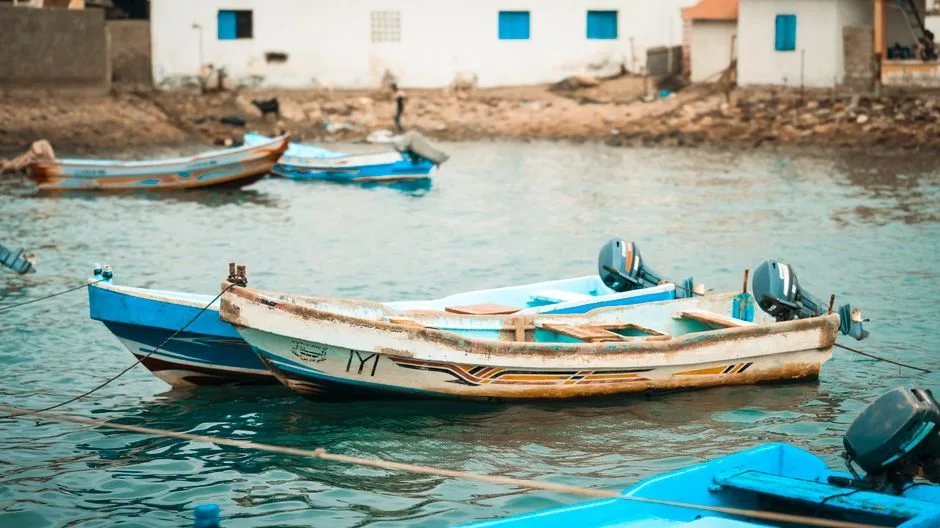
Work is equally communal. Fishermen launch boats from the same beach, often coordinating catches and sharing gear. In the fields, families collaborate on taro and cassava planting, rotating tasks to ensure no one is left behind. Join communal meals when invited, and you will experience the genuine hospitality that defines Bua’s culture.
Visiting Respectfully
For travelers, the best way to experience these everyday gatherings is to ask permission from the village chief or a local liaison before entering any communal area. Dress modestly, remove shoes when entering a bure, and keep conversations low‑key during formal meetings. Small gestures—such as offering a fruit or a simple thank‑you in Fijian (vinaka)—are appreciated. Respect local customs and you may be welcomed to sit on the periphery of a kava circle or share a plate of fresh fish on the beach.
If you wish to see a public event, check the village calendar posted on the community hall’s notice board. Market days, school sports, and church festivals are open to visitors, provided you follow the guidance of local hosts. Use shared spaces responsibly, leaving them as you found them, and you will contribute to the ongoing stewardship that sustains Bua’s communal life.
By observing the rhythm of daily gatherings—whether in the bure, on the school field, or along the shoreline—you gain insight into a culture where cooperation is not an occasional activity but a way of life. Bua’s villages invite you to witness a living tradition that balances tradition with the practical needs of modern Fiji.
Travel information can change. Confirm current entry requirements, opening hours and local guidance with official sources before your trip.

Comments 0
Share a helpful thought or question. Comments appear after review.
Be the first to share a thoughtful comment.
Leave a comment
Your email will not be displayed. Please keep comments relevant and respectful.