
- Destination
- El Salto, Mexico
- Collection
- Food
- Reading time
- 4 min
- Updated
- Nov 15, 2026
Climate and Agriculture
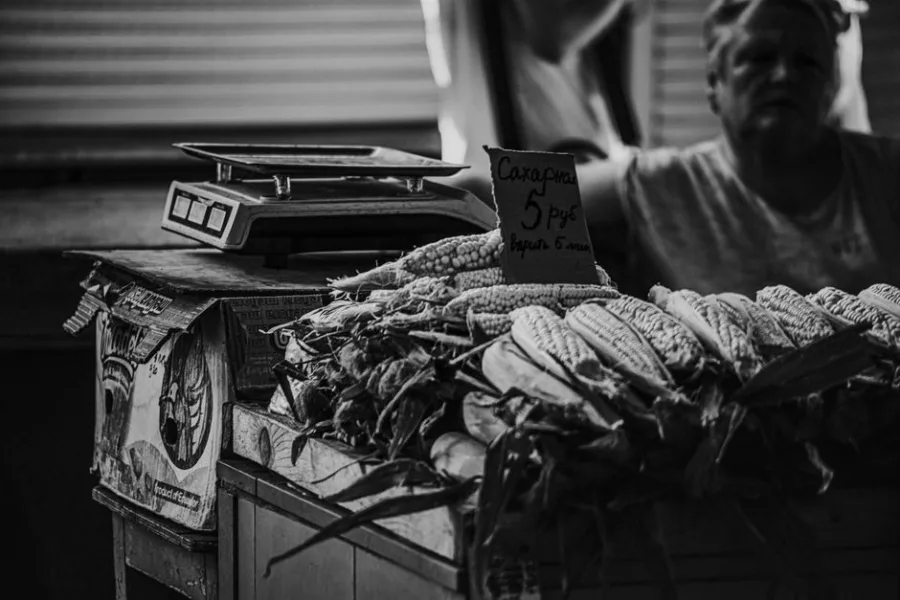
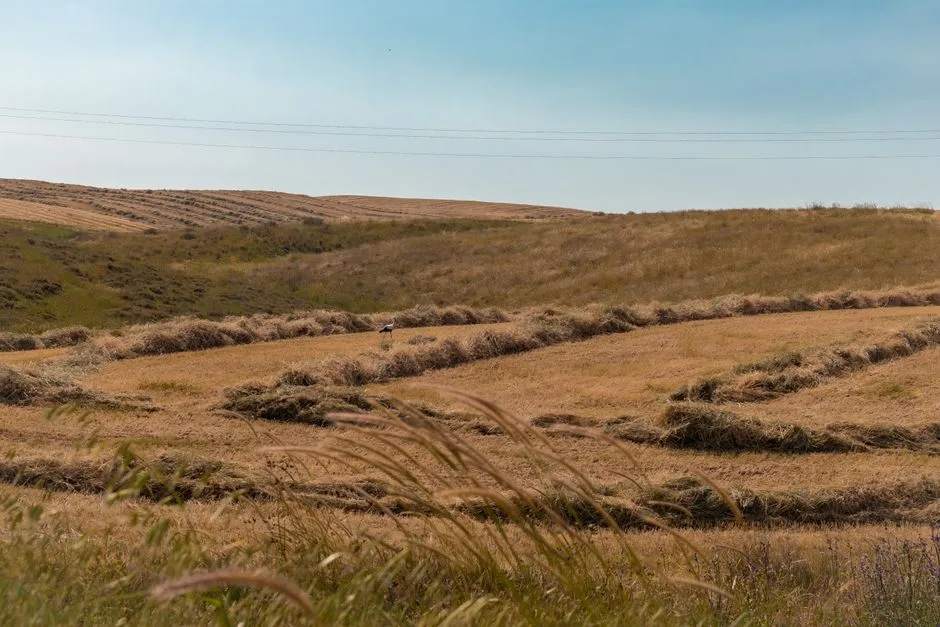
Pueblo Nuevo sits in the western part of the state of Durango, where the landscape is defined by rolling hills, scrub‑covered valleys and a semi‑arid climate. Annual rainfall averages 400‑500 mm, with most of it falling between June and September. This short, intense rainy season is the agricultural heartbeat of the district; farmers time their sowing to coincide with the first summer storms, and the limited moisture dictates which corn varieties can thrive. Traditional open‑field corn, often a hardy white or yellow strain, is chosen for its drought tolerance and relatively quick maturation, allowing harvest before the dry months set in.
When the rains retreat, the land quickly dries, and irrigation options are modest. Many smallholders rely on rain‑fed plots, supplementing with shallow wells or communal water tanks that capture runoff. The climate therefore imposes a tight production window: planting in early summer, harvesting by late autumn, and processing the grain before storage conditions become too harsh.
From Field to Nixtamal
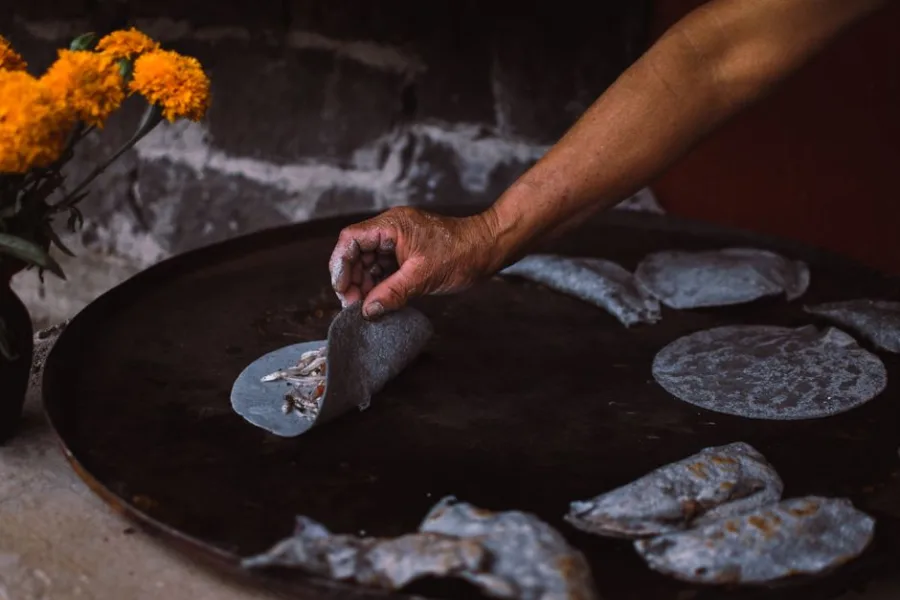
The moment the corn ears are cut, the community moves into the next critical phase – nixtamalization. The dried kernels are boiled with calcium‑rich limestone (cal) in large metal pots, a process that loosens the hull, softens the grain and unlocks essential nutrients such as niacin. The resulting softened kernels, called nixtamal, are then washed, ground, and formed into masa, the dough that underpins virtually every corn‑based dish in the region.
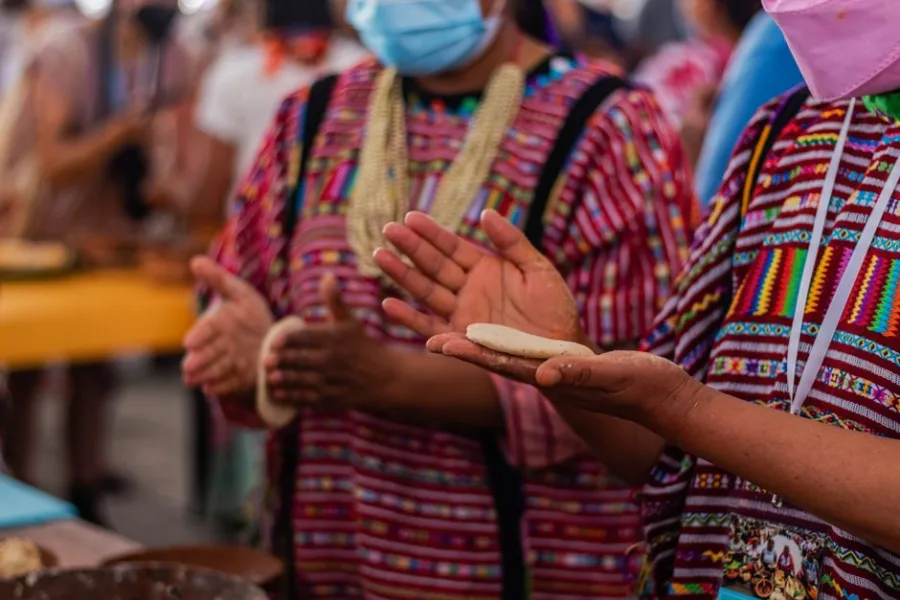
Because the rainy season ends before the winter chill arrives, families often begin the nixtamalization process soon after harvest. This timing ensures that fresh masa is available for daily meals during the cooler months when fresh corn is scarce. In many households, the grinding is still done by hand using a stone metate, though some larger villages have communal stone mills that speed up production while preserving the traditional texture.
Daily Dishes Through the Year
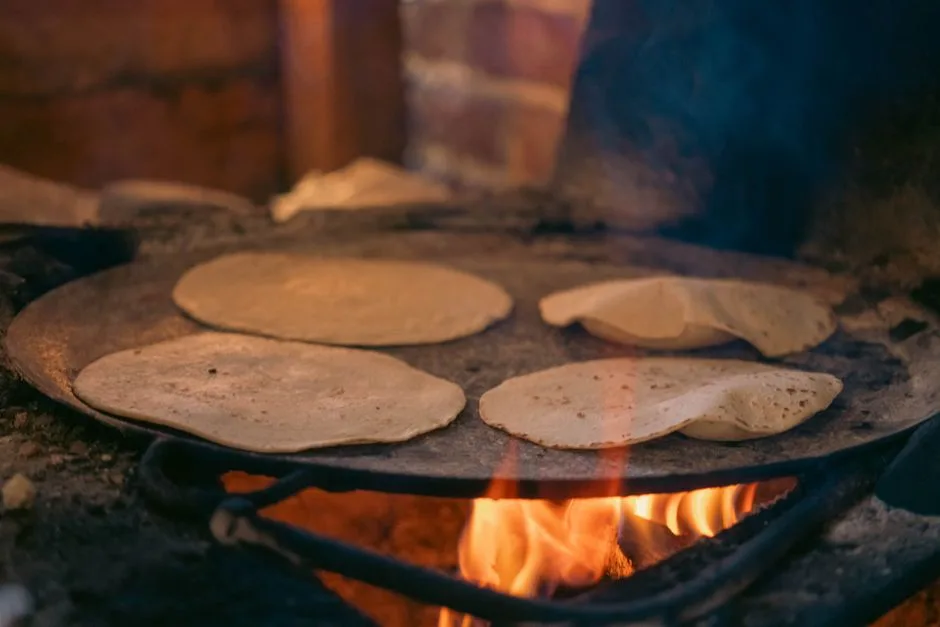
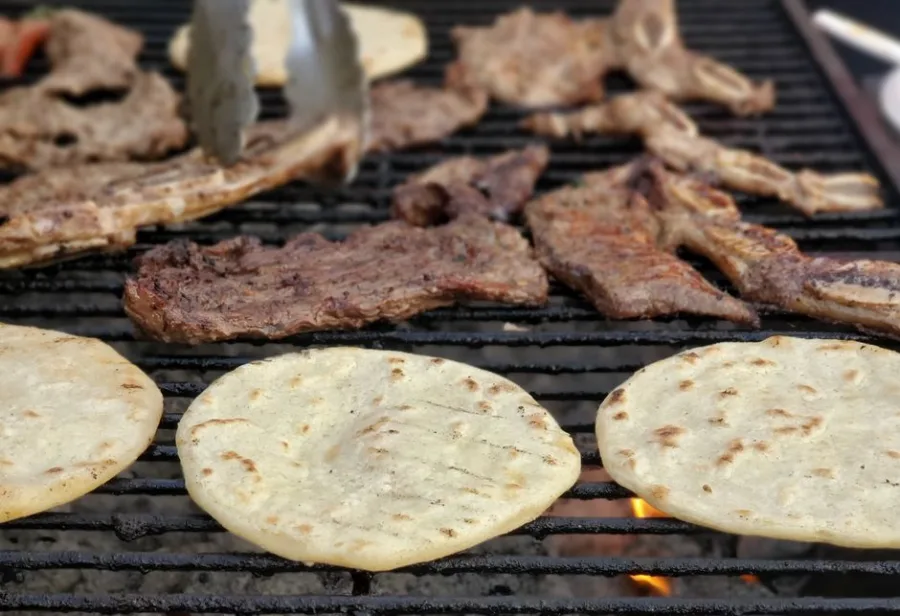
During the post‑harvest months, fresh masa fuels a steady diet of tortillas, sopes, and tamales. Tortillas are the most ubiquitous, served at every meal and used to scoop beans, stews, or fresh salsa. In the dry season, when fresh corn is no longer on the fields, families rely on stored masa that has been kept in cool, ventilated rooms or wrapped in banana leaves to retain moisture.
Tamales are a seasonal highlight, especially for festivals and communal gatherings. The masa is mixed with lard, seasoned with local herbs, and wrapped in corn husks before steaming. Because the preparation is labor‑intensive, it often becomes a communal activity, reinforcing social bonds while ensuring that the stored masa is used before it dries out.
Another staple is atole, a warm, slightly sweet drink made by diluting masa in water or milk and flavoring it with cinnamon or piloncillo. Atole is especially popular in the cooler evenings of winter, providing both comfort and a source of calories when fresh produce is limited.
Keeping the Cycle Sustainable
The semi‑arid environment forces Pueblo Nuevo’s residents to be strategic about food security. Stored masa sustains winter meals, reducing reliance on external grain imports. Many families practice a “masa rotation” – using a portion of fresh masa each week while preserving the rest in airtight containers, a method that extends shelf life without refrigeration.
Local corn varieties have also adapted over generations. Some strains exhibit deeper root systems, allowing them to tap residual moisture deeper in the soil. These adapted corn varieties are prized for their resilience and are often saved seed‑to‑seed, maintaining biodiversity and ensuring that future crops can withstand the same climatic constraints.
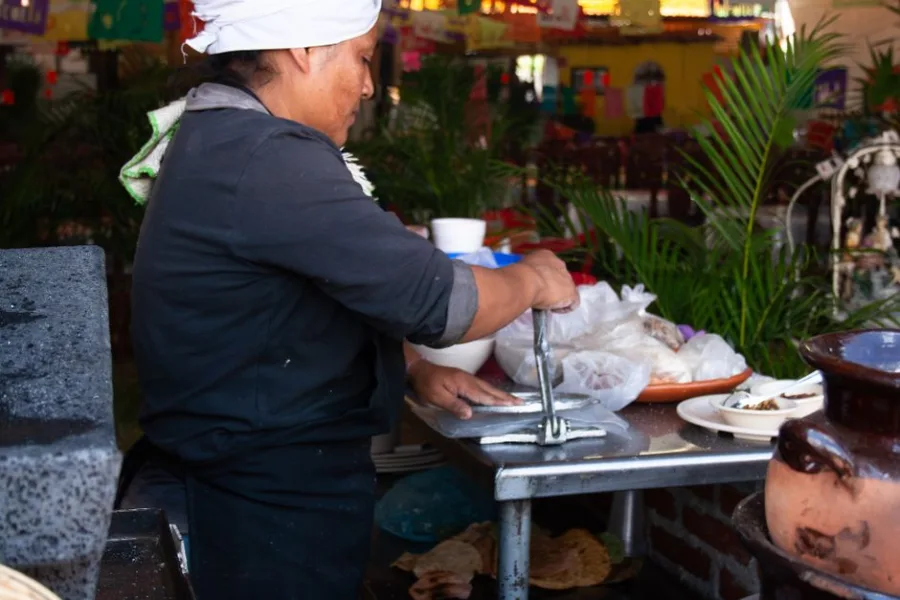
Community kitchens, known locally as cocinas comunitarias, play a vital role in maintaining the masa cycle. They provide space for collective nixtamalization, grinding, and cooking, especially for households that lack the equipment or firewood to process large batches. This shared approach not only eases the labor burden but also preserves culinary knowledge, passing techniques from elder cooks to younger generations.
In recent years, modest agricultural extension programs have introduced drip‑irrigation pilots and soil‑testing workshops, aiming to stretch the rainy season’s benefits further. While technology is welcomed, the core of Pueblo Nuevo’s food culture remains rooted in the rhythm set by the climate, where each season’s constraints shape the flavors on the table.
The result is a cuisine that is both resilient and deeply connected to the land. From the first green shoots after the June storms to the steaming pots of masa‑based dishes that warm winter evenings, Pueblo Nuevo’s semi‑arid landscape continues to dictate the cadence of corn production and the everyday meals that sustain its people.
Travel information can change. Confirm current entry requirements, opening hours and local guidance with official sources before your trip.

Comments 0
Share a helpful thought or question. Comments appear after review.
Be the first to share a thoughtful comment.
Leave a comment
Your email will not be displayed. Please keep comments relevant and respectful.