

- Destination
- Płock, Poland
- Collection
- Culture
- Reading time
- 4 min
- Updated
- Nov 12, 2026
Płock, a historic city‑county in the Masovian Voivodeship, sits on the banks of the Wisła River. Its compact old town, baroque cathedral and industrial heritage attract both locals and visitors. Over the past decade a modest but noticeable cluster of cafés has opened along the river promenade, turning the waterfront into a daily meeting point. These establishments are more than places to buy a latte; they subtly reshape how residents experience coffee, work, and social life in the region.
A Riverfront Setting
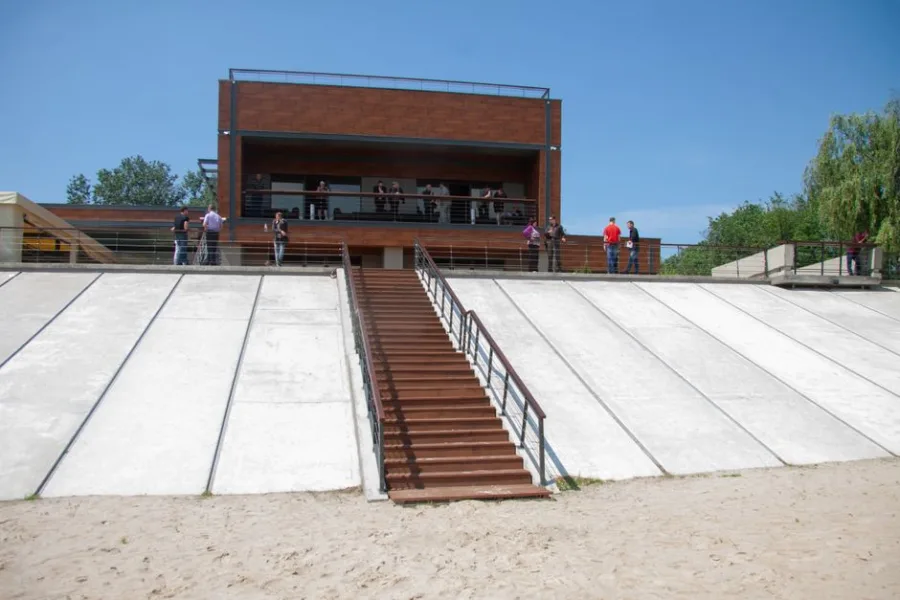
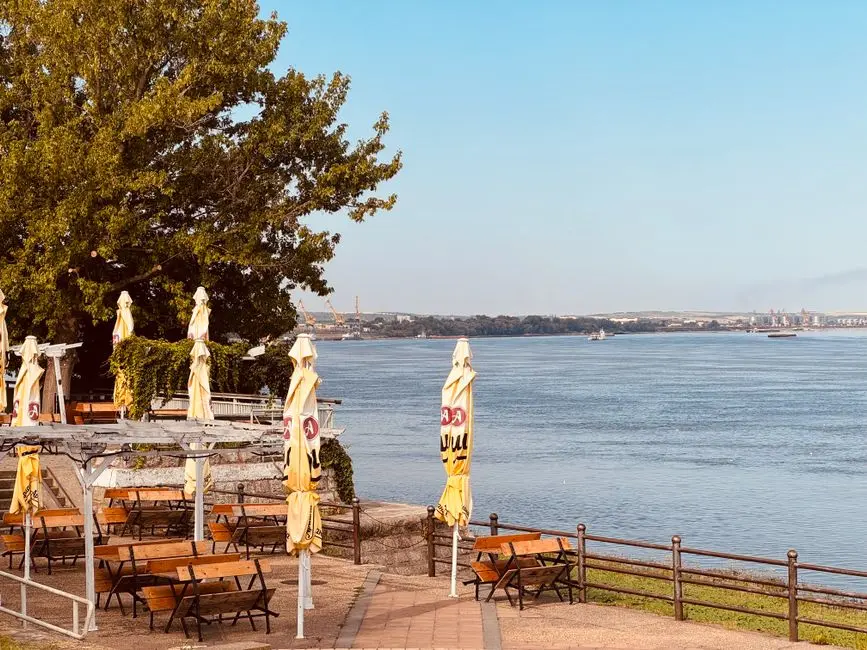
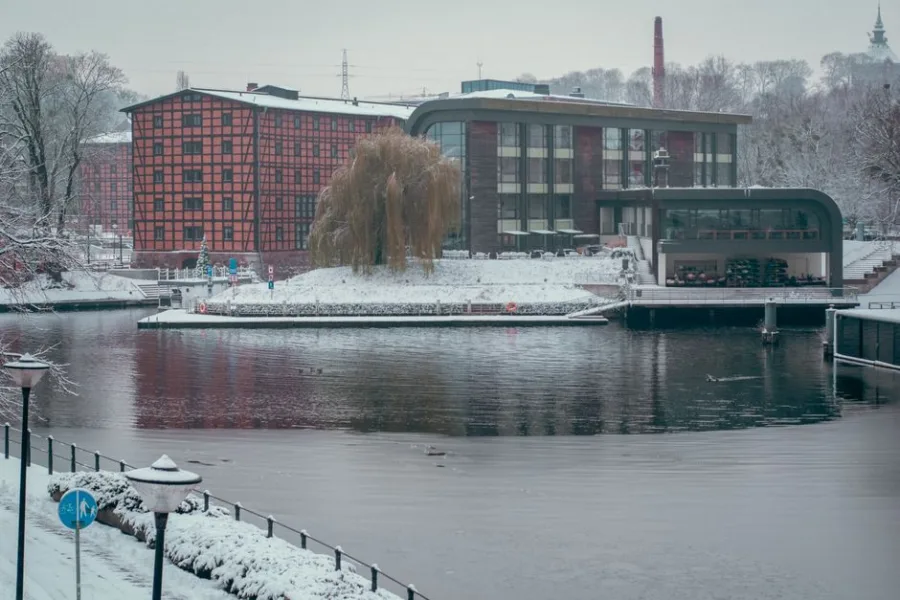
The promenade that follows the Wisła offers a flat, walkable stretch between the historic market square and the modern port area. Here, the view is unobstructed: the river glides past historic brick warehouses, modern office blocks and the occasional sailboat. Kawiarnie that line this stretch are typically small, with outdoor tables that spill onto the paved walkways. The proximity to the water means that even on a chilly morning the river’s mist adds a fresh scent that many locals describe as invigorating. The setting encourages a relaxed pace, allowing patrons to linger over a cup while watching barges pass or cyclists glide by.
Local Coffee Traditions Meet Modern Tastes
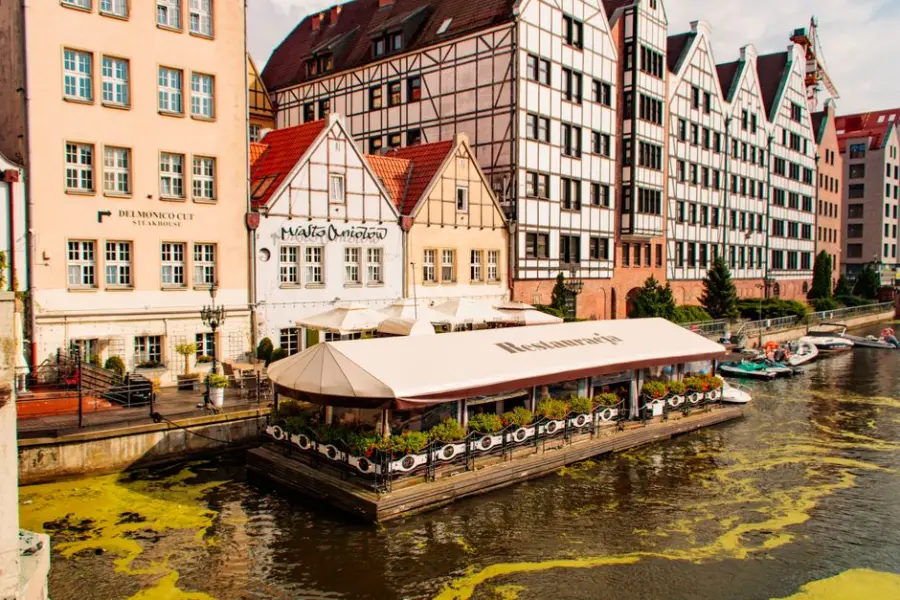
Polish coffee culture has long been associated with strong, often drip‑brewed coffee served in simple mugs. In recent years, however, a new generation of local roasters has introduced lighter roasts, single‑origin beans and alternative brewing methods such as pour‑over and Aeropress. Riverside cafés in Płock have been quick to adopt these trends, offering a menu that bridges the familiar and the experimental. A regular might order a classic espresso, while a newcomer may be tempted by a cold‑brew infused with regional herbs. The cafés often display information about the bean’s origin, emphasizing transparency and encouraging a more informed daily coffee ritual.
Seasonal Rhythm and Outdoor Seating
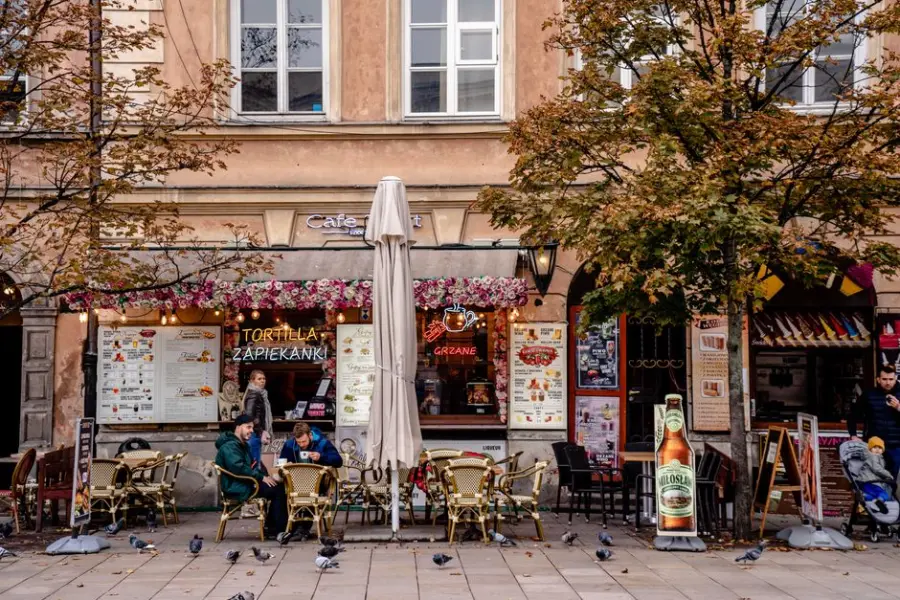
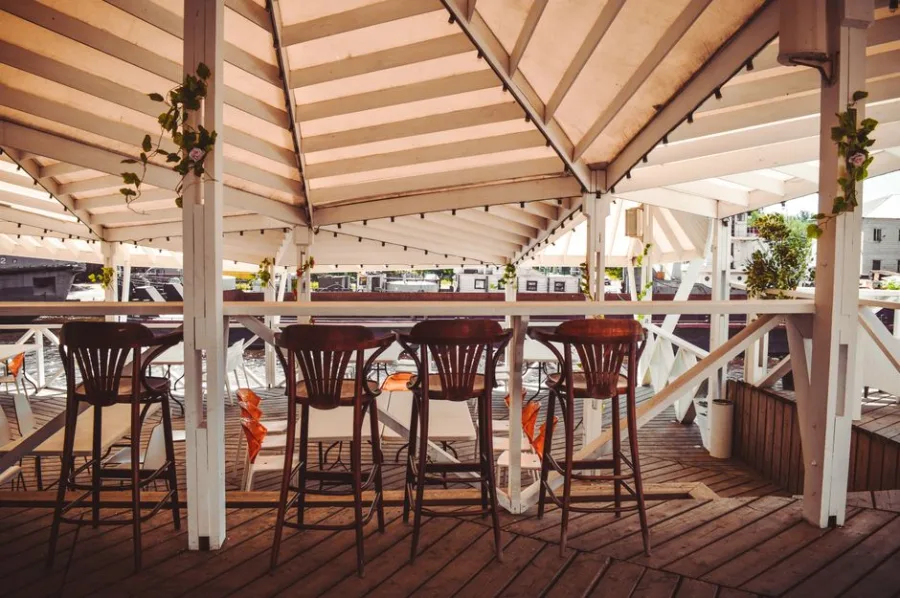
The river’s micro‑climate dictates a clear seasonal rhythm. In spring, cafés set up lightweight chairs and umbrellas, inviting patrons to enjoy the blooming riverside trees. Summer sees the most vibrant scene: tables fill with students typing on laptops, retirees reading newspapers, and families sharing pastries. Many cafés rotate their seasonal menu to reflect local produce—think strawberry shortcake in June or apple‑spiced lattes in October. Autumn brings a cooler breeze, prompting owners to add heated blankets and indoor lighting that mimics the soft glow of sunset over the water. Winter, while quieter, still attracts a loyal crowd who appreciate the contrast of a hot drink against the crisp river air.
Community and Cultural Exchange
Beyond coffee, these establishments act as informal cultural hubs. Local artists display small prints, musicians occasionally perform acoustic sets, and community groups host brief talks on topics ranging from river ecology to regional history. This community gathering function reinforces a sense of belonging among residents of Płock and the broader Mazovia region. For tourists, the cafés provide a low‑key entry point to observe everyday life without the formality of a museum tour. The staff, often native Płockians, are eager to share anecdotes about the city’s past, the river’s role in trade, and the subtle ways coffee culture has evolved alongside the town’s economic shifts.
The impact of these cafés extends beyond the immediate riverfront. Their success has encouraged similar concepts in other parts of the city, such as the market square and the university district, creating a network of coffee‑centric spaces that collectively elevate Płock’s urban vibe. While the city remains modest in size compared with Warsaw, its riverside cafés demonstrate how thoughtful placement and a respect for local traditions can shape a vibrant, inclusive coffee culture that feels both contemporary and deeply rooted in the region’s identity.
In sum, the cafés lining the Wisła do more than serve caffeine; they weave together history, geography, and modern lifestyle into a shared daily experience. Whether you are a resident seeking a quiet moment, a student needing a change of scenery, or a traveler looking to understand Mazovia’s rhythm, a stop at one of Płock’s riverfront cafés offers a genuine taste of the city’s evolving cultural fabric.
Travel information can change. Confirm current entry requirements, opening hours and local guidance with official sources before your trip.

Comments 0
Share a helpful thought or question. Comments appear after review.
Be the first to share a thoughtful comment.
Leave a comment
Your email will not be displayed. Please keep comments relevant and respectful.