
- Destination
- Thailand
- Collection
- Travel Tips
- Reading time
- 3 min
- Updated
- Nov 15, 2026
Understanding Khao Kho’s Climate
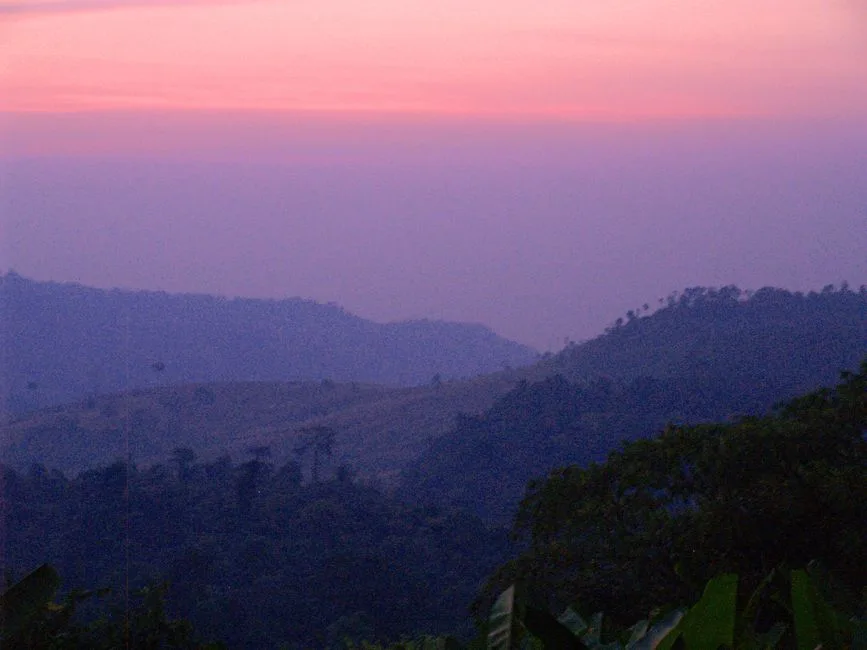
Amphoe Khao Kho sits at an elevation of roughly 800‑1,200 meters in Phetchabun Province, giving it a noticeably cooler climate than the low‑lying plains of central Thailand. The area experiences three main weather patterns:
- Cool season (November‑February) – daytime highs hover around 20‑25 °C, while early mornings and evenings can dip to 10‑15 °C. Clear skies are common, but occasional mist adds a chill.
- Warm season (March‑May) – temperatures rise to 28‑32 °C during the day, yet the altitude still moderates the heat, making evenings comfortable.
- Rainy season (June‑October) – afternoon showers are frequent, and humidity climbs. Temperatures stay in the mid‑20s, but wet conditions can make trails slippery.
Understanding these patterns helps you avoid the classic mistake of packing only tropical wear for a high‑land destination.
Layering Basics for Each Season
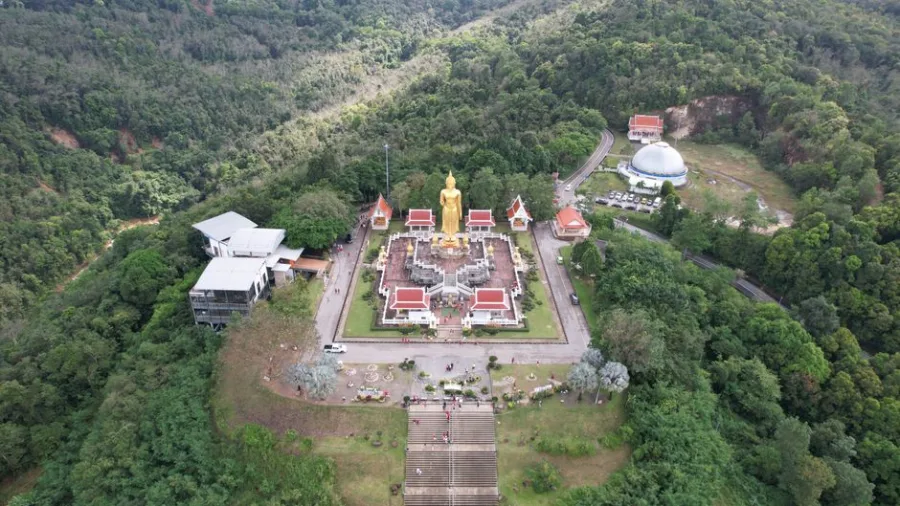
The most reliable strategy is layered clothing. Start with a moisture‑wicking base, add an insulating middle, and finish with a protective outer shell. In the cool season, a thermal base layer paired with a fleece or light down jacket keeps you warm for sunrise hikes to viewpoints. During the warm months, a single breathable shirt and a light windbreaker are sufficient; you can shed layers as the sun climbs. In the rainy season, the outer layer becomes essential – a waterproof jacket with breathable vents prevents you from overheating while keeping you dry.
Don’t forget headwear: a knit cap or beanie works well in the mornings, while a wide‑brimmed hat offers sun protection in the hotter months. Gloves are rarely needed, but a thin pair can be useful for early‑day treks in November.
Essential Gear for Outdoor Activities
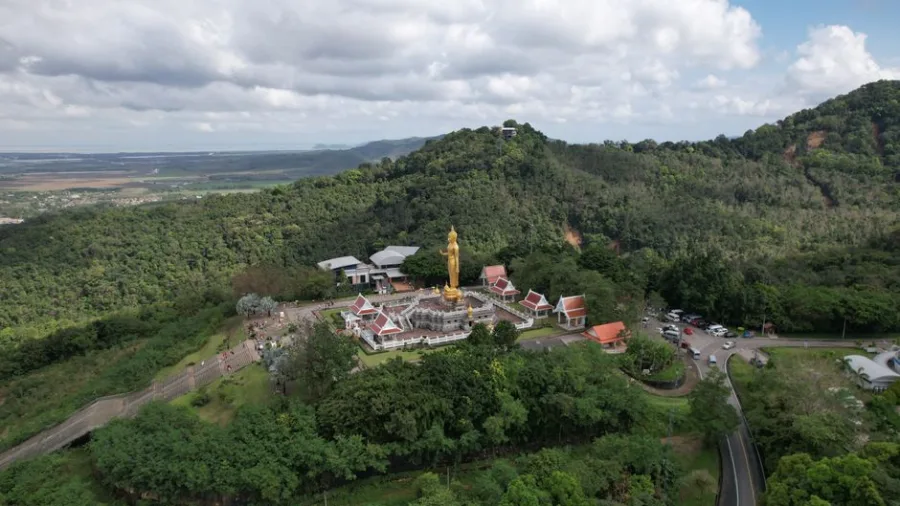
Khao Kho’s terrain is a mix of forested hills, limestone outcrops, and cultivated valleys. If you plan to trek, sturdy hiking boots with good ankle support are a must; the paths can be uneven and occasionally muddy. A lightweight backpack (20‑30 L) lets you carry water, snacks, and a rain cover without weighing you down.
A reusable water bottle or hydration bladder is advisable, as reliable tap water may not be available on remote trails. Pack a small first‑aid kit, a headlamp (evening hikes are popular for stargazing), and a compact sun protection kit – sunscreen, lip balm with SPF, and sunglasses.
For the rainy months, consider quick‑dry clothing and a waterproof cover for your backpack. Trekking poles are optional but helpful on steep sections, especially when the ground is slick.
Packing Checklist and Practical Tips Below is a concise checklist that covers the essentials without overpacking:
- Base layers: moisture‑wicking shirts and leggings
- Insulating layer: fleece or lightweight down jacket
- Outer shell: breathable waterproof jacket and rain pants
- Footwear: sturdy hiking boots + breathable sandals for evenings
- Headgear: beanie, wide‑brimmed hat, and sunglasses
- Sun protection: SPF 30+ sunscreen, lip balm, sunglasses
- Backpack: 20‑30 L with rain cover
- Hydration: 1‑2 L water bottle or bladder
- Extras: headlamp, small first‑aid kit, trekking poles, quick‑dry towel
When traveling to Khao Kho, remember that local shops in the district town may carry basic gear, but selection is limited. It’s wiser to bring most items from larger cities such as Phitsanulok or Bangkok. Also, be prepared for temperature swings: a sunny afternoon can feel warm, yet a sudden cloudburst can make it feel much cooler.
Finally, respect the environment. Use reusable containers, stay on marked trails, and pack out any litter. By dressing appropriately and carrying the right gear, you’ll enjoy Khao Kho’s crisp mountain air, panoramic vistas, and tranquil villages without discomfort.
Travel information can change. Confirm current entry requirements, opening hours and local guidance with official sources before your trip.
Comments 0
Share a helpful thought or question. Comments appear after review.
Be the first to share a thoughtful comment.
Leave a comment
Your email will not be displayed. Please keep comments relevant and respectful.