
- Destination
- Colombia
- Collection
- Destinations
- Reading time
- 4 min
- Updated
- Nov 3, 2026
A Glimpse of the Town’s Colonial Core
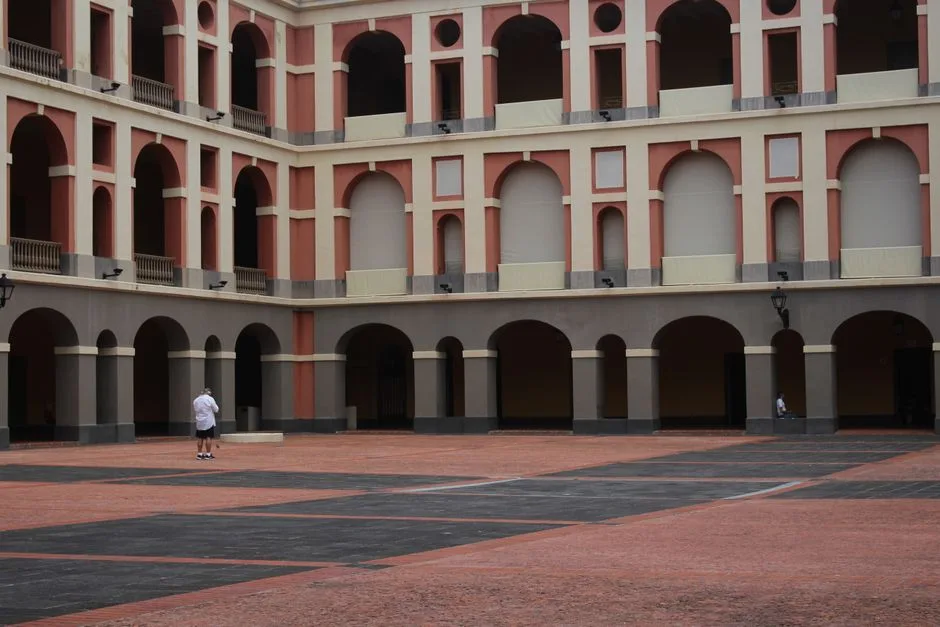
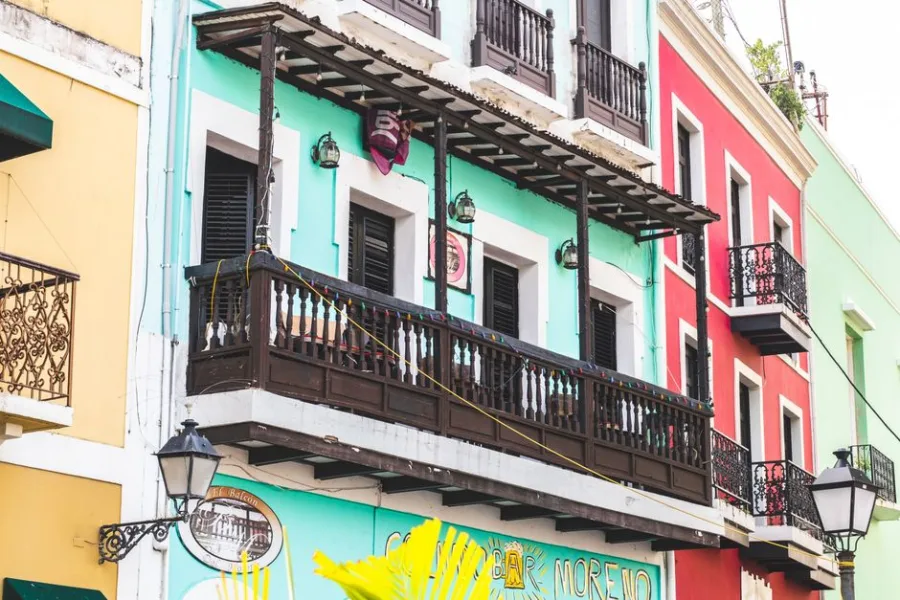
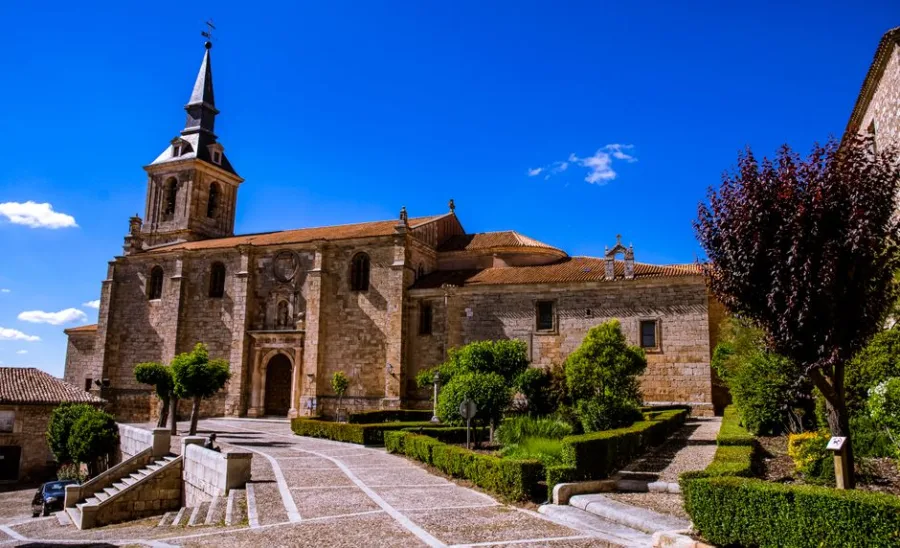
San Juan de Betulia sits in the heart of Sucre Department, a region better known for its coastal plains than for high‑altitude tourism. Yet the town’s centre retains a clear imprint of Spanish urban planning from the 18th century. The main square, Plaza de Bolívar, is framed by a modest municipal building and a parish church whose whitewashed façade, simple bell tower, and modest baroque details echo the modest wealth of the era. The streets radiating from the plaza follow a grid pattern, each block lined with low, pastel‑coloured houses that often feature wooden shutters and tiled roofs. Walking these streets, a visitor can hear the faint echo of colonial rhythms in the rhythm of daily life: market stalls opening at dawn, children playing near the church steps, and the occasional sound of a distant tractor.
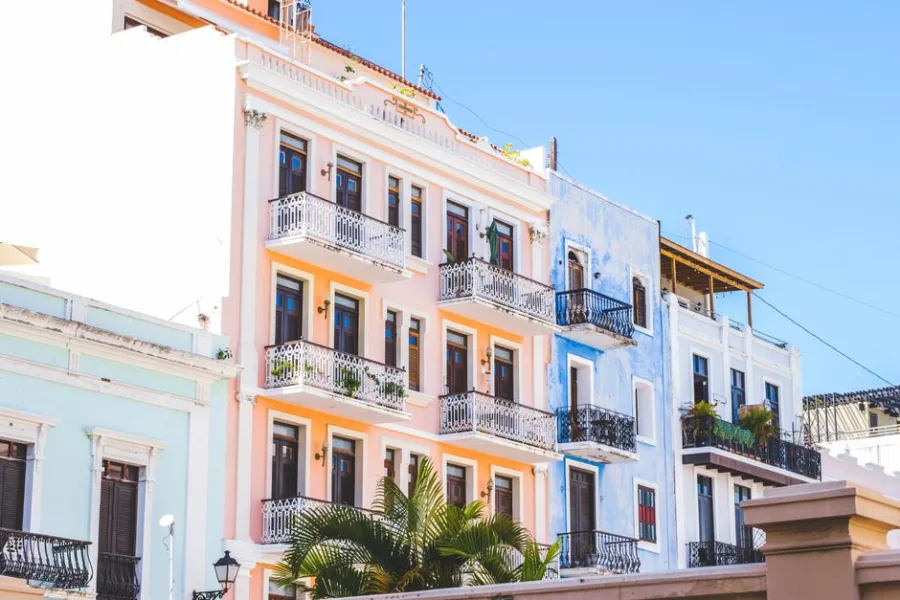
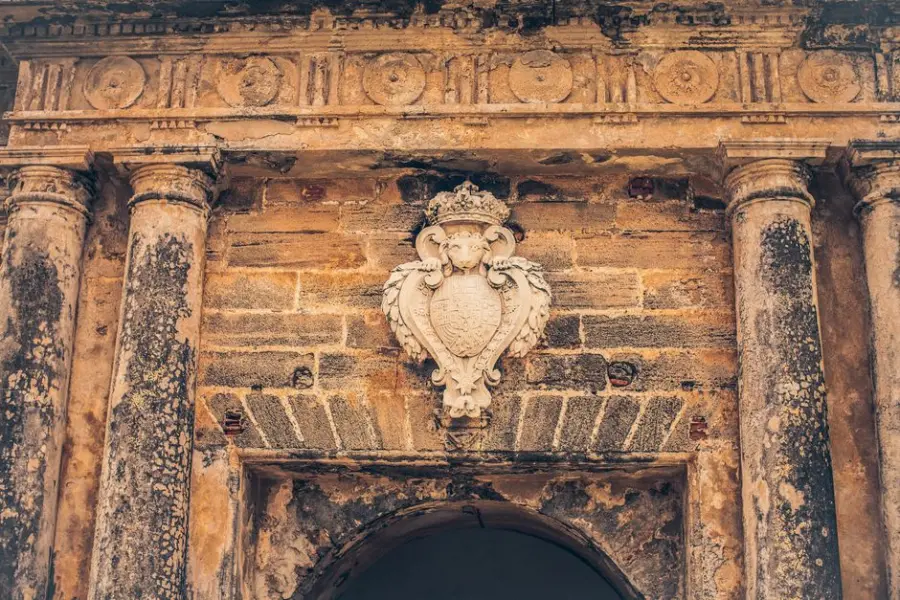
The church, officially named the Church of San Juan Bautista, is the most prominent historic structure. Its interior holds a single nave, a modest altar, and a few religious artworks that have survived the humid tropical climate. While the building is not listed as a national monument, it is recognized by the local heritage office and receives periodic maintenance funded by the municipality. The preservation effort is modest but evident in the clean white walls and the repaired wooden doors.
The Savanna Beyond the Plaza
Beyond the orderly streets, the town opens onto a broad savanna that stretches toward the foothills of the Sierra de San Jerónimo. This landscape is part of the larger Caribbean lowland savanna that characterises much of northern Colombia. The terrain is gently rolling, dotted with scattered palms, occasional clusters of mango trees, and expanses of grass that turn golden during the dry season. Cattle ranching is the dominant economic activity, and the sight of herds grazing near the town’s outskirts is common.
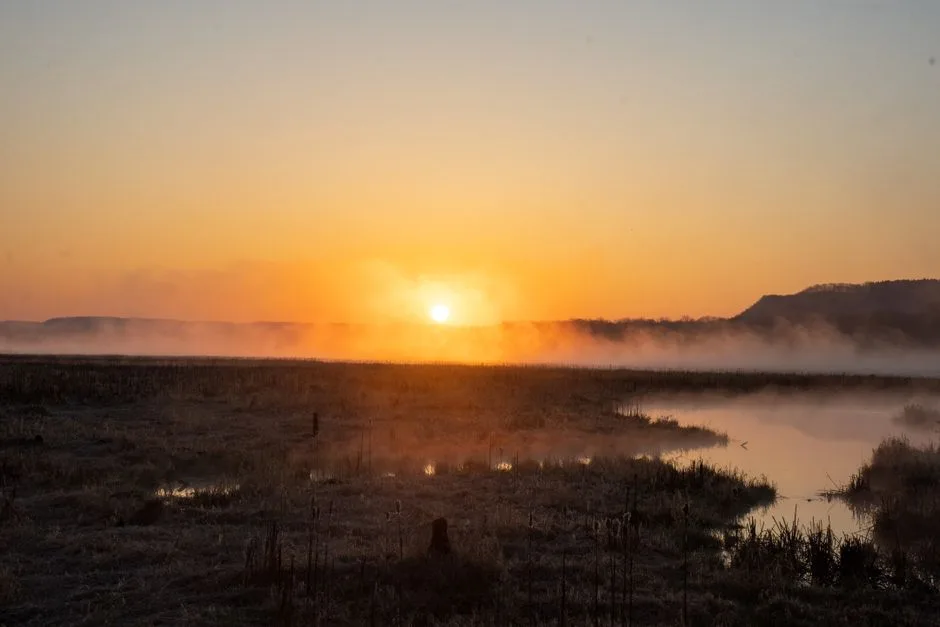
The savanna’s openness creates a visual dialogue with the town’s architecture. From the plaza, the church’s bell tower can be seen against a horizon of low clouds, while the low‑rise houses appear as a thin line before the vastness of the grasslands. In the early morning, mist can rise from the low‑lying wetlands that fringe the savanna, softening the contrast between built and natural environments. This interplay of scale and texture gives San Juan de Betulia a quiet, almost lyrical character that is rare in more tourist‑focused Colombian destinations.
Practical Travel Considerations
Reaching San Juan de Betulia requires a bit of planning. The nearest major airport is in Sincelejo, the capital of Sucre, which receives regular domestic flights from Bogotá and Medellín. From Sincelejo, a bus or shared taxi can cover the roughly 45‑kilometre journey to San Juan de Betulia in about an hour. The road is paved but can be uneven after heavy rains, so travelers should allow extra time during the rainy season (April to November).
Accommodation options within the town are limited to small family‑run guesthouses and modest hotels. These establishments typically offer basic rooms, hot water, and a simple breakfast of coffee, arepas, and fresh fruit. For visitors seeking more amenities, the city of Sincelejo provides a broader range of hotels and restaurants.
The climate is tropical, with average temperatures ranging from 27 °C to 32 °C year‑round. The dry season (December to March) offers the most comfortable conditions for walking the historic centre and exploring the surrounding savanna. During the wet months, afternoon showers are common, and some unpaved paths in the savanna may become muddy.
Safety in San Juan de Betulia is comparable to other small Colombian towns. The municipal police maintain a visible presence in the central square, and crime rates are low. Travelers are advised to keep valuables out of sight, avoid isolated areas after dark, and respect local customs, such as greeting residents with a friendly "buenos días" before asking for directions.
Why the Dialogue Matters
The subtle conversation between colonial architecture and the savanna landscape is more than an aesthetic curiosity; it reflects the historical relationship between settlement patterns and the environment. The town’s grid layout and central plaza were imposed by colonial authorities to organise civic life, while the surrounding savanna provided the agricultural and livestock base that sustained the community.
Understanding this relationship helps visitors appreciate how San Juan de Betulia has evolved without losing its core identity. The town does not chase large‑scale tourism, and its modest growth has allowed the historic centre to retain authenticity. At the same time, the savanna continues to shape daily life, from the rhythm of market days to the seasonal colours that paint the horizon.
For the careful traveller, San Juan de Betulia offers a chance to observe a living example of how built heritage and natural surroundings can coexist in balance. The experience is quiet, contemplative, and grounded in the everyday realities of a Colombian municipality that has managed to keep its colonial heart while remaining firmly rooted in the open savanna that surrounds it.
Travel information can change. Confirm current entry requirements, opening hours and local guidance with official sources before your trip.
Comments 0
Share a helpful thought or question. Comments appear after review.
Be the first to share a thoughtful comment.
Leave a comment
Your email will not be displayed. Please keep comments relevant and respectful.