
- Destination
- Benin
- Collection
- Food
- Reading time
- 3 min
- Updated
- Nov 4, 2026
River Floodplain and Soil Renewal
Each year, the Niger River’s tributaries that skirt Gogounou swell with the rains. The seasonal river floodplain spreads over low‑lying fields, depositing a thin layer of silt that restores soil fertility without the need for chemical inputs. Local farmers wait for the water to recede before planting, because the freshly exposed soil retains moisture longer than the surrounding savanna. This natural rhythm means that the first crops—often early‑maturing millet and sorghum—benefit from a richer seedbed, producing a higher yield that feeds the household throughout the dry months.
Savanna Grain Harvest
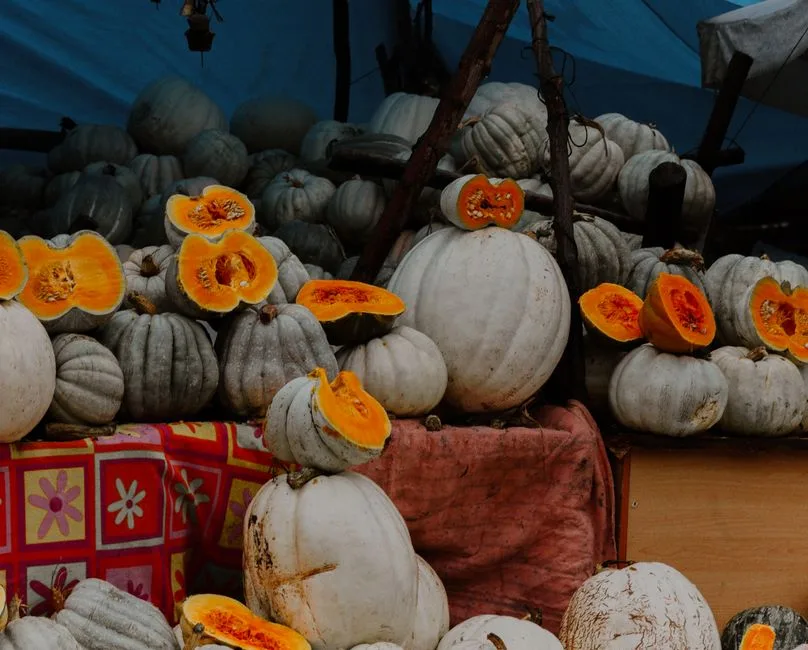
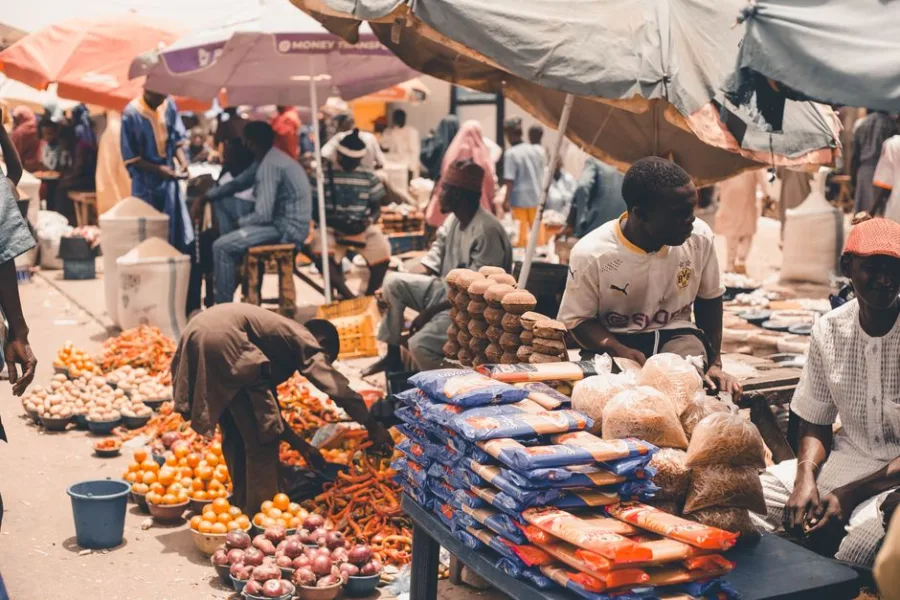
The savanna surrounding Gogounou is characterised by a distinct wet‑dry cycle. Between June and September, rains support the growth of staple grains such as millet, sorghum, and maize. By October, the savanna grain harvest is in full swing, and families begin to process the dried stalks into flour or coarse meal. Women typically grind the grains using hand‑cranked mills, a practice that preserves the grain’s natural oils and flavor. The resulting flour is the backbone of many daily meals, especially the beloved tô, a thick porridge that can be served with sauces, vegetables, or protein.
From Field to Table: Everyday Dishes
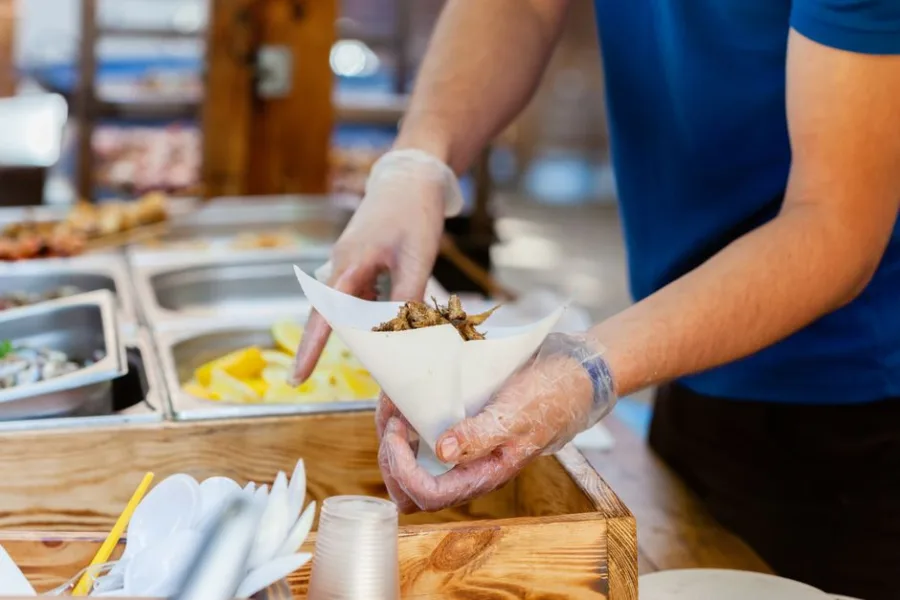
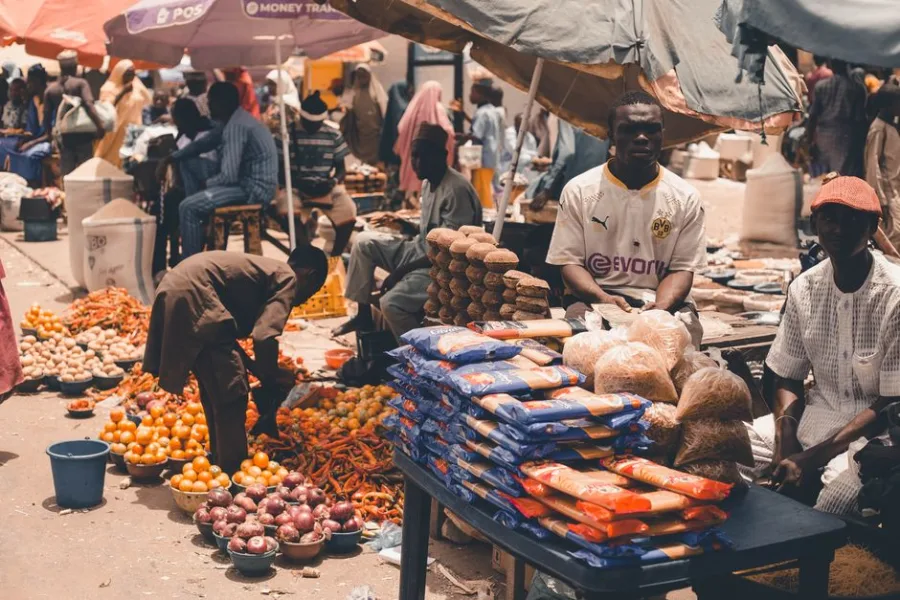
The interplay of river and savanna produces a menu that changes with the seasons but remains rooted in a few core ingredients. During the flood season, fresh river fish—often catfish or tilapia—are caught in abundance. Fishermen bring their haul to the market early in the morning, and households quickly turn the fish into stews flavored with locally grown tomatoes, onions, and pepper. The fish is sometimes smoked for later use, extending its shelf‑life into the dry season.
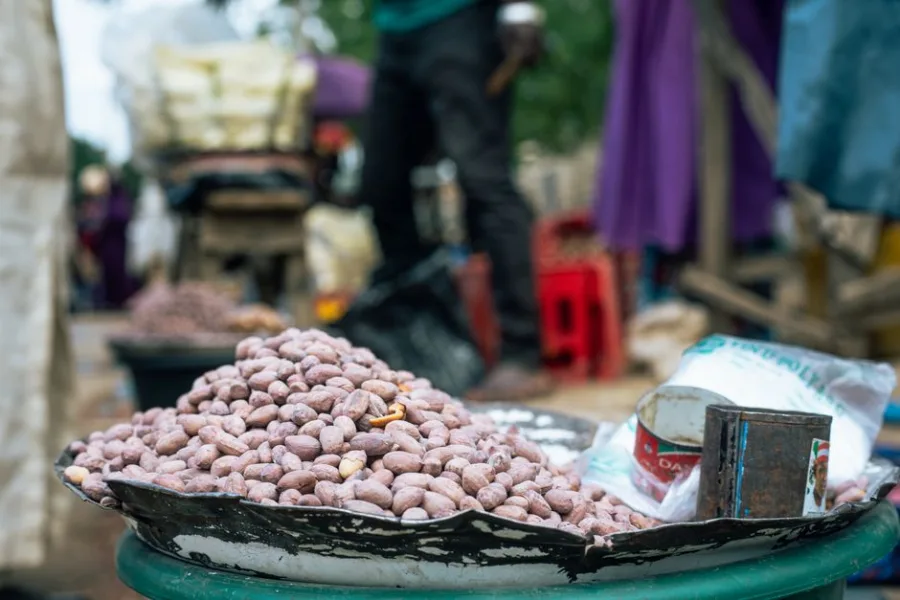
When the floodwaters retreat, the newly exposed soils host a burst of leafy greens such as amaranth and jute leaves. These leafy greens from flood‑recession fields are harvested within weeks of the water’s departure, offering a nutrient‑dense complement to grain‑based dishes. A typical dinner might feature a bowl of tô alongside a sauce of simmered greens, peanuts, and a splash of palm oil.
In the dry months, the focus shifts to stored grains. The quick‑cook millet porridge is a staple for breakfast, especially for children heading to school. It is prepared by whisking millet flour into boiling water until it thickens, then sweetening it with a drizzle of honey or a handful of groundnuts. For lunch, families often prepare akassa, a fermented corn dough that is steamed and served with a tomato‑based sauce enriched with dried fish or meat.
Cooking Tips for Seasonal Ingredients
- Preserve fish early – If you catch fish during the flood season, consider smoking or drying a portion. This provides protein when fresh catches are scarce.
- Use flood‑recession greens promptly – The leaves are most tender and flavorful within two weeks of emergence. Blanch them briefly before adding to sauces to retain their bright colour.
- Store grain flour in airtight containers – The dry climate of Gogounou helps keep flour fresh, but moisture can still cause spoilage. A sealed container extends shelf life for several months.
- Balance porridge thickness – For a smoother tô, stir continuously and add a splash of cold water after the initial boil; this prevents lumps and yields a creamier texture.
- Incorporate local spices sparingly – Traditional cooking relies on modest amounts of dried chilies and smoked fish powder. Over‑seasoning can mask the natural taste of the fresh ingredients.
By aligning cooking practices with the river’s ebb and the savanna’s grain cycle, households in Gogounou create meals that are both nutritious and culturally resonant. The seasonal bounty ensures that each plate tells a story of the land and water that sustain the community, turning everyday cooking into a celebration of the region’s natural rhythms.
Travel information can change. Confirm current entry requirements, opening hours and local guidance with official sources before your trip.


Comments 0
Share a helpful thought or question. Comments appear after review.
Be the first to share a thoughtful comment.
Leave a comment
Your email will not be displayed. Please keep comments relevant and respectful.