Location and Access Mleiha lies about 70 km southeast of Sharjah city, on the edge of the Arabian Desert. The area is part of the Sharjah Emirate’s eastern desert zone and is reachable by a well‑maintained highway from the city centre. Public buses run to the nearby town of Al Dhaid, where taxis can complete the short drive to the archaeological sites. The climate is arid, with hot summers and mild winters; the most comfortable visiting months are from October to March, when daytime temperatures are moderate and evenings can be cool.
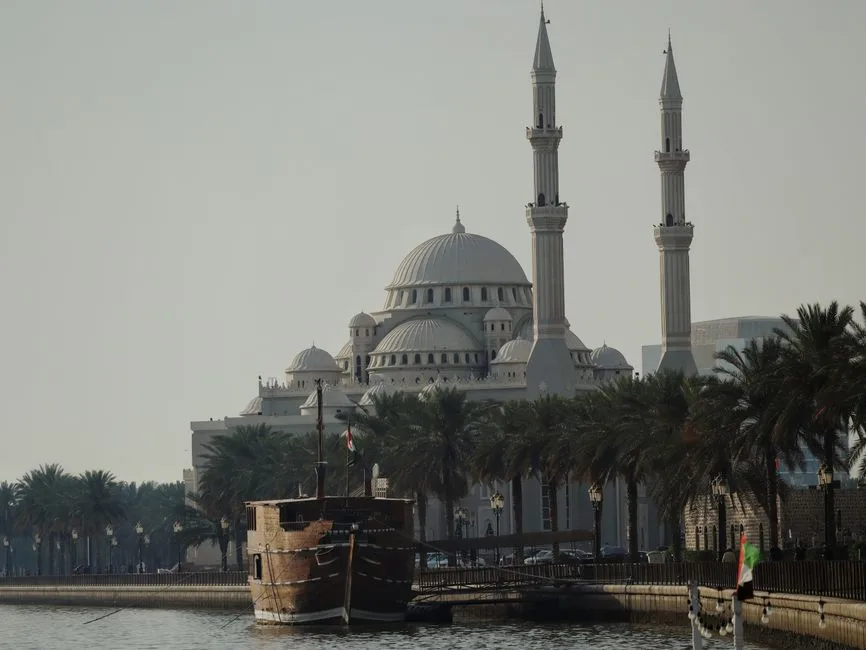
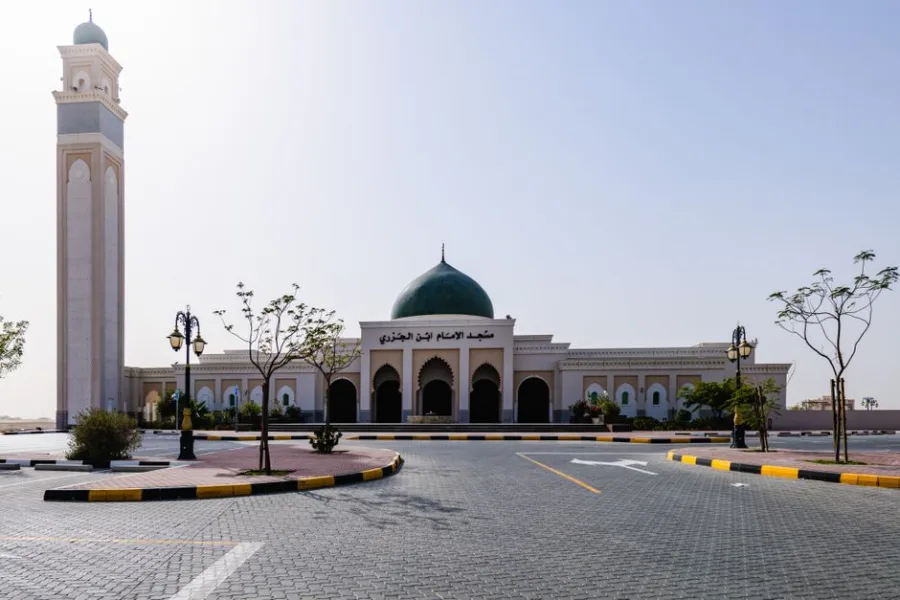
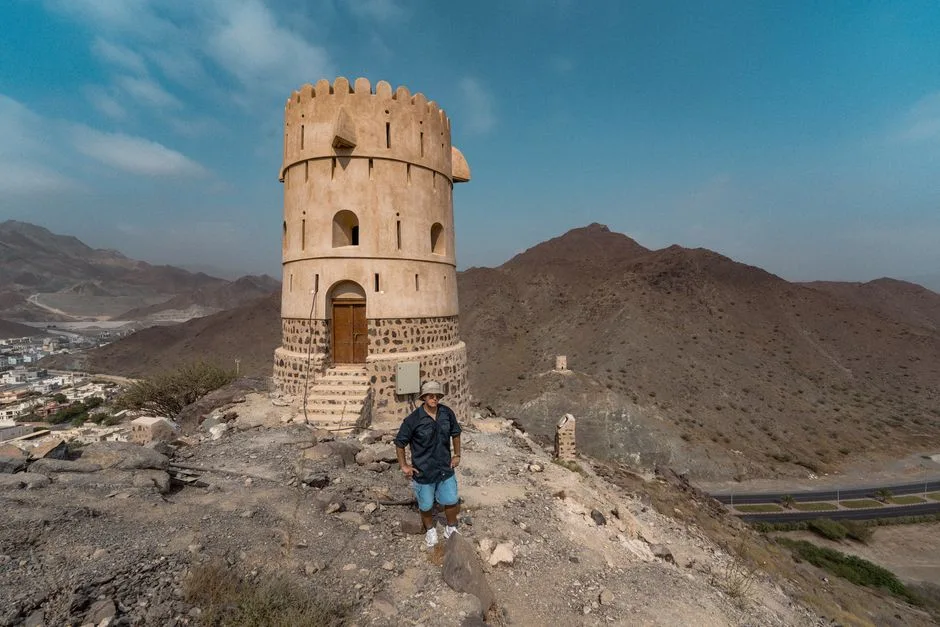
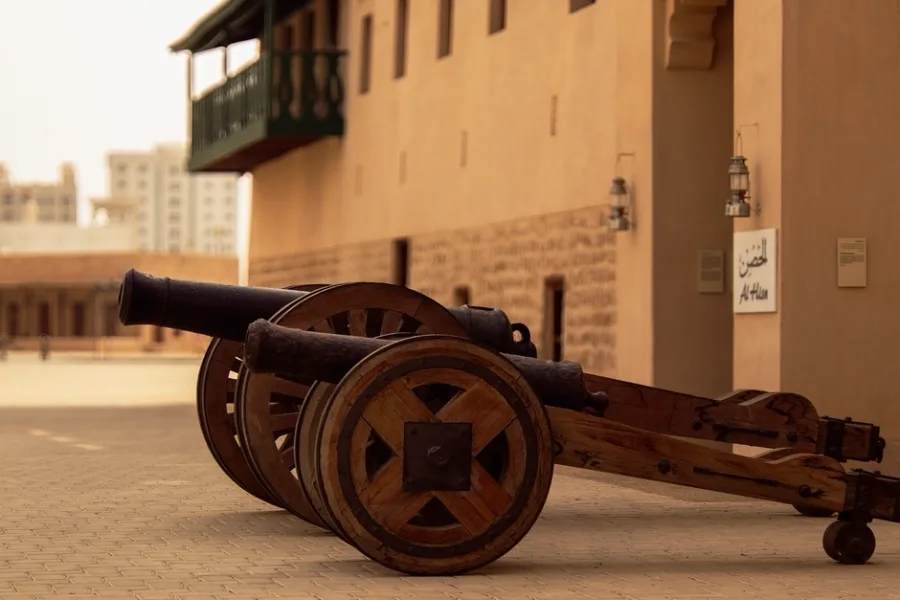
Archaeological Legacy The most prominent feature of Mleiha is its extensive archaeological landscape, which spans several millennia. The site includes Bronze Age burial mounds, Iron Age forts, and a series of tombs dating to the pre‑Islamic period. Notable structures are the Mleiha Fort, a stone‑built enclosure that once guarded caravan routes, and the Al Gharfah tombs, which contain well‑preserved human remains and pottery that illustrate trade links with the Indus Valley and Mesopotamia. Nearby, the Mleiha Archaeological Centre offers interpretive displays, allowing visitors to understand the sequence of settlement, from nomadic hunter‑gatherers to the rise of a settled community engaged in agriculture and trade.
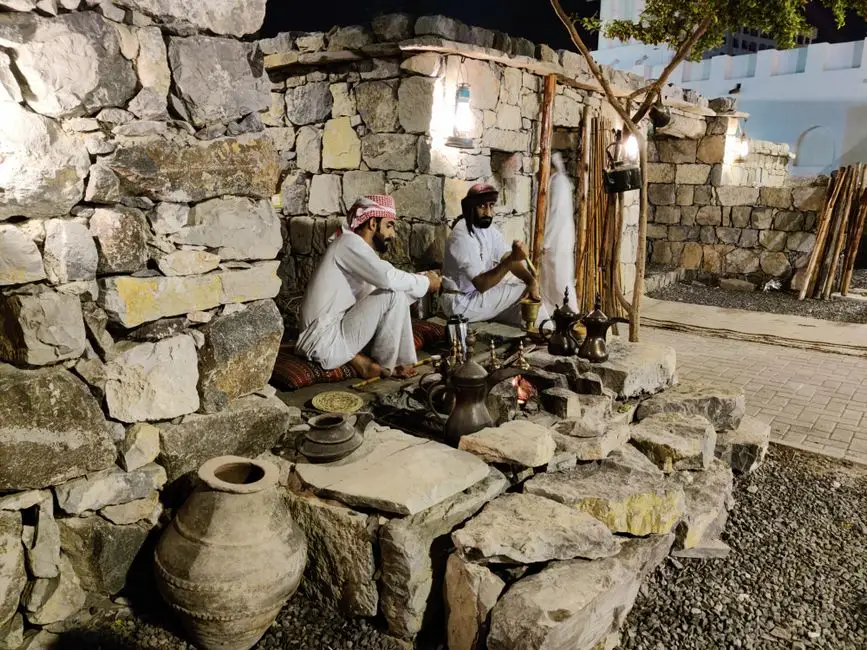
Living Heritage and Traditions Beyond the ancient stones, Mleiha remains a living centre of Emirati culture. The surrounding desert supports traditional camel breeding farms, where families maintain bloodlines that have been prized for endurance and milk production for generations. Camel races, though more common in other emirates, are occasionally organised in the area, showcasing the animal’s cultural importance. Falconry is another practice deeply embedded in the local way of life; falconers in Mleiha train birds of prey using techniques passed down through oral tradition. Visitors may observe falconry demonstrations at community gatherings, especially during the cooler evenings when the desert air is still.
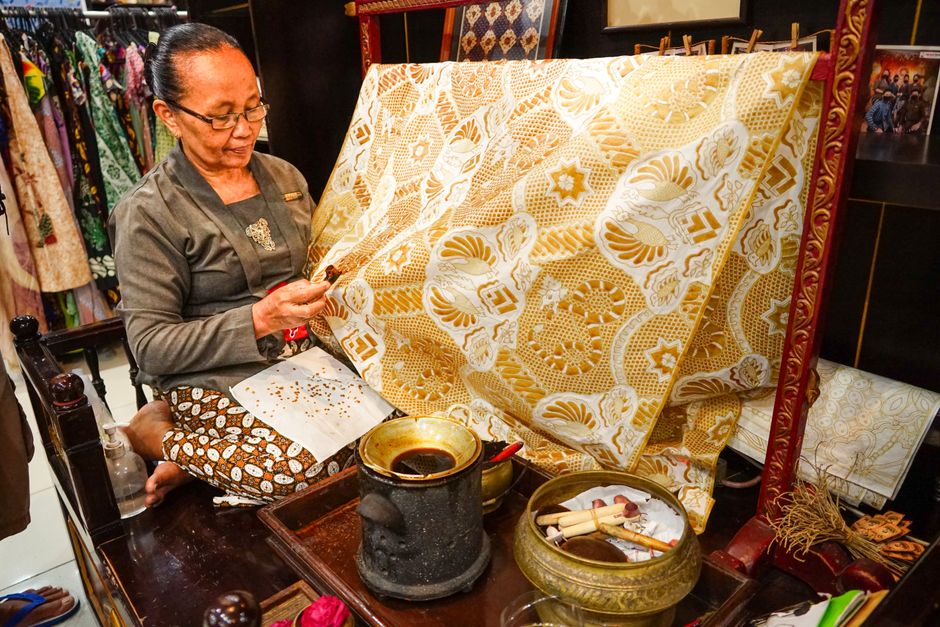
The region’s residents also preserve craft traditions such as palm‑leaf weaving and pottery. Date palms, cultivated in oases near Mleiha, provide the raw material for woven baskets and mats that are used in daily life and sold in local markets. The pottery style, characterised by simple geometric patterns, reflects the utilitarian needs of desert dwellers while retaining an aesthetic link to the ancient artefacts uncovered at the archaeological sites.
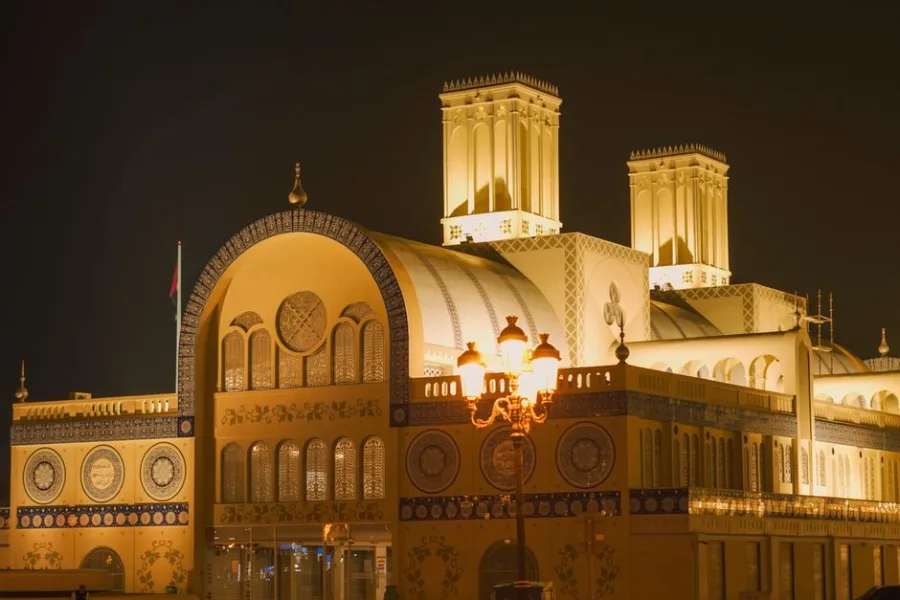
Visitor Tips and Respectful Practices When exploring Mleiha, it is advisable to dress modestly in loose, breathable clothing that covers shoulders and knees, respecting local customs. Sun protection—hat, sunscreen, and ample water—is essential, as shade can be scarce outside the protected areas. Photography is generally permitted at open sites, but visitors should ask permission before photographing people, especially during cultural demonstrations such as falconry or camel handling.
The desert environment is fragile; staying on marked paths helps protect archaeological remains and prevents disturbance of wildlife. If you join a guided tour, the guide will often explain the significance of each feature and advise on appropriate behaviour at sacred or sensitive locations. Finally, remember that Mleiha is both a heritage site and a working community; supporting local vendors by purchasing handcrafted items contributes to the preservation of living traditions.
Travel information can change. Confirm current entry requirements, opening hours and local guidance with official sources before your trip.