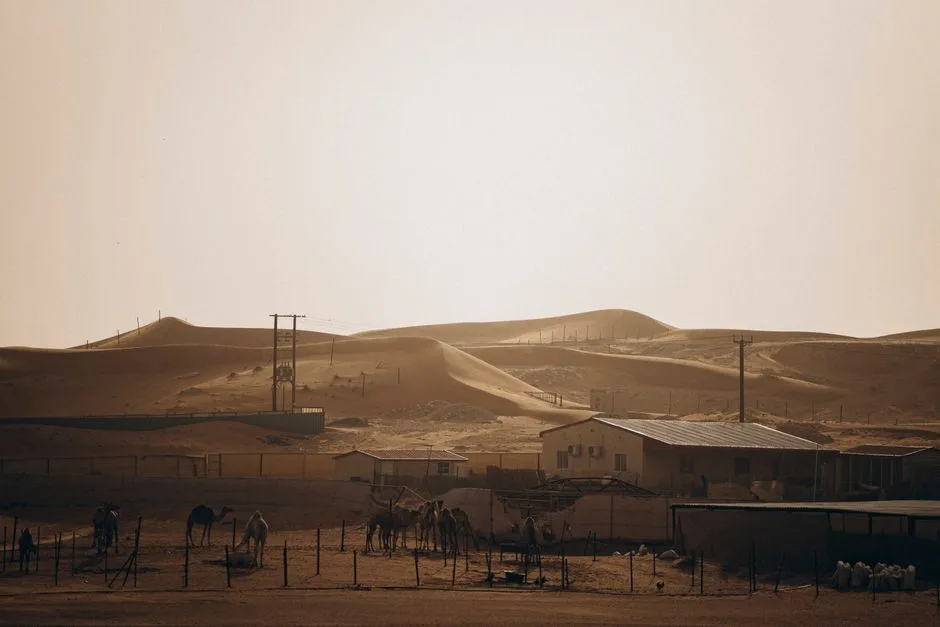
Dibba Al Hesn sits on the eastern edge of Sharjah, where the Hajar Mountains meet the Gulf of Oman. The geography creates a distinct food culture that blends traditional Emirati fare with fresh coastal bounty. Visitors who understand the local culinary patterns can appreciate the subtle ways the sea, desert, and mountain produce shape everyday meals.
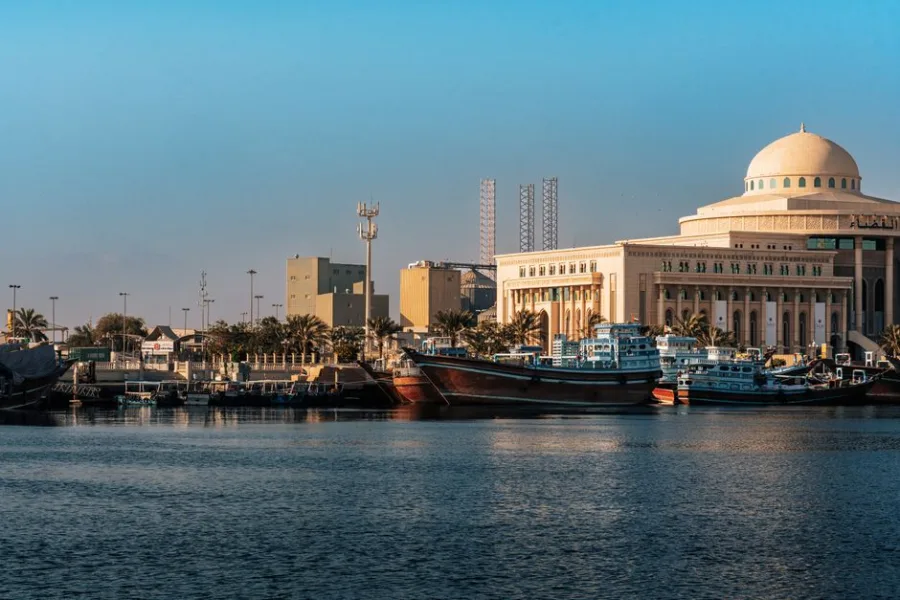
Coastal Foundations The shoreline of Dibba Al Hesn has long supported a modest fishing community. Small wooden dhows bring in catches of hammour (grouper), kingfish, and shrimp, which are often prepared simply to let the natural flavor shine. Grilling over charcoal, steaming with a splash of lemon, or cooking in a light tomato‑based broth are common methods. The use of dried lime (loomi) and a modest amount of saffron adds a bright acidity that balances the richness of the fish. While large‑scale commercial fishing is limited, the daily market supply ensures that fresh fish is a staple in many households.
Emirati Staples in Dibba Al Hesn Beyond the sea, the core of Emirati cuisine remains evident. Dishes such as machboos—a spiced rice pilaf cooked with meat or fish—are frequently served for family gatherings. In Dibba Al Hesn, the version often incorporates locally caught fish, layered with rice, turmeric, and a blend of cumin, coriander, and cardamom. Harees, a slow‑cooked wheat and meat porridge, appears during Ramadan and festive occasions, reflecting the broader Sharjah tradition. Sweet treats like luqaimat—small fried dough balls drizzled with date syrup—are offered alongside Arabic coffee (gahwa) flavored with cardamom. Dates themselves, sourced from nearby farms in the interior, are a daily accompaniment and a symbol of hospitality.

Local Markets and Seasonal Produce The weekly souk in Dibba Al Hesn provides a practical snapshot of regional food availability. Stalls display freshly caught fish, locally grown vegetables such as tomatoes, cucumbers, and bitter gourd, and a variety of herbs including mint and coriander. Seasonal fruits—pomegranates in autumn, figs in late summer, and citrus in winter—appear in modest quantities, reflecting the limited arable land but rich micro‑climates of the foothills. Vendors often sell dried fish and smoked hammour, which families keep for later use. While the market does not host large‑scale imported goods, it offers enough variety for residents to prepare balanced meals without relying heavily on supermarkets.

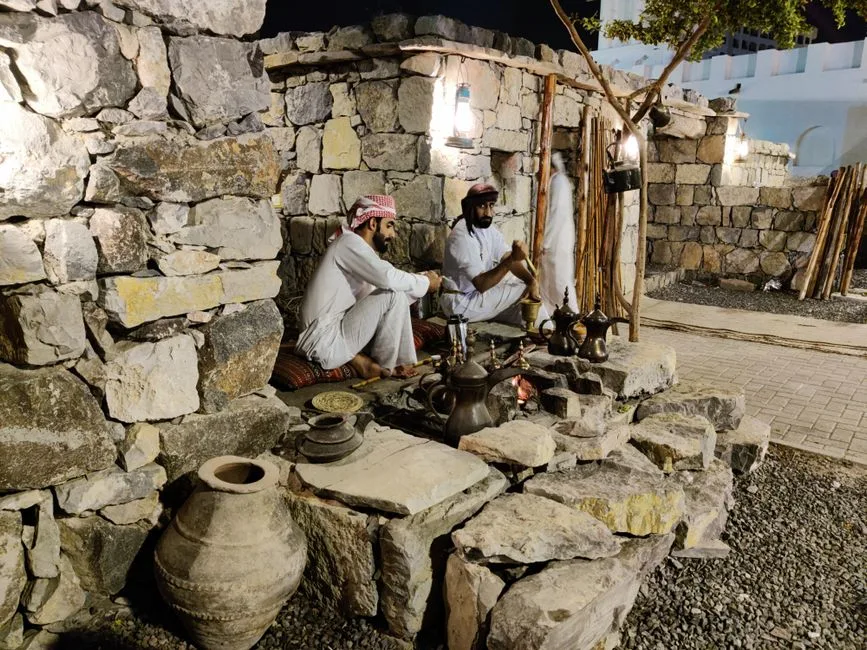
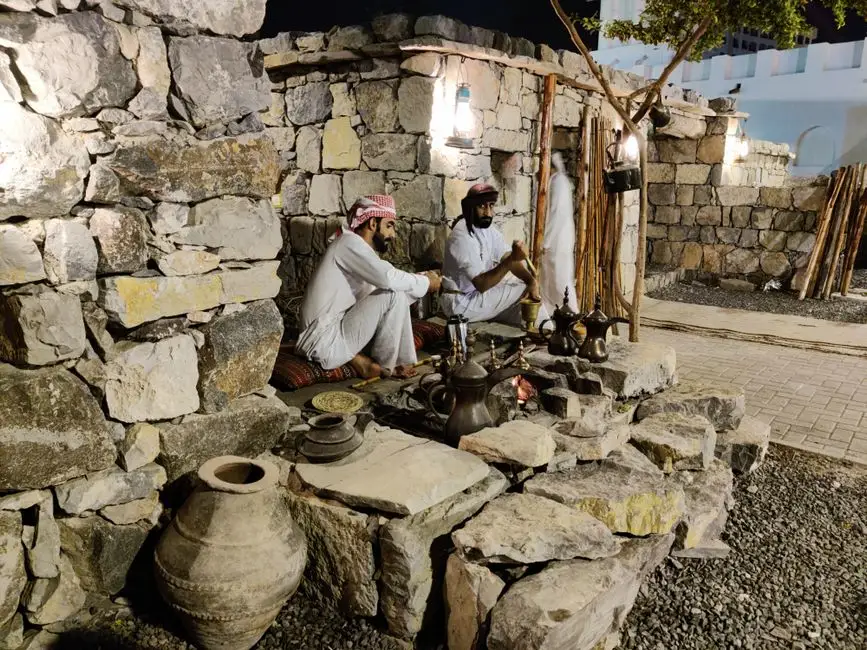
Dining Practices and Hospitality Meals in Dibba Al Hesn are typically communal. A low table or floor seating encourages sharing, and the host will usually begin with Arabic coffee and dates as a gesture of welcome. The coffee is prepared in a dallah, boiled with cardamom, and served in small cups. When a main dish is presented—whether machboos, grilled fish, or a vegetable stew—the emphasis is on eating together rather than on elaborate plating. Hospitality extends to offering guests a second helping, a practice rooted in Bedouin customs that persists in coastal towns. Even in modest homes, the presentation of food respects the principle of generosity, and leftovers are often repurposed into soups or rice dishes for the next day.
Understanding these patterns helps travelers navigate the culinary landscape without relying on tourist‑focused venues. By visiting the local souk, sampling freshly grilled fish at a modest shoreline stall, and joining a family‑style meal when invited, one experiences the authentic flavors that define Dibba Al Hesn. The region’s food traditions are a quiet testament to the interplay of sea, mountain, and desert, offering a taste of Emirati culture that is both rooted and adaptable.
Travel information can change. Confirm current entry requirements, opening hours and local guidance with official sources before your trip.